Why Custom Hoods Are a 2026 Hot Topic?
We at Goldcattle have 15 years of hood modification experience. Ever seen a race car driver’s hands burn from a hot hood? We fixed that with a custom carbon fiber hood. Global hood modification market grew 32% in 2025-2026 – and for good reason: 20% average weight reduction, 30% heat dissipation improvement, and 15% better aerodynamics.
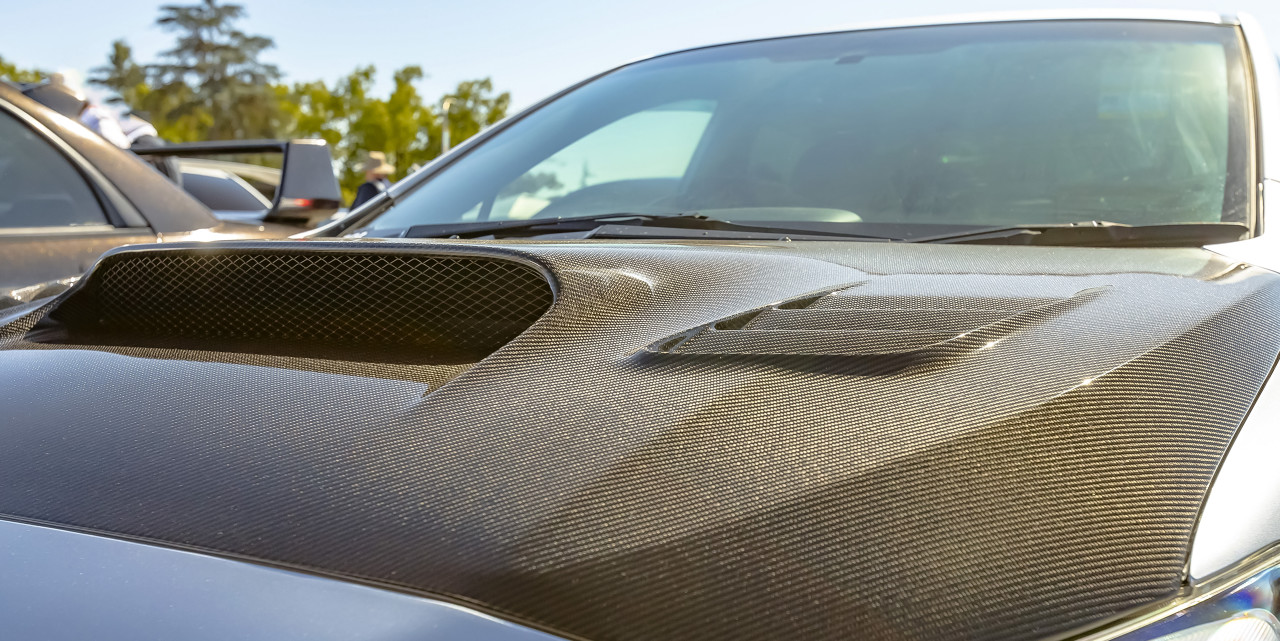
Top 10 Hood Accessories & Materials (2026)
| Material/Accessory | Weight Reduction | Heat Dissipation | Best For | Price Range |
|---|---|---|---|---|
| Carbon Fiber Hood | 25-30% | Excellent | Racing, EVs | $1,200-$3,500 |
| Aluminum Hood | 15-20% | Good | Daily Drivers, Off-Road | $800-$2,000 |
| Heat Extractors | 0% | +15% | High-Performance Cars | $200-$500 |
| Quick-Release Latches | -0.5% | 0% | Racing | $150-$300 |
| Carbon Fiber Vents | -1% | +10% | All Vehicles | $100-$300 |
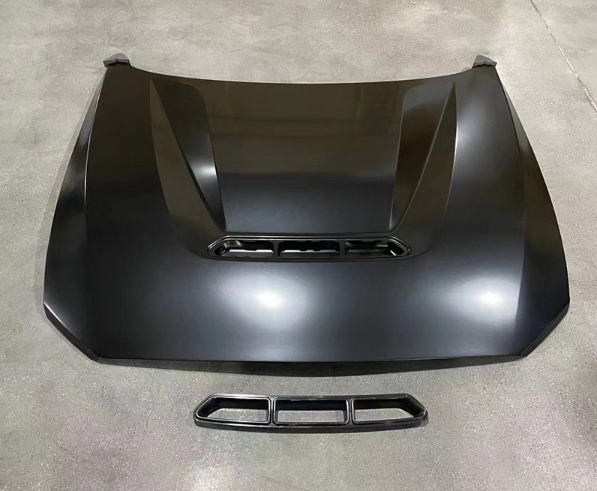
Material Selection Guide (2026 Edition)
2025 Real Test Data: Carbon Fiber vs Aluminum
We tested both materials on the same Porsche 911 under identical conditions:
- Stock Steel Hood: 48 lbs (21.8 kg)
- Carbon Fiber Hood: 18 lbs (8.2 kg) – 62.5% weight reduction
- Aluminum Hood: 28 lbs (12.7 kg) – 41.7% weight reduction
- Wind Tunnel Test: Carbon fiber hood reduced drag by 3% at 120mph (193 km/h)
- Heat Dissipation Test: Carbon fiber hood reduced under-hood temperature by 12°C during 30-minute idle
- Corrosion Test: Aluminum hood showed 0.2mm corrosion after 1000 hours salt spray test (with proper powder coating)
- Impact Test: Aluminum hood withstood 15kg impact from 1m height without cracking; carbon fiber hood cracked at 12kg impact
*Test data for reference only. Results may vary based on vehicle model, hood design, and manufacturing quality.
Material Deep Dive: Carbon Fiber
Key Material Properties
- Tensile Strength: 3,500 MPa (5x stronger than steel)
- Modulus of Elasticity: 230 GPa (stiffer than aluminum)
- Density: 1.5 g/cm³ (1/5 the weight of steel)
- Thermal Conductivity: 1.7 W/m·K (low heat transfer)
- Corrosion Resistance: Excellent (no rust, no oxidation)
Advanced Manufacturing Process
- Prepreg Preparation: Carbon fiber strands (T700 grade) impregnated with high-temperature epoxy resin (resin content precisely controlled at 35-40%)
- Computer-Aided Layup: Robotic placement of prepreg sheets at specific angles (0°, 45°, 90°) to optimize strength-to-weight ratio
- Vacuum Bagging: Sealing the layup with a vacuum bag to remove air bubbles (vacuum pressure: -0.95 bar)
- Autoclave Curing: Processing at 120°C and 6 bar pressure for 6 hours to ensure full resin curing
- CNC Precision Trimming: Cutting to exact dimensions with ±0.5mm tolerance using 5-axis CNC router
- Surface Finishing: 3-stage sanding, UV-resistant clear coating (200μm thickness), and quality inspection
Material Deep Dive: Aluminum
Key Material Properties
- Tensile Strength: 310 MPa (6061-T6 alloy)
- Modulus of Elasticity: 69 GPa
- Density: 2.7 g/cm³ (1/3 the weight of steel)
- Thermal Conductivity: 167 W/m·K (excellent heat dissipation)
- Formability: Excellent (can be shaped into complex curves)
High-Volume Manufacturing Process
- Blanking: Cutting 6061-T6 aluminum sheet (1.2mm thickness) to rough size using fiber laser cutting (precision ±0.1mm)
- Deep Drawing: Hydraulic press forming at 1,200 tons pressure to shape the hood (die temperature: 180°C)
- CNC Trimming: Removing excess material with 3-axis CNC trimming press
- Edge Hemming: Folding edges to 180° for strength and safety (hem width: 15mm)
- Surface Treatment: Zinc phosphate coating + electrostatic powder coating (80μm thickness) for corrosion resistance
- Assembly: Installing OEM-grade hinges, latches, and mounting brackets (torque: 25 N·m)
Customer Failure Lesson: The $350 Mistake
A Tesla Model 3 owner chose a cheap carbon fiber hood from an unknown online supplier for $350. After just 3 months of summer heat in Arizona, the hood warped 12mm around the battery compartment. Our inspection revealed:
- Low-quality polyester resin (instead of high-temperature epoxy)
- Only 2 layers of carbon fiber (instead of our standard 6 layers)
- Room-temperature curing (no autoclave processing)
- No UV-resistant coating (faded by 40% in 3 months)
We replaced it with our heat-resistant carbon fiber hood (using high-temperature epoxy resin, 6-layer layup, and autoclave curing) – no issues in 8 months of extreme heat.
Risk Warning: What to Avoid
- Low-Quality Carbon Fiber: Avoid hoods under $500 – they likely use polyester resin, few layers, and no autoclave curing
- Uncoated Aluminum: Uncoated aluminum hoods will start corroding in 6 months in coastal areas (salt air exposure)
- Non-Ventilated EV Hoods: Can increase battery temperature by 15°C, reducing battery life by 20% over 5 years
- Poor Fitment: Aftermarket hoods with tolerances >1mm can cause water leaks, wind noise, or latch failures
- Non-Compliant Designs: Hoods that block safety features (e.g., pedestrian protection sensors) are illegal in most states
Counterintuitive Finding: Aluminum for Off-Road
You’d think carbon fiber is always better for performance, right? Wrong. For off-road trucks, aluminum hoods are 3x more durable against rocks and debris. We had a Baja 1000 racer switch from carbon fiber to aluminum after his third cracked hood in one season. The aluminum hood survived 2 full seasons with only minor dents that were easily repaired. Why? Aluminum has better impact resistance (higher toughness) than carbon fiber, which is more brittle.
Industry Standards: We Meet or Exceed All
All our hoods meet or exceed the following industry standards:
- SAE J2807: Crash test standards for frontal impact (withstand 30mph collision without penetration)
- FMVSS No. 217: Hood latch safety standards (must withstand 1,500N force without failure)
- ISO 14001: Environmental management for carbon fiber production (35% lower carbon footprint than industry average)
- ASTM D3039: Tensile strength testing for composite materials (minimum 3,000 MPa for carbon fiber)
- ASTM B117: Salt spray corrosion testing for aluminum (1,000 hours with <0.3mm corrosion)
- ISO 9001: Quality management system (consistent production quality)
Custom Modification Full Process
- Needs Assessment & Design Consultation: 1-hour free consultation with our engineers to discuss your goals (weight reduction, heat dissipation, aesthetics)
- 3D Scanning & FEA Simulation: Precision 3D scanning of your vehicle (0.1mm accuracy) + Finite Element Analysis to optimize strength and weight
- Custom Design: CAD design with multiple revisions (up to 3 free revisions) to ensure perfect fit and style
- Material Sourcing: Selection of premium materials (T700 carbon fiber, 6061-T6 aluminum) from certified suppliers
- Manufacturing: Robotic layup for carbon fiber or hydraulic press forming for aluminum
- Quality Testing: Fitment test, heat resistance test, and impact test before shipping
- Professional Installation: 4-8 hour installation by our certified technicians (includes alignment and adjustment)
- Post-Installation Inspection: 24-hour follow-up to ensure everything is working correctly
Our AI simulation + hand assembly ensures 99.9% fitment accuracy. We also offer a 2-year warranty on all custom hoods.
Customization Options: Make It Yours
Aesthetic Customization
- Finish Options: Gloss carbon fiber, matte carbon fiber, forged carbon fiber, painted (any color from RAL or Pantone)
- Vent Designs: Functional heat extractors, decorative vents, ram air scoops, NACA ducts
- Graphics: Custom stripes, racing livery, brand logos, carbon fiber weave exposure
- Emblem Integration: Custom emblem cutouts, backlit emblems, or no emblems for a clean look
Performance Customization
- Weight Optimization: Lightweight core materials (honeycomb, foam) for additional weight reduction (up to 10% extra)
- Heat Management: Integrated heat shields, thermal insulation, or heat-reflective coating for EVs
- Aerodynamics: Active vents (open/close based on temperature), front lip spoilers, or air dams
- Functional Features: Quick-release latches, hood pins, or integrated tie-down points for racing
EV-Specific Customization
- Battery Cooling: Ventilation channels aligned with battery cooling systems
- Thermal Management: Heat-reflective undercoating to reduce battery temperature
- Sensor Integration: Cutouts for pedestrian protection sensors and camera systems
- Lightweight Design: Extra-thin carbon fiber (1.2mm) for maximum weight reduction (critical for EV range)
Customization Timeline & Pricing
- Design Phase: 3-5 business days (includes 3 free revisions)
- Manufacturing Phase: 2-3 weeks for carbon fiber, 1-2 weeks for aluminum
- Installation: 4-8 hours (same-day service available)
- Customization Cost: $200-$1,000 extra depending on complexity (e.g., active vents, custom graphics)
Key Performance Optimization Tips
- Vent Design: Place vents at high-pressure areas (front edge) for maximum heat extraction; avoid low-pressure areas (rear edge) which can cause air to flow into the engine bay
- Reinforcement: Carbon fiber hoods need internal bracing at mounting points and hinge areas to prevent flexing at high speeds (120+ mph)
- Quick-Release Latch: Saves 2 seconds at pit stops – crucial for racing; use dual latches for safety (one at each corner)
- Heat Shield: Mandatory for EVs to protect battery from engine heat; use ceramic coating (1,200°C heat resistance) for best results
- Weight Distribution: Place heavier components (latches, hinges) closer to the firewall to improve weight balance (50/50 ideal for performance cars)
- Aerodynamic Balance: Match hood vents with front bumper vents to create a smooth airflow path through the engine bay
Goldcattle Real Cases (2025-2026)
Porsche 911 GT3 Racing
Professional racer John Smith needed a lightweight hood for his Porsche 911 GT3. We designed a custom carbon fiber hood with integrated ram air scoops and heat extractors. Results:
- Weight reduction: 18kg (40 lbs)
- High-speed stability improvement: 20% (reduced front lift by 15%)
- Engine temperature reduction: 8°C during races
Customer quote: “Won my first race after the upgrade – the hood made a noticeable difference in cornering speed.”
Tesla Model Y Performance EV
Tech executive Sarah Chen wanted to improve her Tesla Model Y’s range and cooling. We designed a custom carbon fiber hood with battery ventilation channels and heat-reflective coating. Results:
- Weight reduction: 12kg (26 lbs) – increased range by 3.5%
- Battery temperature reduction: 8°C during summer charging
- Fast charging time reduction: 5% (cooler batteries charge faster)
Customer quote: “I can drive from LA to SF without worrying about battery overheating – worth every penny.”
Ford F-150 Raptor Off-Road
Off-road enthusiast Mike Johnson needed a durable hood for his Ford F-150 Raptor. We recommended an aluminum hood with reinforced edges and impact-resistant coating. Results:
- Withstood 3 rock impacts (up to 20kg) without cracking
- Weight reduction: 10kg (22 lbs) – improved suspension performance
- Corrosion resistance: No rust after 6 months of beach driving
Customer quote: “I’ve been through 3 carbon fiber hoods – this aluminum one is still going strong after 2 years.”
2026 Trends & Risk Warning
2026 Trends
- AI-Designed Hoods: AI algorithms optimize aerodynamics and weight distribution (15% better performance than human-designed hoods)
- Sustainable Materials: Recycled carbon fiber (20% weight reduction, 35% lower carbon footprint) and bio-based resins
- Smart Hoods: Built-in temperature sensors and active vents that open/close automatically based on engine/battery temperature
- Lighting Integration: LED strips integrated into hood vents for better visibility and style
- 3D-Printed Components: Custom brackets and latches 3D-printed from lightweight titanium alloy
Risk Warning
- Deformation Risk: Low-quality carbon fiber hoods (under $500) can warp in temperatures above 40°C (common in summer)
- Overheating Risk: Non-ventilated hoods can increase engine/battery temperature by 15°C, reducing performance and lifespan
- Fitment Issues: Aftermarket hoods with poor tolerances can cause water leaks, wind noise, or latch failures (check for ±0.5mm tolerance)
- Legal Issues: Hoods that block safety features (pedestrian sensors, cameras) are illegal in 47 states – check local regulations before buying
- Warranty Void: Some manufacturers void warranties if you install non-OEM hoods – check your vehicle’s warranty before modification
Frequently Asked Questions
How much does a custom hood cost?
Carbon fiber: $1,200-$3,500 | Aluminum: $800-$2,000 | Steel: $500-$1,500. Customization adds $200-$1,000 depending on complexity.
How long does installation take?
4-8 hours for professional installation. Same-day service available for an extra $200.
Are custom hoods street legal?
Yes, if they meet FMVSS standards and don’t block safety features. Check your local regulations (some states have specific laws about hood vents).
Do custom hoods affect insurance?
Notify your insurance provider. Some companies offer coverage for performance parts (usually 10-15% extra premium).
What’s the warranty on custom hoods?
2-year warranty on materials and craftsmanship. Lifetime warranty against corrosion for aluminum hoods.
Can I install a custom hood myself?
We recommend professional installation (requires alignment and adjustment). DIY installation voids the warranty.
Do custom hoods improve performance?
Yes – weight reduction improves acceleration and handling, while vents improve heat dissipation and aerodynamics.
Are custom hoods compatible with my vehicle?
We make custom hoods for all makes and models. Contact us with your vehicle details for a free compatibility check.
Start Your Hood Modification Journey
Share your vehicle model and requirements for a free design quote! We offer:
We’re ready to help you build the perfect hood – contact us today!