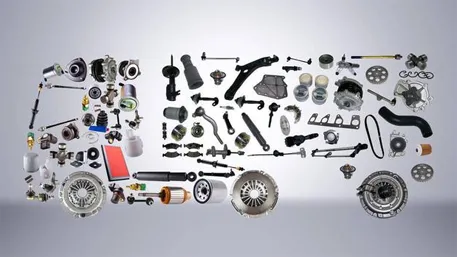
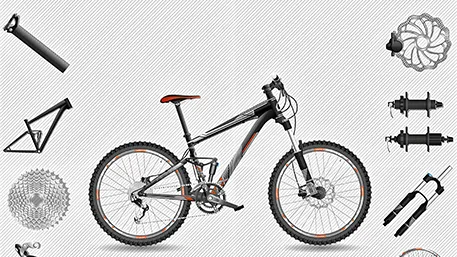
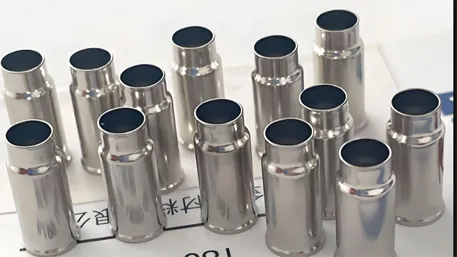
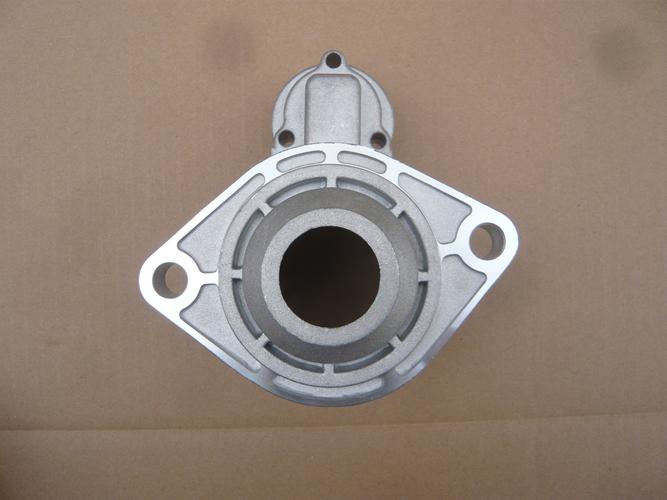
In the industrial era, the role of machinery is undeniable. There are even many machines produced to meet special operational requirements. During long – term use, the damage of machine fasteners is inevitable, but many parts are unavailable on the market. Custom CNC machinery parts service online has become a popular trend.
1. What are Precision CNC Mechanical Parts?
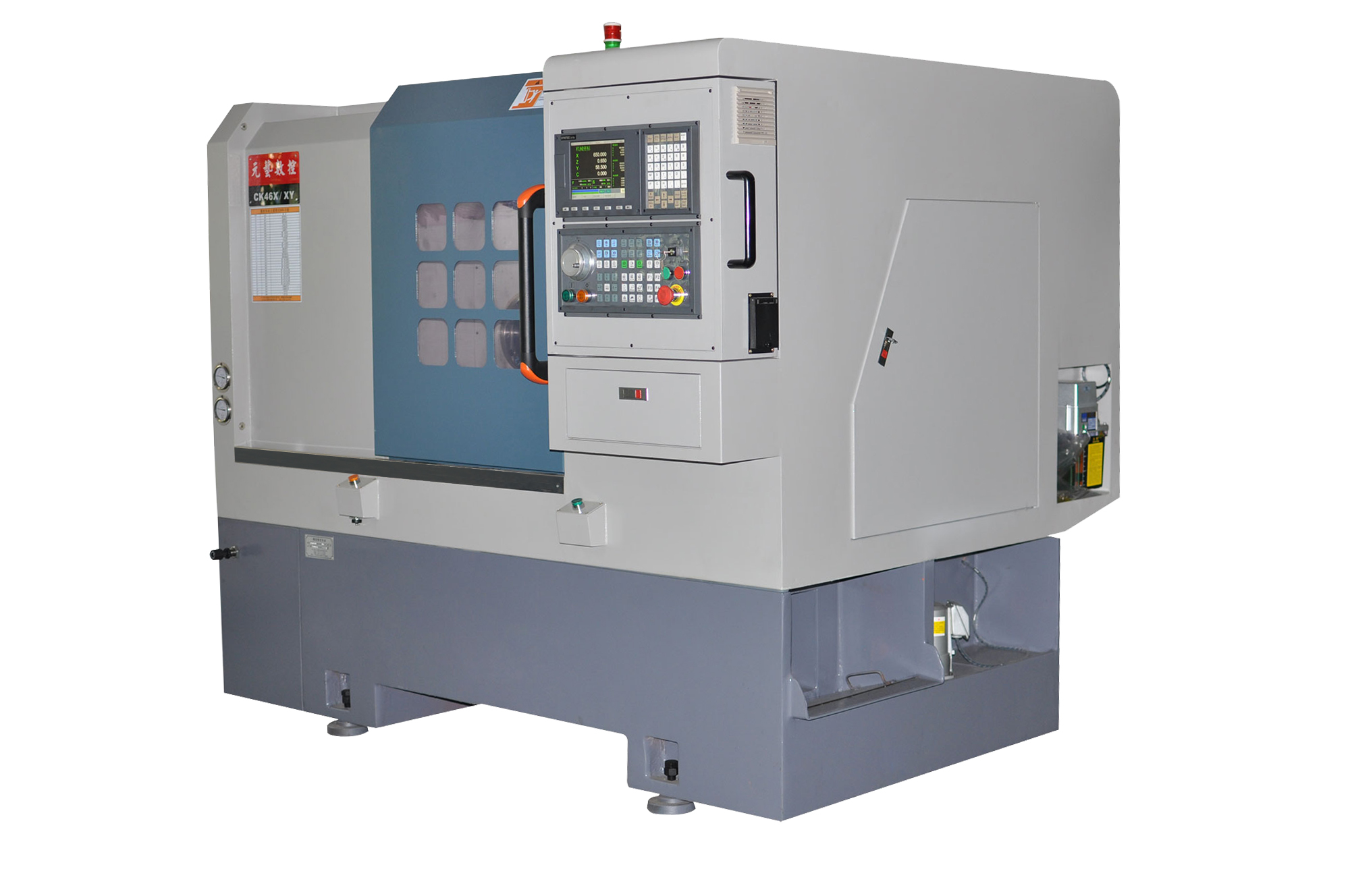
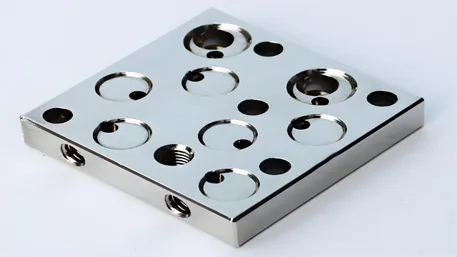
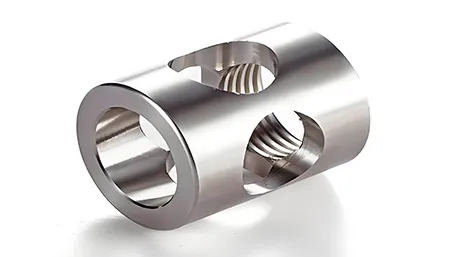
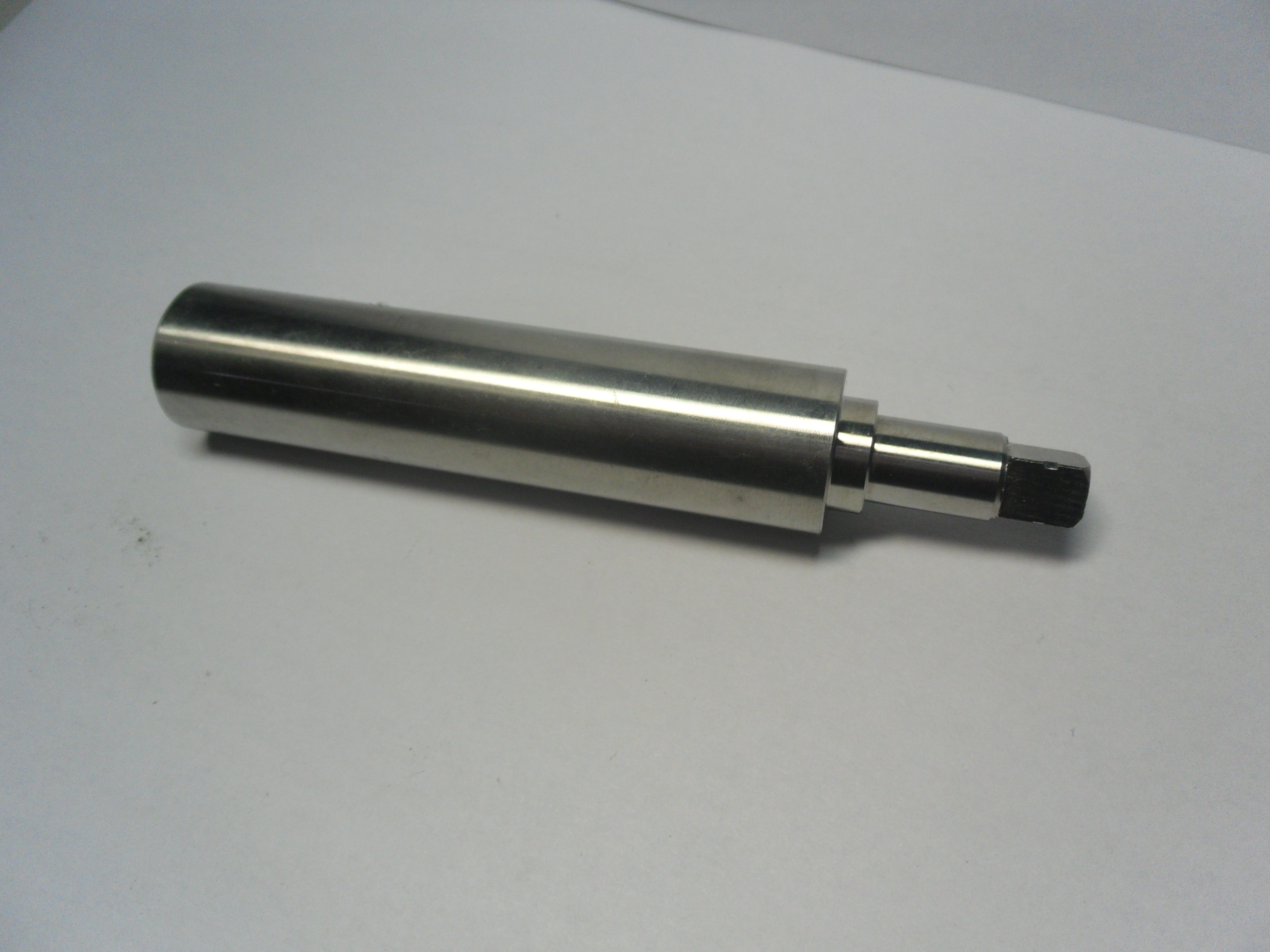
Precision CNC mechanical parts refer to high-precision mechanical components manufactured through Computer Numerical Control (CNC) technology, which can achieve micron-level machining accuracy and process complex geometric shapes.
Advantages of Precision CNC Mechanical Parts
- Ultra-high machining accuracy: It can achieve a machining tolerance of ±0.01-0.05mm, meeting the strict requirements of high-end manufacturing fields.
- Automated machining: The machining process is completed automatically through pre-written programs, reducing manual intervention and errors.
- Strong flexibility: It can quickly switch between machining tasks of different parts, suitable for small-batch and multi-variety production.
- Ability to machine complex parts: It can machine complex curved surfaces and spatial structures that are difficult to achieve with traditional methods.
- High quality stability: The standardized machining process ensures the consistent quality of each part.
2. Why Customize Mechanical Parts?
Customized mechanical parts can be designed and produced according to the specific needs of customers, meeting personalized and professional usage requirements, and improving product performance and competitiveness.
Advantages of Customized Mechanical Parts
- Meet personalized needs: Customize size, shape, material and function according to customers’ specific requirements.
- Improve product quality: Adopt advanced machining equipment and technology to ensure the precision and performance of parts.
- Optimize cost structure: Produce on demand to avoid inventory backlog and resource waste.
- Shorten development cycle: Respond quickly to market demands and accelerate the time to market of products.
- Support technological innovation: Realize the application of complex designs and new technologies.
- Enhance enterprise competitiveness: Provide differentiated products to improve market position.
3. Customization Process of CNC Mechanical Parts
- Demand communication: Conduct in-depth communication with customers to clarify the function, performance and usage requirements of parts.
- Scheme design: Design parts according to needs and formulate machining process plans.
- Drawing confirmation: Provide detailed engineering drawings and confirm design details with customers.
- Material selection: Select appropriate machining materials according to the requirements of parts.
- Quotation confirmation: Provide a detailed quotation and confirm order information.
- Machining production: Arrange CNC machining equipment for parts manufacturing.
- Quality inspection: Conduct comprehensive quality inspection on the machined parts.
- Delivery and acceptance: Package and ship the parts, and customers confirm the acceptance.
4. Machining Process of CNC Mechanical Parts
- Parts design: Use CAD software to design 3D models and generate engineering drawings.
- Process planning: Formulate the machining process route and determine the machining sequence and methods.
- CNC programming: Use CAM software to convert the design into G-code recognizable by the machine tool.
- Material preparation: Select appropriate materials and carry out blanking and preprocessing.
- Machine tool setup: Install cutters and fixtures, and calibrate machine tool parameters.
- Machining operation: Start the machine tool and carry out automatic machining according to the program.
- Quality inspection: Use precision testing equipment to check the size and quality of parts.
- Post-processing: Conduct deburring, surface treatment and other subsequent processing.
- Packaging and delivery: Protect the parts through packaging and deliver them to customers.
5. Machinable Material List for CNC Mechanical Parts
|
Material Category
|
Common Materials
|
Characteristics
|
Application Fields
|
|
Aluminum Alloy
|
6061, 7075
|
Lightweight, corrosion-resistant, easy to machine
|
Aerospace, automobile, electronics
|
|
Stainless Steel
|
304, 316
|
Strong corrosion resistance, high strength
|
Medical equipment, food industry
|
|
Titanium Alloy
|
TC4, TA2
|
High strength, low density, corrosion-resistant
|
Aerospace, medical equipment
|
|
Carbon Steel
|
45# Steel, 40Cr
|
High strength, low cost
|
Mechanical equipment, automobile manufacturing
|
|
Copper Alloy
|
Brass, Red Copper
|
Good electrical conductivity, strong thermal conductivity
|
Electronics, communication equipment
|
|
Engineering Plastics
|
ABS, PC, PEEK
|
Lightweight, corrosion-resistant
|
Electronic equipment, medical equipment
|
|
Composite Materials
|
Carbon Fiber, Glass Fiber
|
High strength, low density
|
Aerospace, sports equipment
|
6. Attribute List of CNC Mechanical Parts
|
Attribute Item
|
Technical Parameters
|
Description
|
|
Machining Precision
|
±0.01-0.05mm
|
Range of dimensional tolerance control
|
|
Surface Roughness
|
Ra0.1-3.2μm
|
Level of surface finish
|
|
Machining Materials
|
Metals, plastics, composite materials
|
Support machining of multiple materials
|
|
Part Size
|
Minimum 0.1mm, Maximum 2000mm
|
Range of machinable part sizes
|
|
Machining Equipment
|
3-axis, 4-axis, 5-axis machining centers
|
Machining needs of different complexities
|
|
Machining Efficiency
|
1-1000 pieces/day
|
Range of production capacity
|
|
Delivery Cycle
|
1-15 working days
|
Time from order placement to delivery
|
|
Quality Certification
|
ISO9001, IATF16949
|
Quality management system certification
|
7. Applications of Mechanical Parts
- Aerospace: Aircraft engine parts, airframe structural parts, landing gear components.
- Automobile Manufacturing: Engine blocks, gearbox housings, suspension system parts.
- Medical Equipment: Surgical instruments, artificial joints, medical equipment housings.
- Electronic Equipment: Mobile phone housings, heat sinks, connectors, precision components.
- Mold Manufacturing: Injection molds, die-casting molds, stamping molds.
- Energy Industry: Wind turbine parts, oil drilling equipment components.
- Military Equipment: Weapon system parts, armored vehicle components.
- Industrial Automation: Robot parts, automation equipment accessories.
8. Machining Issues of CNC Mechanical Parts
Common Machining Issues and Solutions
Issue 1: Insufficient Dimensional Precision
- Causes: Machine tool errors, tool wear, programming errors, unreasonable parameter settings.
- Solutions: Conduct regular maintenance of machine tools, replace tools in a timely manner, optimize machining parameters, and strengthen quality inspection.
Issue 2: Poor Surface Quality
- Causes: Dull tools, unreasonable cutting parameters, machine tool vibration, insufficient cooling.
- Solutions: Use sharp tools, optimize cutting parameters, enhance machine tool rigidity, and use cooling fluid properly.
Issue 3: Short Tool Life
- Causes: Improper material selection, excessively high cutting parameters, insufficient cooling.
- Solutions: Select appropriate tool materials, optimize cutting parameters, and ensure sufficient cooling.
Issue 4: Low Machining Efficiency
- Causes: Unreasonable program writing, conservative parameter settings, insufficient equipment performance.
- Solutions: Optimize machining programs, increase cutting parameters, and upgrade machining equipment.
Issue 5: Workpiece Deformation
- Causes: Material stress release, excessive machining heat, improper clamping.
- Solutions: Conduct stress relief treatment, optimize machining parameters, and improve clamping methods.
9. Machining Cases of CNC Mechanical Parts
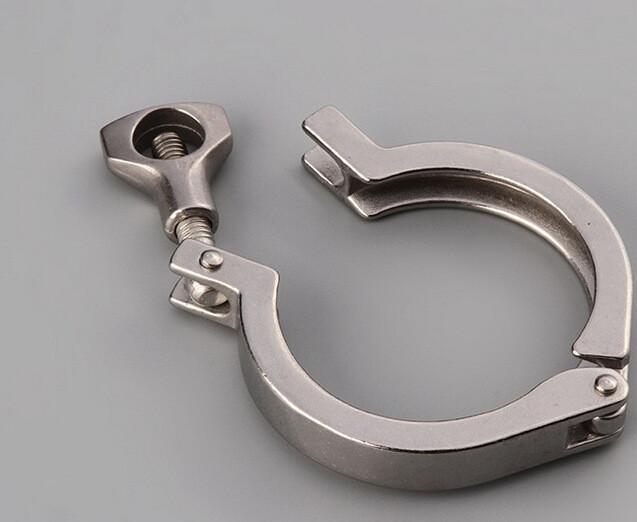
A customer needed to customize a set of precision reflector cup assemblies for optical testing, which are used in the performance testing of automotive lighting systems. These parts need to have both optical functionality and aesthetics, with extremely high requirements for machining precision and surface quality.
Demand Analysis:
- The parts are aluminum reflectors, requiring the realization of complex optical details.
- The machining precision requirement is ±0.05mm, and the surface roughness requirement is Ra0.05μm.
- 7075 aerospace aluminum is selected as the material, which needs to undergo mirror polishing treatment.
- The delivery time is urgent, requiring completion within 12 working days.
Machining Difficulties:
- The optical surface is composed of multiple small optical surfaces, requiring precise machining.
- The machining of fine-tooth shaped optical details is difficult.
- The surface needs to achieve mirror finish, requiring high standards for manual polishing.
- The dimensional precision requirement is strict, and large fillets are not allowed.
Solutions:
- Use a 5-axis high-speed machining center for high-precision machining.
- Adopt a multi-stage machining process: rough machining – semi-finish machining – finish machining – fine machining.
- Use ball-end tools with a diameter of less than 5mm, and use tools with a radius of 0.15mm for the final finish machining.
- Conduct manual polishing treatment to ensure that the optical details are not damaged.
- Perform 3D scanning and roughness measurement to ensure quality meets standards.
Delivery Status:
- Successfully completed the machining of 6 reflector cups within 12 working days.
- The precision tolerance of all parts is controlled within 0.05mm.
- The surface roughness meets the requirement of Ra0.05μm.
- Completed the trial assembly verification to ensure good coordination with other components.
Customer Satisfaction:
- The customer is very satisfied with the product effect.
- The parts successfully passed the optical performance test.
- The professional services and quality control have been recognized by the customer.
- A long-term cooperative relationship has been established between the two parties.
10. Advantages of Online Customization of CNC Mechanical Parts
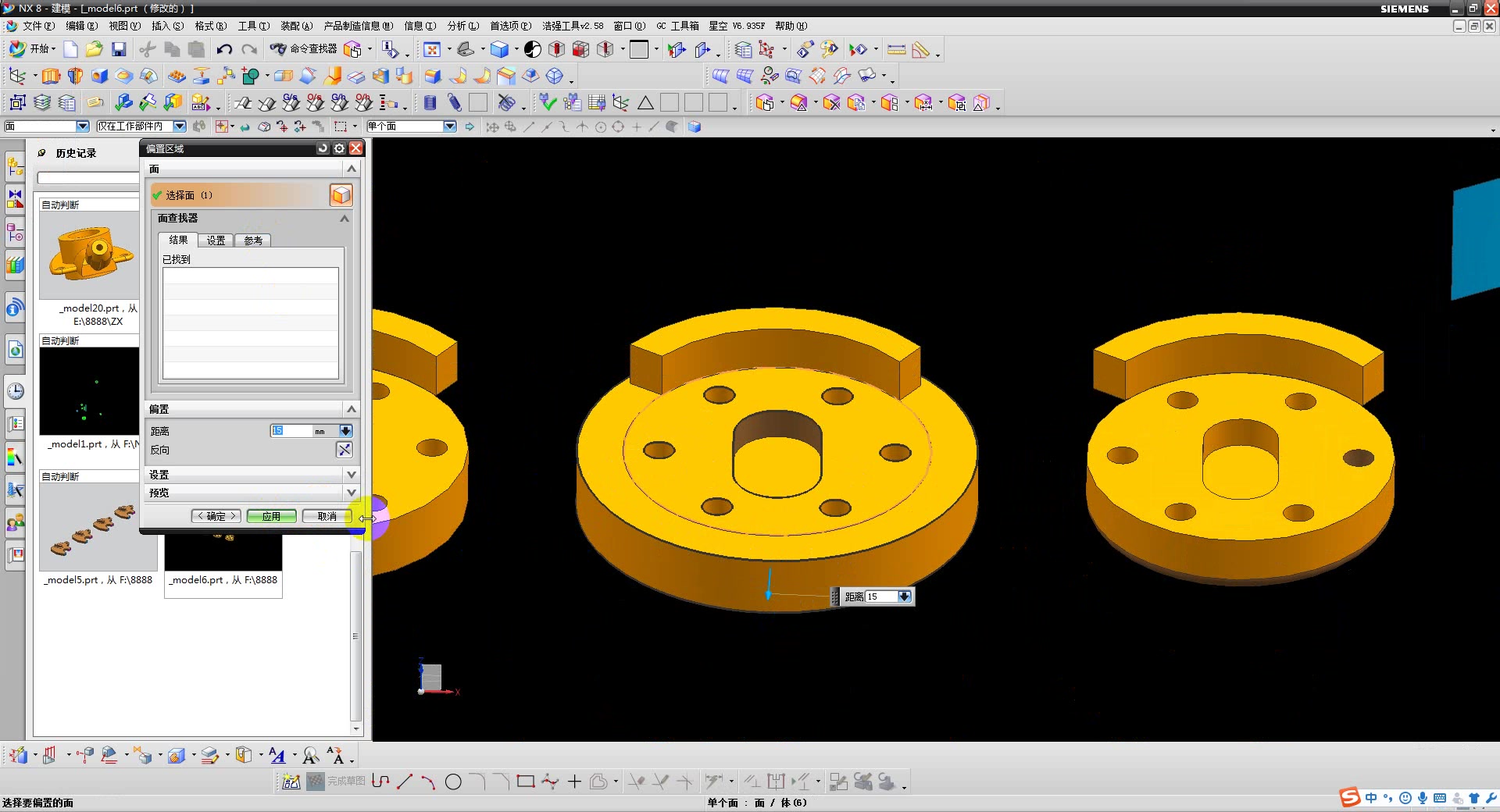
- Quick quotation: Upload drawings online to get the quotation and delivery time immediately.
- Global resources: Utilize the global manufacturing network to select the optimal machining plan.
- Transparent process: Track the order status in real time and understand the machining progress.
- Quality assurance: Standardized machining process ensures product quality.
- Flexible production: Support flexible production from small batches to large batches.
- Technical support: Professional engineers provide technical consultation and optimization suggestions.
- Cost reduction: Reduce intermediate links to lower procurement costs.
- Convenient delivery: National and global distribution, delivering goods to the door.
11. Online Customization Service of CNC Mechanical Parts on Xiamen Goldcattle
- Online instant quotation: Upload CAD drawings, and the system automatically calculates the price and delivery time.
- Professional engineer team: Experienced engineers provide technical support and process optimization.
- Advanced machining equipment: Equipped with 3-axis, 4-axis and 5-axis machining centers to meet different precision requirements.
- Strict quality control: ISO9001 quality management system ensures stable product quality.
- Rich material selection: Support the machining of multiple materials such as aluminum alloy, stainless steel and titanium alloy.
- Fast delivery service: Delivery of standard parts within 1-3 days, and delivery of complex parts within 5-15 days.
- Full-process tracking service: Real-time update of order status, and machining progress can be checked at any time.
- After-sales guarantee service: Free rework for quality problems, and provision of technical support and maintenance.
With the rise of Industry 4.0 and intelligent manufacturing, online CNC mechanical parts customization has become a trend. By integrating design, machining, inspection, and delivery on a digital platform, it offers customers a convenient, efficient, and transparent service. This model boosts production efficiency, cuts costs, and supports innovative design and rapid iteration.