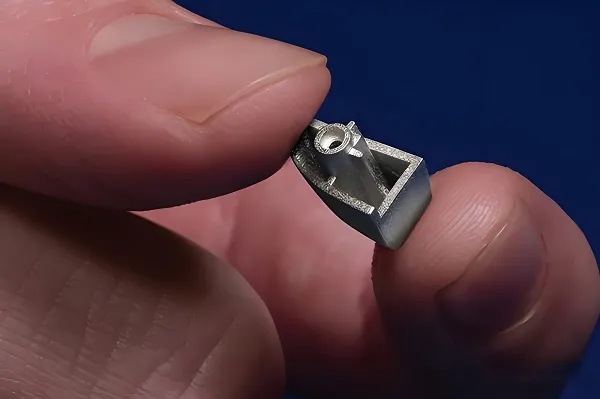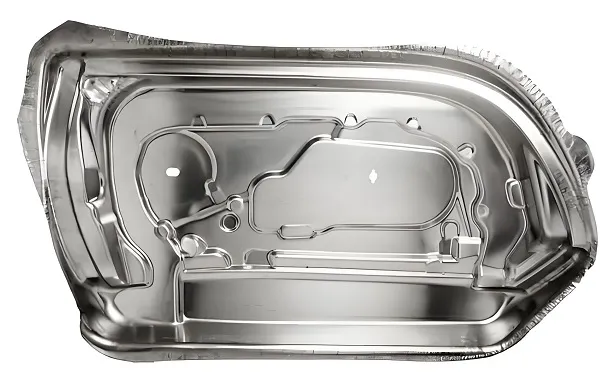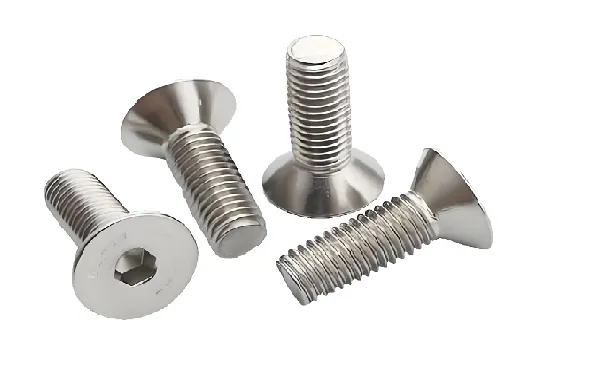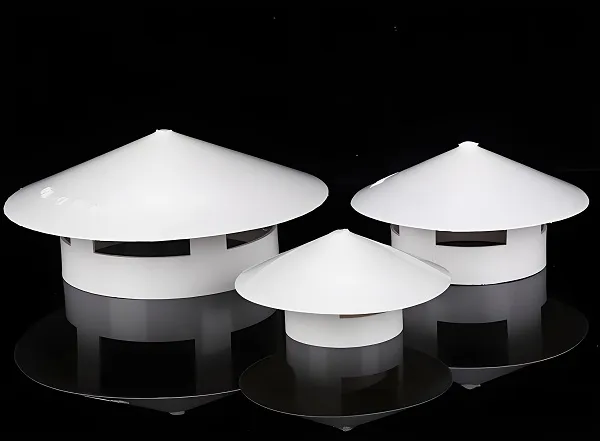
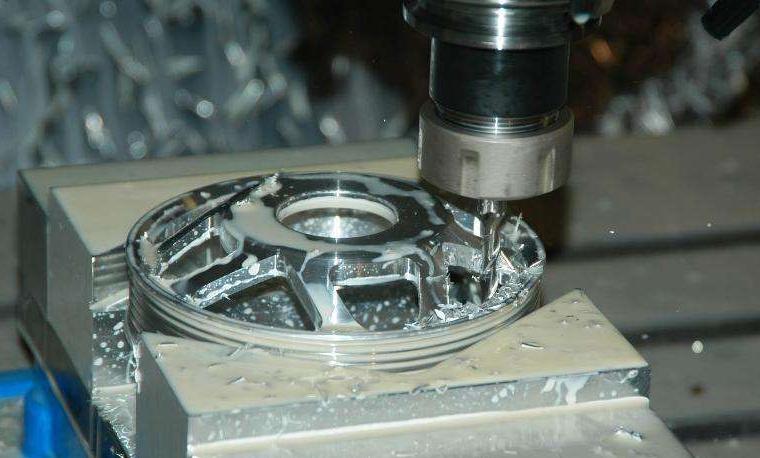
CNC anodized aluminum parts combine the precision of computer numerical control machining with the protective benefits of anodizing surface treatment. This powerful combination creates components that are lightweight, durable, corrosion-resistant, and aesthetically appealing. Widely used in aerospace, automotive, electronics, and consumer products, these parts offer exceptional performance in demanding applications.
FAQ Section: Common Questions Answered
What is anodizing and how does it work?
Anodizing is an electrochemical process that converts the surface of aluminum into a durable aluminum oxide finish. The aluminum part is immersed in an acid electrolyte solution and connected to an electric current, creating a protective oxide layer that is integrated into the metal itself rather than just applied to the surface.
What are the key benefits of anodized aluminum?
- Enhanced Durability: Anodized finish is the second hardest substance known to man (exceeded only by diamond)
- Corrosion Resistance: Provides excellent protection against environmental factors
- UV Stability: Maintains color and performance even with prolonged sun exposure
- Aesthetic Appeal: Offers a wide range of color options and finishes
- Electrical Insulation: The oxide layer is non-conductive
- Easy Maintenance: Simple to clean and maintain its original appearance
Which aluminum alloys are best for anodizing?
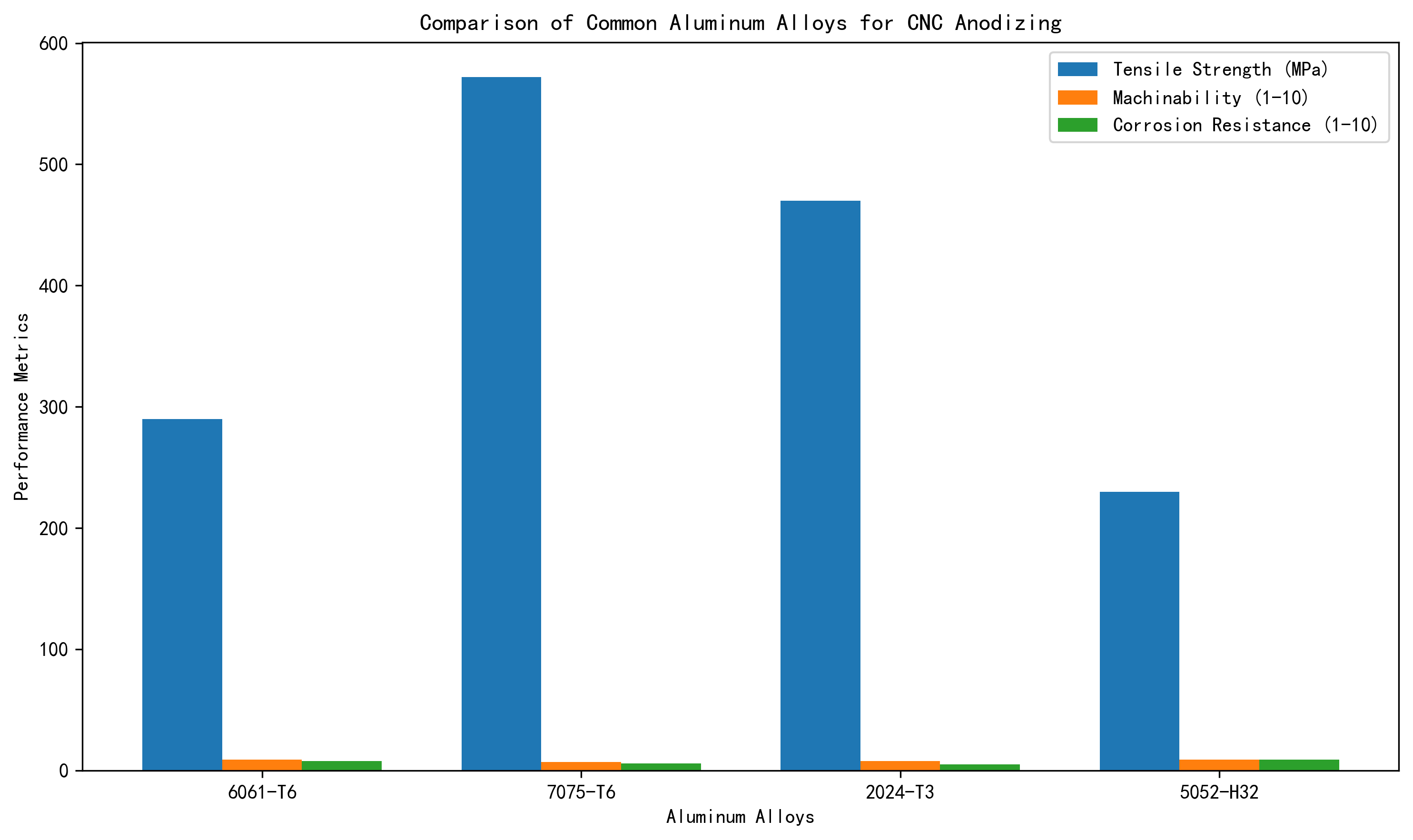
The most commonly used alloys include:
- 6061-T6: Excellent all-around performer with good strength and corrosion resistance
- 7075-T6: High-strength alloy ideal for aerospace applications
- 2024-T3: Strong and fatigue-resistant, commonly used in aircraft structures
- 5052-H32: Superior corrosion resistance, perfect for marine environments
How long does the anodizing process take?
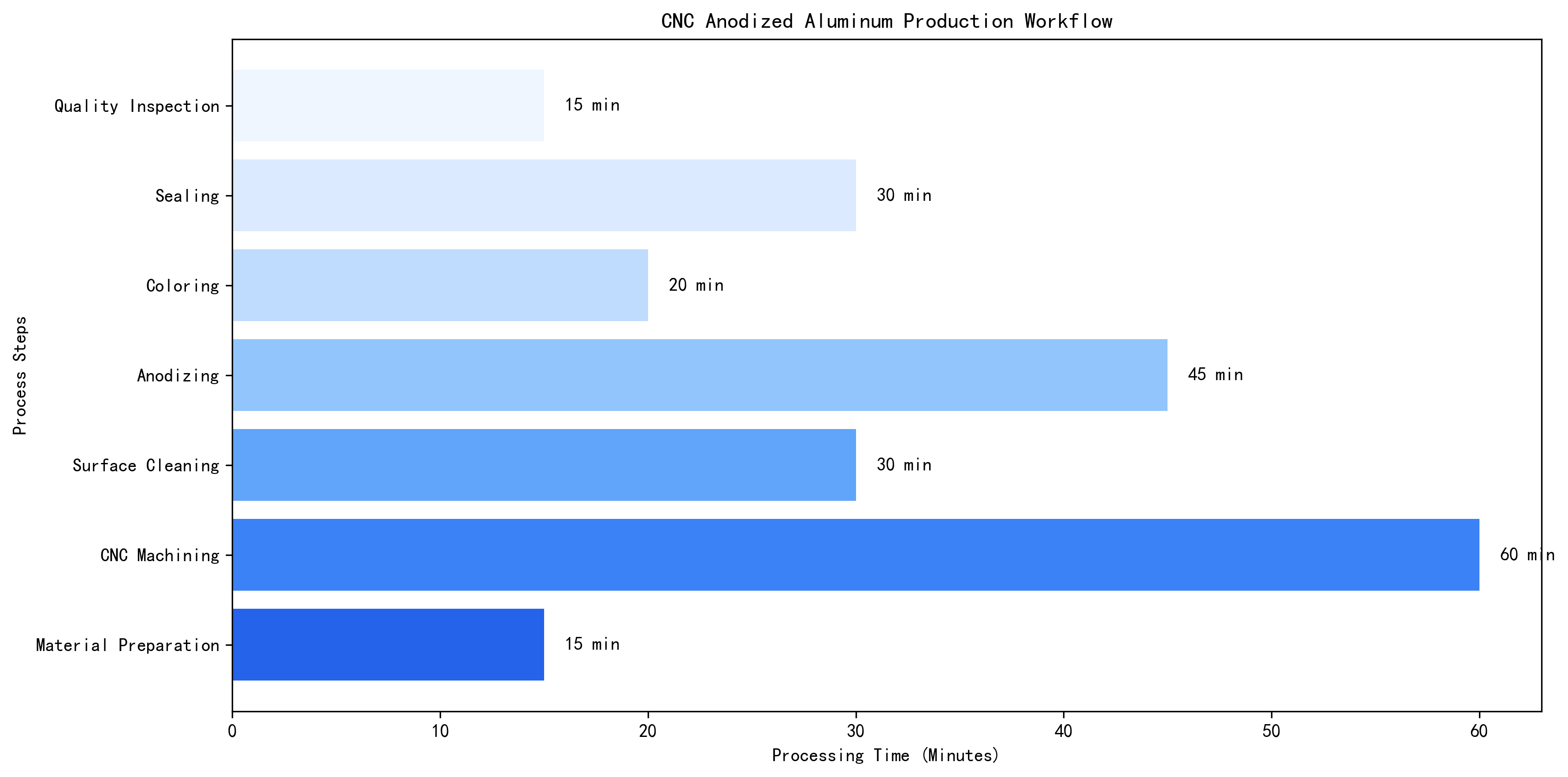
The complete process typically takes 3-4 hours, including:
- Surface preparation: 30-60 minutes
- Anodizing process: 30-60 minutes
- Coloring (if required): 15-30 minutes
- Sealing: 20-30 minutes
- Quality inspection: 15-20 minutes
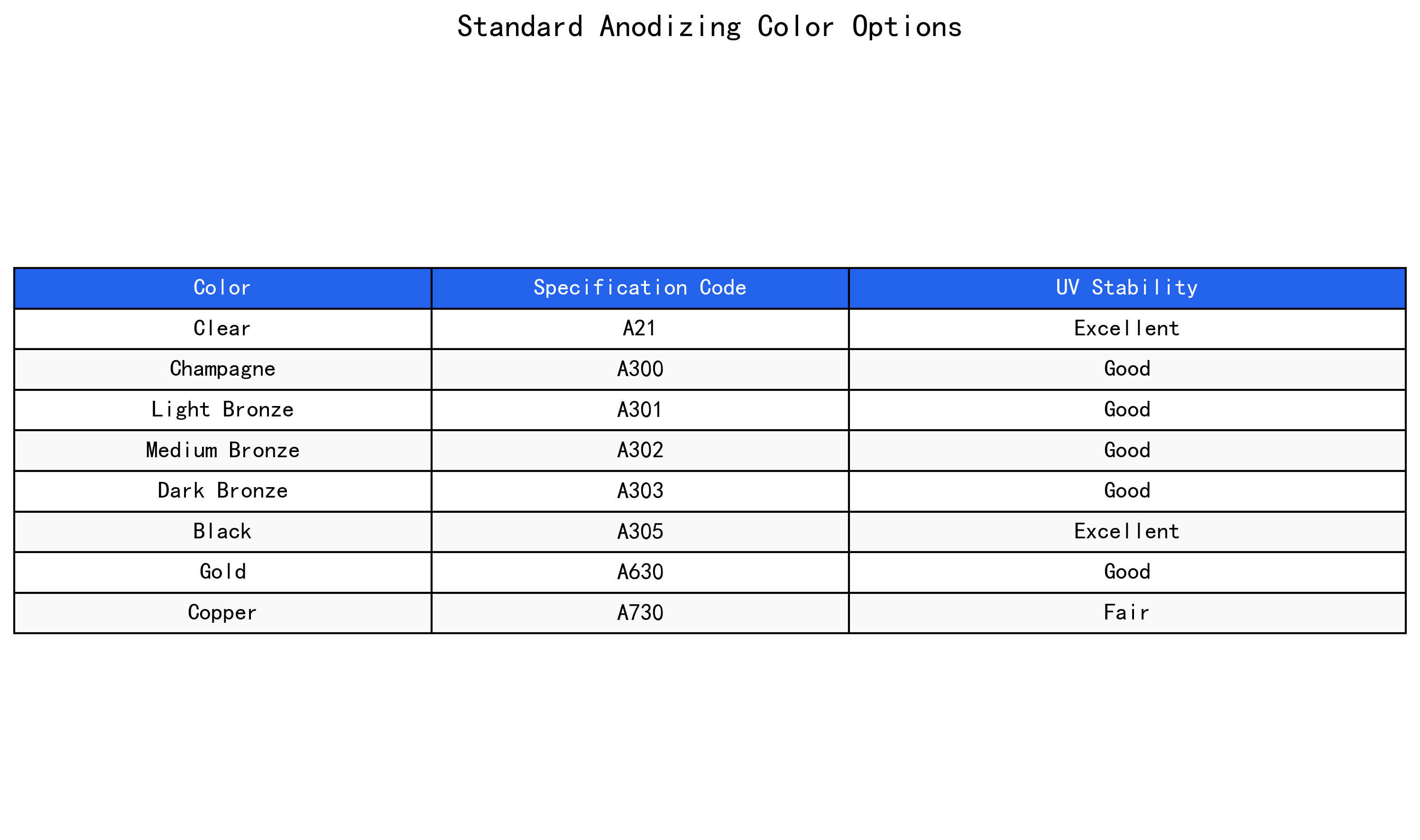
What color options are available?
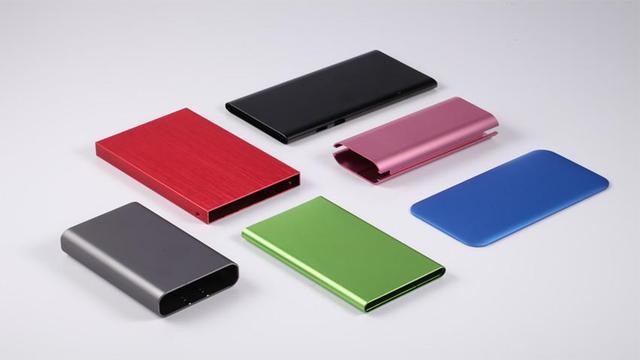
Anodizing offers a wide spectrum of colors through organic and inorganic dyeing processes.
Practical Guide: Step-by-Step Process
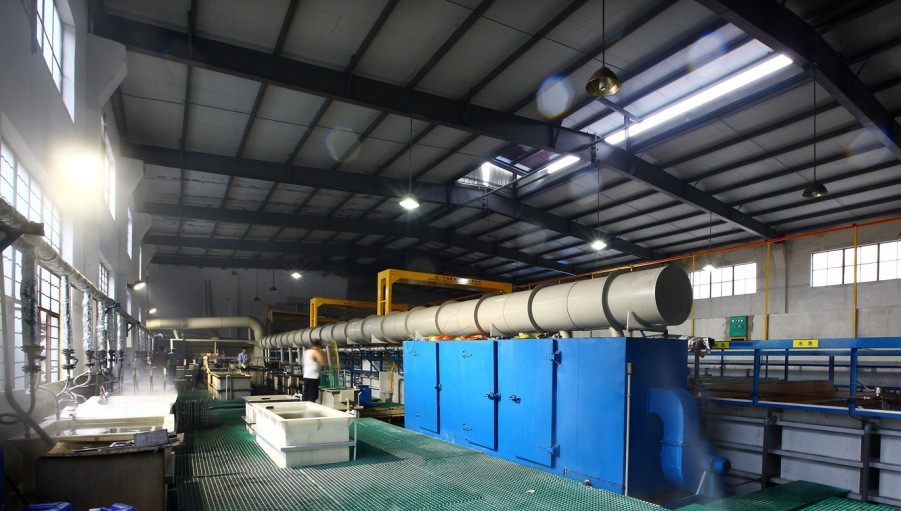
Step 1: Material Selection
Choose the appropriate aluminum alloy based on your application requirements. Consider factors like strength, corrosion resistance, machinability, and cost.
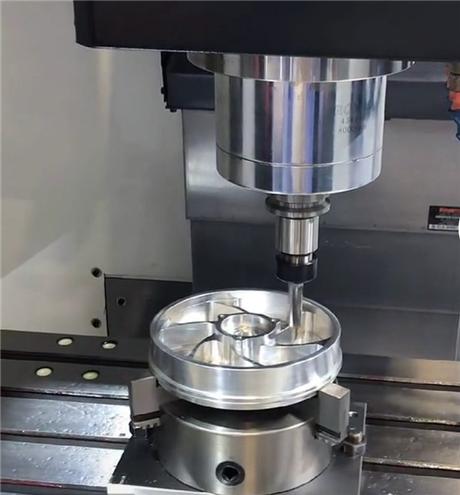
Step 2: CNC Machining
- Program the CNC machine with precise dimensions
- Use proper cutting tools and speeds for aluminum
- Maintain tight tolerances (typically ±0.02mm)
- Ensure smooth surface finish (Ra 0.8-1.6μm)
Step 3: Surface Preparation
- Degreasing: Remove oils and contaminants using alkaline solutions
- Etching: Create uniform surface texture
- Desmutting: Remove smut and impurities
- Rinsing: Thoroughly clean parts between processes
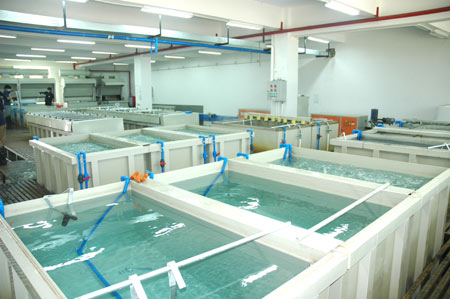
Step 4: Anodizing Process
- Electrolyte Solution: Sulfuric acid (15-20%) at 18-22°C
- Current Application: 1-2 A/dm² at 12-20V
- Processing Time: 30-60 minutes for standard coating
- Film Thickness: 10-20μm for decorative, up to 100μm for hard anodizing
Step 5: Coloring (Optional)
- Organic Dyes: Wide color range, cost-effective
- Inorganic Coloring: More durable, limited color options
- Two-Step Process: Color independent of coating thickness
Step 6: Sealing
- Hot Water Sealing: 95-100°C for 30 minutes
- Cold Nickel Sealing: Room temperature, ideal for dyed parts
- Mid-Temperature Sealing: 80°C, environmentally friendly and efficient
Step 7: Quality Control
- Film Thickness Measurement: Using eddy current instruments
- Corrosion Testing: 5% NaCl salt spray test for 48 hours
- Adhesion Testing: Cross-hatch and tape tests
- Color Consistency: ΔE < 1.0 using spectrophotometer
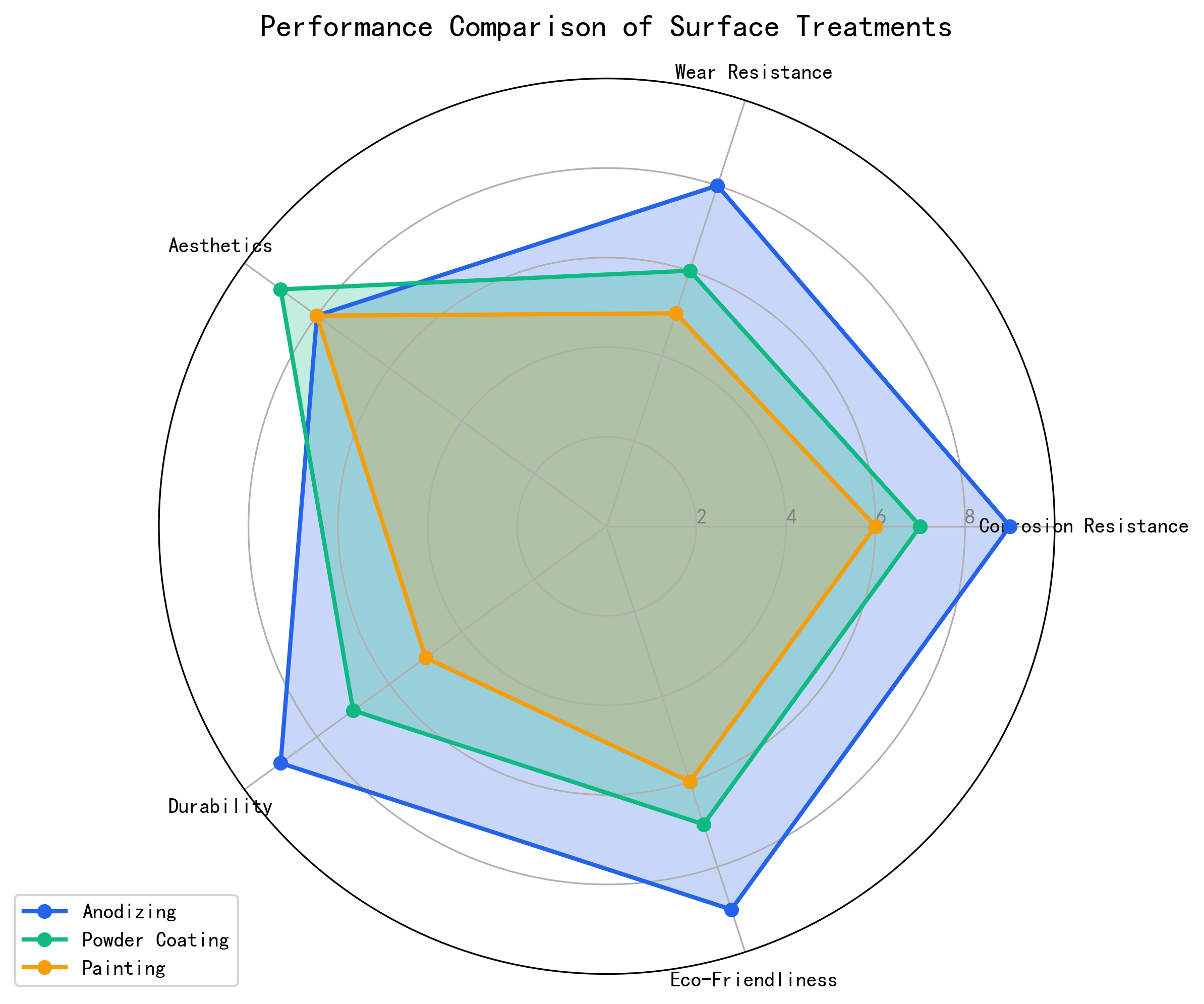
Service Comparison: Anodizing vs. Other Surface Treatments
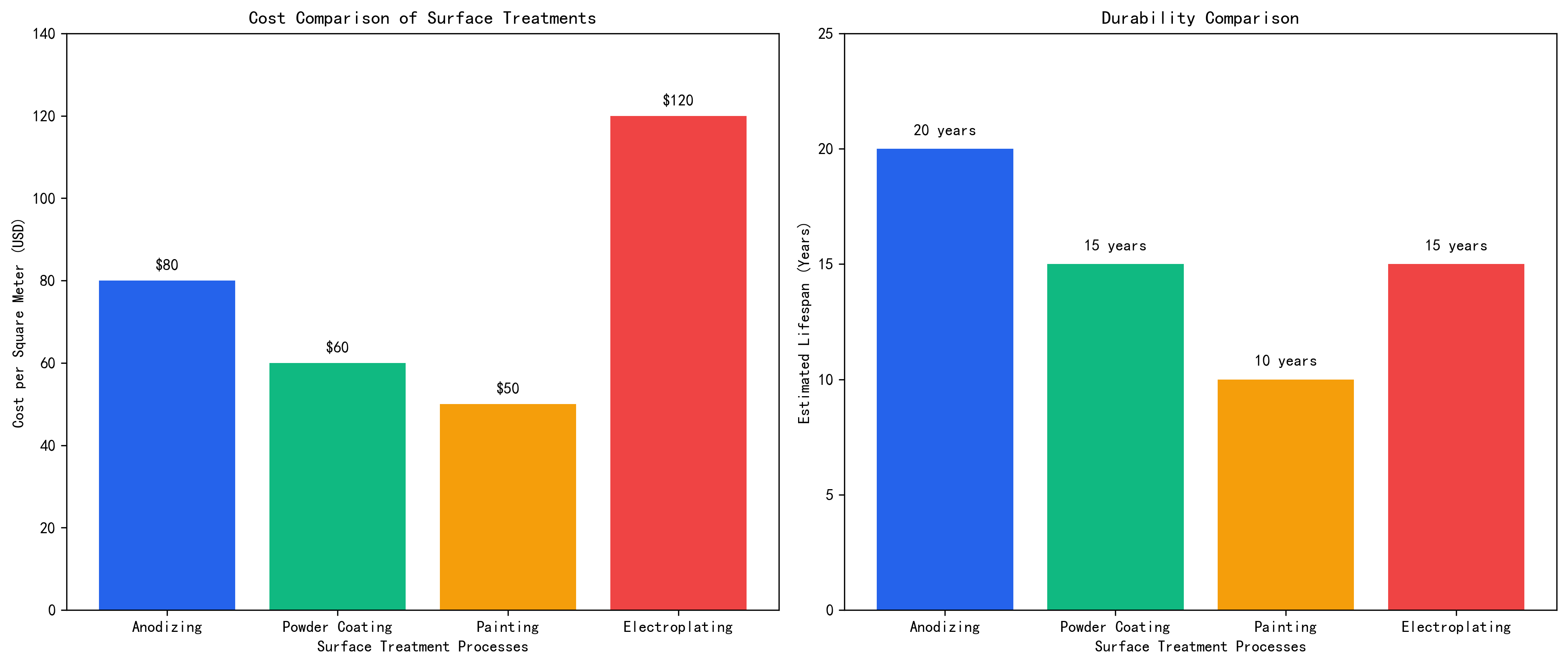
Cost Comparison
Performance Comparison
Key Differences
|
Feature
|
Anodizing
|
Powder Coating
|
Painting
|
|
Durability
|
Excellent (20+ years)
|
Good (15 years)
|
Fair (10 years)
|
|
Corrosion Resistance
|
Excellent
|
Good
|
Fair
|
|
UV Stability
|
Excellent
|
Good
|
Poor
|
|
Color Options
|
Limited
|
Extensive
|
Unlimited
|
|
Eco-Friendliness
|
Excellent
|
Good
|
Fair
|
|
Cost
|
Moderate
|
Low
|
Low
|
Conclusion
CNC anodized aluminum parts embody the fusion of precision machining and cutting-edge surface treatment. Mastery of the process, material selection, and performance traits empowers engineers to craft high-caliber products.
Anodizing delivers exceptional durability, corrosion resistance, and aesthetic flexibility, making it ideal for demanding applications. As industries seek lighter, stronger, and eco-friendly solutions, these parts will remain pivotal in modern manufacturing.
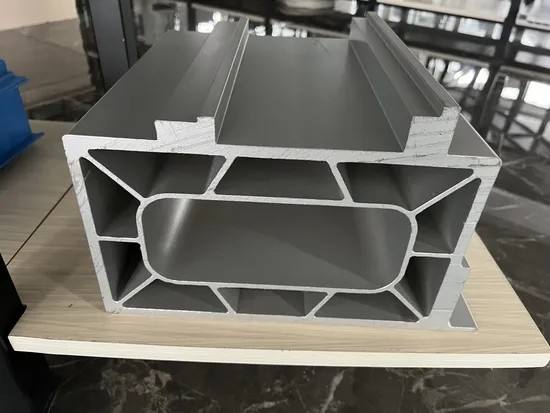
Key Takeaways:
- Choose the right aluminum alloy for your specific application requirements
- Follow proper surface preparation and anodizing parameters
- Consider the total lifecycle cost rather than just initial investment
- Partner with experienced manufacturers for consistent quality results
The future of CNC anodized aluminum parts looks promising, with ongoing advancements in process technology, color options, and environmental sustainability ensuring this manufacturing method remains relevant and innovative for years to come.