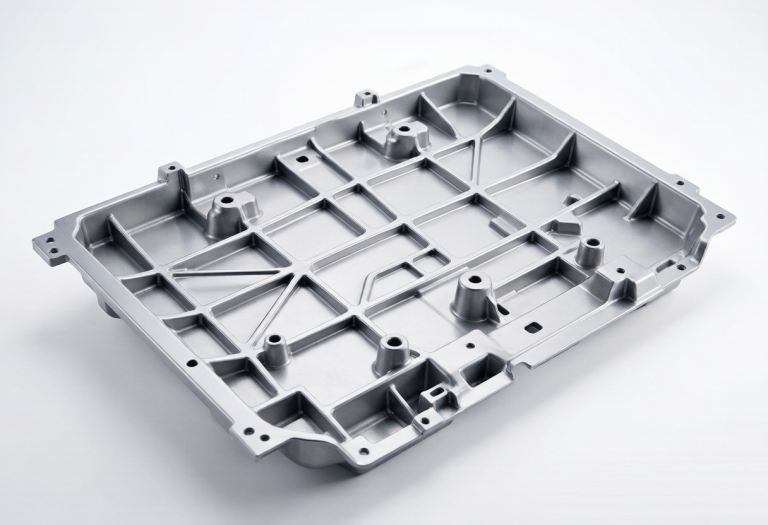
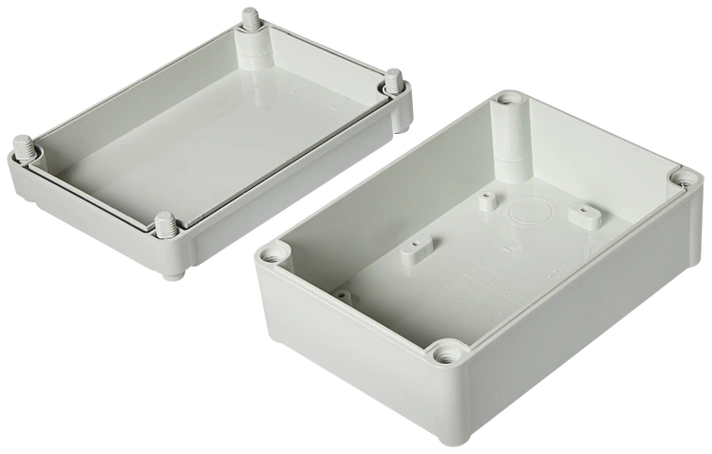
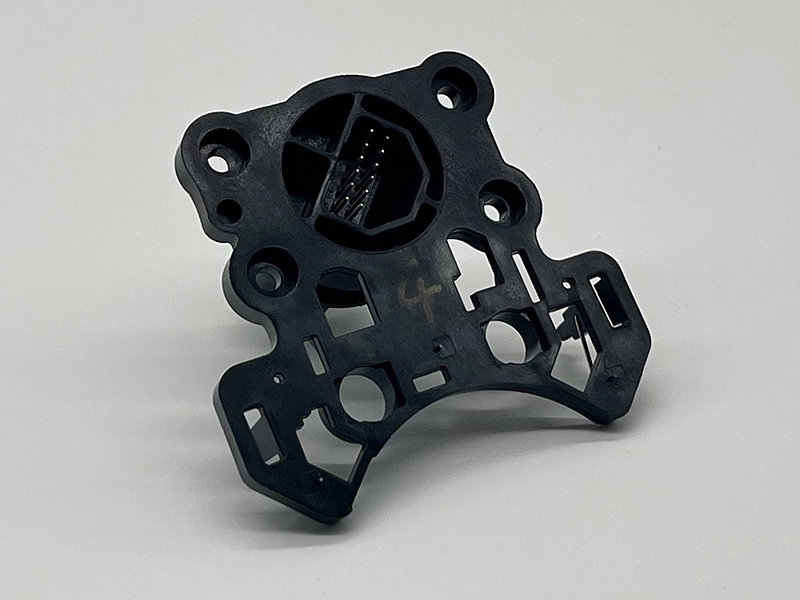
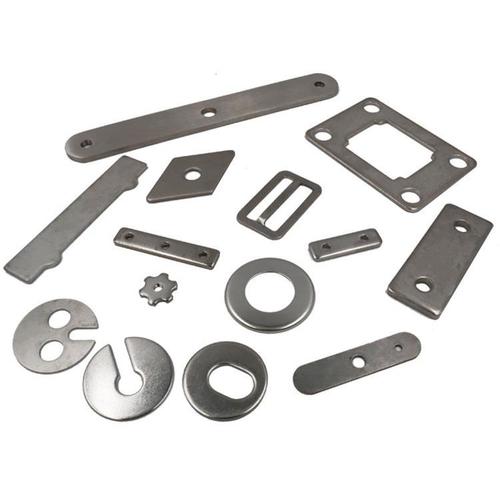
XiaMen Goldcattle specializes in custom ABS plastic part manufacturing. Backed by 26 years of precision manufacturing experience and ISO 9001:2000 certification, we provide high-impact, high-rigidity, and smooth-surface customized components for global clients in North America, Northern Europe, and beyond. Adhering to the principles of “Quality, Efficiency, Integrity, and Service,” we offer end-to-end services from material selection and structural optimization to mass production and global delivery, ensuring every ABS part meets stringent dimensional accuracy and performance requirements.
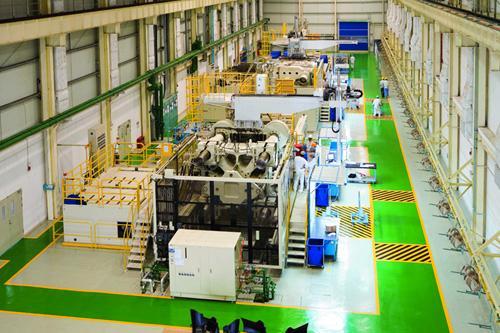
Core Manufacturing Technologies & Process Advantages
ABS (Acrylonitrile-Butadiene-Styrene copolymer) combines the rigidity of acrylonitrile, toughness of butadiene, and processability of styrene, making it one of the most widely used materials among general engineering plastics. We have optimized manufacturing processes based on ABS’s material characteristics, with the following core technical highlights:

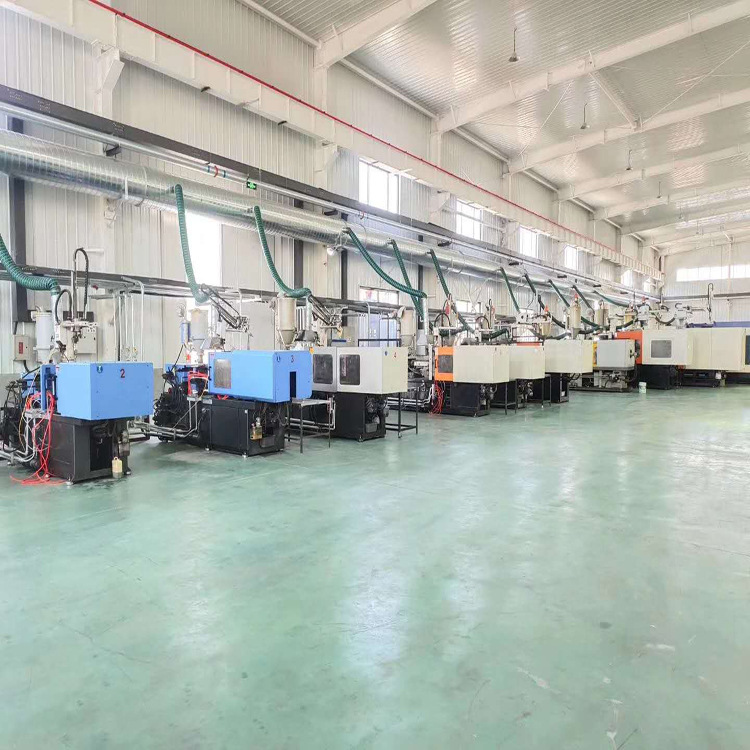
1. Precision ABS Injection Molding Technology
- Process Parameter Control: Molding temperature ranges from 180-240℃, mold temperature from 40-80℃. Melt Flow Rate (MFR: 1.8-10g/10min) is adjusted according to ABS grades (e.g., ABS 757, ABS 8391) to ensure complete filling of complex structures.
- Key Technologies: High-speed injection molding (injection speed 50-150mm/s) reduces weld lines; graded holding pressure control (30-60MPa) minimizes shrinkage; dimensional tolerance reaches ±0.05-0.1mm.
- Application Scenarios: Mass production of complex structural parts such as automotive interior components, electronic enclosures, and medical device housings.
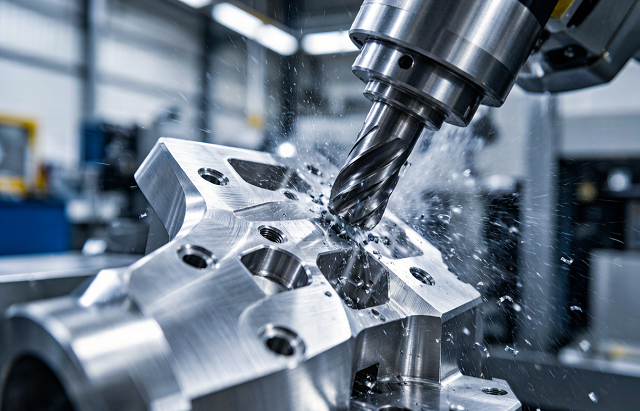
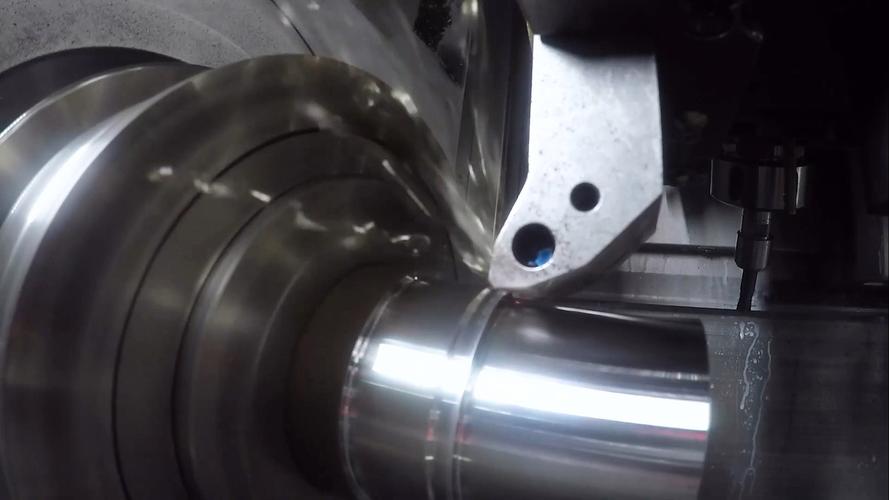
2. Precision ABS CNC Machining
- Equipment & Accuracy: 5-axis CNC machining centers with positioning accuracy of ±0.005mm, supporting milling, drilling, and turning of ABS sheets and rods.
- Technical Points: PCD tools are used to reduce material chipping; cutting speed is controlled at 150-250m/min; cutting parameters are optimized for flame-retardant ABS (e.g., ABS FR-1) to avoid flame retardant decomposition.
- Application Scenarios: Low-volume prototypes, high-precision mechanical structural parts, and customized assembly accessories.
3. ABS-Specific Post-Processing Technologies
- Surface Treatment Technologies:
-
- Texture processing (Mold-Tech standard textures) to enhance hand feel and appearance.
-
- Ultrasonic welding (welding frequency 20-40kHz, pressure 0.2-0.5MPa) for seamless splicing of ABS parts.
-
- Electroplating/painting pre-treatment (degreasing, roughening processes) to ensure coating adhesion ≥4B grade (cross-cut test).
- Assembly Integration: Thermal insertion of threaded inserts (temperature 200-240℃, pressure 10-30N) with pull-out force ≥500N, meeting long-term service strength requirements.
Technical Parameters & Capability Comparison Table
|
Capability Type
|
Core Technical Indicators
|
Application Scenarios
|
|
Injection Molding
|
Tolerance ±0.05-0.1mm, Shrinkage Rate 0.4-0.8%
|
Mass-produced complex structural parts
|
|
CNC Machining
|
Tolerance ±0.001-0.01mm, Surface Roughness Ra≤0.8μm
|
High-precision prototypes, low-volume custom parts
|
|
Post-Processing
|
Coating Adhesion ≥4B, Welding Strength ≥20MPa
|
Appearance parts, structural assemblies
|
|
Material Adaptability
|
General ABS, Flame-Retardant ABS, Reinforced ABS
|
Electronics, automotive, medical and other industries
|
Standardized Customization Process (6-Step Efficient Delivery)
To ensure smooth project progress, we have established a standardized customization process with full transparency and traceability:
- Requirement Communication & Evaluation: Receive customer 3D drawings/samples, clarify dimensional tolerances, performance requirements (e.g., impact resistance, flame retardancy), batch needs, and delivery cycles; initially match materials and processes.
- DFM Design Optimization: Engineering team provides free DFM (Design for Manufacturability) analysis, optimizing part wall thickness, fillet radius, draft angle and other structural designs to avoid processing risks and reduce production costs.
- Material Selection & Prototyping: Select ABS grade based on requirements, produce 1-5 samples (3-5 working days), provide dimensional inspection reports and performance test data; proceed to the next step after sample approval.
- Mold Development/Process Programming: Mold opening for injection-molded parts (7-15 days), programming for CNC parts; synchronize mold/program progress throughout the process, allowing customers to check at any time.
- Mass Production & Quality Inspection: Mass produce according to approved sample standards; randomly inspect 3-5% of each batch for full-dimensional testing and performance sampling; immediately reject defective products.
- Packaging, Delivery & After-Sales Service: Independent packaging with anti-static bags/bubble wrap, ship via agreed logistics method; provide 1-year quality guarantee and 7×24-hour after-sales technical support.
Common Processing Issues & Professional Solutions
Targeting common pain points in ABS processing, we have accumulated mature solutions to ensure stable product quality:
|
Common Issues
|
Causes
|
Solutions
|
|
Surface Sink Marks/Depressions
|
Insufficient holding pressure, uneven wall thickness, low mold temperature
|
Optimize holding pressure curve (graded holding pressure 30-60MPa), unify wall thickness to 2-4mm, increase mold temperature to 60-80℃
|
|
Obvious Weld Lines & Insufficient Strength
|
Low melt temperature, slow injection speed, unreasonable gate location
|
Increase melt temperature to 220-240℃, adopt high-speed injection (≥80mm/s), optimize gate quantity and location
|
|
CNC Machining Chipping & Burrs
|
Insufficient tool sharpness, improper cutting speed
|
Use PCD special tools, adjust cutting speed to 180-220m/min, add climb milling process
|
|
Coating Peeling & Poor Adhesion
|
Unclean surface oil, inadequate pre-treatment
|
Adopt “degreasing → roughening → electrostatic dust removal” three-step pre-treatment; cure at constant temperature after painting (60℃/2h)
|
|
Dimensional Deviation Beyond Tolerance
|
Mold wear, fluctuating molding parameters, uneven material shrinkage
|
Regularly calibrate molds and processing equipment, adopt closed-loop control of molding parameters, select high-flow ABS grades to reduce shrinkage fluctuation
|
Material Selection & Industry Applications
Common ABS Material Specifications
|
Material Type
|
Key Performance Parameters
|
Typical Applications
|
|
General ABS
|
Impact Strength ≥25kJ/m², Tensile Strength ≥40MPa
|
Home appliance housings, toys, daily necessities
|
|
Flame-Retardant ABS
|
UL94 V0 Grade, Flame Retardancy Efficiency ≥90%
|
Electronic device housings, power adapters
|
|
Reinforced ABS
|
Glass Fiber Content 10-30%, Flexural Strength ≥60MPa
|
Automotive structural parts, mechanical brackets
|
|
High-Gloss ABS
|
Surface Glossiness ≥90 (60° angle)
|
Consumer electronics housings, beauty equipment accessories
|
Core Service Industries
- Automotive Industry: Dashboard components, door trim, air vents (temperature resistance -30~80℃, impact resistance meets automotive industry standards)
- Consumer Electronics: Mobile phone/computer housings, router casings, printer accessories (high gloss, good dimensional stability)
- Medical Equipment: Diagnostic instrument housings, infusion pump accessories (compliant with FDA 21 CFR Part 177 standards, odorless)
- Home Appliances & Hardware: Washing machine control panels, refrigerator drawers, small appliance housings (weather-resistant, easy to clean)
Goldcattle Service Advantages
- Technical Support: Provide DFM analysis, optimize ABS part wall thickness (recommended 2-4mm) and fillet radius (R≥0.5mm) design to avoid sink marks and stress concentration.
- Quality Control: Adopt CMM (Coordinate Measuring Machine), colorimeter and other equipment for full-process quality inspection; control defect rate at PPM≤50.
- Delivery Efficiency: Mold development cycle 7-15 days, mass production cycle 12-15 days; support flexible shipping terms such as FOB, CIF.
- Problem Prevention: Predict processing risks in advance, provide targeted solutions to reduce rework and delivery delays.
Cooperation Invitation
Whether you need mass-produced injection-molded ABS parts, high-precision CNC custom parts, or special-performance ABS solutions, XiaMen Goldcattle can meet your needs with professional technology and rich experience.
Contact Us
- Official Website: https://www.xmgoldcattle.com/
- Address: Xiamen, Fujian Province, China
- Port: Xiamen Port (FOB Xiamen)
“Quality, Efficiency, Integrity, Service” — We are committed to providing you with excellent custom ABS plastic part solutions.