Technological Origins: From Tradition to Innovation
Injection molding and 3D printing represent two distinct paradigms in manufacturing technology. Injection molding, with its roots dating back to the 1930s, revolutionized mass production by enabling the creation of identical plastic parts at scale. In contrast, 3D printing emerged in the 1980s as an additive manufacturing process, offering unprecedented design freedom and customization capabilities.
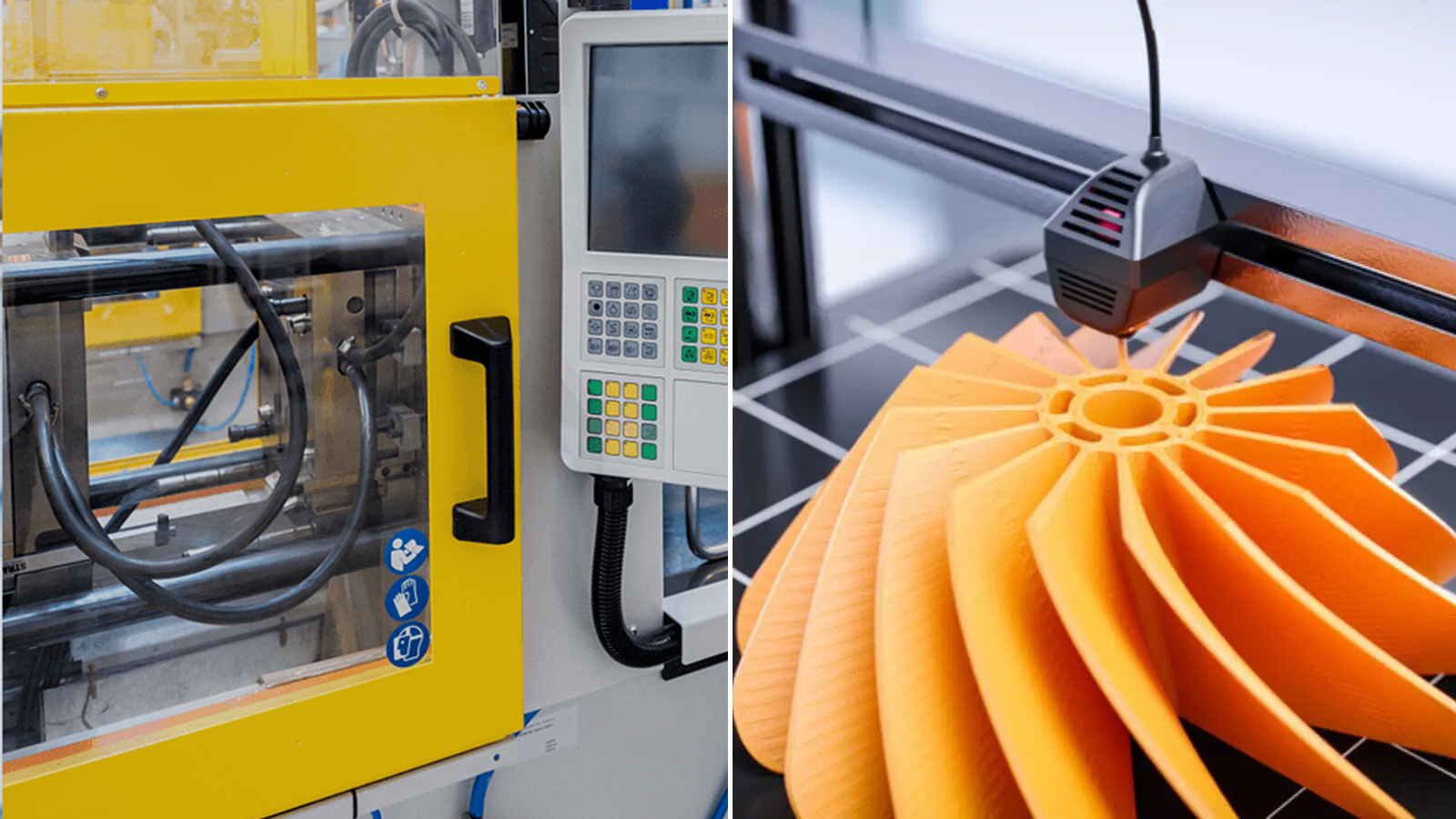
Today, these two technologies coexist and complement each other in modern manufacturing. While injection molding excels in high-volume production, 3D printing has transformed prototyping and small-batch manufacturing.
I. Plastic Part Manufacturing: Injection Molding or 3D Printing?
When deciding between injection molding and 3D printing for plastic parts, several key factors come into play:
Production Volume Determines Direction
Injection Molding: The ideal choice for high-volume production (500+ units). The high initial investment in mold creation is offset by low per-unit costs at scale.
3D Printing: The optimal solution for small batches (1-100 units) or prototypes. No mold costs and quick turnaround make it perfect for design validation.
Design Maturity Considerations
If your design is finalized and stable, injection molding offers superior cost efficiency for production runs. For evolving designs requiring frequent iterations, 3D printing provides unmatched flexibility.
II. Customization Process Differences
Injection Molding Customization Process
- Design & Engineering – CAD modeling and mold design
- Mold Fabrication – CNC machining of metal molds
- Tooling Validation – Test runs and adjustments
- Production – Mass manufacturing
- Quality Control – Inspection and packaging
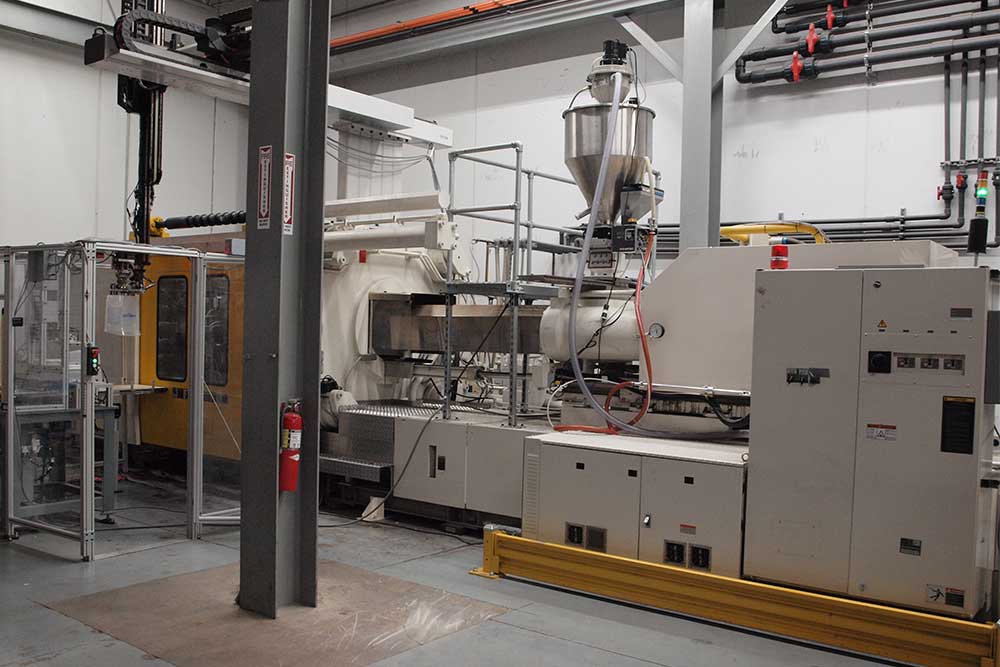
Lead Time: Typically 4-8 weeks for mold development
3D Printing Customization Process
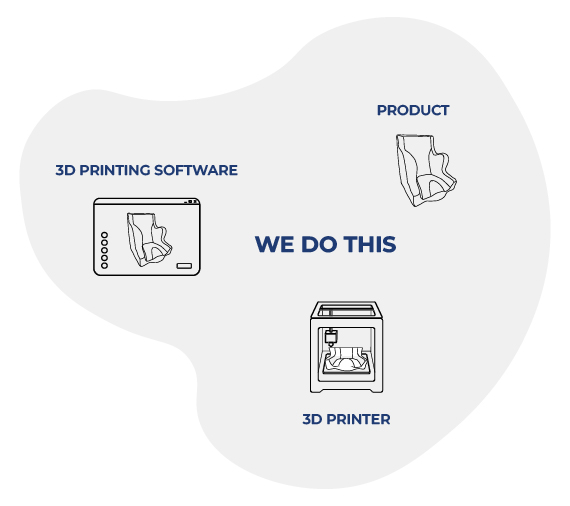
- Digital Design – 3D modeling (CAD)
- File Preparation – Slicing and parameter setting
- Printing – Layer-by-layer fabrication
- Post-Processing – Support removal and finishing
- Quality Check – Inspection and verification
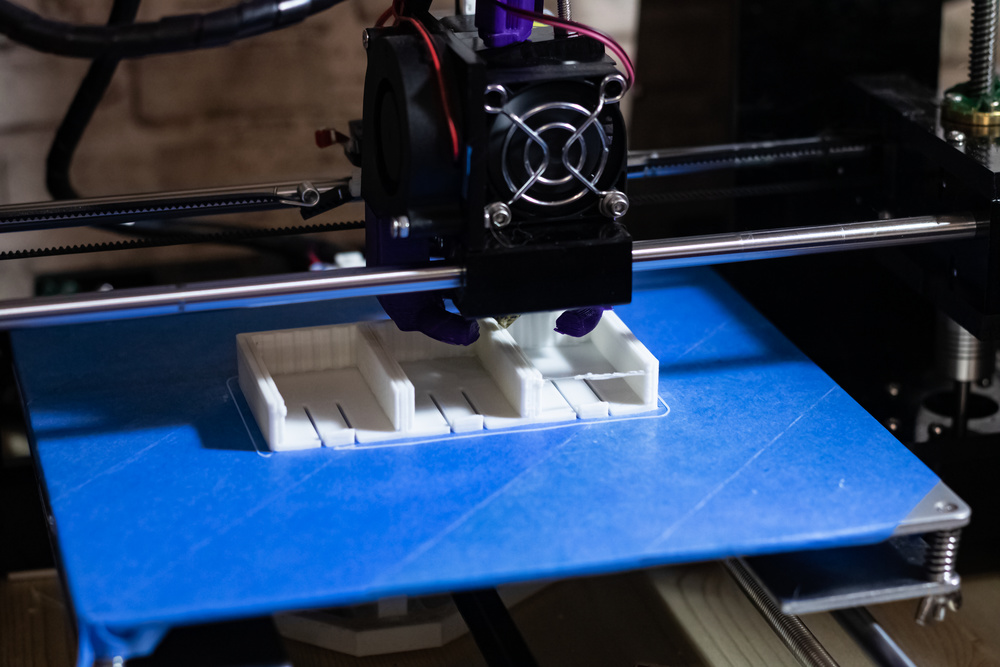
Lead Time: As fast as 24-48 hours for simple parts
III. Material Differences
Injection Molding Materials
- Thermoplastics: ABS, PP, PE, PC, PA, POM
- Thermosets: Epoxies, phenolics
- Elastomers: TPU, silicone
- Composites: Glass-filled materials
Advantages:
- Wide material selection
- Consistent material properties
- Higher density and strength
3D Printing Materials
- FDM Materials: PLA, ABS, PETG, TPU
- SLA/DLP Resins: Photopolymers, castable resins
- SLS Materials: Nylon, polyamides
- Specialty Materials: Carbon fiber composites, metal powders
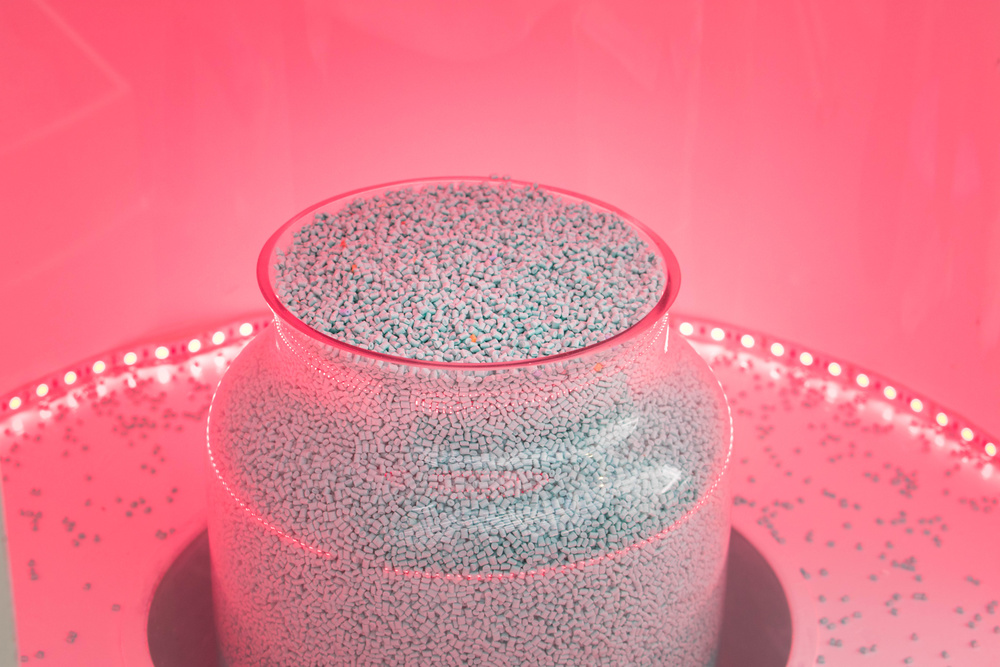
Advantages:
- Rapid material changeover
- Support for functional prototypes
- Unique material combinations
IV. Finished Product Differences
Injection Molded Product Characteristics
Strength & Durability:
- Homogeneous material structure
- Higher tensile strength
- Better impact resistance
Surface Quality:
- Smooth, consistent finish
- High dimensional accuracy
- Minimal post-processing needed
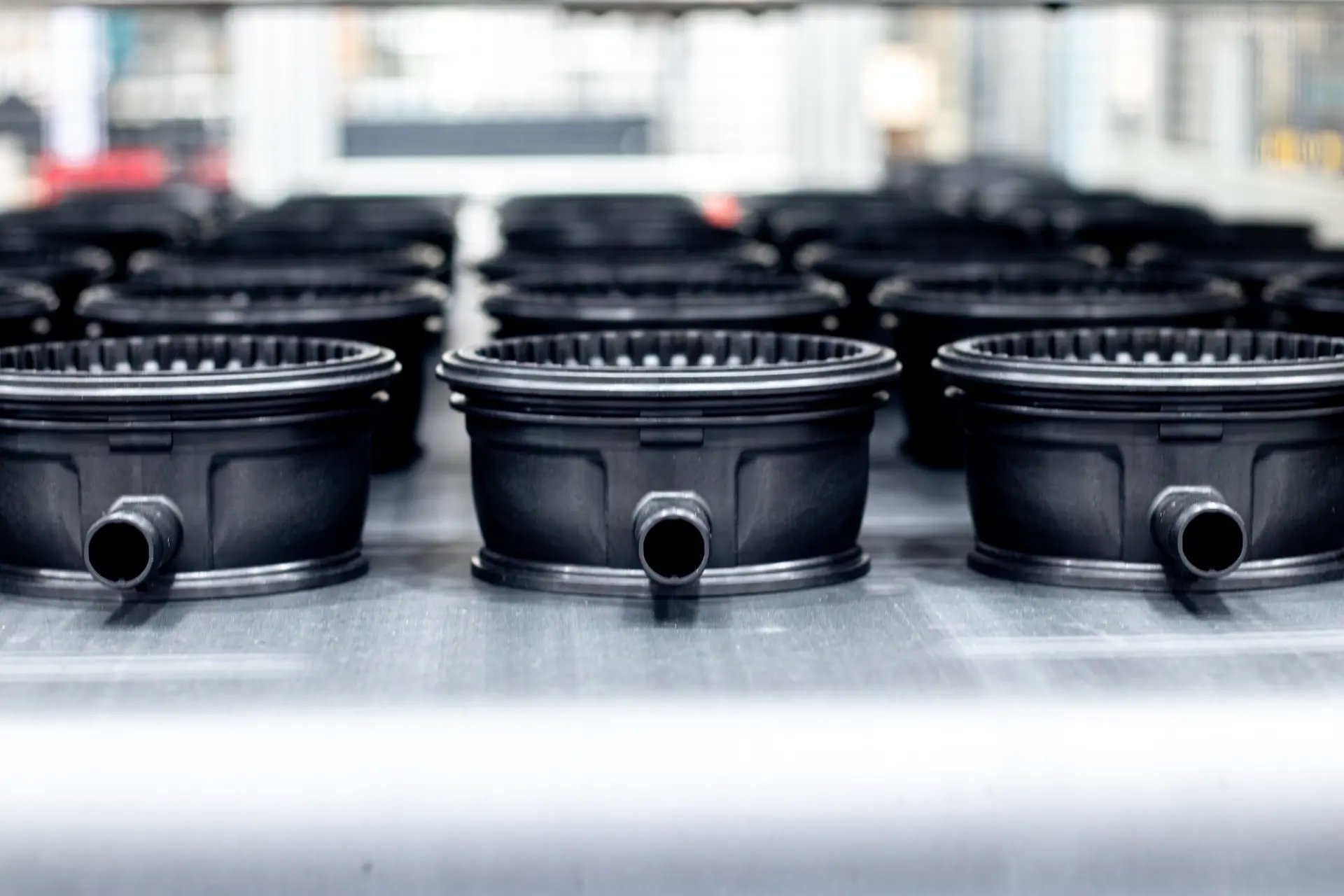
Consistency:
- Identical parts with tight tolerances
- Excellent repeatability
- Uniform material properties
3D Printed Product Characteristics
Design Complexity:
- Intricate geometries possible
- Internal channels and hollow structures
- Lattice and topology-optimized designs
Material Properties:
- Anisotropic strength (layer direction dependent)
- Potential for layer adhesion issues
- May require post-processing
Customization:
- Each part can be unique
- Variable properties within single part
- On-demand production capability
V. How to Choose the Right Manufacturing Process
Decision Matrix
|
Factor
|
Injection Molding
|
3D Printing
|
|
Volume
|
High (500+)
|
Low (1-100)
|
|
Lead Time
|
Longer
|
Shorter
|
|
Cost
|
Lower at scale
|
Lower for small batches
|
|
Design Flexibility
|
Limited
|
High
|
|
Material Options
|
Extensive
|
Growing
|
|
Part Strength
|
Higher
|
Good for prototypes
|
Recommended Selection Scenarios
Choose Injection Molding When:
- Production volume exceeds 500 units
- Design is finalized and stable
- Material strength and durability are critical
- Surface finish requirements are high
Choose 3D Printing When:
- Need rapid prototyping or small batches
- Design is still evolving
- Complex geometries are required
- Customization is essential
VI. Surface Finishing
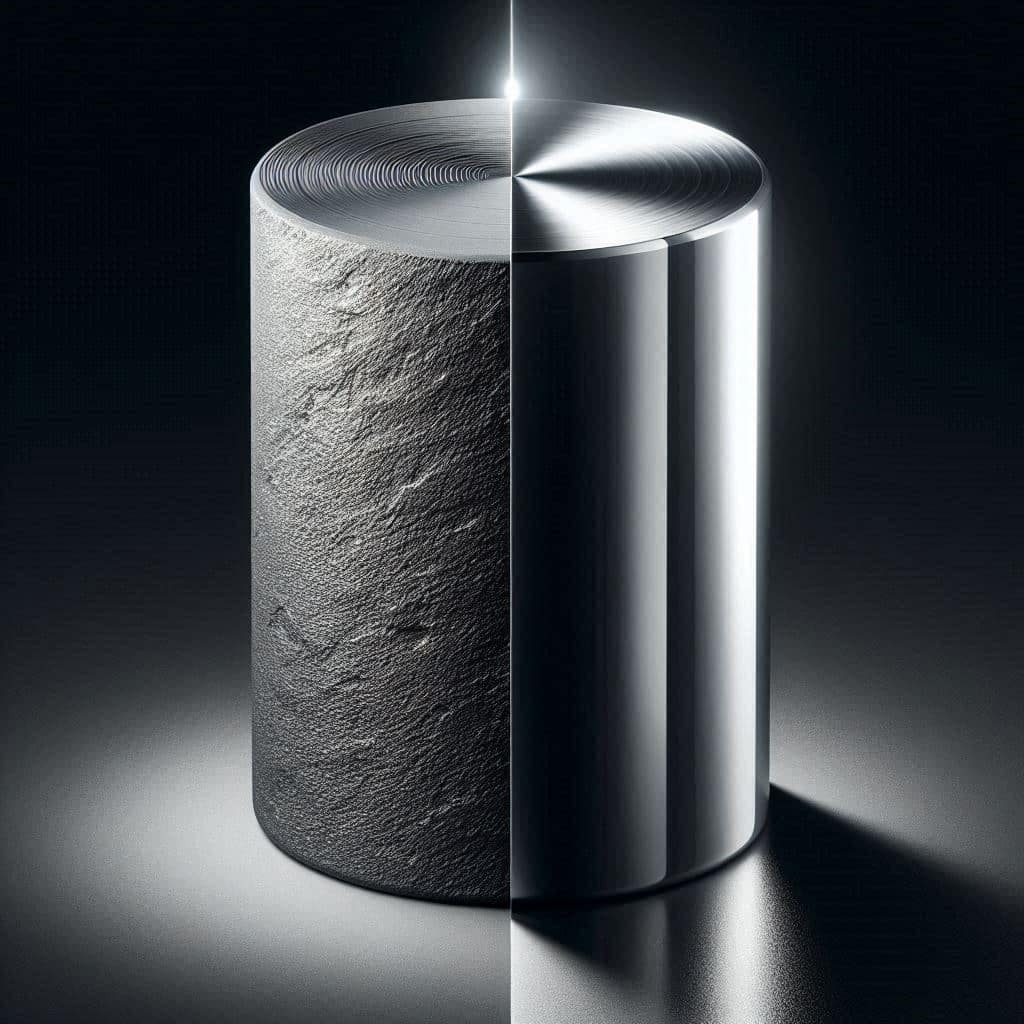
Injection Molding Surface Treatments
Standard Finishes:
- SPI-A1: Mirror polish
- SPI-B1: Semi-gloss
- SPI-C1: Matte finish
- Textured surfaces: Various patterns available
Secondary Processes:
- Painting and coating
- Pad printing
- Hot stamping
- Laser engraving
3D Printing Surface Treatments
Post-Processing Requirements:
- Support removal
- Sanding and polishing
- Chemical smoothing
- Priming and painting
Specialized Finishes:
- Vapor smoothing for SLS parts
- Acetone smoothing for ABS
- UV curing for resin parts
- Powder coating for metal parts
VII. Product Characteristics Comparison
Injection Molded Product Characteristics
Mechanical Properties:
- Higher tensile strength
- Better impact resistance
- Uniform material distribution
- Higher heat deflection temperature
Dimensional Accuracy:
- Tighter tolerances (±0.02mm)
- Better repeatability
- Minimal warping
Material Options:
- Wide range of engineering plastics
- Food-grade and medical-grade materials
- High-temperature resistant materials
3D Printed Product Characteristics
Design Freedom:
- Complex internal structures
- Overhangs without supports
- Variable density structures
- Multi-material capabilities
Functional Testing:
- Rapid design validation
- Fit and form testing
- Functional prototypes
- Concept visualization
Material Innovation:
- Composite materials
- Conductive filaments
- Biodegradable options
- Metal-infused materials
VIII. Processing Advantages
Injection Molding Advantages
Production Efficiency:
- High production speed
- Low labor requirements
- Minimal material waste
- 24/7 operation capability
Cost Effectiveness:
- Low per-unit cost at scale
- Long mold lifespan
- High material efficiency
- Reduced post-processing
Quality Control:
- Consistent part quality
- Automated inspection possible
- Traceability throughout production
- Process optimization opportunities
3D Printing Advantages
Rapid Prototyping:
- Instant design-to-part capability
- No tooling required
- Quick design iterations
- Early-stage validation
Customization:
- Mass customization possible
- Personalized products
- On-demand manufacturing
- Geographical flexibility
Innovation Enablement:
- Complex geometries
- Topology optimization
- Lightweight structures
- Product innovation acceleration
IX. Cost-Benefit Analysis
Injection Molding Cost Structure
Initial Investment:
- Mold design: (2,000-)10,000
- Mold fabrication: (5,000-)50,000
- Equipment setup: (1,000-)5,000
Per-Unit Costs:
- Material: (0.10-)2.00
- Labor: (0.05-)0.50
- Energy: (0.01-)0.10
- Tooling depreciation: (0.05-)0.50
Break-Even Analysis:
- Typically around 500-1,000 units
- Lower unit costs as volume increases
- Long-term cost savings for sustained production
3D Printing Cost Structure
Initial Investment:
- 3D printer: (1,000-)100,000
- Software: (500-)5,000
- Training: (1,000-)5,000
Per-Unit Costs:
- Material: (0.50-)50.00
- Labor: (0.50-)5.00
- Energy: (0.10-)1.00
- Post-processing: (0.50-)10.00
Cost Advantages:
- No mold costs
- Lower setup costs
- Minimal material waste
- Faster time-to-market
X. Common Processing Issues and Solutions
Injection Molding Common Issues
Warping and Shrinkage:
- Causes: Uneven cooling, material selection
- Solutions: Mold temperature control, material additives, part design optimization
Sink Marks and Voids:
- Causes: Insufficient packing pressure, gate location
- Solutions: Process parameter adjustment, gate redesign, material selection
Flash and Burrs:
- Causes: Mold parting line issues, clamping force
- Solutions: Mold maintenance, parameter optimization, secondary trimming
3D Printing Common Issues
Layer Adhesion Issues:
- Causes: Temperature settings, material quality
- Solutions: Print temperature adjustment, material drying, print speed optimization
Warping and Delamination:
- Causes: Bed adhesion, cooling rates
- Solutions: Heated bed, adhesion promoters, enclosure use
Support Structure Challenges:
- Causes: Overhang angles, part orientation
- Solutions: Support generation optimization, part reorientation, soluble supports
XI. Xiamen Goldcattle Custom Injection Molding Services
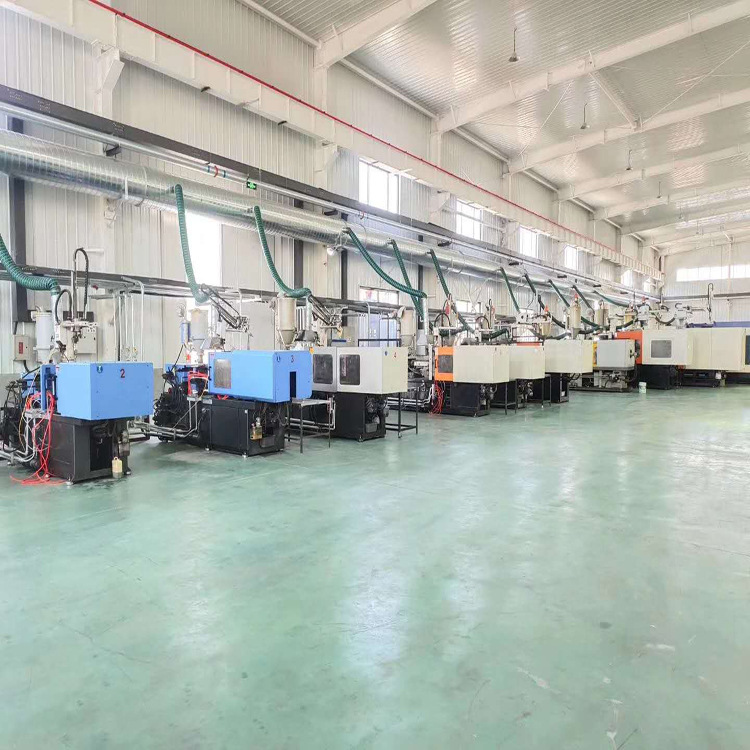
Xiamen Goldcattle offers comprehensive injection molding solutions with 26 years of manufacturing experience. As a national high-tech enterprise, we specialize in:
Core Service Offerings
Precision Injection Molding:
- High-precision plastic components
- Tight tolerance control (±0.005mm)
- Complex geometry manufacturing
- Multi-cavity mold design
One-Stop Solution:
- Product design and engineering
- Mold design and fabrication
- Injection molding production
- Assembly and finishing
Quality Assurance:
- International certifications (SGS, RoHS, CE)
- Advanced inspection equipment
- Strict quality control processes
- Reliable supply chain management
Technical Advantages
Advanced Equipment:
- 100+ processing machines
- Multi-axis CNC machining centers
- Automated production lines
- Robotic handling systems
Material Expertise:
- Wide range of engineering plastics
- Custom material formulation
- Color matching capabilities
- Material testing and validation
Industry Applications:
- Automotive components
- Electronic enclosures
- Medical devices
- Consumer products
XII. How to Choose the Right Manufacturing Solution for You
When deciding between injection molding and 3D printing, consider these key questions:
- What is your production volume? – Small batches favor 3D printing, large volumes favor injection molding
- How stable is your design? – Evolving designs benefit from 3D printing flexibility
- What are your material requirements? – Specialized materials may dictate the process
- What is your timeline? – Urgent projects often use 3D printing for speed
XIII. Call to Action: Contact Us for Professional Advice
Not sure which manufacturing process is right for your project? Our team of experts at Xiamen Goldcattle is ready to help you make the best decision.
Contact us today for:
- Free manufacturing consultation
- Cost estimation and analysis
- Design for manufacturability review
- Production timeline planning
Leave a Message:
Please leave a message below with your project requirements:
- Product type and application
- Expected production quantity
- Material requirements
- Delivery time requirements
Our engineers will provide you with a professional technical proposal and quotation within 24 hours!
Xiamen Goldcattle – 26 years of manufacturing excellence, your trusted partner for precision plastic components.