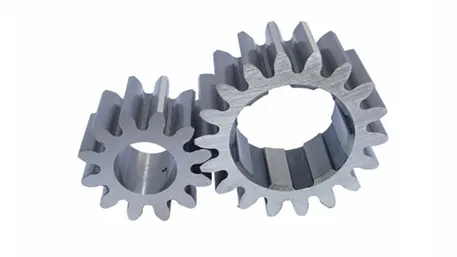
Why Brake Discs Matter for Your Safety?
Hello, I’m the Technical Director of Xiamen Gold Cattle. Today I want to share what we know about making custom brake discs for cars.
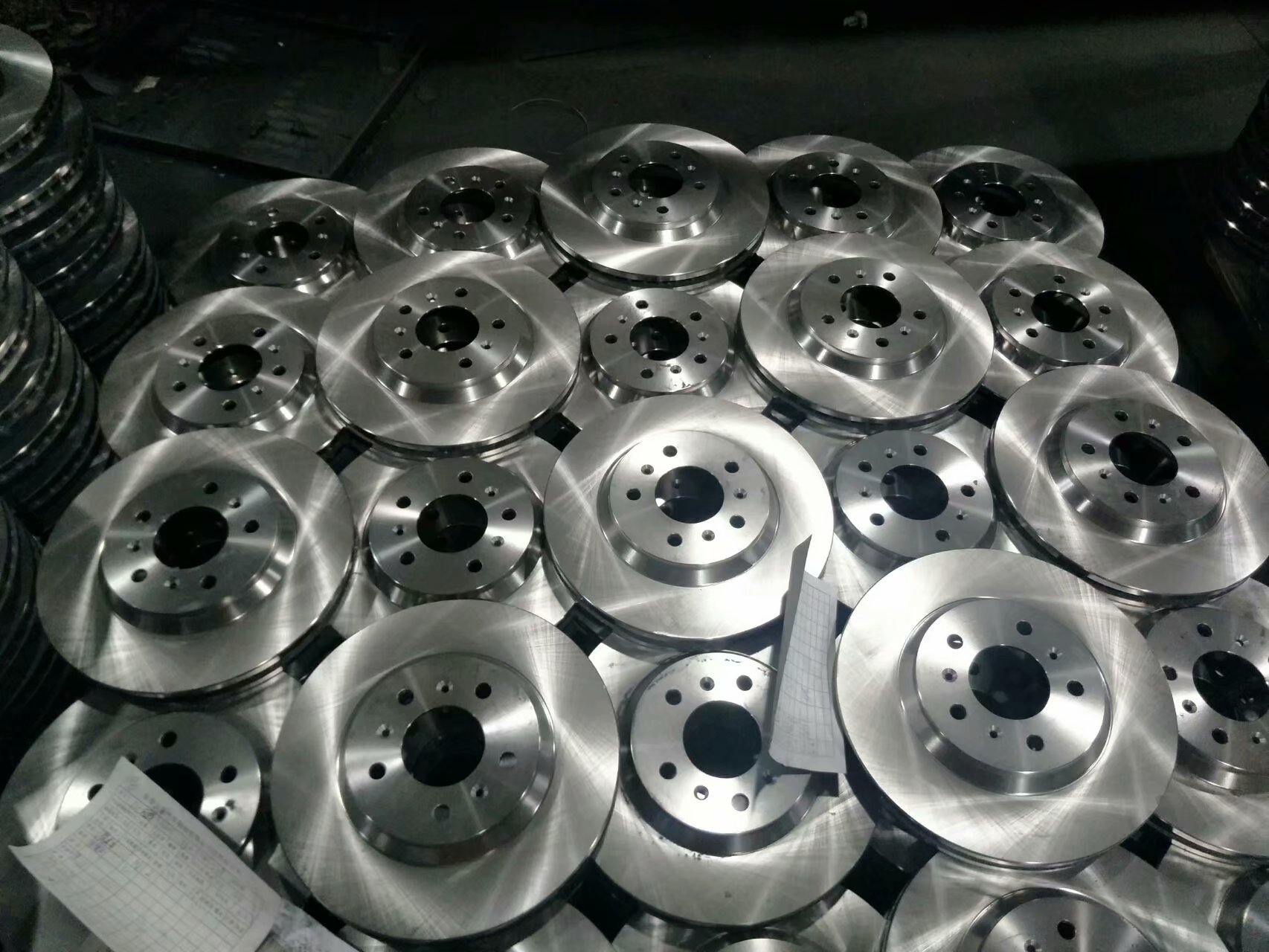
Brake discs are the most important part of your car’s brakes. They turn your car’s movement energy into heat when you stop.
With 26 years of work, we’ve grown from basic metal work to making top-quality brake discs that meet the strictest safety rules.
Market Trends: More Need for Better Brakes
Let me start with some industry facts:
- Global Market Size: The world market for car brake discs was (15.95 billion in 2024. It will grow to )23.62 billion by 2032, increasing by 5.4% each year.
- Regional Market: North America has the biggest market share at 44.13%. Asia Pacific is growing the fastest.
- Material Changes: Cast iron is still the most common material. But carbon-ceramic materials are becoming popular for high-performance cars.
- Safety Rules: Strict safety standards like ECE R90 and FMVSS 135 push us to make more precise brake discs.
These numbers show brake disc making is changing from simple metal work to high-tech manufacturing that needs advanced CNC machines.
Our Four Key Skills
1. Choosing the Right Materials
The quality of a brake disc starts with the right materials. We follow strict standards:
- Gray Cast Iron HT250/HT300: Carbon content 3.1-3.4%, Silicon 1.8-2.3%, Manganese 0.6-0.9%
- Ductile Iron: For big trucks, it can handle pulling force over 450MPa
- Aluminum Alloys: 6061-T6 for brake calipers, reduces weight by up to 40%
- Carbon-Ceramic Composites: For racing cars, can handle temperatures over 1000℃
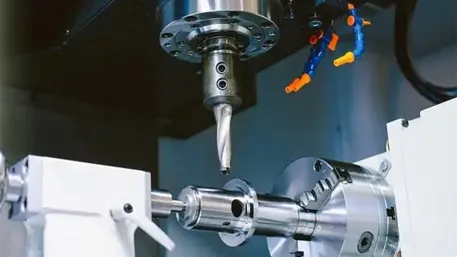
2. Precision CNC Machining
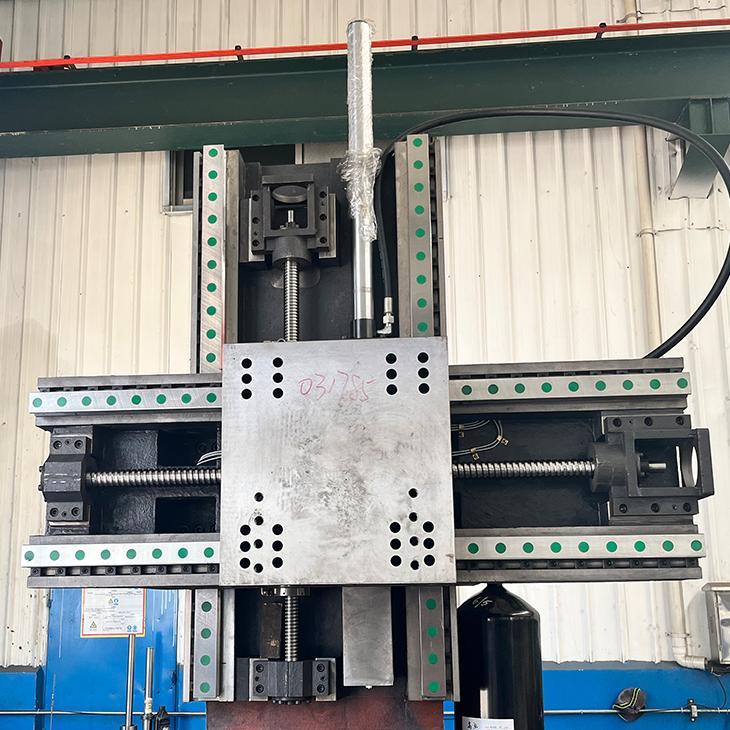
Our CNC machines are very accurate:
- CNC Vertical Lathes: Can position with ±0.005mm accuracy, repeat the same cut within ±0.002mm
- 5-Axis Machines: For complex designs and cooling patterns
- Grinding Technology: Makes surfaces very smooth (Ra ≤1.2μm), keeps surfaces flat (≤0.02mm/m)
- Laser Drilling: Makes cooling holes with ±0.03mm accuracy
3. Heat Treatment and Surface Work
Proper heat treatment is key for brake disc performance:
- Normalizing Process: Heat to 850-900℃, cool slowly to 600℃, then air cool
- Tempering: Heat to 550-600℃ for 3-4 hours, makes hardness 180-220HB
- Stress Relief: Heat to 200℃ for 4 hours, reduces stress to ≤12MPa
- Surface Coatings: Ceramic coatings for racing, thickness 50-80μm
4. Quality Control and Testing
We check every brake disc carefully:
- Size Checks: Thickness difference ≤0.01mm, wobble ≤0.05mm
- Strength Tests: Hardness 179-241HB, pulling strength ≥250MPa
- Heat Resistance: Test from 20-650℃ 100 times without cracking
- Balance Testing: For passenger cars, residual imbalance ≤15g·cm
How We Make Custom Brake Discs
Understanding Your Needs
- Check Your Vehicle: Look at what your car needs
- Recommend Materials: Suggest the best materials for your car
- Analyze Heat: Test how heat will spread
- Optimize Design: Improve cooling patterns and thickness
Design and Development
- 3D Modeling: Use CATIA/Creo to design with adjustable cooling patterns
- Computer Simulation: Test heat stress, long-term use, and vibration
- Program Tool Paths: Plan the best way to cut for minimal tool wear
- Make Prototypes: Test designs quickly
Production and Quality Check
- CNC Machining: Cut → Grind → Drill → Smooth edges
- Heat Treatment: Use controlled ovens with precise temperature control
- Surface Finishing: Add anti-rust coatings, UV protection
- 100% Inspection: Check with coordinate measuring machines, roundness testers, hardness testers
Our Quality System
International Certifications
- IATF 16949:2016: Quality system for the auto industry
- ISO 9001:2015: General quality management
- ECE R90: European brake part certification
- FMVSS 135: US Federal safety standard
Testing Capabilities
Our lab can test everything:
- Brake Testing: 100 stops to check fade and recovery
- Salt Spray Testing: 96-hour salt spray test
- Metal Structure Analysis: Check metal grain structure
- Vibration Testing: Prevent noise and vibration issues
Why Choose Our Custom Solutions
Performance Comparison
|
Performance
|
Industry Standard
|
Our Capability
|
Improvement
|
|
Thickness Accuracy
|
±0.03mm
|
±0.01mm
|
67% better
|
|
Surface Smoothness
|
Ra 1.6μm
|
Ra 1.2μm
|
25% smoother
|
|
Flatness
|
0.05mm/m
|
0.02mm/m
|
60% better
|
|
Balance Accuracy
|
≤20g·cm
|
≤12g·cm
|
40% better
|
|
Production Time
|
15-20 days
|
7-10 days
|
50% faster
|
Material Knowledge
We know materials inside out:
- Cast Iron Expertise: 26 years working with HT250/HT300
- Lightweight Solutions: Aluminum designs for electric cars
- Special Alloys: Custom mixes for high-performance needs
- Eco-Friendly Materials: Low-copper content for the environment
Case Study: Luxury Electric Car Brake Discs
Customer Need:
A high-end electric car maker needed brake discs that could:
- Work with electric braking
- Handle 2.5-ton vehicle weight
- Work at 200km/h top speed
- Fit 800V electrical system
Our Solution:
- Material Innovation: HT300 friction surfaces with aluminum center
- CNC Machining: 5-axis cutting for complex cooling pattern
- Surface Treatment: Ceramic coating handles up to 800℃
- Quality Check: 100% precision testing
The result: 30% lighter than regular designs, 20% better cooling, no brake fade. The customer was very happy and made us their only brake disc supplier.
Future Technology Plans
Better Materials
- Graphene-Enhanced Composites: Better heat transfer and wear resistance
- 3D Printed Discs: Optimized internal structures
- Smart Materials: Temperature-sensitive alloys that adapt
- Recycled Materials: Reused materials with same performance
Advanced Manufacturing
- AI-Enhanced CNC: Computer learning for tool wear prediction
- Digital Twin Technology: Virtual testing before making
- Automated Inspection: AI-powered visual checks
- Green Manufacturing: Energy-saving processes with less waste
Conclusion: Your Trusted Brake Partner
At Xiamen Gold Cattle, we don’t just make brake discs—we build safety.
Our material knowledge, precision CNC skills, and strict quality control make us the best choice for car makers who won’t compromise on safety.
Whether you need standard replacement discs or custom solutions for new cars, we have the skills to make brake discs that work when you need them most.
Let’s work together to make every stop a safe one.
Contact Us:
- Visit our website: https://www.xmgoldcattle.com/