Why Every Machine You Use Relies on Tiny Metal Gears
Have you ever wondered how your car’s engine power gets to the wheels? Or how your washing machine spins clothes so efficiently? The answer lies in a fascinating world of mechanical transmission components—gears, pulleys, chains, and shafts that quietly transfer power from one part of a machine to another.
Hello, I’m the Technical Director of Xiamen Gold Cattle. With 26 years of experience in precision manufacturing, I’ve witnessed how these seemingly simple metal components have evolved from basic mechanical parts to high-tech marvels that drive modern industry. Today, I want to take you on a journey into the world of custom CNC mechanical transmission components—where precision engineering meets industrial innovation.
The Global Powerhouse Behind Every Machine
Before we dive into the technical details, let’s look at some staggering statistics that highlight the importance of this industry:
- Global Market Size: The mechanical power transmission market reached (33.18 billion in 2024 and is projected to grow to )62.79 billion by 2032, with a CAGR of 8.3% (Source: Credence Research)
- China’s Dominance: The Chinese mechanical transmission industry reached 8500 billion yuan in 2024, growing at an impressive 12% annual rate, with domestic manufacturers now controlling 75% of the key component supply chain
- Industry Transformation: Demand for high-efficiency reducers, precision control systems, and integrated powertrain modules has grown from 35% in 2020 to 58% in 2025
- Emerging Applications: Industrial robots alone consume over 8 million precision cycloidal and harmonic reducers annually, while the renewable energy sector is driving unprecedented demand for high-power gearboxes
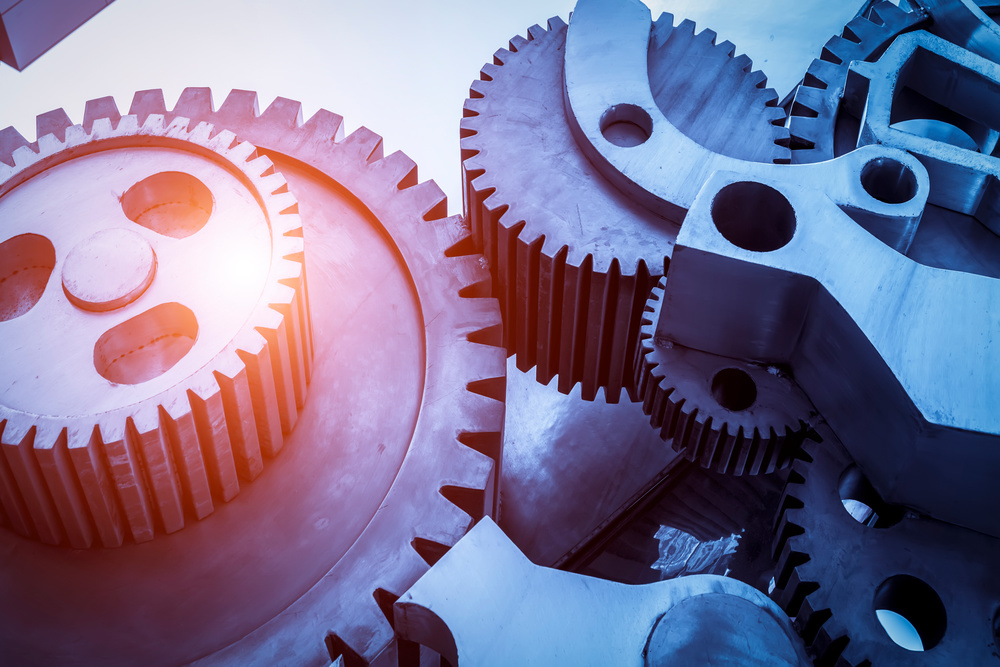
These numbers tell us that mechanical transmission components are the unsung heroes of the industrial revolution, enabling everything from manufacturing automation to renewable energy production.
The Evolution of Power Transmission: From Simple to Sophisticated
The Basic Principles
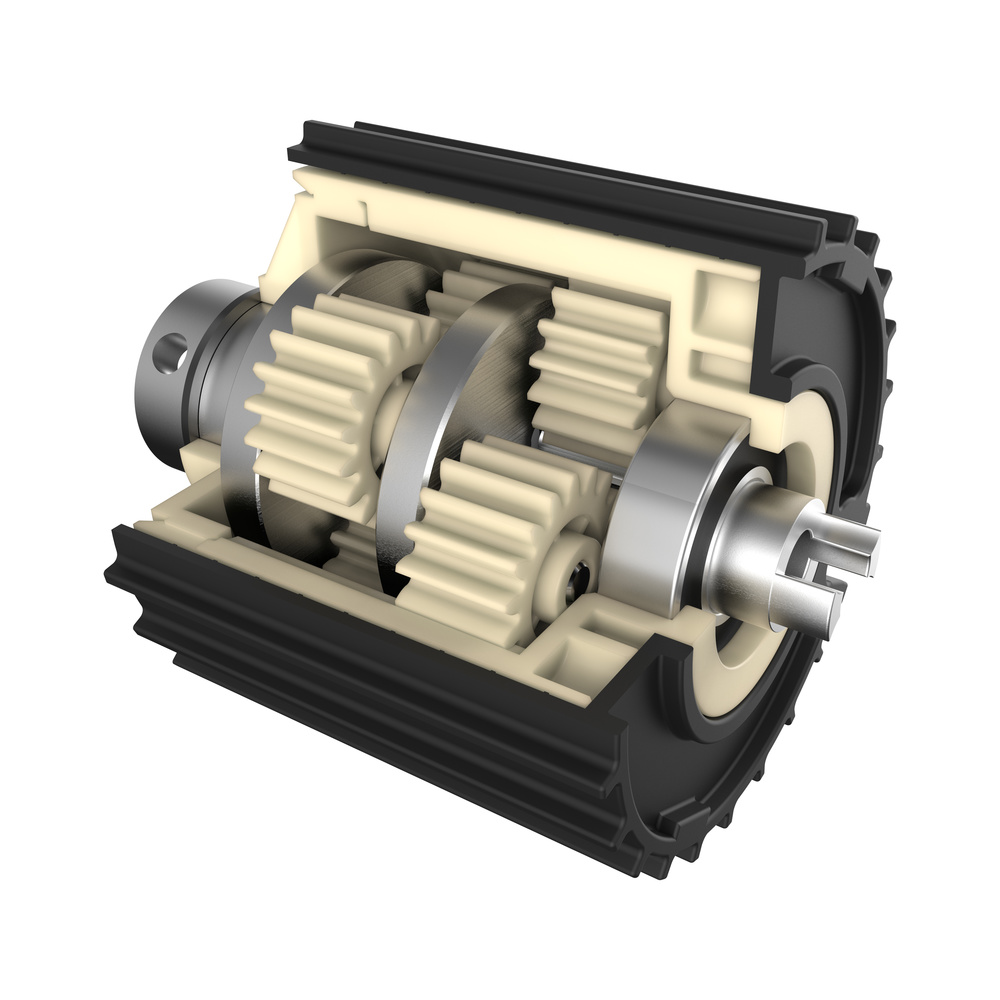
At its core, mechanical power transmission is about transferring rotational motion and torque from one component to another. The fundamental components include:
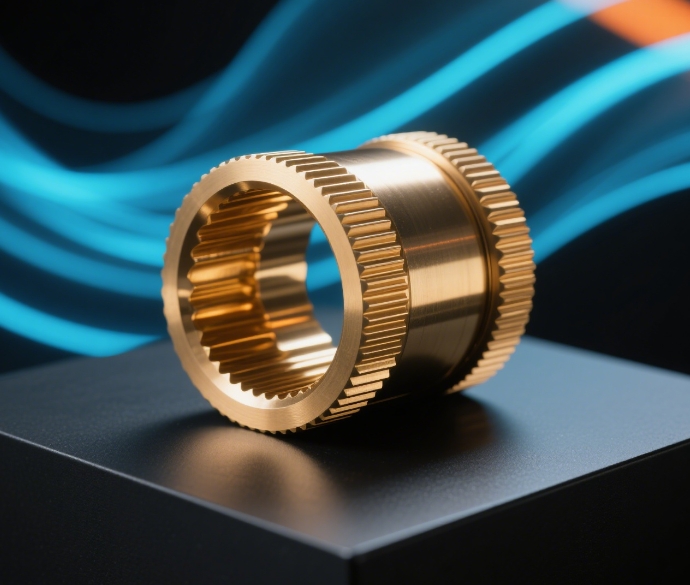
- Gears: The most common type, with teeth that mesh together to transmit power
-
- Spur Gears: Straight teeth, parallel shafts
-
- Helical Gears: Angled teeth for smoother operation
-
- Bevel Gears: For intersecting shafts
-
- Worm Gears: For large speed reductions
- Pulleys and Belts: Using friction to transmit power
-
- Timing Pulleys: Synchronous transmission with toothed belts
-
- V-Belts: Wedge-shaped belts for high torque
-
- Flat Belts: Simple, efficient transmission
- Sprockets and Chains: Positive drive systems
-
- Roller Chains: High strength for heavy loads
-
- Silent Chains: Reduced noise for precision applications
- Couplings and Clutches: Connecting and disconnecting shafts
-
- Flexible Couplings: Accommodating misalignment
-
- Rigid Couplings: Precise alignment for high accuracy
-
- Electromagnetic Clutches: On-demand engagement
The CNC Revolution: Precision Redefined
The Challenges of Traditional Manufacturing
Traditional gear manufacturing methods had significant limitations:
- Manual Setup: Time-consuming and prone to human error
- Limited Complexity: Difficulty producing complex geometries
- Inconsistent Quality: Variations between batches
- Long Lead Times: Months to produce custom components
How CNC Technology Changed Everything
CNC (Computer Numerical Control) machining has transformed the industry by:
1. Unmatched Precision
- Positioning Accuracy: ±0.005mm for critical dimensions
- Repeatability: ±0.002mm part-to-part consistency
- Surface Finish: Ra ≤0.8μm for optimal performance
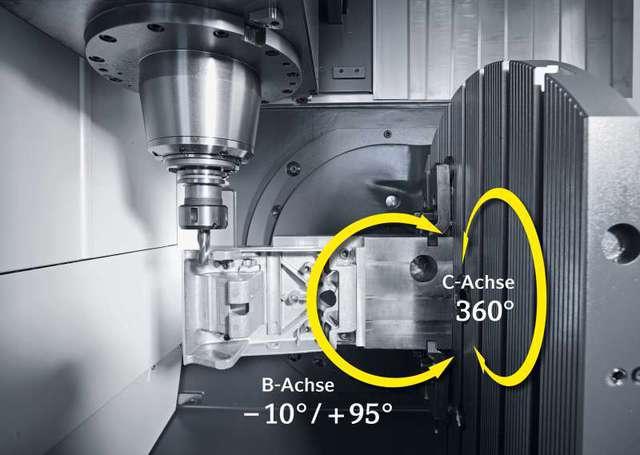
- Complex Geometries: 5-axis machining for intricate designs
2. Material Versatility
- High-Strength Alloys: 4140, 8620 steel for automotive applications
- Lightweight Materials: Aluminum 7075 for robotics
- Specialized Alloys: Titanium for aerospace
- Non-Metallic: PEEK, POM for corrosion resistance
3. Manufacturing Methods
- Gear Hobbing: For high-volume spur and helical gears (AGMA Class 10-12)
- Gear Milling: Prototypes and custom profiles (AGMA Class 9-11)
- Gear Shaping: Internal gears and clusters with excellent accuracy
- CNC Turning: Precise blank preparation with <0.005mm runout
Our Customization Process: Turning Ideas into Reality
1. Application Analysis
Every custom project starts with understanding your specific needs:
- Power Requirements: Torque, speed, and duty cycle
- Environmental Conditions: Temperature, humidity, contamination risks
- Space Constraints: Size and weight limitations
- Performance Goals: Efficiency, noise level, durability requirements
2. Engineering Design
Our design team uses advanced tools:
- CAD Modeling: Specialized software like KISSsoft, GearTrax
- FEA Analysis: Finite Element Analysis for load distribution
- Tolerance Stack-up: Accounting for thermal expansion and mounting
- Material Selection: Based on application requirements
3. Prototyping and Validation
We validate designs through:
- Rapid Prototyping: CNC machined samples in days, not weeks
- Performance Testing: Torque, efficiency, and durability testing
- Environmental Testing: Temperature cycling, corrosion resistance
- Customer Approval: Ensuring complete satisfaction before production
4. Production Excellence
Our manufacturing process includes:
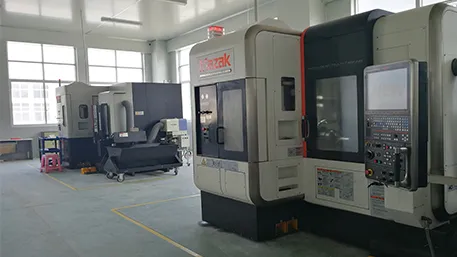
- CNC Machining: Precision turning, milling, and grinding
- Heat Treatment: Case hardening, carburizing, stress relief
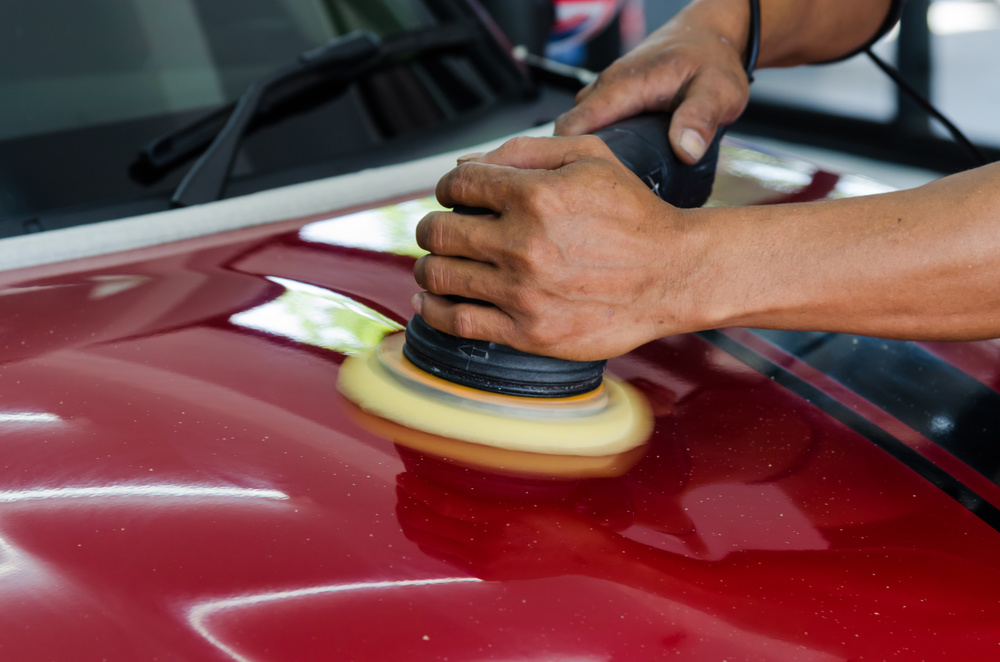
- Surface Finishing: Anodizing, plating, painting
- Quality Control: 100% inspection with CMM, roundness testing
Technical Advantages: Why Choose Custom Solutions
Performance Comparison
|
Performance Metric
|
Industry Standard
|
Our Capability
|
Improvement
|
|
Positioning Accuracy
|
±0.01mm
|
±0.005mm
|
50% better
|
|
Repeatability
|
±0.005mm
|
±0.002mm
|
60% improvement
|
|
Transmission Efficiency
|
85-90%
|
95%+
|
5-10% better
|
|
Production Lead Time
|
4-6 weeks
|
1-2 weeks
|
50% faster
|
|
Customization Capability
|
Limited
|
Unlimited
|
Complete flexibility
|
Material Expertise
Our deep understanding of materials allows us to:
- Optimize Performance: Selecting the right material for each application
- Enhance Durability: Through specialized heat treatment
- Reduce Weight: Using lightweight alloys where appropriate
- Improve Efficiency: Minimizing friction and wear
Application-Specific Solutions
We specialize in:
- High-Precision Gears: For robotics and medical equipment
- Heavy-Duty Gearboxes: For industrial machinery and wind turbines
- Compact Transmissions: For space-constrained applications
- Low-Noise Solutions: For consumer and office equipment
Case Study: Revolutionizing Wind Energy
Customer Challenge
A leading wind turbine manufacturer needed a custom gearbox solution:
- Power Output: 8MW capacity
- Operating Conditions: -40°C to 60°C temperature range
- Service Life: 20+ years with minimal maintenance
- Weight Reduction: 15% compared to existing designs
Our Solution
- Material Innovation: Using high-strength alloy steel with improved fatigue resistance
- Design Optimization: Planetary gear configuration for compact size and high efficiency
- CNC Precision: 5-axis machining for complex internal geometries
- Quality Assurance: 100% inspection and load testing
Results
- Weight Reduction: 18% achieved (exceeding target)
- Efficiency: 98.5% transmission efficiency
- Noise Level: 10dB reduction compared to previous design
- Service Life: Projected 25+ years based on accelerated testing
The customer was so satisfied that we became their exclusive supplier for all new turbine models.
Future Trends: The Next Generation of Power Transmission
Smart Transmission Systems
The future is intelligent:
- Condition Monitoring: Built-in sensors for vibration, temperature
- Predictive Maintenance: AI-powered failure prediction
- Adaptive Control: Automatic adjustment based on load conditions
- IoT Connectivity: Remote monitoring and diagnostics
Sustainable Manufacturing
Environmental responsibility is key:
- Energy Efficiency: Optimized designs for maximum efficiency
- Recycled Materials: Using reclaimed alloys and composites
- Reduced Waste: Precision machining for minimal material usage
- Longer Life: Reducing replacement frequency
Advanced Materials
New materials are revolutionizing the industry:
- Graphene-Enhanced Lubricants: Reducing friction and wear
- Composite Materials: Carbon fiber for lightweight strength
- Shape Memory Alloys: Self-healing capabilities
- 3D Printed Components: Complex internal geometries
Conclusion: Powering the Future, One Gear at a Time
At Xiamen Gold Cattle, we understand that mechanical transmission components are the unsung heroes of modern industry. These small but critical components enable everything from manufacturing automation to renewable energy production.
Our 26 years of experience in CNC precision machining, combined with our deep material expertise and commitment to innovation, makes us the partner of choice for manufacturers who refuse to compromise on quality and performance.
Whether you need a standard replacement part or a custom solution for the next generation of industrial equipment, we have the skills, experience, and passion to deliver components that perform under the most demanding conditions.
Contact Us:
- Visit our website: https://www.xmgoldcattle.com/
Let’s work together to power the future of industry, one precision gear at a time. Because when it comes to mechanical transmission, precision isn’t just a requirement—it’s the foundation of progress.