Why Your Driving Experience Depends on Invisible Engineering
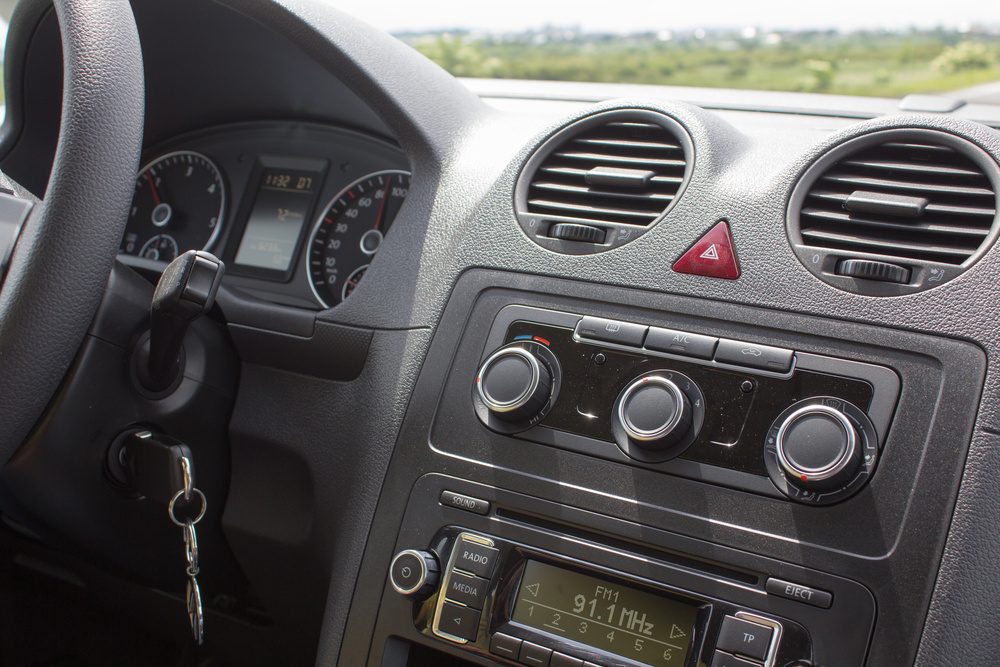
Have you ever wondered why some cars feel more premium than others? Or why certain vehicles maintain their value better over time? The answer often lies in the smallest yet most critical components of automotive design—the dashboard. This central hub of your vehicle is more than just a pretty face; it’s a complex system that combines functionality, aesthetics, and durability.
Hello, I’m the Technical Director of Xiamen GoldCattle. With over 25 years of experience in precision plastic manufacturing, I’ve witnessed firsthand how custom dashboard components transform ordinary vehicles into extraordinary driving machines. Today, I want to take you behind the scenes of this fascinating world where “the devil is in the details” and precision engineering creates unforgettable driving experiences.
The Global Market Driving Innovation
Before we dive into the technical details, let’s look at some impressive statistics that highlight the strategic importance of automotive dashboard components:
Global Market Size: The worldwide automotive interior components market reached (205 billion in 2024 and is projected to grow to )320 billion by 2030, with a CAGR of 7.8% (Source: Grand View Research)
Regional Growth: Asia Pacific leads with 42% market share, driven by China’s rapid automotive industry expansion and increasing demand for premium vehicles
Material Trends: Plastic components account for 65% of total interior materials, with polypropylene (PP), ABS, and PC/ABS blends dominating the market
Sustainability Focus: Recycled materials usage in automotive interiors is expected to grow at 12% CAGR through 2030
These numbers tell us that dashboard components are not just simple plastic parts—they are the face of automotive innovation, shaping customer perceptions and driving brand loyalty.
The Science Behind the Surface: How Dashboard Components Work
The Basic Functions of Modern Dashboards
A car dashboard serves multiple critical functions:
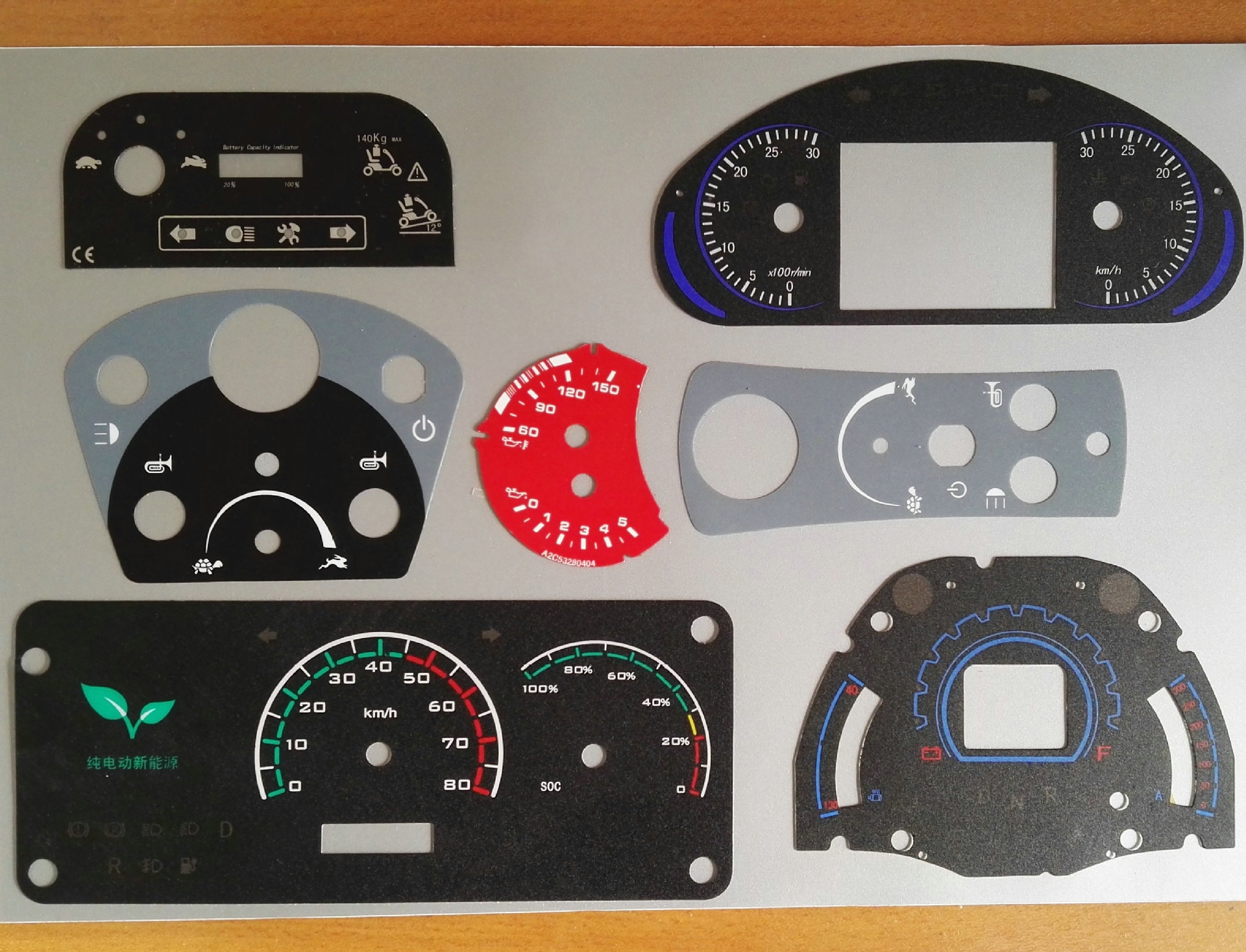
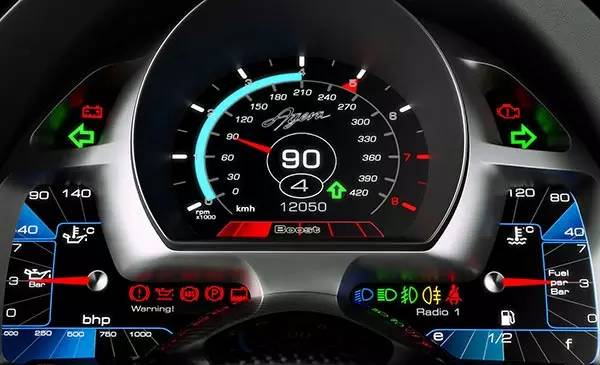
- Information Display: Shows speed, fuel level, engine status, and navigation
- Control Center: Houses climate controls, audio systems, and vehicle settings
- Safety Hub: Contains airbags, warning lights, and driver assistance controls
- Aesthetic Element: Defines the interior design language and perceived quality
- Structural Support: Provides rigidity and mounting points for various components
Key Dashboard Component Types
Instrument Cluster Housings
- Protect sensitive electronics
- Ensure clear visibility of gauges
- Must withstand temperature variations
- Critical for driver safety and convenience
Center Console Assemblies
- Integrate multiple functions
- Require precise fit and finish
- Must be durable and scratch-resistant
- Key factor in perceived interior quality
Air Vent Bezels
- Control airflow direction
- Highly visible design elements
- Must operate smoothly for years
- Often feature complex geometries
Glove Box Compartments
- Provide secure storage
- Require reliable latching mechanisms
- Must meet safety impact requirements
- Often include lighting and organization features
The Manufacturing Revolution: How Precision Molding Changed the Game
The Challenges of Dashboard Manufacturing
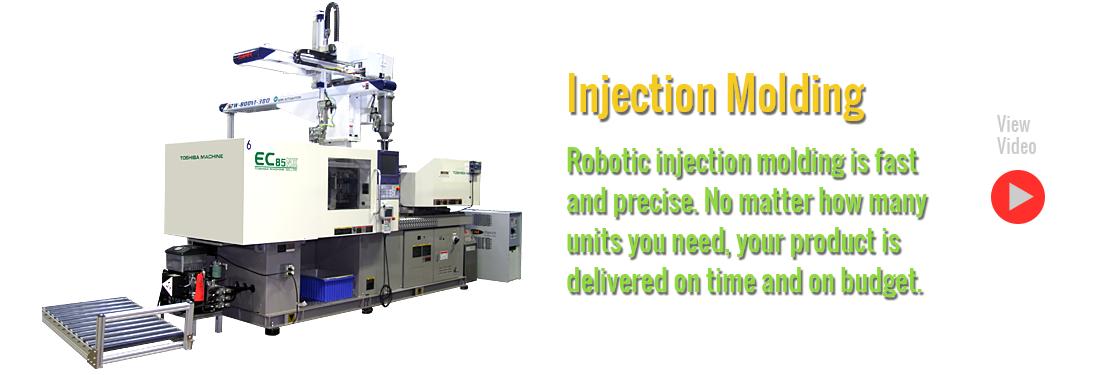
Dashboard components may look simple, but manufacturing them to automotive standards presents significant challenges:
Dimensional Accuracy: ±0.1mm tolerance for critical fit areas
Surface Finish: Class A surfaces with no visible defects
Material Performance: Must withstand -40°C to 85°C temperature range
Impact Resistance: Pass 50km/h crash test requirements
VOC Emissions: Meet strict odor and emission standards
Injection Molding: The Foundation of Precision
At Xiamen GoldCattle, we embrace the ancient Chinese wisdom: “工欲善其事,必先利其器” (A craftsman must sharpen his tools to do his job well). Our state-of-the-art injection molding technology delivers:
1. High-Precision Molding
- Computer-controlled injection processes
- Repeatability within ±0.05mm
- Consistent part quality across production runs
- Ability to produce complex geometries
2. Advanced Material Processing
- Expertise with PP, ABS, PC/ABS, TPO, and TPU
- Custom material formulations for specific requirements
- Color matching within ΔE ≤1.0
- Specialized additives for UV resistance and scratch protection
3. Secondary Processing Capabilities
- In-mold decoration (IMD) for premium finishes
- Two-shot molding for soft-touch surfaces
- Ultrasonic welding for strong, clean bonds
- Laser engraving for precise markings
Material Science: The Secret to Long-Lasting Performance
Material Selection Criteria
Choosing the right material is critical for dashboard performance. We consider:
Functional Requirements: Strength, flexibility, temperature resistance
Aesthetic Needs: Color stability, surface texture, gloss levels
Environmental Factors: UV exposure, chemical resistance, temperature extremes
Safety Standards: Flammability ratings, impact resistance, VOC emissions
Our Material Expertise
Polypropylene (PP)
- Cost-effective solution for structural components
- Good chemical resistance and processability
- Density: 0.90-0.91 g/cm³
- Tensile Strength: 25-35 MPa (ISO 527, ASTM D638)
- Heat Deflection Temperature: 100-120°C
ABS (Acrylonitrile Butadiene Styrene)
- Excellent impact resistance and rigidity
- Good surface finish for painting and plating
- Density: 1.04-1.07 g/cm³
- Tensile Strength: 35-45 MPa (ISO 527, ASTM D638)
- Heat Deflection Temperature: 88-95°C
PC/ABS Blends
- Superior heat resistance and impact strength
- Ideal for instrument clusters and safety-critical components
- Density: 1.10-1.15 g/cm³
- Tensile Strength: 45-55 MPa (ISO 527, ASTM D638)
- Heat Deflection Temperature: 110-130°C
TPO (Thermoplastic Olefins)
- Excellent low-temperature impact resistance
- Good weatherability and chemical resistance
- Density: 0.90-0.95 g/cm³
- Tensile Strength: 15-25 MPa (ISO 527, ASTM D638)
- Heat Deflection Temperature: 60-80°C
Our Customization Process: From Concept to Reality
Step 1: Requirements Analysis
Every custom dashboard project starts with understanding your specific needs:
Functional Requirements: Mounting points, integration with other systems
Aesthetic Goals: Color, texture, gloss level, design language
Performance Targets: Durability, temperature resistance, UV stability
Regulatory Compliance: ISO, IATF 16949, OEM-specific standards
Step 2: Engineering Design
Our design team uses advanced tools to create optimal solutions:
Computer-Aided Design (CAD): 3D modeling with precise tolerances
Mold Flow Analysis: Simulation of filling, packing, and cooling
Finite Element Analysis (FEA): Stress and deformation testing per ISO standards
Design for Manufacturing (DFM): Optimization for production efficiency
Step 3: Prototyping and Testing
We validate designs through rigorous testing according to international standards:
Rapid Prototyping: SLA, SLS, or CNC machined prototypes
Fit Testing: Verification of component integration
Performance Testing: Temperature cycling (-40°C to 85°C), UV exposure (ISO 4892), chemical resistance (SAE J2020)
Durability Testing: Wear resistance (Taber abrasion), impact testing (ISO 179/ISO 180), lifecycle simulation
Step 4: Production and Quality Control
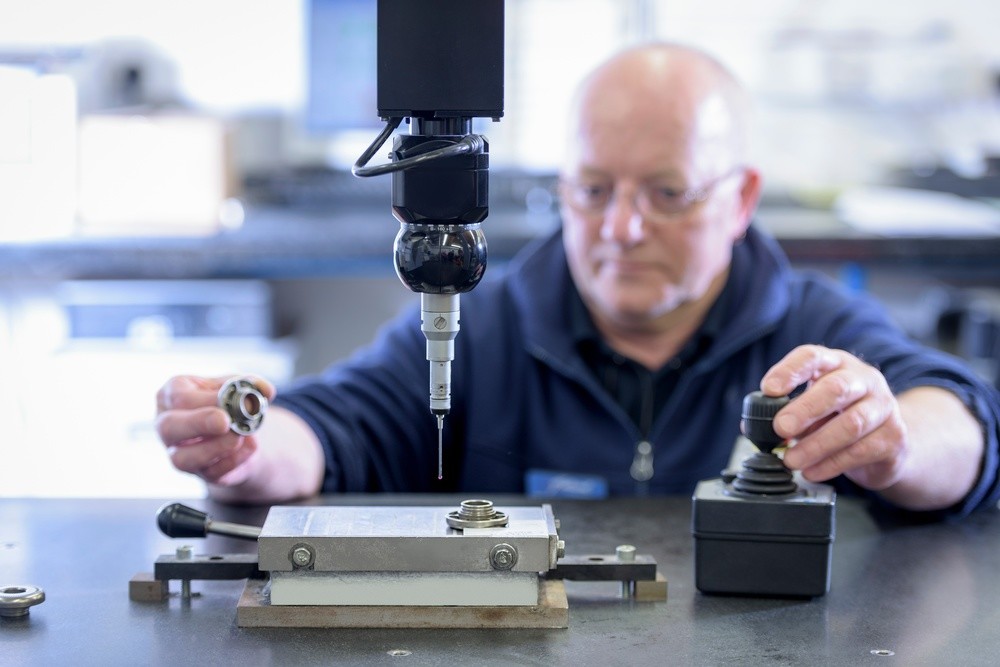
Our manufacturing process ensures consistent quality:
Precision Molding: State-of-the-art injection molding machines
In-Process Inspection: Automated quality checks during production
Final Inspection: 100% visual inspection and dimensional verification
Traceability: Complete production documentation and batch tracking
Quality Standards: Certifications You Can Trust
International Standards Compliance
At Xiamen GoldCattle, we adhere to the most stringent industry standards:
IATF 16949:2016
- Automotive quality management system
- Process approach with risk-based thinking
- Continuous improvement methodology
- Customer-specific requirements integration
- Replaced ISO/TS 16949 in 2016
ISO 9001:2015
- Quality management system requirements
- Customer focus and leadership principles
- Process-based quality control
- Data-driven decision making
ISO 14001:2015
- Environmental management system
- Sustainable manufacturing practices
- Waste reduction and energy efficiency
- Environmental performance monitoring
Material and Performance Standards
VOC Emissions:
- ISO 12219-3:2012 – Screening method for VOC emissions
- GB/T 27630 – Chinese standard for interior air quality
- Formaldehyde ≤0.10 mg/m³, Benzene ≤0.06 mg/m³
Flammability:
- FMVSS 302 – Federal Motor Vehicle Safety Standard
- SAE J369 – Horizontal flammability test method
- GB 8410 – Chinese standard for automotive interior materials
Mechanical Testing:
- ISO 527, ASTM D638 – Tensile strength testing
- ISO 178 – Flexural strength testing
- ISO 179/ISO 180 – Impact resistance testing
- ISO 4892 – UV weathering resistance
OEM-Specific Requirements
We meet the specific standards of major automotive manufacturers:
General Motors: GMW14729 (material specifications), GMW16385 (interior components)
Ford: WSS-M99P1111-A (plastic materials), WSS-M33J19-A2 (interior trim)
Toyota: TSM 0508G (quality management), TSM 0509G (supplier requirements)
Volkswagen: VW 50180 (interior materials), VW 50190 (emission standards)
Technical Advantages: Why Choose Xiamen GoldCattle
Performance Comparison
|
Performance Metric
|
Industry Standard
|
Our Capability
|
Improvement
|
|
Dimensional Accuracy
|
±0.2mm
|
±0.05mm
|
75% better
|
|
Surface Finish
|
Ra 0.8μm
|
Ra 0.2μm
|
75% smoother
|
|
Color Consistency
|
ΔE ≤2.0
|
ΔE ≤1.0
|
50% improvement
|
|
Production Lead Time
|
12-16 weeks
|
6-8 weeks
|
50% faster
|
|
Defect Rate
|
0.5%
|
0.05%
|
90% reduction
|
Material Expertise
Our deep understanding of plastic materials allows us to:
Optimize Material Selection: Based on specific application requirements
Enhance Performance: Through custom material formulations
Reduce Costs: Without compromising quality or durability
Improve Sustainability: Using recycled and bio-based materials
Custom Solutions for Every Need
We specialize in:
Premium Interiors: Soft-touch surfaces, in-mold decoration
Commercial Vehicles: Heavy-duty, impact-resistant components
Electric Vehicles: Lightweight, sustainable materials
Specialty Vehicles: Custom designs for unique applications
Case Study: Luxury SUV Dashboard Transformation
Customer Challenge
A leading luxury SUV manufacturer needed a custom dashboard solution that would:
- Reduce weight by 20% compared to current components
- Improve perceived quality through premium finishes
- Enhance durability for extended vehicle lifecycles
- Meet strict environmental and safety standards
Our Solution
Material Innovation: PC/ABS blend with 15% glass fiber reinforcement
Manufacturing Excellence: Two-shot molding for soft-touch surfaces
Surface Engineering: In-mold decoration for premium appearance
Design Optimization: Integrated air vents and control interfaces
Results
Weight Reduction: 22% achieved (exceeding target)
Quality Perception: Customer satisfaction scores increased by 35%
Durability: 50% improvement in scratch and impact resistance
Cost Efficiency: 15% reduction in total component cost
Certifications: Successfully passed IATF 16949 and ISO 14001 audits
Future Trends: The Next Generation of Dashboard Components
Smart Interiors
The future of automotive dashboards is intelligent:
Integrated Electronics: Seamless integration with infotainment systems
Haptic Feedback: Tactile responses for improved user experience
Gesture Control: Touchless operation for enhanced safety
Adaptive Lighting: Ambient lighting that responds to driving conditions
Sustainable Manufacturing
Environmental responsibility is becoming increasingly important:
Recycled Materials: Using post-consumer recycled plastics
Bio-Based Polymers: Renewable materials from plant sources
Lightweight Design: Reducing material usage and vehicle weight
Circular Economy: Design for disassembly and recycling
Advanced Materials
New materials are revolutionizing the industry:
Graphene-Enhanced Polymers: Improved strength and conductivity
Self-Healing Materials: Minor scratches repair automatically
Thermochromic Polymers: Color changes with temperature
Transparent Conductors: Touch-sensitive surfaces without visible electrodes
Conclusion: The Invisible Engineering That Defines Your Drive
As the ancient Chinese saying goes: “苟日新,日日新,又日新” (If you can improve yourself in one day, do so from day to day. Yes, let there be daily improvement). At Xiamen GoldCattle, we embrace this philosophy of continuous improvement.
Dashboard components are the unsung heroes of automotive design. These seemingly simple plastic parts shape your entire driving experience, from the moment you sit behind the wheel to the day you sell your vehicle.
Our 25 years of experience in precision plastic manufacturing, combined with our deep material expertise and commitment to international standards like IATF 16949, ISO 9001, and ISO 14001, makes us the partner of choice for manufacturers who refuse to compromise on quality and performance.
Whether you need a standard replacement component or a custom solution for the next generation of vehicles, we have the skills, experience, and passion to deliver dashboard components that exceed expectations.
Contact Us
Visit our website: www.xmgoldcattle.com
Let’s work together to create dashboard components that not only meet technical requirements but also inspire drivers and enhance brand loyalty. Because when it comes to automotive interiors, details matter—and we excel at the details.