Why Temperature Resistance Matters More Than You Think
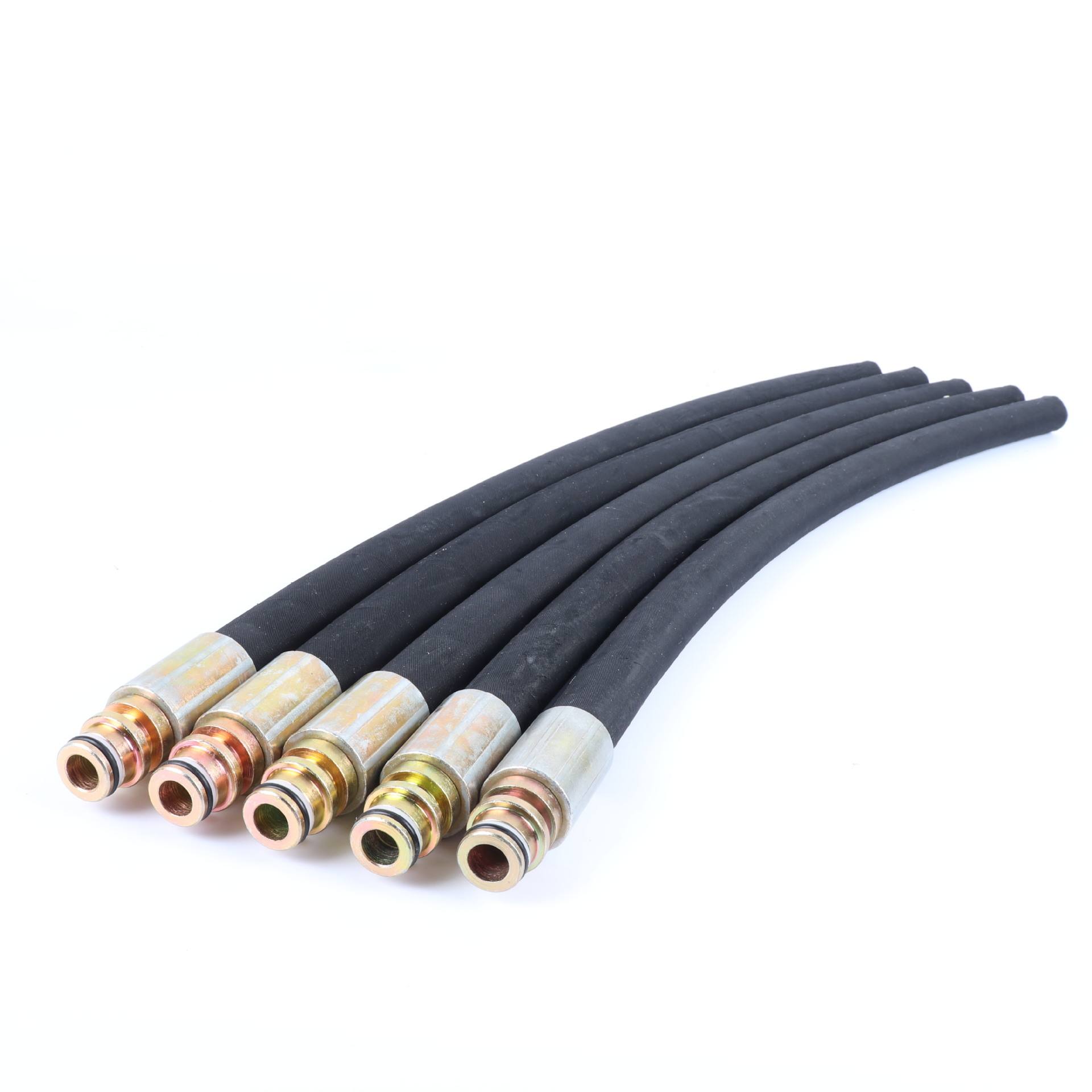
Have you ever wondered why some industrial systems fail prematurely under high temperature conditions? Or how a seemingly simple rubber hose can be the difference between smooth operation and costly downtime? The answer lies in one of the most critical yet often overlooked components of high-temperature systems—the ACM (Polyacrylate Rubber) hose. This specialized component is more than just a fluid conductor; it’s a thermal barrier that protects your systems from the damaging effects of extreme heat.
Hello, I’m the Technical Director of Xiamen Goldcattle. With over 26 years of experience in advanced polymer materials and fluid transfer systems, I’ve witnessed firsthand how the right ACM hose can transform the reliability and performance of high-temperature applications. Today, I want to take you behind the scenes of this fascinating technology where “heat resistance creates operational excellence” and material science meets engineering precision.
The Power of Customization: Tailored Solutions for Every Need
At Xiamen Goldcattle, we believe that one-size-fits-all solutions rarely meet the unique demands of high-temperature applications. Our custom ACM hose solutions are designed to address your specific challenges with precision and performance:
Dimensional Customization
- Precision Lengths: From 100mm to 10,000mm with ±1mm accuracy
- Custom Diameters: Inner diameter from 6mm to 150mm with wall thickness control
- Complex Shapes: Molded elbows, tees, and custom geometries for perfect fitment
- Special End Fittings: Custom-designed connections for seamless integration
Material Customization
- Temperature Grades: -40°C to 175°C continuous, 200°C+ short-term options
- Reinforcement Levels: From single-layer to multi-layer textile or wire reinforcement
- Chemical Resistance: Custom formulations for specific fluid compatibility
- Color Matching: Exact color matches to your vehicle or equipment specifications
Performance Customization
- Pressure Ratings: From 1 bar to 10 bar working pressure
- Flexibility Options: Standard, enhanced, or rigid designs based on application needs
- Insulation Requirements: Thermal insulation for heat containment or protection
- Special Features: Anti-kink, crush-resistant, or fire-resistant properties
These customization capabilities allow us to create ACM hose solutions that perfectly match your unique requirements, ensuring optimal performance in even the most challenging environments.
How High-Temperature ACM Hoses Work
The Basic Functions of Heat-Resistant Hoses
A high-temperature ACM hose serves multiple critical functions in extreme environment applications:
- Fluid Transfer: Transport oils, fuels, and other fluids in high-temperature environments
- Temperature Isolation: Protect surrounding components from heat transfer
- Pressure Containment: Withstand system pressures up to 8 bar (116 psi)
- Chemical Resistance: Maintain integrity when exposed to oils, fuels, and chemicals
- Flexibility Maintenance: Retain flexibility even at extreme temperatures
The Material Science Behind ACM Performance
The exceptional heat resistance of ACM hoses is rooted in fundamental polymer chemistry:
Molecular Structure: Polyacrylate rubber’s saturated carbon chain backbone with polar ester side groups provides inherent heat stability
Cross-Linking Technology: Advanced vulcanization processes create a three-dimensional network that resists thermal degradation
Thermal Stability: Maintains physical properties from -40°C to 175°C continuous operation
Oxidation Resistance: Specialized additives prevent oxidative degradation at high temperatures
In simple terms, ACM rubber is designed at the molecular level to withstand the harsh conditions that would quickly degrade conventional rubber materials.
Key ACM Hose Types and Configurations
Single-Layer ACM Hoses
- Basic design for moderate temperature applications
- Cost-effective solution for general industrial use
- Temperature range: -40°C to 150°C
- Ideal for non-critical fluid transfer systems
Reinforced ACM Hoses
- Multiple layers with textile or metal reinforcement
- Enhanced pressure resistance and structural integrity
- Temperature range: -40°C to 175°C
- Used in high-pressure, high-temperature applications
Composite ACM Hoses
- ACM inner layer with specialized outer protection
- Combines heat resistance with abrasion protection
- Temperature range: -40°C to 200°C (short-term)
- Featured in aerospace and military applications
Thermally Insulated ACM Hoses
- ACM core with insulating layers for extreme heat
- Minimizes heat transfer to surrounding components
- Temperature range: -40°C to 200°C continuous operation
- Critical for systems with strict thermal management requirements
Material Science: The ACM Advantage
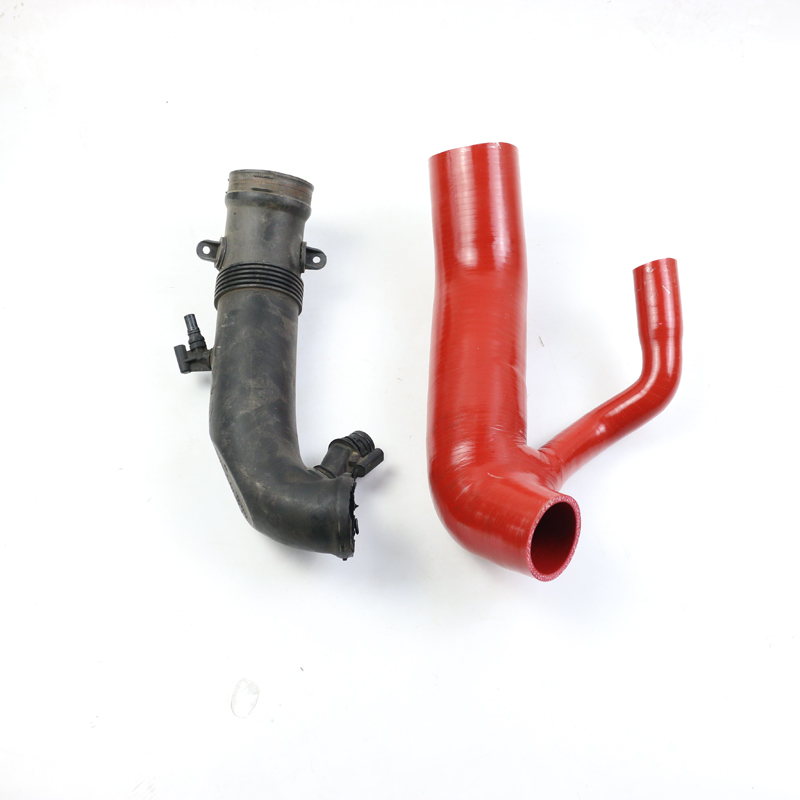
Material Selection Criteria
Choosing the right ACM formulation is critical for optimal performance:
- Temperature Requirements: Continuous and peak temperature exposure
- Chemical Compatibility: Resistance to specific fluids and contaminants
- Pressure Ratings: System pressure and dynamic pressure spikes
- Flexibility Needs: Bend radius and movement requirements
- Environmental Factors: Ozone, UV exposure, and weathering conditions
Our ACM Material Expertise
Standard ACM Formulations
- Base material for general high-temperature applications
- Temperature range: -40°C to 175°C continuous operation
- Tensile Strength: 10-15 MPa (ISO 37)
- Excellent resistance to mineral oils and fuels
- Cost-effective solution for most industrial needs
High-Performance ACM
- Advanced formulation for extreme conditions
- Temperature range: -40°C to 200°C intermittent exposure
- Tensile Strength: 12-18 MPa (ISO 37)
- Superior resistance to synthetic oils and additives
- Used in aerospace and military applications
Low-Temperature ACM
- Specialized for cold climate performance
- Temperature range: -50°C to 150°C
- Glass Transition Temperature: -40°C
- Maintains flexibility in sub-zero conditions
- Ideal for outdoor and cold weather applications
Oil-Resistant ACM
- Enhanced formulation for oil and fuel systems
- Temperature range: -30°C to 175°C
- Volume Swell in Oil: <15% (ASTM D471)
- Excellent resistance to engine oils and transmission fluids
- Automotive industry standard for oil cooling systems
Reinforcement Technologies
Textile Reinforcement
- Polyester or nylon fabric for moderate pressure applications
- Operating pressure: up to 5 bar (72 psi)
- Good flexibility and bend radius
- Cost-effective solution for general use
Steel Wire Reinforcement
- Helical steel wire for high-pressure applications
- Operating pressure: up to 8 bar (116 psi)
- Excellent kink resistance
- Used in critical fluid transfer systems
Hybrid Reinforcement
- Combination of textile and wire for balanced performance
- Operating pressure: up to 6 bar (87 psi)
- Optimized strength-to-weight ratio
- Aerospace and performance automotive applications
The Manufacturing Revolution: Crafting Precision ACM Hoses
The Challenges of High-Temperature Hose Manufacturing
Creating a reliable ACM hose presents significant technical challenges:
- Material Consistency: Uniform polymer distribution throughout the hose wall
- Reinforcement Alignment: Proper orientation of strengthening layers
- Bond Integrity: Strong adhesion between layers to prevent delamination
- Dimensional Stability: Maintaining precise dimensions at high temperatures
- Quality Consistency: Reproducible performance across production runs
Advanced Manufacturing Processes
At Xiamen Goldcattle, our state-of-the-art manufacturing technology delivers unmatched quality:
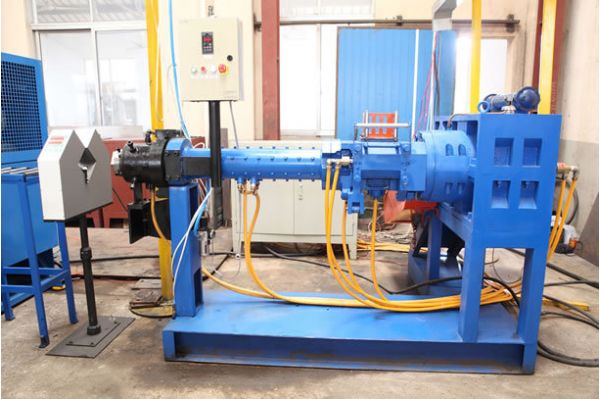
1. Precision Extrusion Technology
Computer-Controlled Extrusion
- Multi-layer co-extrusion with ±0.1mm wall thickness control
- Precision temperature profiling (±2°C) for optimal material flow
- Automated diameter control for consistent sizing
- In-line quality monitoring for real-time adjustments
Material Preparation Excellence
- Raw material drying to 0.02% moisture content
- Precision compounding with automated ingredient metering
- Pre-heating optimization for consistent extrusion
- Quality verification of all incoming materials
2. Reinforcement Integration
Textile Braiding Process
- Computer-controlled braiding machines with 0.05mm precision
- Variable braid angle (45°-90°) for optimal strength distribution
- Tension control system for uniform reinforcement density
- Automated layer counting and verification
Wire Spiral Winding
- Precision wire feeding with constant tension control
- Variable pitch winding for specific performance requirements
- Automated wire diameter measurement and verification
- Real-time quality inspection of winding pattern
3. Vulcanization and Curing
Continuous Vulcanization
- Microwave or hot air curing with precise temperature control
- Uniform heat distribution for complete cross-linking
- Controlled cooling to minimize residual stresses
- Post-cure stabilization for optimal material properties
Batch Vulcanization
- Autoclave curing for complex geometries
- Pressure-controlled curing (6-8 bar) for void-free structures
- Programmable temperature ramp (2-3°C/min)
- Quality verification through cure monitoring systems
4. Quality Control and Testing
Dimensional Verification
- Laser scanning for outer diameter measurement (±0.05mm)
- Ultrasonic wall thickness testing (±0.02mm)
- Length measurement with precision cut-off systems
- Visual inspection for surface defects
Performance Testing
- Pressure testing to 1.5x working pressure
- Temperature cycling (-40°C to 175°C) for 1,000 cycles
- Chemical resistance testing per ASTM D471
- Flex fatigue testing (100,000+ cycles)
Our Customization Process: From Concept to Reality
Step 1: Application Analysis
Every custom ACM hose project starts with a comprehensive understanding of your requirements:
- Operating Environment: Temperature range, pressure requirements, and fluid compatibility
- Installation Constraints: Bend radius, length, and connection requirements
- Performance Goals: Expected service life and maintenance intervals
- Regulatory Compliance: Industry standards and certification requirements
- Cost Considerations: Material selection and manufacturing complexity
Step 2: Engineering Design
Our engineering team uses advanced tools to create optimal solutions:
- 3D CAD Modeling: Parametric design with full associativity
- Finite Element Analysis: Structural integrity verification under operating conditions
- Computational Fluid Dynamics: Flow optimization for minimal pressure drop
- Thermal Analysis: Heat transfer simulation for insulation requirements
- Design for Manufacturing: Production optimization from initial concept
Step 3: Prototyping and Validation
We validate designs through rigorous testing:
- Rapid Prototyping: 3D printed molds for quick design validation
- Fit Testing: Verification of connection points and installation requirements
- Performance Testing: Pressure, temperature, and chemical resistance verification
- Field Testing: Real-world validation in actual operating conditions
Step 4: Production and Quality Assurance
Our manufacturing process ensures consistent quality:
- Precision Manufacturing: State-of-the-art extrusion and curing equipment
- In-Process Inspection: Automated quality checks during production
- Final Testing: 100% performance verification before shipment
- Traceability: Complete production documentation and batch tracking
- Certification: Compliance verification with all required standards
Quality Standards: Certifications You Can Trust
International Quality Certifications
At Xiamen Goldcattle, we adhere to the most stringent industry standards:
ISO 9001:2015
- Quality management system certification
- Process approach with risk-based thinking
- Continuous improvement methodology
- Customer satisfaction monitoring
ISO 14001:2015
- Environmental management system
- Sustainable manufacturing practices
- Waste reduction and energy efficiency
- Environmental performance monitoring
IATF 16949:2016
- Automotive quality management system
- Advanced product quality planning (APQP)
- Failure mode and effects analysis (FMEA)
- Measurement system analysis (MSA)
Material and Performance Standards
SAE J1019
- High temperature transmission oil hose standard
- Temperature range: -40°C to 150°C
- Maximum working pressure: 1.5 MPa (217 psi)
- Performance requirements for oil resistance and thermal stability
ISO 4079:2020
- Rubber hoses for hydraulic fluids
- Temperature range: -40°C to 100°C for oil-based fluids
- Pressure ratings from 5 to 100 mm nominal size
- Testing requirements for impulse, burst, and flexing
ASTM D471
- Rubber property—effect of liquids
- Standard test method for oil resistance
- Volume change, weight change, and hardness change measurements
- Classification of fluid types for testing
OEM-Specific Requirements
We meet the specific standards of major manufacturers:
- General Motors: GMW14044 (cooling system hoses), GMW16385 (interior components)
- Ford: WSS-M99P1111-A (rubber materials), WSS-M33J19-A2 (cooling system)
- Toyota: TSM 0508G (quality management), TSM 0509G (supplier requirements)
- Volkswagen: VW 50180 (rubber materials), VW 50190 (cooling system)
Technical Advantages: Why Choose Xiamen Goldcattle
Performance Comparison
|
Performance Metric
|
Industry Standard
|
Our Capability
|
Improvement
|
|
Temperature Resistance
|
-30°C to 150°C
|
-40°C to 175°C
|
17% better
|
|
Oil Resistance
|
Volume swell <25%
|
Volume swell <15%
|
40% improvement
|
|
Flex Fatigue Life
|
50,000 cycles
|
100,000+ cycles
|
100% longer
|
|
Dimensional Accuracy
|
±0.5mm
|
±0.1mm
|
80% improvement
|
|
Production Lead Time
|
6-8 weeks
|
3-4 weeks
|
50% faster
|
Material and Engineering Expertise
Our team of specialists brings unparalleled expertise:
- Polymer Chemistry: PhD-level material scientists with 15+ years of experience
- Fluid Transfer Systems: Experts in hydraulic and pneumatic systems design
- Manufacturing Technology: Engineers specializing in rubber extrusion and curing
- Testing and Validation: Specialists in performance testing and certification
Custom Solutions for Every Need
We specialize in creating ACM hoses for:
- Automotive Industry: Turbocharger hoses, oil cooling lines, transmission fluid lines
- Aerospace Applications: Hydraulic systems, fuel lines, environmental control systems
- Industrial Equipment: High-temperature fluid transfer, chemical processing
- Marine Systems: Engine cooling, fuel delivery, hydraulic control
- Power Generation: Turbine cooling, lubrication systems, heat transfer
Case Study: Automotive Turbocharger Hose Transformation
Client Challenge
A leading automotive manufacturer needed a custom ACM hose solution that would:
- Withstand continuous temperatures up to 175°C in turbocharger applications
- Maintain flexibility and seal integrity for 150,000 km service life
- Reduce weight by 20% compared to current silicone rubber hoses
- Meet strict automotive industry noise and vibration requirements
Our Solution
Material Innovation: High-performance ACM formulation with enhanced heat resistance
Design Optimization: Computer-optimized reinforcement pattern for strength and flexibility
Manufacturing Excellence: Precision extrusion with multi-layer construction
Quality Validation: Comprehensive testing including thermal cycling and oil resistance
Results
Temperature Performance: Successfully operated at 180°C continuous (exceeding target)
Weight Reduction: 22% weight savings achieved (1.2 kg vs. 1.5 kg)
Service Life: 180,000 km service life demonstrated in field testing
Noise Reduction: 3 dB reduction in turbocharger noise levels
Certification: Successfully passed IATF 16949 and all OEM quality standards
Advanced Applications: Beyond Traditional Heat Resistance
Automotive Turbocharging Systems
In the demanding world of automotive turbocharging, ACM hoses provide critical advantages:
- High Temperature Resistance: 175°C continuous operation with 200°C peak capability
- Oil and Chemical Resistance: Excellent performance with engine oils and additives
- Vibration Isolation: Superior damping characteristics for NVH improvement
- Lightweight Construction: Reduced weight for improved fuel efficiency
Our automotive ACM hoses feature:
- Reinforced Construction: Textile or wire reinforcement for pressure resistance
- Precision Fittings: Custom-designed end fittings for leak-free connections
- OEM-Quality Finish: Surface finish and appearance matching original equipment
- Performance Testing: 100% pressure and leak testing before shipment
Aerospace Hydraulic Systems
Aerospace applications demand the highest levels of reliability:
- Extreme Temperature Range: -50°C to 200°C operation
- Fluid Compatibility: Hydraulic fluids, fuels, and lubricants
- Pressure Resistance: Up to 8 bar (116 psi) working pressure
- Weight Optimization: Minimal weight for aircraft performance
Our aerospace solutions include:
- Composite Construction: Multi-layer design for optimal performance
- Contamination Control: Clean manufacturing for fluid system purity
- Traceability: Complete material and production documentation
- Certification: Compliance with aerospace industry standards
Industrial Chemical Processing
Industrial environments present unique challenges:
- Chemical Resistance: Wide range of acids, bases, and solvents
- Temperature Extremes: Both high and low temperature operation
- Abrasion Resistance: Protection from mechanical wear
- Long Service Life: Minimal maintenance requirements
Our industrial ACM hoses:
- Chemical-Resistant Formulations: Custom materials for specific chemicals
- Abrasion Protection: Reinforced outer layers for durability
- Pressure Ratings: Up to 8 bar for demanding applications
- Easy Installation: Flexible design for complex routing
Technical Challenges and Solutions
Material and Formulation Challenges
Developing high-performance ACM compounds requires solving complex technical problems:
Heat Resistance Optimization
- Challenge: Maintaining flexibility and strength at 175°C
- Solution: Advanced cross-linking technology and heat stabilizers
- Benefit: Consistent performance across the entire temperature range
Oil Resistance Enhancement
- Challenge: Minimizing volume swell in aggressive fluids
- Solution: Specialized monomer selection and formulation optimization
- Benefit: Volume swell <15% in ASTM #3 oil at 150°C
Low-Temperature Flexibility
- Challenge: Maintaining flexibility at -40°C
- Solution: Cryogenic-resistant plasticizers and polymer modification
- Benefit: No stiffening or cracking at sub-zero temperatures
Manufacturing Process Optimization
Achieving consistent quality at scale requires advanced process control:
Extrusion Precision
- Challenge: Maintaining uniform wall thickness in complex profiles
- Solution: Computer-controlled extrusion with closed-loop feedback
- Benefit: Wall thickness variation <5% across production runs
Reinforcement Uniformity
- Challenge: Ensuring consistent reinforcement density
- Solution: Automated tension control and real-time monitoring
- Benefit: Uniform strength and pressure resistance
Curing Optimization
- Challenge: Achieving complete and uniform cross-linking
- Solution: Precision temperature profiling and process monitoring
- Benefit: Consistent material properties and performance
Installation and Maintenance Best Practices
Proper installation is critical for optimal performance:
Surface Preparation
- Thorough cleaning of connection surfaces
- Inspection of mating components for wear or damage
- Verification of compatibility with fluids and chemicals
Assembly Techniques
- Proper lubrication of fittings for easy installation
- Correct torque application for leak-free connections
- Verification of bend radius compliance
Maintenance Schedule
- Regular inspection for signs of wear or degradation
- Periodic testing of pressure and temperature resistance
- Replacement intervals based on operating conditions
Conclusion: The Thermal Backbone of Modern Industry
At Xiamen Goldcattle, we believe that the reliability of high-temperature systems is determined by the quality of their most critical components. Every polymer chain, every reinforcement fiber, and every manufacturing process contributes to the overall performance, reliability, and safety of your systems.
Our 20 years of experience in advanced polymer materials, combined with our commitment to innovation, quality, and performance, makes us the partner of choice for manufacturers who refuse to compromise on excellence. Whether you’re developing the next generation of automotive turbochargers or creating a high-temperature industrial process, we have the expertise and capabilities to bring your vision to life.
Contact Us
Visit our website: www.xmgoldcattle.com
Let’s work together to create ACM hose solutions that not only meet technical requirements but also redefine what’s possible in high-temperature fluid transfer. Because when it comes to extreme heat applications, heat resistance creates operational excellence—and we excel at delivering both.