Technical Overview
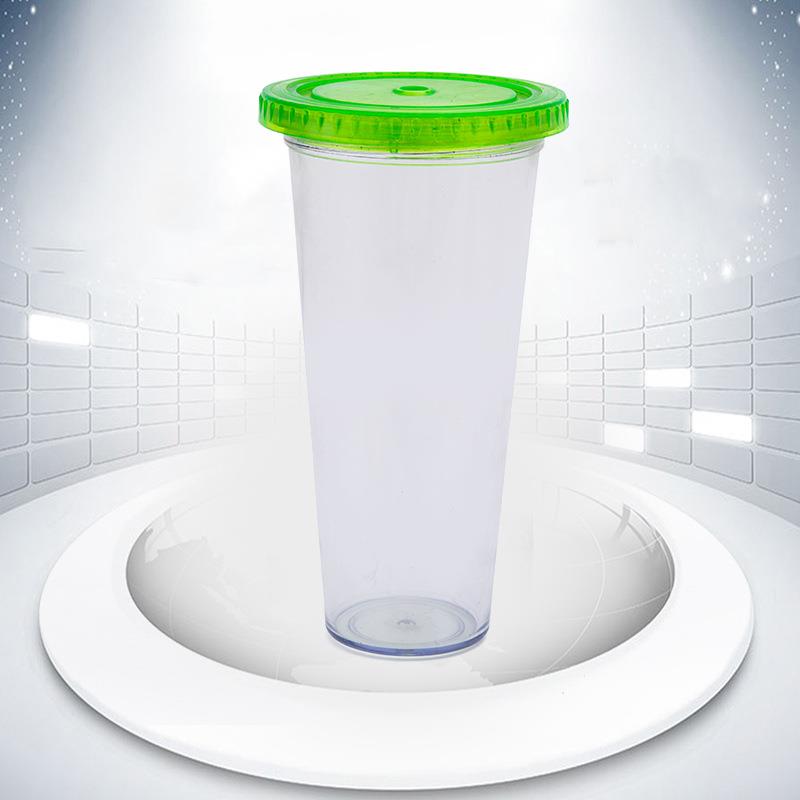
This guide systematically introduces the design, manufacturing, and application technologies of plastic water cup molds, providing comprehensive technical guidance for mold engineers, process technicians, and production managers. Through this guide, readers will master the core technologies of plastic water cup mold design, including key design parameters, manufacturing processes, material selection, quality control, and maintenance, ensuring efficient production and long-term stable operation of molds.
1. Product Technical Requirements
1.1 Basic Parameters
Dimensional Specifications
- Cup height: 100-200mm
- Cup mouth diameter: 60-100mm
- Cup bottom diameter: 50-80mm
- Wall thickness: 0.8-1.5mm
- Thread specification: M60×1.5 or custom specifications
Precision Requirements
- Critical dimension tolerance: ±0.1mm
- Parallelism of mating surfaces: ≤0.05mm
- Thread precision: Class 6H
- Surface roughness: Ra≤0.8μm
1.2 Material Selection
Plastic Materials
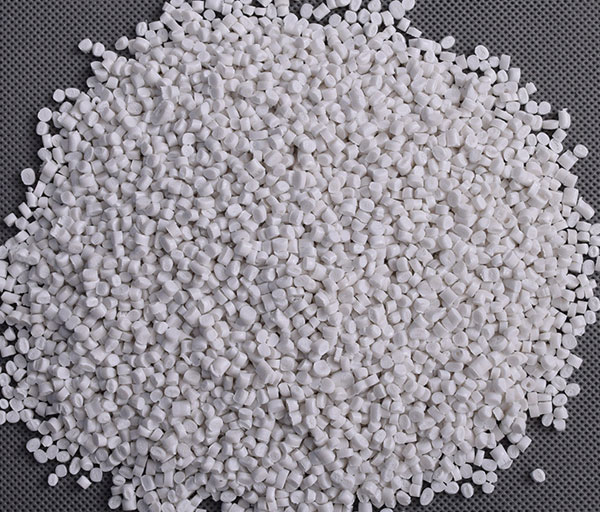
- PP (Polypropylene): Density 0.90-0.91g/cm³, melting point 164-170℃, temperature resistance -20℃ to 120℃, meets FDA food contact standards
- PC (Polycarbonate): High transparency, good strength, temperature resistance -40℃ to 130℃, suitable for high-end products
- PET: Lightweight, good transparency, temperature resistance 70℃, suitable for disposable products
Material Performance Requirements
- Tensile strength: ≥20MPa
- Flexural strength: ≥25MPa
- Notched impact strength: ≥3kJ/m²
- Mold shrinkage: 1.0-2.0%
1.3 Quality Standards
Appearance Quality
- Smooth surface, no sink marks, bubbles, or weld lines
- Uniform color, no variegated color or color difference
- No flash, burrs, or deformation