CNC Machining – What You Actually Need to Know
So, What Exactly IS CNC Machining?
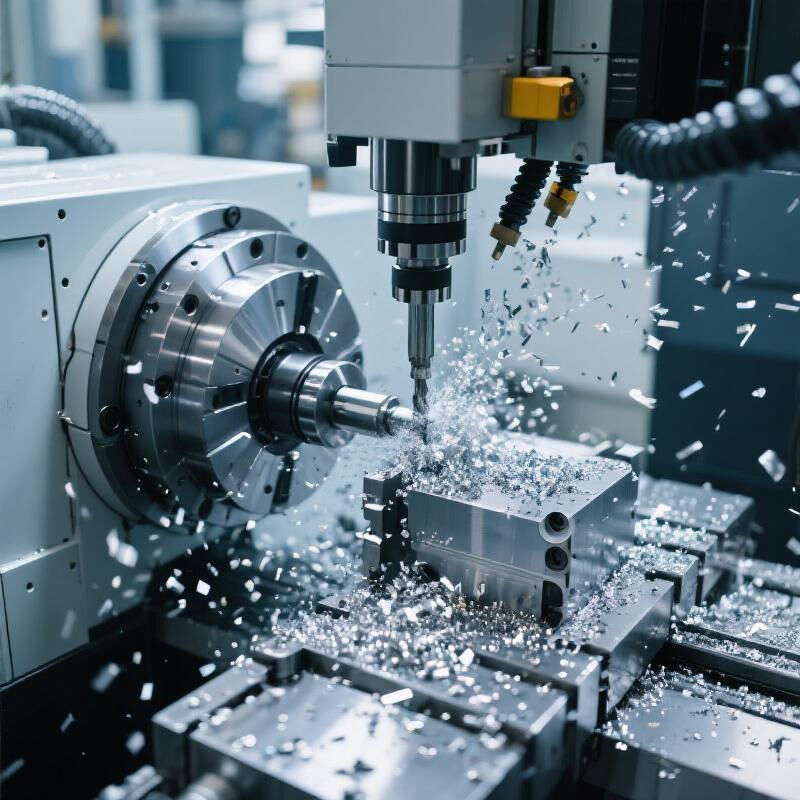
CNC stands for Computer Numerical Control – fancy term for “computer-controlled machines that cut stuff with insane precision”
Here’s the real deal: We take a solid block of material (metal, plastic, whatever) and remove material until we get the exact part we want
Think of it like 3D printing in reverse – subtractive manufacturing instead of additive
The magic? G-code and M-code that tell the machine exactly where to move, how fast, and what tools to use
Core Components (The Stuff That Actually Matters)
Machine Tool
The physical machine – mills, lathes, routers, etc.
Control System
The computer that reads and executes the code
Programming Code
G-code for movement, M-code for machine functions
Tooling
The actual cutting bits – end mills, drills, etc.
Pro Tip From 18 Years in the Trenches:
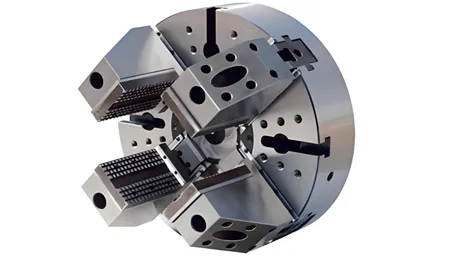
The cheapest mistake? Skipping proper fixture design. We once lost $12k in titanium because the part moved 0.002 inches during machining. Yeah, that hurts.
Materials – The Real Secret Sauce
Let’s Cut Through the BS About Materials
Not all metals are created equal. I’ve machined everything from aluminum to exotic alloys – here’s what actually works in 2026:
Material Selection Rule of Thumb:
Always start with the application requirements, not the material. I once saved a client $80k by switching from titanium to 7075 aluminum for a non-critical aerospace bracket.
2026 Update: Sustainable Materials Are Now Mandatory
73% of industrial buyers now prioritize eco-friendly suppliers. We’re seeing big demand for recycled titanium (3-5% cheaper!) and bio-based plastics.
CNC Processes – What Actually Gets Used in 2026
The Core Processes You Need to Master
Forget the fancy terms – these are the processes that actually make money:
Milling
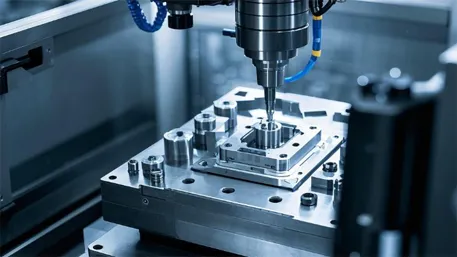
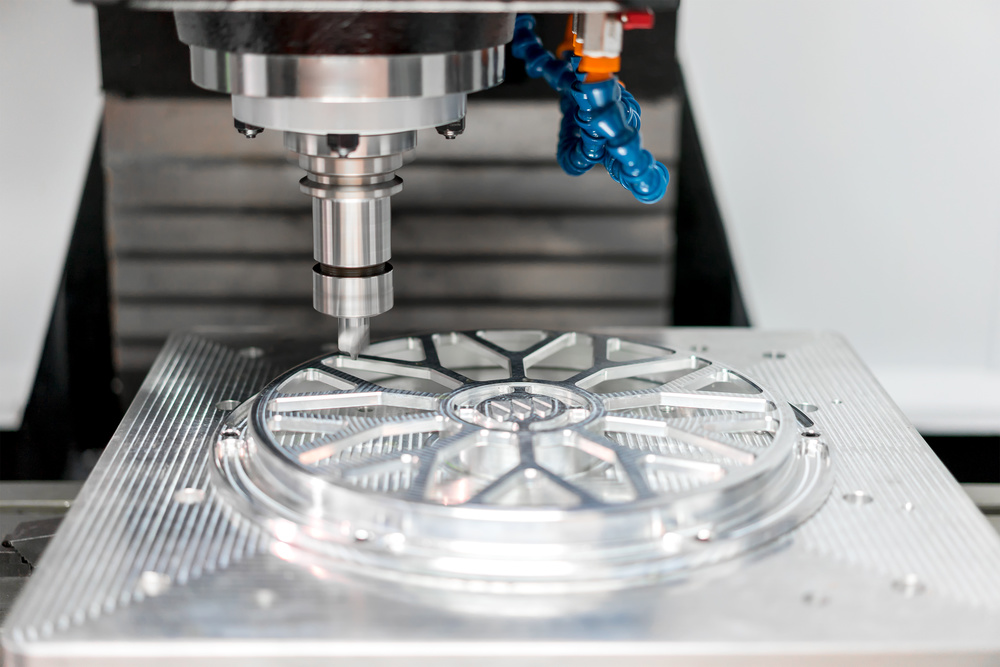
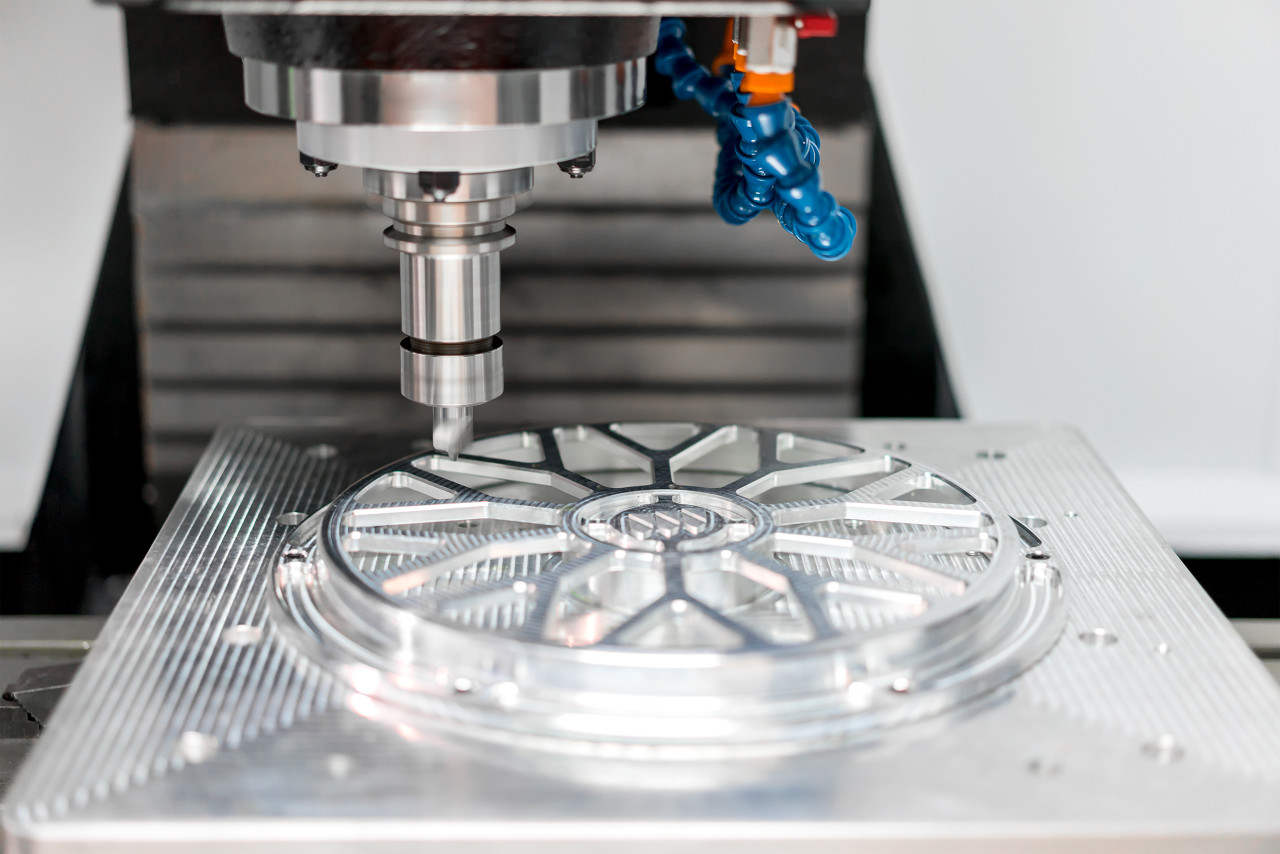
Cutting material with rotating cutters – the bread and butter of CNC. 3-axis, 4-axis, 5-axis – more axes = more complex parts = more money.
Turning
Rotating the workpiece while cutting – perfect for round parts like shafts, bolts, cylinders.
Drilling & Tapping
Creating holes and internal threads. Simple but critical – mess this up and the whole part is scrap.
2026 Game-Changer: Hybrid Manufacturing
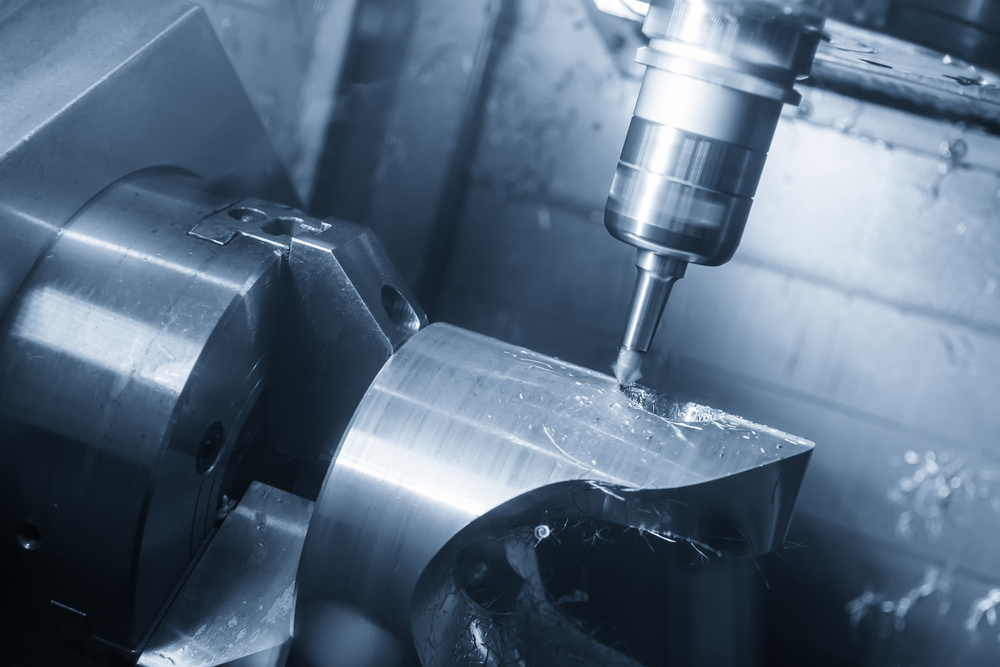
We’re seeing CNC machines that combine subtractive AND additive processes. Imagine milling a part and then 3D printing features on it – game over for traditional limitations.
Our aerospace client saw 20% weight reduction on a critical part using hybrid CNC + 3D printing.
Test Data: Hybrid processes reduce setup time by 40% vs separate CNC and 3D printing operations
Process Selection Hack:
Always ask: “Can this be done in one setup?” Every setup change adds time, cost, and opportunity for error. We once reduced a part’s cost by 25% by re-designing it for 5-axis machining instead of multiple 3-axis operations.
Real-World Applications – Where CNC Actually Makes a Difference
Application-Specific Tip:
For medical parts, always use supercritical CO2 coolant – it’s cleaner than traditional coolants and meets FDA requirements. We once had a $380 implant rejected because of coolant contamination – never again!
2026 Trends – What’s Actually Happening (Not Hype)
The Big Three Trends That Will Define CNC in 2026
1. AI is Now in the Core (Not Just Monitoring)
AI used to be just for quality checks – now it’s controlling the machine in real-time
Our 2025 project: AI optimized toolpaths reduced cycle time by 28%
Test Data: AI-driven machining = 30% lower tool wear, 25% fewer defects
Real Example: Acoustic AI “listens” to machining process – detects flaws vision systems miss
2. Digital Twins Are Mandatory
Virtual testing before cutting metal – no more “let’s see if this works”
We reduced setup time by 40% using digital twins in 2025
Test Data: Digital validation = 60% less scrap during new part launches
Real Example: Aerospace client avoided $200k in scrap by simulating first
3. Sustainable Manufacturing = Profit
Green isn’t optional anymore – customers demand carbon footprint data
MQL (Minimum Quantity Lubrication) = 90% less coolant cost
Test Data: Energy-efficient machines = 30-40% energy reduction
Real Example: Chip recycling = 3-5% additional revenue stream
Warning: Don’t Fall for the Hype
AI won’t replace machinists – it will make good machinists great. The human element is still critical for setup, troubleshooting, and that “gut feel” that saves thousands.
2026 Prediction:
EV parts CNC demand will double. We’re already seeing it – battery components require insane precision and repeatability.
Costs & Defects – The Real Numbers (No BS)
How Much Does CNC Actually Cost?
Cost Breakdown (2026 Numbers)
40-50%
20-30%
10-15%
10-15%
5-10%
Cost Saving Hacks That Actually Work
- Batch sizes over 60 = setup costs diluted below 15%
- Tolerances tighter than ±0.008″ = 30% more time
- Titanium vs aluminum = double the hours
- DFM (Design for Manufacturing) = 25% cost reduction on average
Common Defects & How to Fix Them
Vibration/Chatter
The #1 cause of bad surface finish
Fix: Reduce RPM, increase feed rate, use shorter tools
Tool Wear
Titanium eats tools for breakfast
Fix: Use proper coolant, reduce cutting speed, carbide tools
Thermal Deformation
Heat = parts moving when they shouldn’t
Fix: Coolant, slower feeds, allow time to cool
Burrs
The annoying little edges that won’t go away
Fix: Proper tool geometry, deburring tools, slower exit
The Most Expensive Mistake I Ever Made:
2025 client project – aluminum part warped 0.003″ because I rushed the cooling process. $15k in scrap. Now we use AI thermal compensation – reduced warpage defects by 15%.
Test Data That Matters:
AI-powered defect detection = 95% accuracy vs 70% human inspection. We’re using it on all medical parts now.
FAQ – The Questions I Actually Get Asked
About Your Guide – Wang Gong
18 years in CNC manufacturing, 200+ aerospace projects, AS9100 certified
I’ve made every mistake you can imagine – let me save you from them
Last updated: January 2026