5-Axis CNC – What You Actually Need to Know
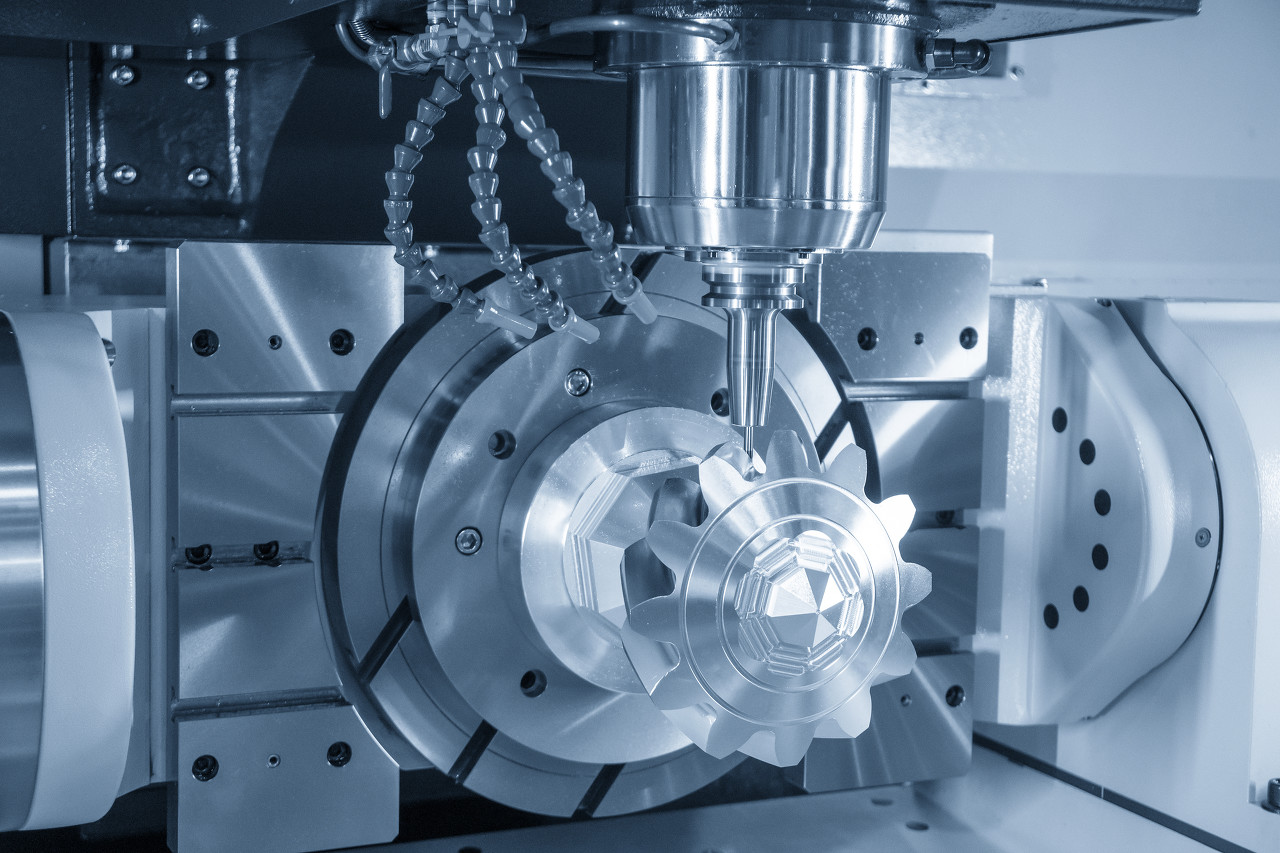
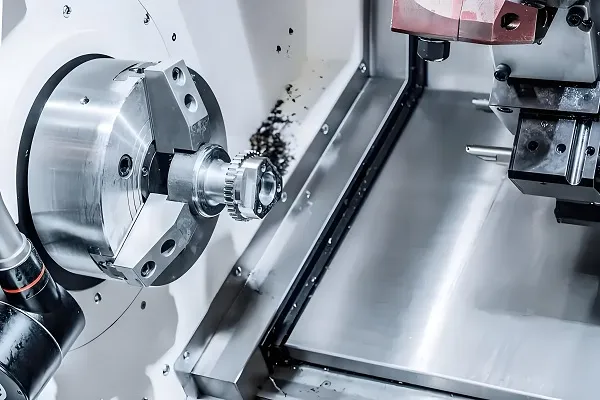
5-axis CNC machining center producing complex aluminum automotive components
So, What Exactly IS 5-Axis CNC Machining?
5-axis CNC machining is the Rolls-Royce of manufacturing – it adds two rotational axes (A and B) to the standard X, Y, Z linear axes
Here’s the real deal: We can machine complex geometries in ONE setup instead of multiple setups on 3-axis machines
Think of it like having a Swiss Army knife vs a regular knife – same purpose, but way more capabilities
The magic? Simultaneous 5-axis movement allows the tool to always be at the optimal angle to the workpiece
The Five Axes Explained (No Boring Tech Jargon)
X-Axis
Left-right movement – think of it as moving the tool horizontally across the table
Y-Axis
Front-back movement – like pushing the tool in and out from the operator
Z-Axis
Up-down movement – how deep we cut into the material
A-Axis
Rotation around X-axis – tilts the table forward/backward like a seesaw
Pro Tip From 18 Years in the Trenches:
The biggest mistake? Not using simultaneous 5-axis when you should. We once saved a client $120k by switching from 3-axis (6 setups) to 5-axis (1 setup) for a complex aerospace bracket.
5-Axis vs 3/4 Axis – The Real Battle in 2026
Stop the Hype – Here’s When to Use Which
Everyone’s asking: Do I really need 5-axis? The answer depends on what you’re making and why.
I’ve run all three types for 18 years – here’s the real comparison that matters:
Choose 3-Axis When:
- You have simple 2D or 2.5D parts
- All features are on the same side
- Cost is your #1 concern
- You’re making flat plates or simple housings
- Production volume is very high with simple parts
Choose 5-Axis When:
- You have complex 3D geometries
- Features are on multiple sides
- Tolerances are tight (±0.001″ or better)
- You need excellent surface finish
- You want to reduce setup time by 70-90%
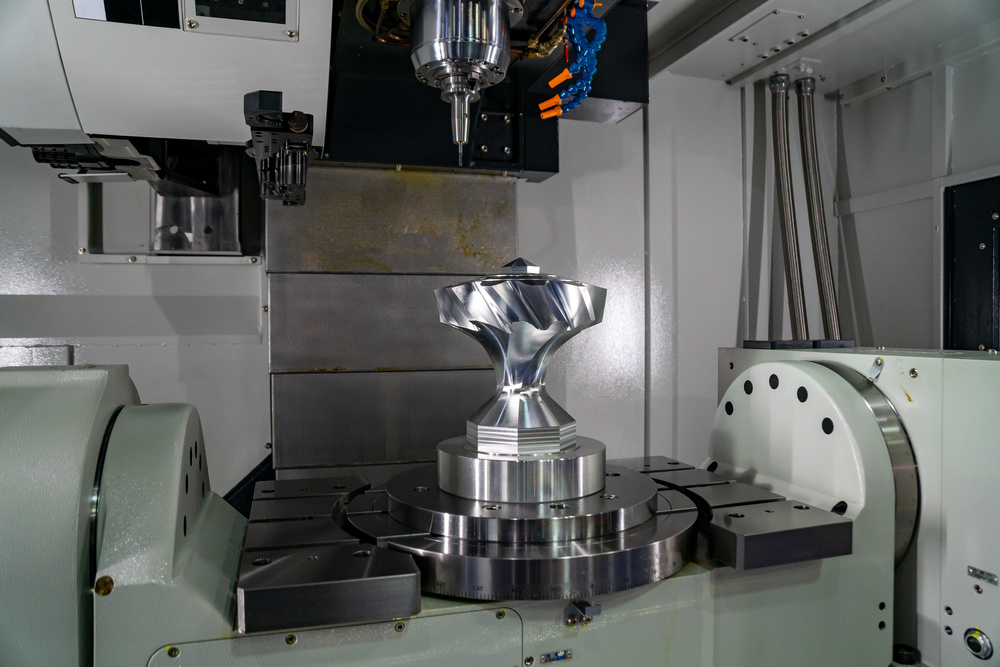
5-axis CNC machining center producing complex metal component with high precision
3-Axis vs 4-Axis vs 5-Axis – Technical Comparison 2026
2026 Prediction:
5-axis machines will become the standard for most precision manufacturing by 2028. The price gap is closing, and the productivity gains are too big to ignore. We’re already seeing small shops investing in entry-level 5-axis machines.
Materials – What Works Best on 5-Axis Machines
Let’s Cut Through the BS About Materials for 5-Axis
Not all metals behave the same on 5-axis machines. I’ve machined everything from aluminum to exotic alloys – here’s what actually works in 2026:
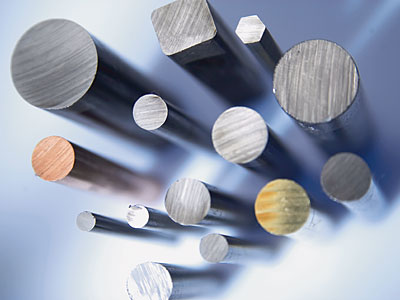
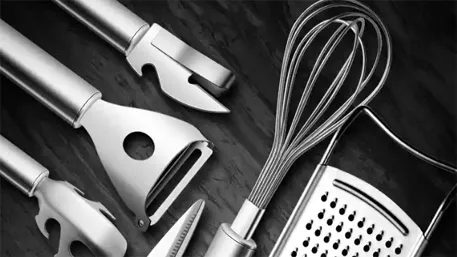
CNC machining materials showing aluminum, steel, titanium, copper and other metals
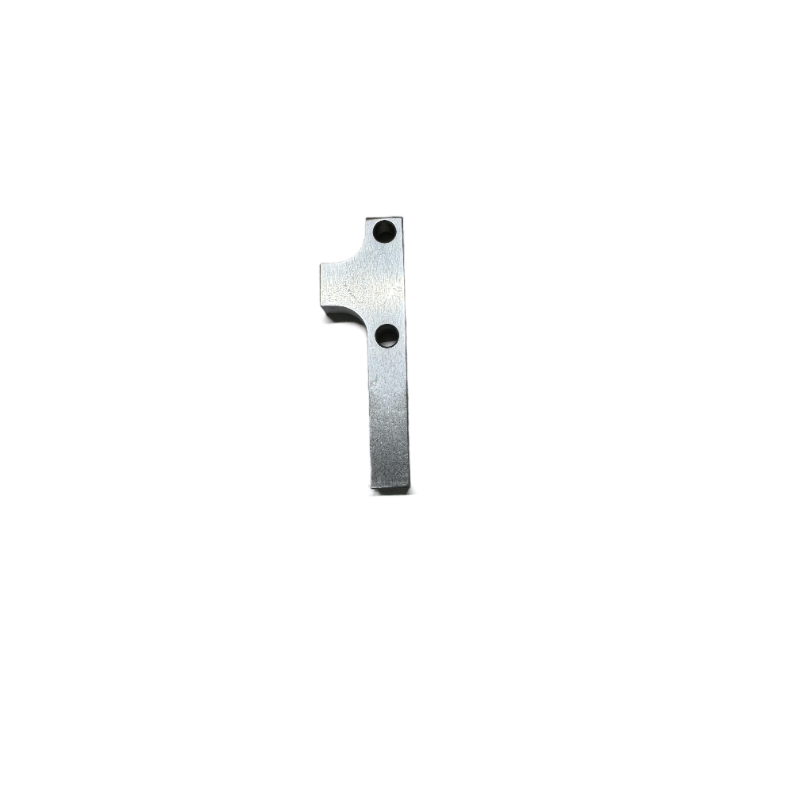
5-axis CNC machined titanium part showing precision and complex geometry
5-Axis Material Selection Guide – 2026 Update
Material Selection Rule of Thumb:
Always start with the application requirements, not the material. I once saved a client $80k by switching from titanium to 7075 aluminum for a non-critical aerospace bracket.
2026 Update: Sustainable Materials Are Now Mandatory
73% of industrial buyers now prioritize eco-friendly suppliers. We’re seeing big demand for recycled titanium (3-5% cheaper!) and bio-based plastics.
Real-World Applications – Where 5-Axis Shines
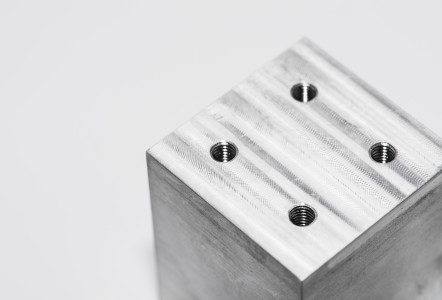
Industry-Specific 5-Axis Requirements – 2026 Update
Costs & Pricing – The Real Numbers (No BS)
How Much Does 5-Axis Actually Cost?
Cost Breakdown (2026 Numbers)
40-50%
20-30%
10-15%
10-15%
5-10%
Cost Saving Hacks That Actually Work
- Batch sizes over 60 = setup costs diluted below 15%
- Tolerances tighter than ±0.008″ = 30% more time
- Titanium vs aluminum = double the hours
- Avoid deep pockets (>4x tool diameter)
- DFM (Design for Manufacturing) = 25% cost reduction on averag
5-Axis CNC Machining Cost Estimation Guide 2026
The Most Expensive Mistake I Ever Made:
2025 client project – titanium part warped 0.003″ because I rushed the cooling process. $15k in scrap. Now we use AI thermal compensation – reduced warpage defects by 15%.
Defects & Solutions – How to Fix What Breaks
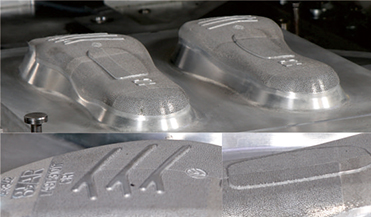
5-axis CNC machining defects comparison showing surface finish issues and dimensional inaccuracies
Common 5-Axis Defects & How to Fix Them
I’ve seen every defect imaginable in 18 years. Here’s what actually causes them and how to fix them:
Vibration/Chatter
Causes: Tool overhang, incorrect feeds/speeds, machine rigidity
Fix: Reduce RPM, increase feed rate, use shorter tools, add rigidity
Poor Surface Finish
Causes: Dull tools, incorrect toolpath, vibration
Fix: Sharpen tools, optimize toolpath, use climb milling
Dimensional Inaccuracy
Causes: Thermal expansion, tool wear, fixture movement
Fix: Allow cooling time, use wear compensation, improve fixturing
5-Axis CNC Defect Diagnosis & Troubleshooting Guide
AI Integration – The Future is Now
AI in 5-Axis CNC – What’s Actually Working in 2026
AI isn’t just hype anymore – it’s actually making 5-axis machining better, faster, and cheaper.
Here’s what we’re using in our shop right now:
Real-Time Process Optimization
AI adjusts feeds, speeds, and toolpaths while machining based on sensor data
Our test: Reduced cycle time by 28% on aerospace parts
Predictive Maintenance
AI predicts tool wear and machine failures before they happen
Reduced unplanned downtime by 40% in 2025
Defect Detection
Computer vision detects defects during machining, not after
95% accuracy vs 70% human inspection
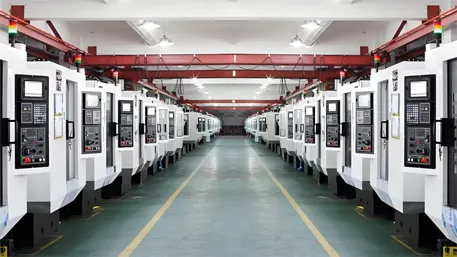
AI-powered 5-axis CNC machining center with real-time monitoring and optimization
AI Benefits We’ve Actually Measured
Cycle Time Reduction
28%
On aerospace turbine components
Tool Life Extension
35%
With predictive wear compensation
Defect Reduction
75%
With real-time defect detection
Downtime Reduction
40%
With predictive maintenance
2026 Prediction:
AI will become standard on all new 5-axis machines by 2027. The cost savings are too significant to ignore. We’re already seeing entry-level machines with basic AI features.
Hybrid Manufacturing – The Best of Both Worlds
Hybrid 5-Axis CNC – What It Is and Why It Matters
Hybrid manufacturing combines 5-axis CNC machining with 3D printing in one machine.
Here’s why we’re excited about it:
Complex Internal Geometries
3D print complex internal structures that would be impossible to machine
We reduced weight by 20% on an aerospace bracket
Precision Finishing
5-axis CNC machines the critical surfaces to tight tolerances
±0.0005″ tolerance on 3D printed parts
Material Efficiency
Reduced material waste by 50% compared to traditional machining
Big win for expensive materials like titanium
Hybrid 5-axis CNC machining and 3D printing technology combining additive and subtractive manufacturing
Hybrid Manufacturing Success Story:
2025 aerospace project – we 3D printed the internal structure of a turbine blade and then 5-axis machined the outer surfaces. Result: 20% weight reduction, 30% faster production, and same structural integrity. The client saved $120k on the first order.
2026 Trends – What’s Actually Happening (Not Hype)
The Big Three Trends That Will Define 5-Axis CNC in 2026
1. AI is Now in the Core (Not Just Monitoring)
AI used to be just for quality checks – now it’s controlling the machine in real-time
Our 2025 project: AI optimized toolpaths reduced cycle time by 28%
Test Data: AI-driven machining = 30% lower tool wear, 25% fewer defects
Real Example: Acoustic AI “listens” to machining process – detects flaws vision systems miss
2. Digital Twins Are Mandatory
Virtual testing before cutting metal – no more “let’s see if this works”
We reduced setup time by 40% using digital twins in 2025
Test Data: Digital validation = 60% less scrap during new part launches
Real Example: Aerospace client avoided $200k in scrap by simulating first
3. Sustainable Manufacturing = Profit
Green isn’t optional anymore – customers demand carbon footprint data
MQL (Minimum Quantity Lubrication) = 90% less coolant cost
Test Data: Energy-efficient machines = 30-40% energy reduction
Real Example: Chip recycling = 3-5% additional revenue stream
2026 5-Axis CNC Technology Trends & Adoption Timeline
Warning: Don’t Fall for the Hype
AI won’t replace machinists – it will make good machinists great. The human element is still critical for setup, troubleshooting, and that “gut feel” that saves thousands.
2026 Prediction:
EV parts 5-axis demand will double. We’re already seeing it – battery components require insane precision and repeatability. The factories that survive will be the ones that adapt to this shift quickly.
FAQ – The Questions I Actually Get Asked
About Your Guide – Wang Gong
18 years in 5-axis CNC manufacturing, 200+ aerospace projects, AS9100 certified
I’ve made every mistake you can imagine – let me save you from them
Last updated: January 2026