Complete Guide to Types, Benefits and Applications
Introduction to Electroplating for CNC Machined Parts
Electroplating is a widely used surface finishing process in CNC machining that enhances the performance, durability, and appearance of parts.
By depositing a thin metal layer onto the surface of a machined component, electroplating improves corrosion resistance, electrical conductivity,
and wear resistance.
As a CNC machining professional with 20 years of experience, I’ve seen how electroplating can transform ordinary machined parts into
high-performance components that meet the most demanding industry requirements. The process is commonly applied to CNC machined parts in
industries such as automotive, electronics, aerospace, and industrial equipment.
Electroplating not only improves the functional properties of CNC parts but also enhances their aesthetic appeal, making them suitable for
both internal components and external applications where appearance matters. With various plating options available, engineers can select
the best electroplating type based on specific application requirements.
What is Electroplating?
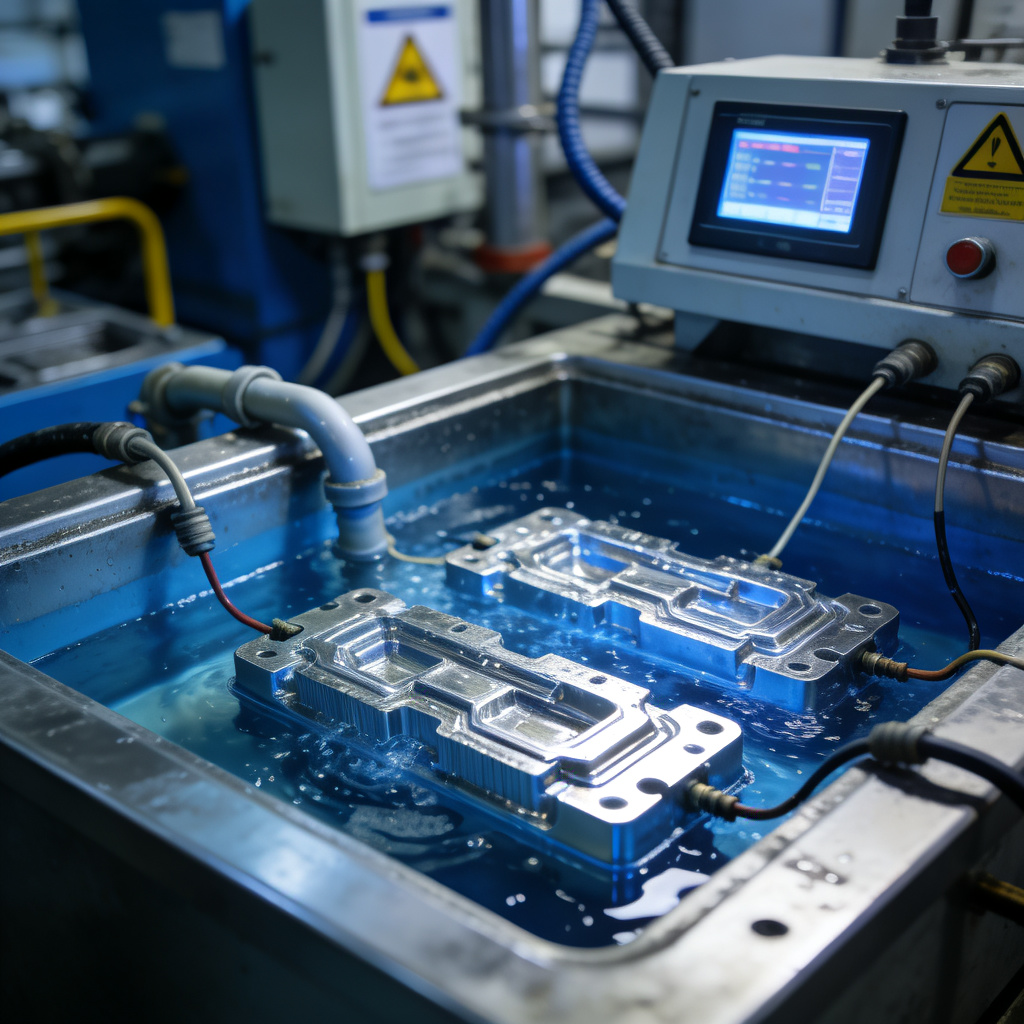
Electroplating is a process that uses an electric current to deposit a thin layer of metal onto the surface of a workpiece.
The part is immersed in an electrolyte solution containing metal ions, and when an electric current is passed through the solution,
the metal ions are reduced onto the part’s surface, forming a protective coating.
The electroplating process involves several key components: the workpiece (cathode), an anode made of the metal to be deposited,
an electrolyte solution containing metal salts, and a direct current power supply. The current causes metal ions to migrate from
the anode to the cathode, where they are deposited as a thin, uniform layer.
The thickness of the plated layer can be precisely controlled by adjusting the current density and plating time.
Typical plating thickness ranges from 0.5 to 50 microns, depending on the application requirements and the type of metal being deposited.
Why Electroplating is Used for CNC Machined Parts
Electroplating significantly enhances the functional properties of CNC machined parts, making them more durable, reliable, and suitable for
demanding applications. Here are the key reasons why electroplating is widely used in CNC machining:
Corrosion Resistance
One of the primary reasons for electroplating is to improve corrosion resistance. The plated layer acts as a barrier between the base
material and the environment, preventing oxidation and rust formation. This is especially important for parts used in harsh environments
or exposed to moisture, chemicals, or salt spray.
Test Results:
Salt spray tests show that electroplated parts can withstand 500-2000 hours of exposure without significant corrosion,
depending on the plating type and thickness.
Wear Resistance
Electroplating increases the surface hardness of CNC parts, making them more resistant to wear, abrasion, and scratching.
This extends the service life of components, especially those that experience friction or contact with other parts.
Hardness Comparison:
- Steel parts: ~200 HV (untreated)
- Hard chrome plating: 800-1000 HV
- Nickel plating: 400-600 HV
Electrical Conductivity
Certain plating materials like gold, silver, and copper provide excellent electrical conductivity, making them ideal for
electronic components, connectors, and contacts where reliable electrical performance is critical.
Conductivity Values:
- Gold plating: 4.1×10^7 S/m
- Silver plating: 6.3×10^7 S/m
- Copper plating: 5.96×10^7 S/m
Aesthetic Appeal
Electroplating can improve the appearance of CNC parts by providing a smooth, uniform finish in various colors.
This makes parts more attractive and suitable for applications where appearance is important.
Available Finishes:
- Bright, satin, or matte finishes
- Silver, gold, black, and other colors
- Decorative and functional combinations
Types of Electroplating for CNC Machined Parts
Nickel Plating
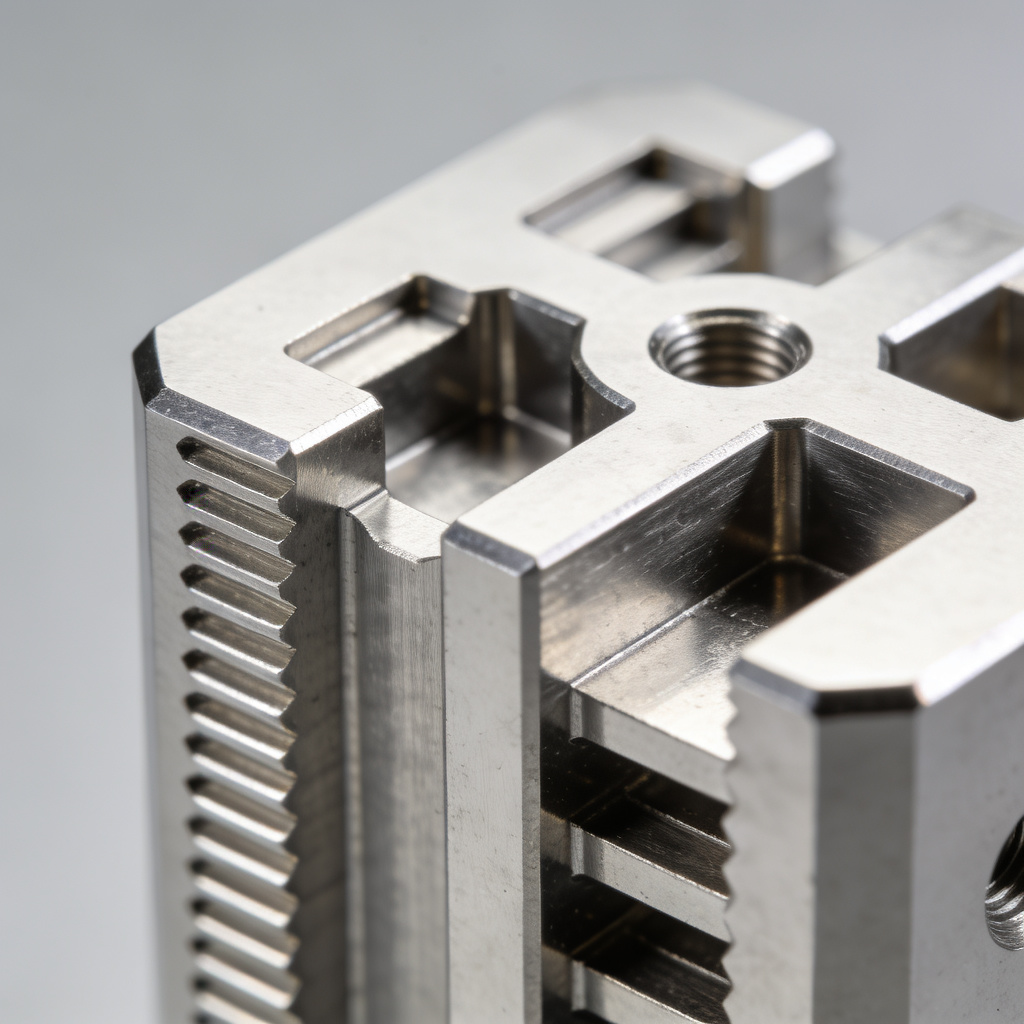
Nickel plating is one of the most versatile electroplating processes, offering excellent corrosion resistance, wear resistance,
and a smooth, attractive finish. It can be applied to a wide range of base materials including steel, aluminum, brass, and plastic.
Key Characteristics:
- Thickness: 0.5-25μm
- Hardness: 400-600 HV
- Corrosion resistance: Excellent
- Surface finish: Bright or satin
- Temperature resistance: Up to 200°C
- Cost: Moderate
Typical Applications:
- Mechanical components
- Industrial equipment parts
- Hydraulic cylinders
- Pump components
- Food processing equipment
- Medical devices
- Aerospace components
- Electrical connectors
Chrome Plating
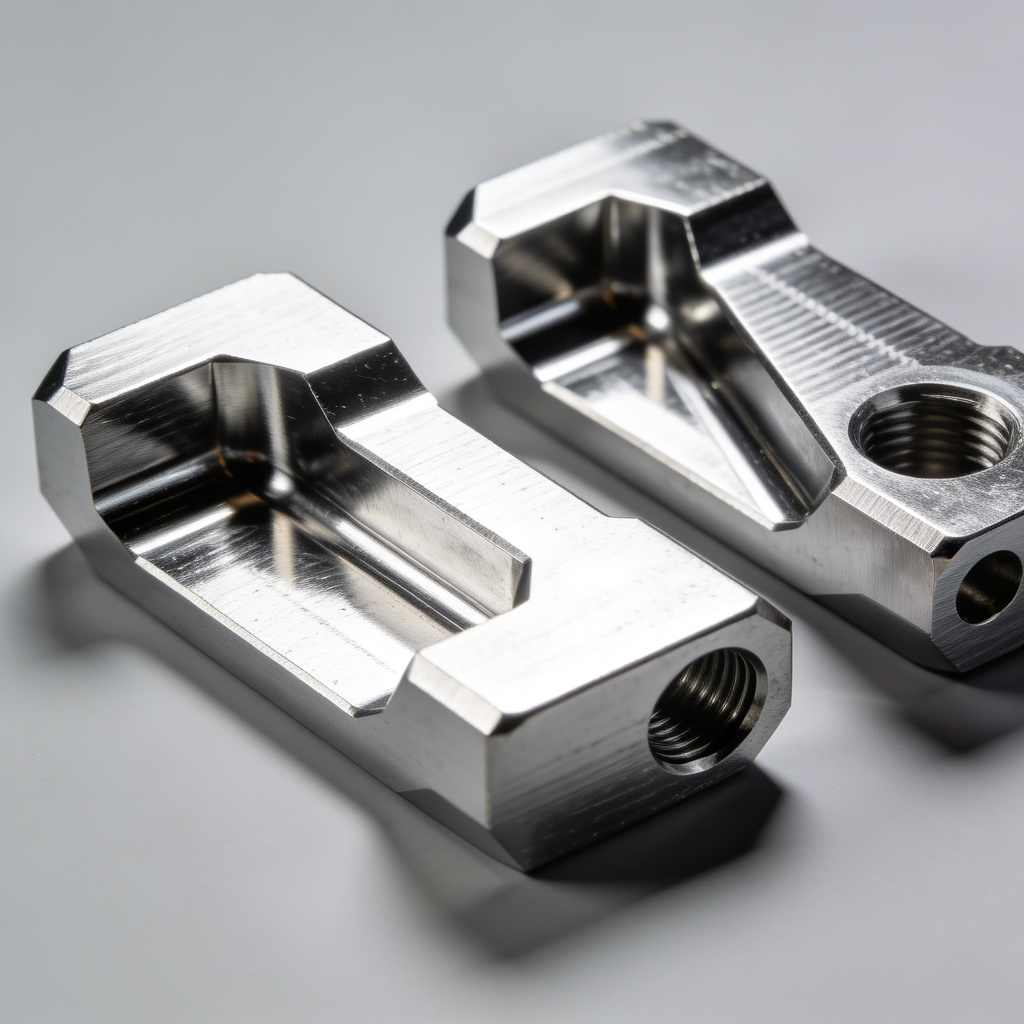
Chrome plating, also known as chromium plating, provides exceptional hardness, wear resistance, and corrosion protection.
It is available in two main types: decorative chrome plating and hard chrome plating. Decorative chrome offers a bright,
mirror-like finish, while hard chrome provides maximum wear resistance.
Key Characteristics:
- Thickness: 0.1-50μm (decorative), 25-500μm (hard chrome)
- Hardness: 800-1000 HV
- Corrosion resistance: Excellent
- Surface finish: Mirror-like or satin
- Temperature resistance: Up to 400°C
- Cost: High
Typical Applications:
- Automotive parts
- Molds and dies
- Hydraulic rods
- Piston rods
- Industrial machinery
- Tooling components
- Decorative hardware
- Plating racks
Zinc Plating
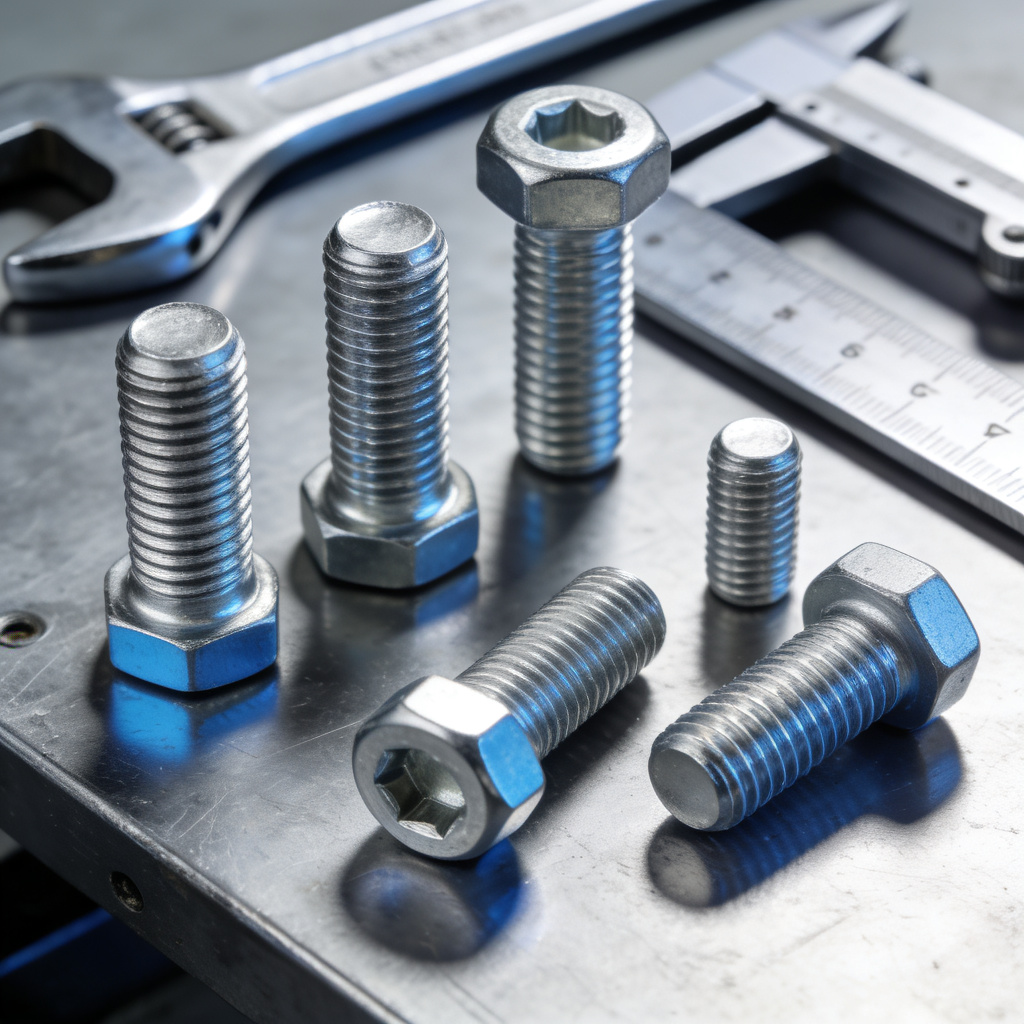
Zinc plating is a cost-effective electroplating process that provides excellent corrosion protection for steel and iron parts.
It acts as a sacrificial anode, corroding itself to protect the base material. Zinc plating can be enhanced with chromate conversion
coatings to further improve corrosion resistance.
Key Characteristics:
- Thickness: 5-25μm
- Hardness: 80-120 HV
- Corrosion resistance: Good to excellent
- Surface finish: Clear, yellow, or black
- Temperature resistance: Up to 120°C
- Cost: Low
Typical Applications:
- Bolts and nuts
- Screws and fasteners
- Sheet metal parts
- Automotive components
- Construction hardware
- Electrical enclosures
- Furniture parts
- Industrial fasteners
Gold and Silver Plating
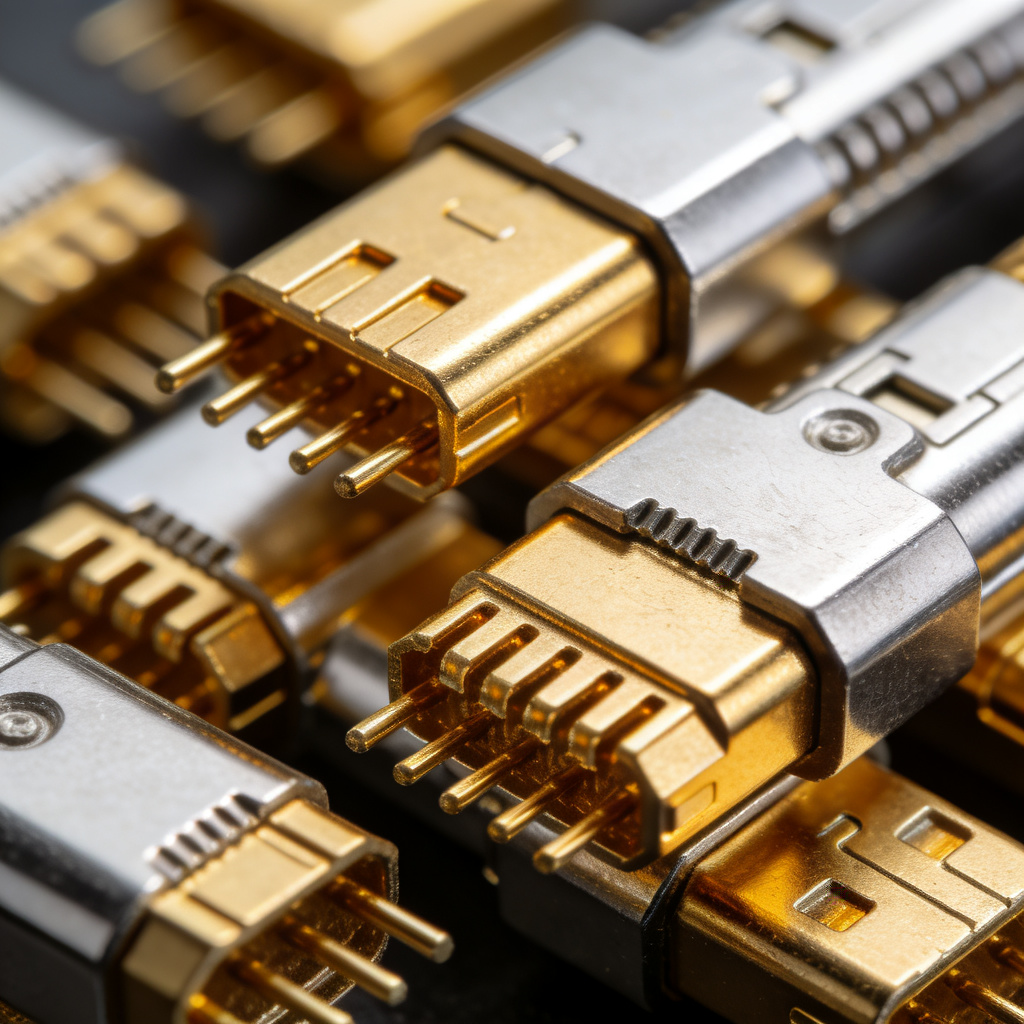
Gold and silver plating are premium electroplating processes that provide excellent electrical conductivity, corrosion resistance,
and aesthetic appeal. Gold plating is highly resistant to tarnishing and oxidation, making it ideal for critical electronic applications.
Silver plating offers the highest electrical conductivity of any metal.
Key Characteristics:
- Thickness: 0.1-5μm (gold), 0.5-25μm (silver)
- Hardness: 80-120 HV (gold), 60-90 HV (silver)
- Corrosion resistance: Excellent (gold), good (silver)
- Surface finish: Bright, decorative
- Temperature resistance: Up to 300°C
- Cost: High
Typical Applications:
- Electronic connectors
- Switch contacts
- Printed circuit boards
- RF components
- Medical devices
- Aerospace components
- Jewelry and decorative items
- High-end consumer electronics
Electroplating Process Explained
The electroplating process involves several carefully controlled steps to ensure proper adhesion, uniform thickness, and high-quality results.
Each step is critical to the final outcome and requires precise control of process parameters.
1. Surface Preparation
Proper surface preparation is essential to ensure good adhesion of the plated layer. This includes cleaning the part to remove oils,
grease, dirt, and any surface contaminants that could interfere with the plating process.
- Degreasing with alkaline cleaners
- Acid pickling to remove oxides
- Electrolytic cleaning
- Ultrasonic cleaning for complex parts
2. Rinsing
After each cleaning step, the parts must be thoroughly rinsed to remove any residual chemicals. Proper rinsing prevents contamination
of subsequent baths and ensures consistent plating results.
- Multiple rinsing stages
- DI water final rinse
- Air drying between steps
- Quality control checks
3. Electroplating
The parts are immersed in the plating bath and connected as the cathode. An electric current is applied, causing metal ions to deposit
onto the part surface. Process parameters are carefully controlled to ensure uniform thickness and quality.
- Precise current control
- Temperature monitoring
- Agitation of plating solution
- Time control for thickness
4. Post-Treatment
After plating, parts undergo post-treatment processes to enhance corrosion resistance, improve appearance, and ensure long-term durability.
This may include passivation, sealing, or additional coatings.
- Passivation treatments
- Sealing for porous coatings
- Chromate conversion coatings
- Final inspection and packaging
Applications of Electroplated CNC Machined Parts
Electroplated CNC machined parts are used in a wide range of industries and applications due to their enhanced properties and performance.
Here are some of the key industries that benefit from electroplating:
Automotive Industry
The automotive industry extensively uses electroplated CNC parts for both functional and decorative applications.
Electroplating provides corrosion protection, wear resistance, and improved appearance for various automotive components.
Common Applications:
- Engine components
- Transmission parts
- Suspension components
- Decorative trim and hardware
Electronics Industry
The electronics industry relies heavily on electroplated CNC parts for their excellent electrical conductivity,
corrosion resistance, and solderability. Precious metal plating is commonly used for critical electronic components.
Common Applications:
- Connectors and contacts
- PCB components
- Switch and relay parts
- Heat sinks and enclosures
Aerospace Industry
The aerospace industry requires components that can withstand extreme conditions and provide reliable performance.
Electroplating enhances the durability, corrosion resistance, and wear resistance of critical aerospace components.
Common Applications:
- Aircraft structural parts
- Engine components
- Avionics parts
- Landing gear components
Medical Industry
The medical industry uses electroplated CNC parts for their biocompatibility, corrosion resistance, and ease of sterilization.
Electroplating provides a smooth, clean surface that meets strict medical standards.
Common Applications:
- Surgical instruments
- Medical device components
- Implantable devices
- Dental equipment
Industrial Machinery
Industrial machinery requires components that can withstand heavy use and harsh operating conditions.
Electroplating provides excellent wear resistance and corrosion protection for industrial equipment parts.
Common Applications:
- Hydraulic components
- Pneumatic parts
- Gear and bearing components
- Tooling and dies
Consumer Products
Consumer products often use electroplated CNC parts for their attractive appearance and improved durability.
Electroplating provides a high-quality finish that enhances the perceived value of consumer goods.
Common Applications:
- Appliance components
- Furniture hardware
- Sports equipment parts
- Decorative items
Electroplating vs Other Surface Finishes
When choosing a surface finish for CNC machined parts, it’s important to compare electroplating with other available options.
Each surface finishing process has its own advantages, disadvantages, and ideal applications.
As someone with 20 years of experience in surface finishing, I’ve worked with all these processes and understand their specific
characteristics. The choice depends on factors such as performance requirements, budget, material compatibility, and aesthetic preferences.
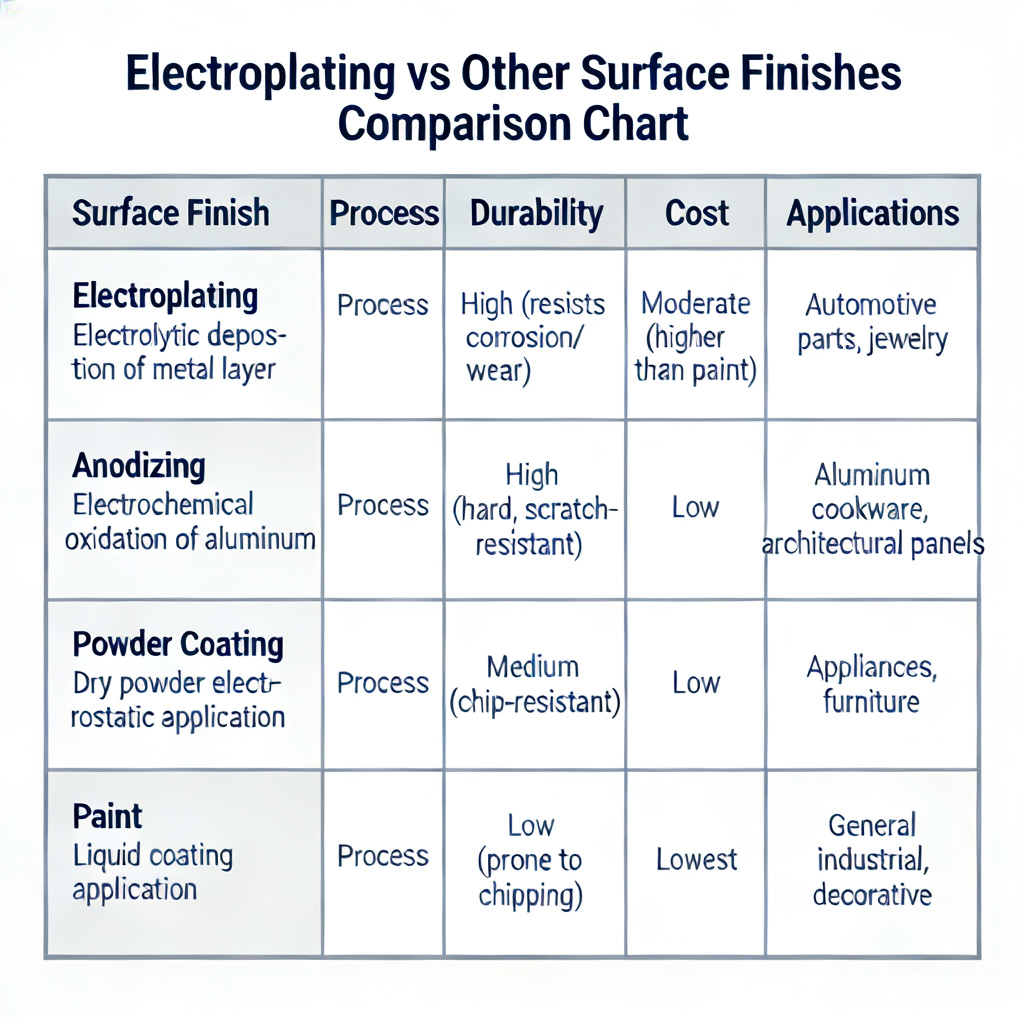
| Surface Finish | Process Type | Corrosion Resistance | Wear Resistance | Electrical Conductivity | Cost | Best Applications |
|---|---|---|---|---|---|---|
| Electroplating | Electrolytic deposition | Excellent | Excellent | Excellent (varies by metal) | Moderate to High | Automotive, electronics, aerospace |
| Anodizing | Electrochemical oxidation | Excellent | Good | Poor (insulator) | Low | Aluminum parts, consumer products |
| Powder Coating | Electrostatic deposition | Good | Good | Poor (insulator) | Low | Industrial equipment, appliances |
| Painting | Liquid coating | Moderate | Moderate | Poor (insulator) | Lowest | Decorative applications, general use |
| Polishing | Mechanical finishing | Poor | Moderate | Excellent (conductive) | Low | Decorative parts, food equipment |
Design Considerations for Electroplating
Designing CNC machined parts for electroplating requires careful consideration of several factors to ensure successful plating results
and optimal performance. Proper design can significantly improve plating quality, reduce costs, and enhance the overall functionality of the parts.
Geometry and Shape
Part geometry significantly affects plating uniformity. Sharp corners, deep recesses, and complex features can cause uneven plating thickness
and coverage. Proper design can help ensure uniform plating results.
- Use rounded corners (minimum 0.5mm radius)
- Avoid deep recesses and blind holes
- Provide adequate drainage paths
- Ensure uniform access for plating solution
Material Selection
The base material affects plating adhesion, appearance, and performance. Some materials require special pre-treatment processes
to ensure proper plating results.
- Steel and iron: Excellent plating compatibility
- Aluminum requires zinc strike pre-treatment
- Plastics need special activation processes
- Brass and copper: Good plating adhesion
Tolerance Considerations
Electroplating adds material to the part surface, which can affect critical dimensions and tolerances. Proper tolerance compensation
is essential to ensure parts meet their final specifications.
- Allow for plating thickness in tolerances
- Consider clearance for moving parts
- Account for dimensional changes in fits
- Specify plating thickness in drawings
Masking Requirements
Some areas of the part may need to be masked to prevent plating. Proper masking design ensures that critical surfaces, threads,
and bearing surfaces remain free of plating.
- Identify areas that require masking
- Provide access for masking application
- Consider removable masking fixtures
- Design features that facilitate masking
Cost of Electroplating for CNC Machined Parts
The cost of electroplating CNC machined parts depends on several factors including the type of plating, part size and complexity,
plating thickness, production volume, and quality requirements. Understanding these cost factors can help you optimize your design
and budget for electroplating services.
Typical Cost Ranges
Zinc Plating Costs
- Simple parts: $0.10 – $0.50 per part
- Medium complexity: $0.50 – $1.50 per part
- Complex parts: $1.50 – $3.00 per part
- With chromate conversion: 20-50% additional cost
Nickel Plating Costs
- Simple parts: $0.50 – $1.50 per part
- Medium complexity: $1.50 – $4.00 per part
- Complex parts: $4.00 – $8.00 per part
- Bright nickel: 15-30% additional cost
Chrome Plating Costs
- Decorative chrome: $1.00 – $3.00 per part
- Hard chrome: $2.00 – $6.00 per part
- Large parts: $6.00 – $15.00 per part
- Thick hard chrome: $15.00+ per part
Precious Metal Plating Costs
- Silver plating: $2.00 – $8.00 per part
- Gold plating: $5.00 – $20.00 per part
- Palladium plating: $8.00 – $30.00 per part
- Rhodium plating: $15.00 – $50.00 per part
Key Cost Factors
Part Size and Complexity
Larger parts and parts with complex geometries require more plating solution, longer processing times, and more labor,
all of which increase costs. Intricate internal features may require specialized handling or masking.
Plating Type and Thickness
The type of plating significantly affects cost. Precious metals like gold and silver are much more expensive than zinc or nickel.
Thicker plating also increases costs due to higher material usage and longer processing times.
Production Volume
Larger production volumes typically result in lower per-part costs due to economies of scale. Setup costs can be spread across more parts,
and batch processing is more efficient.
Quality Requirements
Higher quality requirements, such as tighter thickness tolerances, special finishes, or additional testing, will increase costs.
Military or aerospace specifications often require more stringent quality control.
FAQ About Electroplating for CNC Machined Parts
What is the best electroplating for CNC parts?
The best electroplating type depends on the specific application requirements. For corrosion protection on steel parts, zinc plating is
a cost-effective choice. For wear resistance, hard chrome plating is excellent. For electrical conductivity, gold or silver plating
is ideal. For general-purpose applications, nickel plating offers a good balance of properties.
Is nickel plating better than chrome plating?
Nickel plating and chrome plating have different properties and applications. Nickel plating offers better corrosion resistance and
can be applied thicker, while chrome plating provides superior hardness and wear resistance. Chrome plating is often used over nickel
for decorative applications to provide a bright, scratch-resistant finish.
How thick is electroplating typically applied?
Electroplating thickness varies depending on the application. Zinc plating is typically 5-25μm thick, nickel plating ranges from 0.5-25μm,
decorative chrome plating is 0.1-0.5μm, and hard chrome plating can be 25-500μm thick. The required thickness depends on factors such as
the desired corrosion resistance, wear resistance, and functional requirements.
Can aluminum be electroplated?
Yes, aluminum can be electroplated, but it requires special pre-treatment processes to ensure proper adhesion. The process typically involves
zinc strike or immersion plating to prepare the aluminum surface before the final electroplating process. This ensures that the plating adheres
properly to the aluminum surface.
How long does electroplating last?
The lifespan of electroplated surfaces depends on the plating type, thickness, and environmental conditions. Zinc plating can last 5-15 years
in normal environments, while nickel plating can last 10-25 years. Hard chrome plating can last 20-50 years or more in industrial applications.
In harsh environments, the lifespan may be shorter but still significantly longer than unplated parts.
What is the difference between electroplating and electroless plating?
Electroplating uses an electric current to deposit metal onto the workpiece, while electroless plating uses a chemical reaction without
electricity. Electroplating allows for better control over thickness and can produce thicker coatings, while electroless plating provides
more uniform coverage on complex shapes and does not require electrical contact.
Can electroplated parts be welded?
Yes, electroplated parts can be welded, but the plating may need to be removed from the weld area to ensure quality welds.
The plating material can affect the welding process and the quality of the weld joint. It’s generally recommended to remove plating
from areas that will be welded to avoid contamination and ensure proper weld penetration.
Ready to Start Your Electroplating Project?
Our team of experienced engineers specializes in electroplating for CNC machined parts with over 20 years of industry experience.
We can help you select the right plating type, optimize your design for plating, and deliver high-quality parts that meet your exact specifications.
Upload your CAD files and we’ll provide a detailed quote within 24 hours, including recommendations for plating type, thickness,
and design optimizations to ensure the best results.
Related CNC Machining Resources