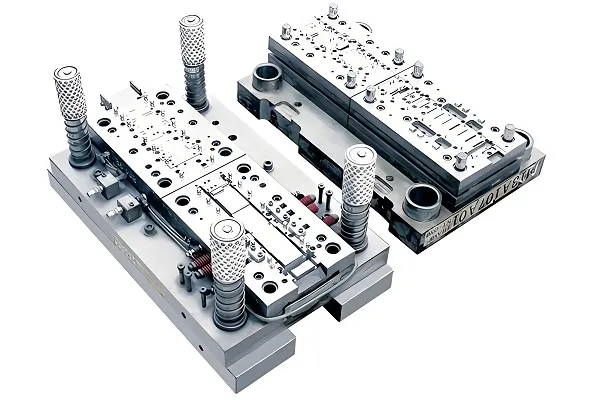
Key Differences, Cost and Applications – Complete Guide to Choosing the Right CNC Machining Process
Introduction to 3 Axis vs 5 Axis CNC Machining
CNC machining is widely used for manufacturing precision parts across industries. Among the various machining methods,
3 axis and 5 axis CNC machining are the most commonly used approaches.
As a CNC machining professional with 20 years of experience, I’ve worked extensively with both 3 axis and 5 axis machines
and understand their unique capabilities, limitations, and cost implications.
While both processes offer high accuracy and efficiency, they differ significantly in terms of capability, cost, and application.
Understanding the differences between 3 axis and 5 axis CNC machining can help engineers and buyers choose the most suitable
manufacturing solution for their specific needs.
This comprehensive guide will compare 3 axis and 5 axis CNC machining in detail, covering their key differences, advantages,
applications, costs, and how to choose the right process for your project.
What is 3 Axis CNC Machining?
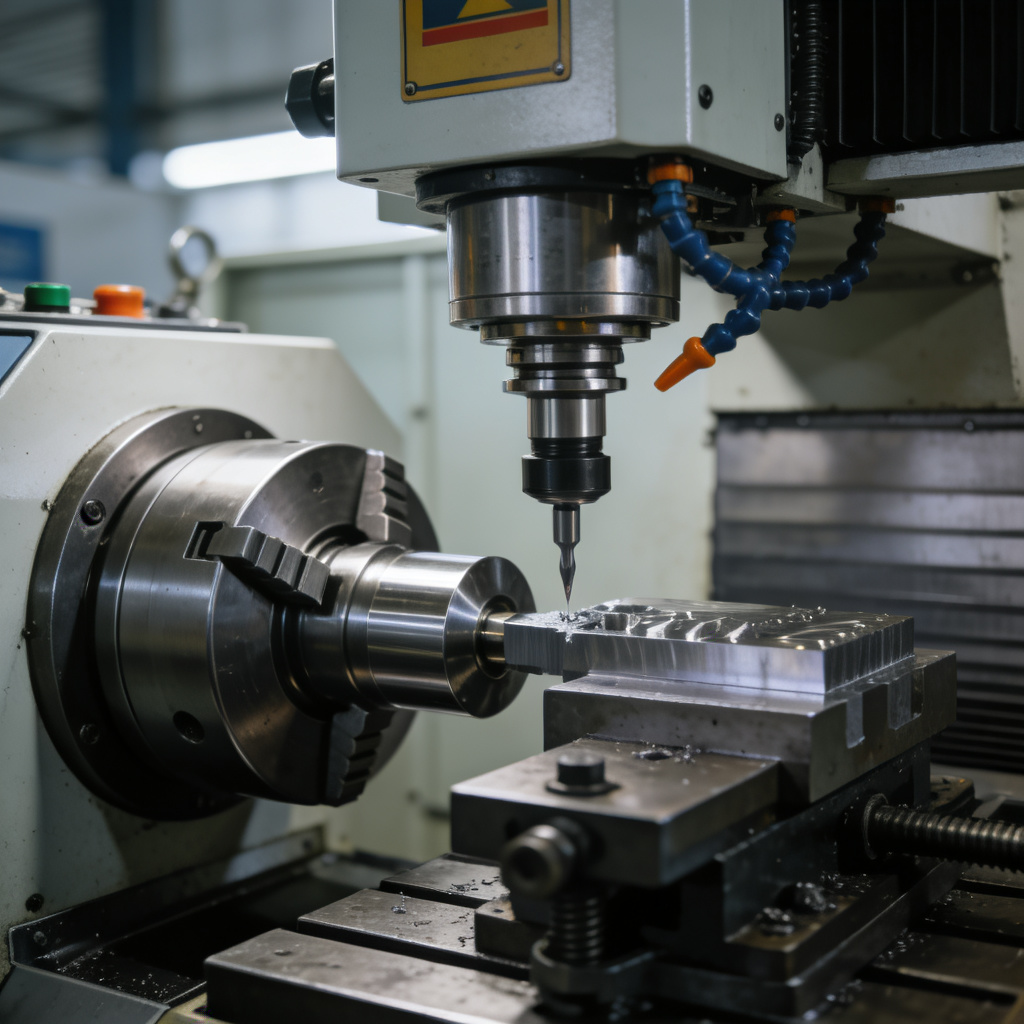
3 axis CNC machining refers to a process where the cutting tool moves along three linear axes: X, Y, and Z.
The workpiece remains stationary while the tool moves in these three directions to create the desired shape.
This is the most common and traditional form of CNC machining, suitable for machining flat surfaces, simple contours,
and basic geometries. The tool can move along any combination of the three axes but cannot rotate around the workpiece.
3 axis machining is ideal for producing parts with features that can be accessed from the top or side without the need
for repositioning the workpiece. It’s the go-to choice for simple to moderately complex parts that don’t require
multi-angle machining.
Key Characteristics of 3 Axis CNC Machining
Axis Movement
- X-axis: Left-right movement
- Y-axis: Front-back movement
- Z-axis: Up-down movement
- No rotational axes
Technical Specifications
- Typical precision: ±0.01mm
- Spindle speed: 8000-12000 RPM
- Table size: 500×1000mm to 2000×4000mm
- Maximum load: 500-5000 kg
Process Capabilities
- 2.5D and 3D machining
- Drilling, tapping, reaming
- Face milling, peripheral milling
- Pocketing and profiling
What is 5 Axis CNC Machining?
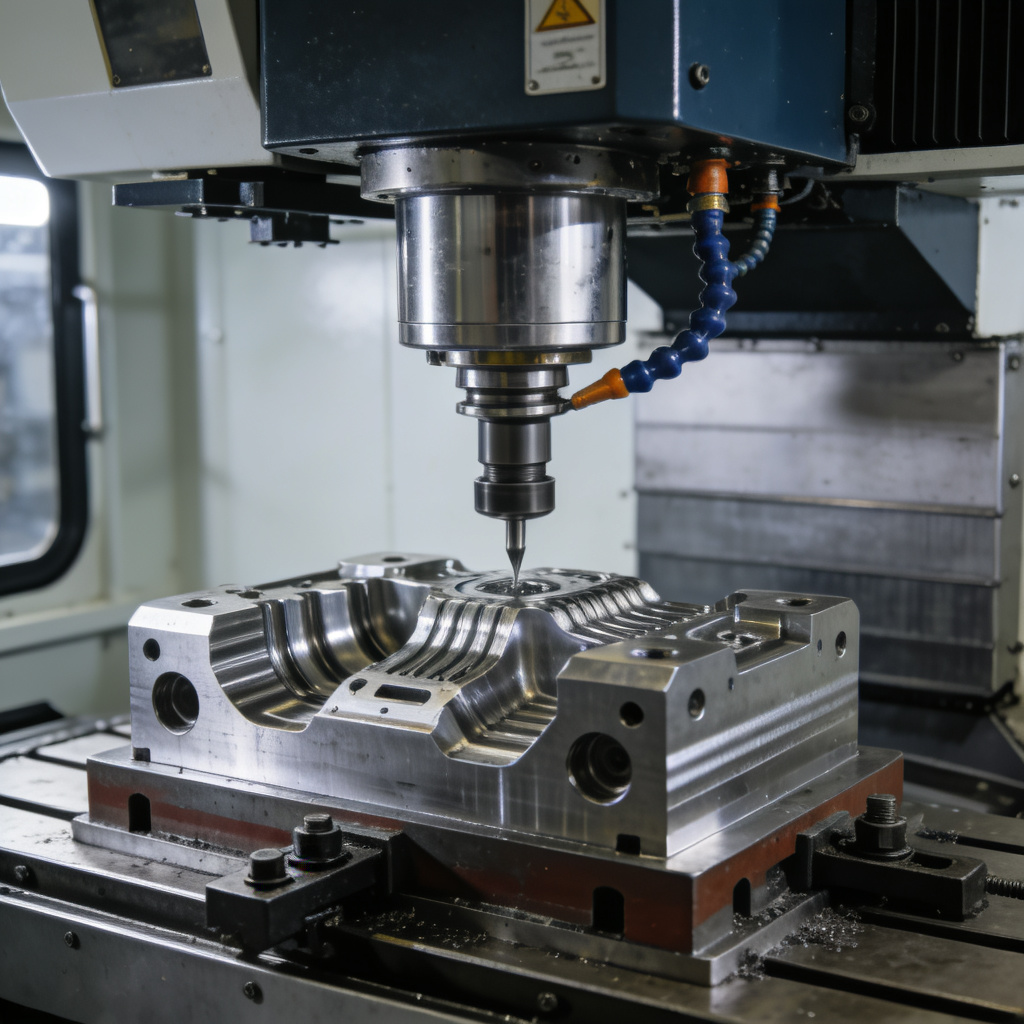
5 axis CNC machining allows the cutting tool to move along five different axes simultaneously, enabling the production
of complex shapes and multi-angle features in a single setup. In addition to the X, Y, and Z linear axes, 5 axis machines
include two rotational axes (A, B, or C).
This advanced machining capability allows the tool to approach the workpiece from any angle, eliminating the need for
multiple setups and specialized fixtures. The rotational axes can be configured in different ways, including table rotation,
spindle rotation, or a combination of both.
5 axis machining is particularly valuable for producing complex, high-precision parts that would be difficult or impossible
to manufacture with 3 axis machining. It significantly reduces setup time, improves accuracy, and enhances surface finish quality.
Key Characteristics of 5 Axis CNC Machining
Axis Configuration
- X, Y, Z linear axes
- A-axis: Rotation around X-axis
- B-axis: Rotation around Y-axis
- C-axis: Rotation around Z-axis
Technical Specifications
- Typical precision: ±0.005mm
- Spindle speed: 12000-20000 RPM
- Rotational speed: 30-120 RPM
- Acceleration: 0.5-1.5 G
Advanced Capabilities
- Simultaneous 5-axis machining
- Complex curved surfaces
- Multi-directional features
- Optimal tool orientation
Key Differences Between 3 Axis and 5 Axis CNC Machining
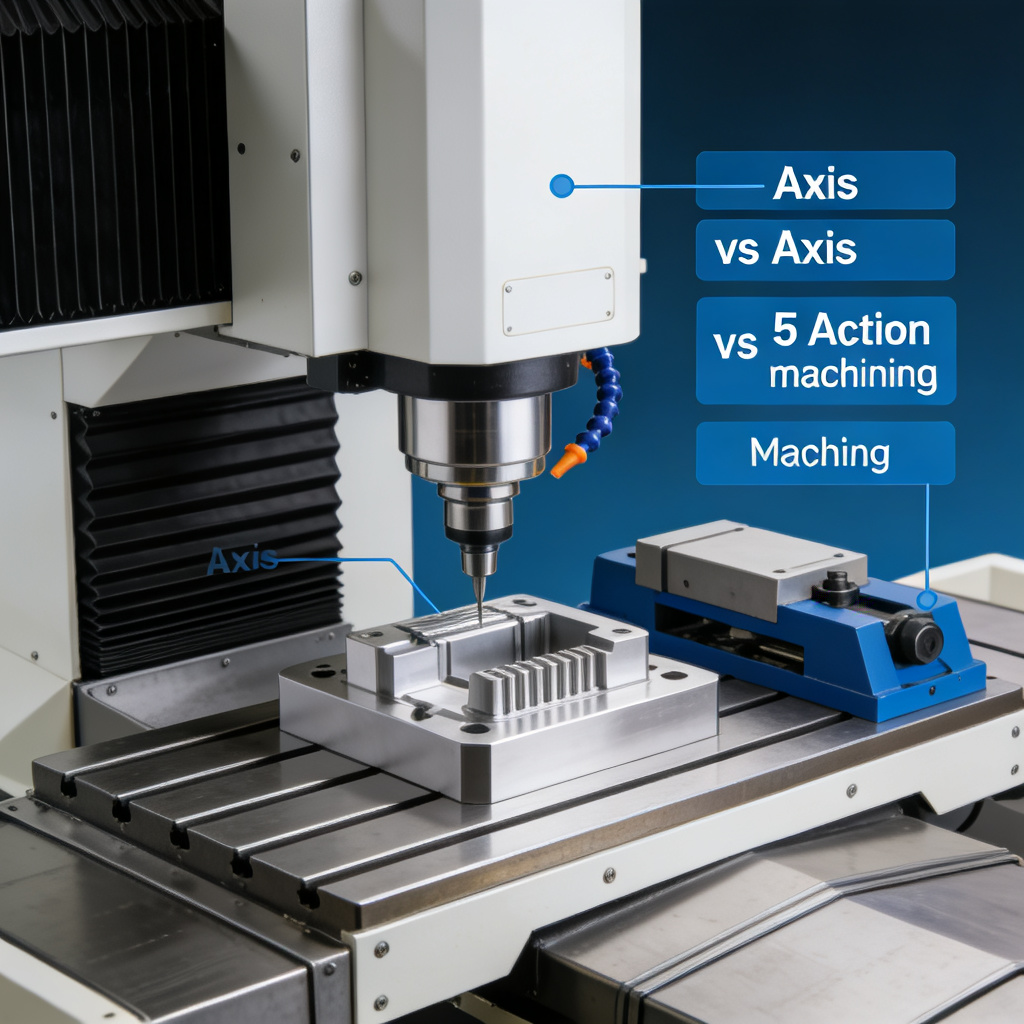
The primary difference between 3 axis and 5 axis CNC machining lies in the number of axes and the complexity of parts
that can be produced. While 3 axis machines are limited to linear movements, 5 axis machines add rotational capabilities
that enable much more complex geometries.
Over the years, I’ve seen how these differences impact everything from part quality and production time to overall costs.
Understanding these key differences is essential for choosing the right machining process for your specific application.
| Feature | 3 Axis CNC Machining | 5 Axis CNC Machining |
|---|---|---|
| Number of Axes | 3 linear axes (X, Y, Z) | 3 linear + 2 rotational axes |
| Part Complexity | Simple to moderate geometries | Complex, intricate shapes |
| Setup Requirements | Multiple setups for complex parts | Single setup for most parts |
| Precision Level | ±0.01mm standard precision | ±0.005mm high precision |
| Surface Finish | Good, may require hand finishing | Excellent, minimal finishing needed |
| Machine Cost | $50,000 – $200,000 | $200,000 – $1,000,000+ |
| Operating Cost | Lower cost per hour | Higher cost per hour |
| Programming Complexity | Simpler programming requirements | Complex programming needed |
| Typical Applications | Simple parts, prototypes, basic components | Aerospace, medical, automotive, high-precision parts |
Advantages of 3 Axis CNC Machining
3 axis CNC machining offers several key advantages that make it the preferred choice for many applications, especially when
working with simpler part geometries and tighter budgets.
Lower Cost
3 axis machines are significantly less expensive to purchase, operate, and maintain compared to 5 axis machines.
The lower capital investment makes them more accessible for small to medium-sized shops.
Cost Comparison:
- Machine cost: 60-80% less than 5 axis
- Operating cost: $50-80 per hour vs $150-300 per hour
- Maintenance cost: 50-70% lower
Simpler Programming
3 axis CNC programming is less complex and requires less specialized training. This makes it easier to find skilled operators
and reduces programming time and costs.
Programming Advantages:
- Simpler CAM software requirements
- Shorter programming time
- Easier to troubleshoot
- Wider availability of skilled programmers
Higher Throughput for Simple Parts
For simple parts that don’t require complex geometry, 3 axis machines can often produce parts faster than 5 axis machines
due to simpler setup and faster cycle times.
Productivity Benefits:
- Faster setup times
- Simpler fixturing
- Shorter cycle times for simple parts
- Higher overall equipment efficiency
Wider Availability
3 axis CNC machines are more common and widely available in the manufacturing industry. This makes it easier to find
suppliers and service providers, reducing lead times and costs.
Availability Benefits:
- More suppliers to choose from
- Shorter lead times
- Easier to find maintenance support
- Wider range of machine options
Advantages of 5 Axis CNC Machining
5 axis CNC machining offers significant advantages for complex parts that require high precision and intricate geometries.
While the initial investment is higher, the benefits often justify the cost for advanced applications.
Complex Geometry Capability
The most significant advantage of 5 axis machining is its ability to produce complex, intricate parts that would be
impossible or extremely difficult to manufacture with 3 axis machining. This includes parts with complex curved surfaces,
undercuts, and multi-angle features.
Geometry Capabilities:
- Complex 3D curved surfaces
- Undercuts and cavities
- Multi-directional features
- Internal complex geometries
Single Setup Machining
5 axis machining allows complex parts to be completed in a single setup, eliminating the need for multiple setups,
specialized fixtures, and part repositioning. This significantly reduces setup time and improves accuracy.
Setup Benefits:
- 60-80% reduction in setup time
- Eliminates setup errors
- Reduced fixturing costs
- Improved overall accuracy
Higher Precision and Accuracy
5 axis machines offer higher precision and accuracy compared to 3 axis machines, especially for complex parts.
The ability to machine features from multiple angles in a single setup eliminates cumulative errors from multiple setups.
Precision Advantages:
- ±0.005mm precision capability
- Better surface finish quality
- Reduced part distortion
- Improved dimensional stability
Better Surface Finish
5 axis machining allows for optimal tool orientation, which improves surface finish quality and reduces the need for
secondary finishing operations. The ability to use shorter, more rigid tools also contributes to better surface quality.
Surface Finish Benefits:
- Ra 0.4-0.8μm surface finish
- Reduced hand finishing requirements
- Better surface consistency
- Reduced cycle time
Applications of 3 Axis vs 5 Axis CNC Machining
3 Axis CNC Machining Applications
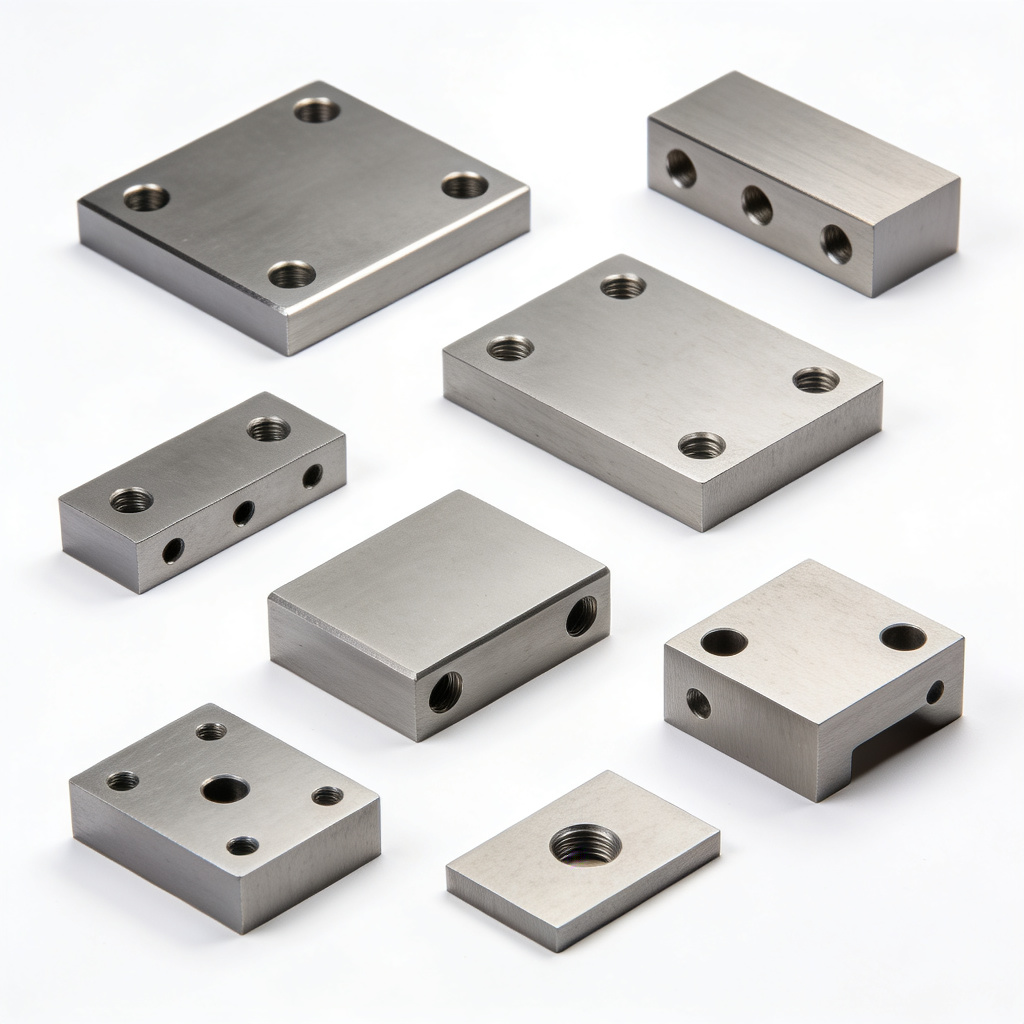
3 axis CNC machining is ideal for producing simple to moderately complex parts that can be machined from a single direction
or require minimal repositioning. It’s the most cost-effective solution for many common manufacturing applications.
Common 3 Axis Applications:
- Simple brackets and plates
- Mechanical components
- Prototypes and models
- Jigs and fixtures
- Electronic enclosures
- Automotive components
- Industrial equipment parts
- Consumer product components
5 Axis CNC Machining Applications
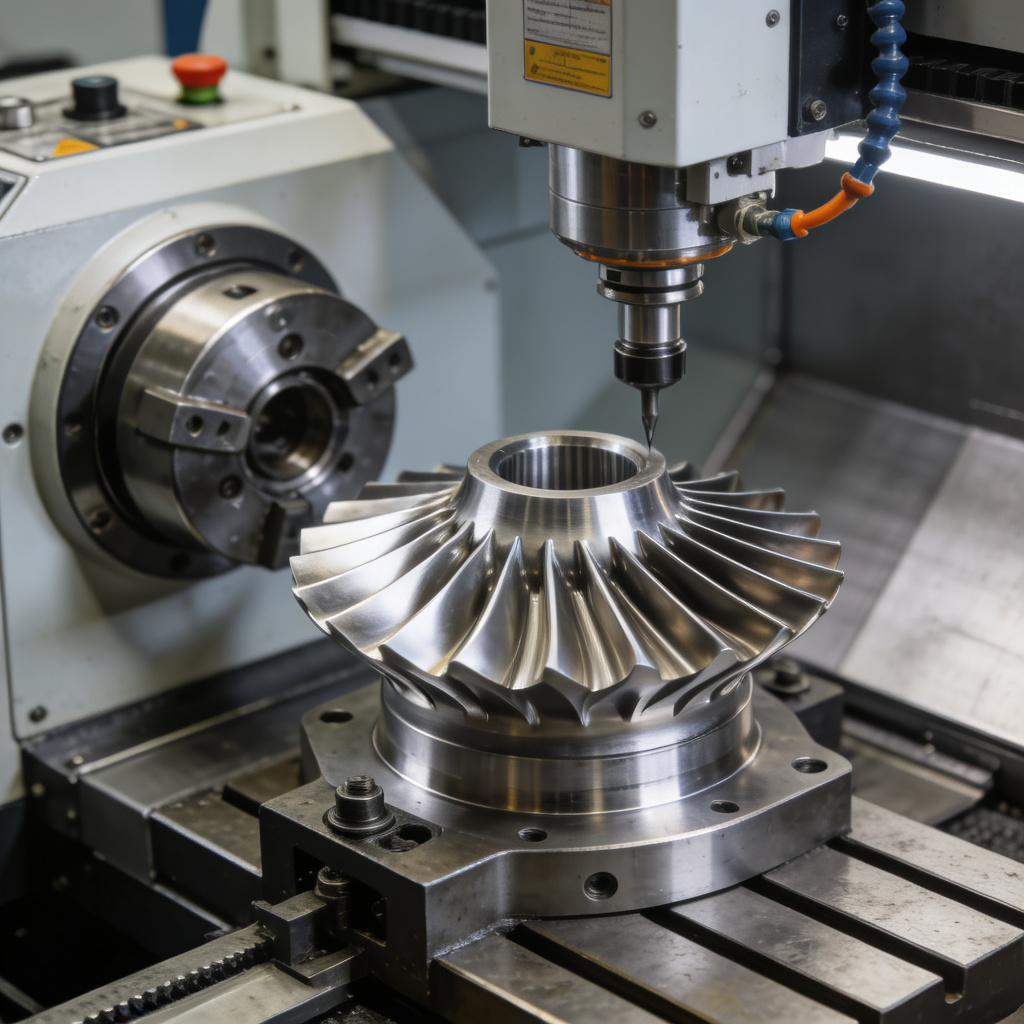
5 axis CNC machining is essential for producing complex, high-precision parts that require machining from multiple angles.
It’s widely used in industries where part complexity and precision are critical.
Common 5 Axis Applications:
- Aerospace components
- Turbine blades and impellers
- Medical implants and devices
- Robotics components
- Molds and dies
- Automotive racing parts
- Optical components
- High-precision tooling
3 Axis vs 5 Axis CNC Machining Cost Comparison
Cost is a major consideration when choosing between 3 axis and 5 axis CNC machining. While 3 axis machines have lower upfront costs,
5 axis machining can be more cost-effective for complex parts due to reduced setup time and improved efficiency.
Machine Investment Costs
3 Axis CNC Machines
- Entry-level: $50,000 – $100,000
- Mid-range: $100,000 – $150,000
- High-end: $150,000 – $200,000
- Maintenance: $5,000 – $15,000 per year
- Depreciation: 10-15% per year
5 Axis CNC Machines
- Entry-level: $200,000 – $400,000
- Mid-range: $400,000 – $700,000
- High-end: $700,000 – $1,000,000+
- Maintenance: $20,000 – $40,000 per year
- Depreciation: 15-20% per year
Operating Costs
3 Axis Machining Costs
- Machine rate: $50 – $80 per hour
- Labor rate: $20 – $35 per hour
- Tooling cost: $5 – $15 per hour
- Programming cost: $10 – $20 per hour
- Total: $85 – $150 per hour
5 Axis Machining Costs
- Machine rate: $150 – $300 per hour
- Labor rate: $40 – $60 per hour
- Tooling cost: $15 – $30 per hour
- Programming cost: $30 – $50 per hour
- Total: $235 – $440 per hour
Total Cost Comparison for Typical Parts
Simple Bracket (100 pieces)
- 3 axis cost: $1,200 – $1,800
- 5 axis cost: $2,500 – $3,500
- Savings with 3 axis: 50-60%
- Production time: 15-20 hours
Complex Aerospace Part (10 pieces)
- 3 axis cost: $8,000 – $12,000
- 5 axis cost: $5,000 – $8,000
- Savings with 5 axis: 30-40%
- Production time: 40-60 hours vs 25-35 hours
Medical Implant (50 pieces)
- 3 axis cost: $15,000 – $20,000
- 5 axis cost: $8,000 – $12,000
- Savings with 5 axis: 40-50%
- Production time: 80-100 hours vs 40-50 hours
How to Choose Between 3 Axis and 5 Axis CNC Machining
Choosing between 3 axis and 5 axis CNC machining depends on several key factors including part complexity, precision requirements,
production volume, and budget constraints. Based on 20 years of industry experience, here are my recommendations:
Choose 3 Axis Machining When:
- Part geometry is simple or moderately complex
- Features can be accessed from a single direction
- Precision requirements are ±0.01mm or larger
- Budget is limited
- Production volume is high for simple parts
- Quick turnaround is needed
- Secondary operations are acceptable
- Part size is large and simple
Choose 5 Axis Machining When:
- Part geometry is complex with multi-angle features
- Undercuts or complex curved surfaces are required
- High precision (±0.005mm or better) is needed
- Single setup machining is required
- Superior surface finish is required
- Complex aerospace or medical parts
- Reduced setup time is critical
- Minimizing part handling is important
Decision Making Framework
Use this step-by-step framework to decide which machining process is best for your project:
- Step 1: Analyze part complexity and geometry requirements
- Step 2: Determine precision and surface finish requirements
- Step 3: Evaluate production volume and lead time requirements
- Step 4: Consider budget constraints and cost implications
- Step 5: Assess availability of equipment and expertise
- Step 6: Perform cost-benefit analysis for complex parts
Limitations of 3 Axis and 5 Axis CNC Machining
Limitations of 3 Axis CNC Machining
- Limited to simple and moderately complex geometries
- Requires multiple setups for complex parts
- Cannot machine undercuts or complex curved surfaces
- May require secondary operations
- Limited access to part features from multiple angles
- May have lower accuracy for complex parts due to multiple setups
- Longer production time for complex parts
- Not suitable for high-precision complex parts
Limitations of 5 Axis CNC Machining
- Higher initial investment cost
- Higher operating and maintenance costs
- Requires more complex programming
- Need for highly skilled operators and programmers
- Longer programming time
- More complex to set up and operate
- Higher risk of collision between tool and workpiece
- May be overkill for simple parts
FAQ About 3 Axis vs 5 Axis CNC Machining
Is 5 axis CNC machining always better than 3 axis?
No, 5 axis CNC machining is not always better. While it offers more capabilities for complex parts, it’s more expensive
and may be overkill for simple parts. 3 axis machining is often more cost-effective and efficient for simple to moderately
complex geometries. The choice depends on the specific requirements of each project.
When should I use 3 axis machining?
3 axis machining is best suited for simple to moderately complex parts that can be machined from a single direction or
require minimal repositioning. It’s ideal for producing parts like brackets, plates, simple mechanical components,
and prototypes where cost efficiency is important.
Is 5 axis machining more expensive?
Yes, 5 axis machining is generally more expensive than 3 axis machining. The machines cost more to purchase, operate,
and maintain, and they require more skilled operators and programmers. However, for complex parts, 5 axis machining
can actually be more cost-effective due to reduced setup time and improved efficiency.
Can 3 axis machining produce complex parts?
3 axis machining can produce moderately complex parts, but it typically requires multiple setups and may have limitations
with undercuts and complex curved surfaces. For highly complex parts with multi-angle features, 5 axis machining is
usually a better choice as it can machine complex geometries in a single setup with higher accuracy.
What is the main advantage of 5 axis machining?
The main advantage of 5 axis machining is its ability to produce complex, intricate parts in a single setup. This
eliminates the need for multiple setups, reduces production time, improves accuracy, and allows for machining of complex
geometries that would be impossible or extremely difficult with 3 axis machining.
How does programming differ between 3 axis and 5 axis?
5 axis programming is significantly more complex than 3 axis programming. It requires more advanced CAM software,
consideration of tool orientation, collision avoidance, and simultaneous motion of multiple axes. 5 axis programming
also requires more skilled programmers and takes longer to complete compared to 3 axis programming.
What industries use 5 axis machining most?
5 axis machining is most widely used in industries that require complex, high-precision parts such as aerospace, medical,
robotics, automotive racing, and mold making. These industries often produce parts with complex geometries that require
machining from multiple angles and cannot be efficiently produced with 3 axis machining.
Need Help Choosing Between 3 Axis and 5 Axis Machining?
Our team of experienced engineers can help you determine the best machining approach for your specific project.
With over 20 years of industry experience, we can analyze your design requirements, provide cost estimates,
and recommend the most efficient manufacturing solution.
Upload your CAD files and we’ll provide a detailed analysis within 24 hours, including recommendations for machining process,
cost estimates, and lead time projections.