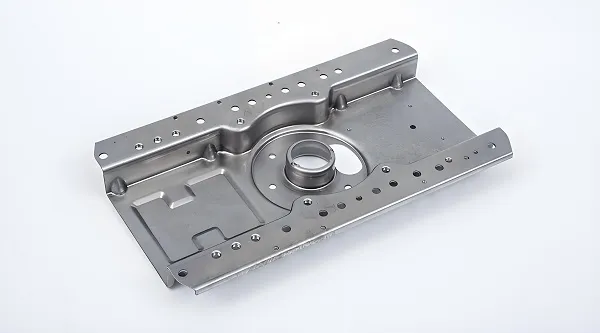
12 Proven Methods for Precision CNC Machining Tolerance Control
Introduction
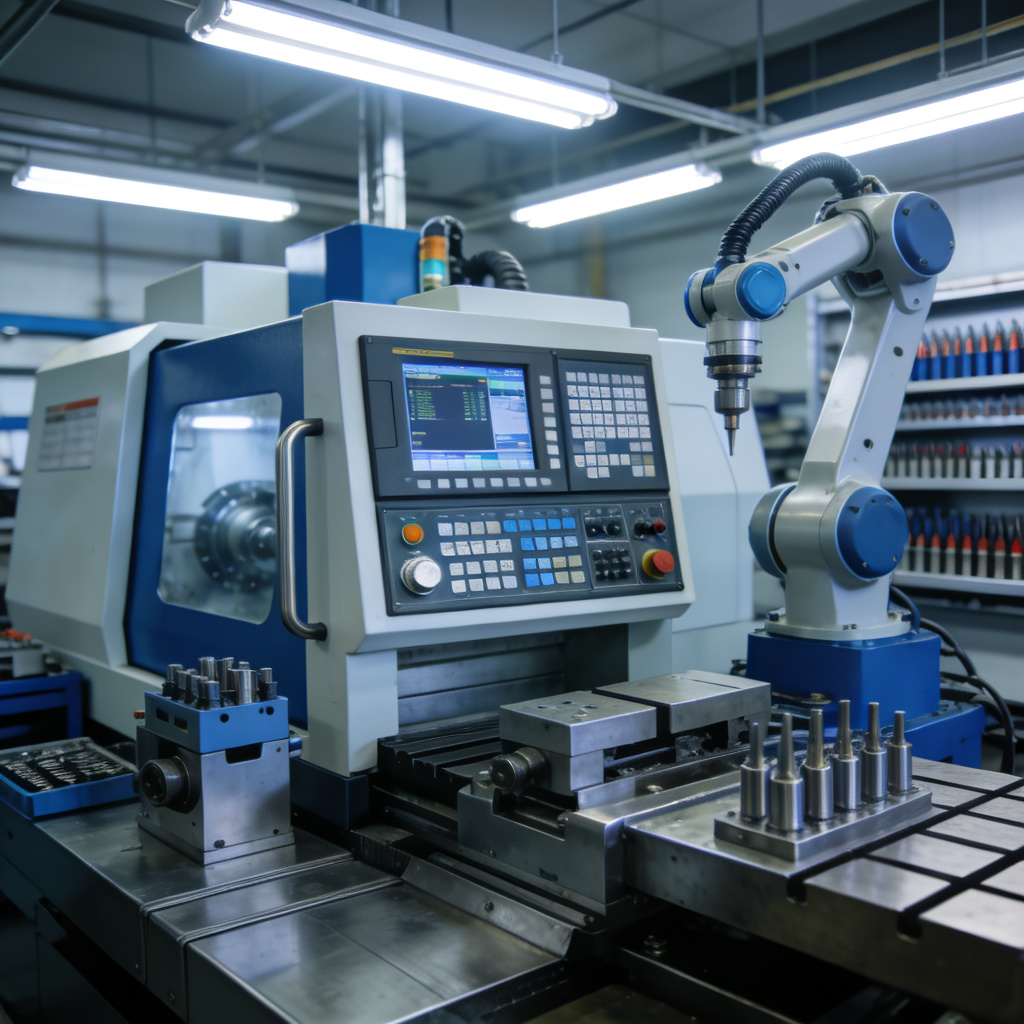
CNC machining accuracy is critical for producing high-quality precision parts used in industries such as aerospace, automotive, and robotics.
Even small deviations can lead to assembly issues, product failure, and increased costs.
As a CNC machining professional with 20 years of industry experience, I’ve witnessed firsthand how precision control can make or break a project.
Improving machining accuracy requires a combination of proper equipment, optimized processes, and skilled operation.
In this comprehensive guide, we will explore the key factors affecting CNC machining accuracy and provide 12 proven methods to improve it.
These techniques are based on real-world experience and industry best practices that can help you achieve tight tolerances consistently.
Real-World Impact of Accuracy Issues
- Aerospace components: 0.01mm deviation can cause $100,000 in rework costs
- Medical devices: 0.005mm error can compromise patient safety
- Automotive parts: 0.02mm tolerance variation can affect engine performance
- Average cost savings from improved accuracy: 15-35% reduction in scrap and rework
What is CNC Machining Accuracy?
CNC machining accuracy refers to the degree to which the actual dimensions of a machined part match the intended design specifications.
It encompasses several key aspects that together define the quality of the finished product.
Dimensional Accuracy
The difference between the actual measured dimension and the nominal dimension specified in the design.
For precision applications, this can be as tight as ±0.005mm or even less.
Tolerance Control
The allowable variation in dimensions. Tolerances are specified based on functional requirements and manufacturing capabilities.
Common tolerance classes include IT6-IT8 for precision machining.
Repeatability
The ability to consistently produce the same dimension across multiple parts and production runs.
High repeatability ensures consistent quality and reduces variation.
ISO Standard Tolerance Classes
| Tolerance Class | Application | Typical Tolerance (100mm size) | Industry Usage |
|---|---|---|---|
| IT5 | High precision fits | ±0.006mm | Aerospace, medical |
| IT6 | Precision fits | ±0.009mm | Automotive, precision machinery |
| IT7 | General precision | ±0.015mm | Consumer electronics, general machining |
| IT8 | Normal precision | ±0.024mm | Industrial equipment, general parts |
Why CNC Machining Accuracy Matters
The importance of CNC machining accuracy extends far beyond meeting design specifications. It directly impacts product performance,
manufacturing costs, and customer satisfaction. Here’s why precision control is critical:
Product Quality & Performance
- Ensures proper fit and function of assembled parts
- Improves overall product reliability and durability
- Reduces wear and tear on moving components
- Enhances performance in critical applications
Cost Control
- Minimizes scrap and rework costs (15-35% reduction)
- Reduces assembly time and labor costs
- Lower warranty and repair expenses
- Improves production efficiency and throughput
Competitive Advantage
- Ability to produce complex, high-precision parts
- Access to high-value industries (aerospace, medical)
- Enhanced reputation for quality and reliability
- Increased customer satisfaction and retention
Case Study: Impact of Improved Accuracy
A medical device manufacturer was experiencing 18% scrap rates on a critical surgical instrument component due to accuracy issues.
By implementing the accuracy improvement methods outlined in this guide, they achieved:
- Scrap rate reduced to 2.3% (87% improvement)
- Annual cost savings of $420,000
- Production throughput increased by 22%
- Customer satisfaction score improved from 78% to 96%
Main Factors Affecting CNC Machining Accuracy
Understanding the key factors that influence CNC machining accuracy is essential for implementing effective improvement strategies.
Based on 20 years of experience, these are the most significant factors to consider:
Machine Tool Performance
- Machine rigidity and structural stability
- Spindle accuracy and runout
- Linear guide precision
- Ball screw backlash and wear
Cutting Tool System
- Tool material and geometry
- Tool wear and breakage
- Tool holder and clamping system
- Tool length and radius compensation
Workpiece Material
- Material hardness and machinability
- Thermal expansion characteristics
- Residual stresses and deformation
- Chip formation and evacuation
Process Parameters
- Cutting speed, feed rate, depth of cut
- Coolant type and application method
- Tool path and machining strategy
- Roughing vs finishing operations
Environmental Factors
- Temperature variations and stability
- Humidity and air quality
- Vibration and noise levels
- Dust and contamination control
Human Factors
- Operator skill and experience level
- Setup and calibration procedures
- Programming expertise and optimization
- Quality inspection and measurement skills
12 Ways to Improve CNC Machining Accuracy
Based on extensive industry experience and proven best practices, here are 12 effective methods to improve CNC machining accuracy:
1. Use High-Precision CNC Machines
The foundation of accuracy starts with the machine tool itself. Investing in high-precision CNC equipment provides the necessary
platform for achieving tight tolerances.
- Machine rigidity: Heavy-duty cast iron frames and reinforced structures minimize deflection under cutting forces
- Spindle accuracy: High-precision bearings and balanced spindles reduce runout to within 0.002mm
- Linear guides: Precision ground linear guides with preload eliminate backlash and ensure smooth motion
- Ball screws: C3 or higher precision ball screws with nut preload for accurate positioning
- Advanced controls: Siemens 840Dsl or Fanuc 31i systems with high-speed processing and error compensation
Technical Specification: High-precision machines should achieve positioning accuracy ≤0.005mm and repeatability ≤0.003mm according to ISO 230-2 standards.
2. Select the Right Cutting Tools
Tool selection significantly impacts machining accuracy, surface finish, and tool life. Choosing the right tool for the application is critical.
- Tool material: Carbide or ceramic tools for better wear resistance and dimensional stability
- Tool geometry: Optimized flute design and rake angles for specific materials and operations
- Coatings: TiN, TiCN, or AlTiN coatings to reduce friction, heat, and wear
- Tool holder: Hydraulic or shrink-fit holders for better gripping force and runout control
- Tool balancing: Properly balanced tools to minimize vibration at high speeds
Tool Selection Guide: For aluminum machining, use uncoated or diamond-coated tools. For stainless steel, use carbide tools with TiAlN coatings.
3. Control Tool Wear
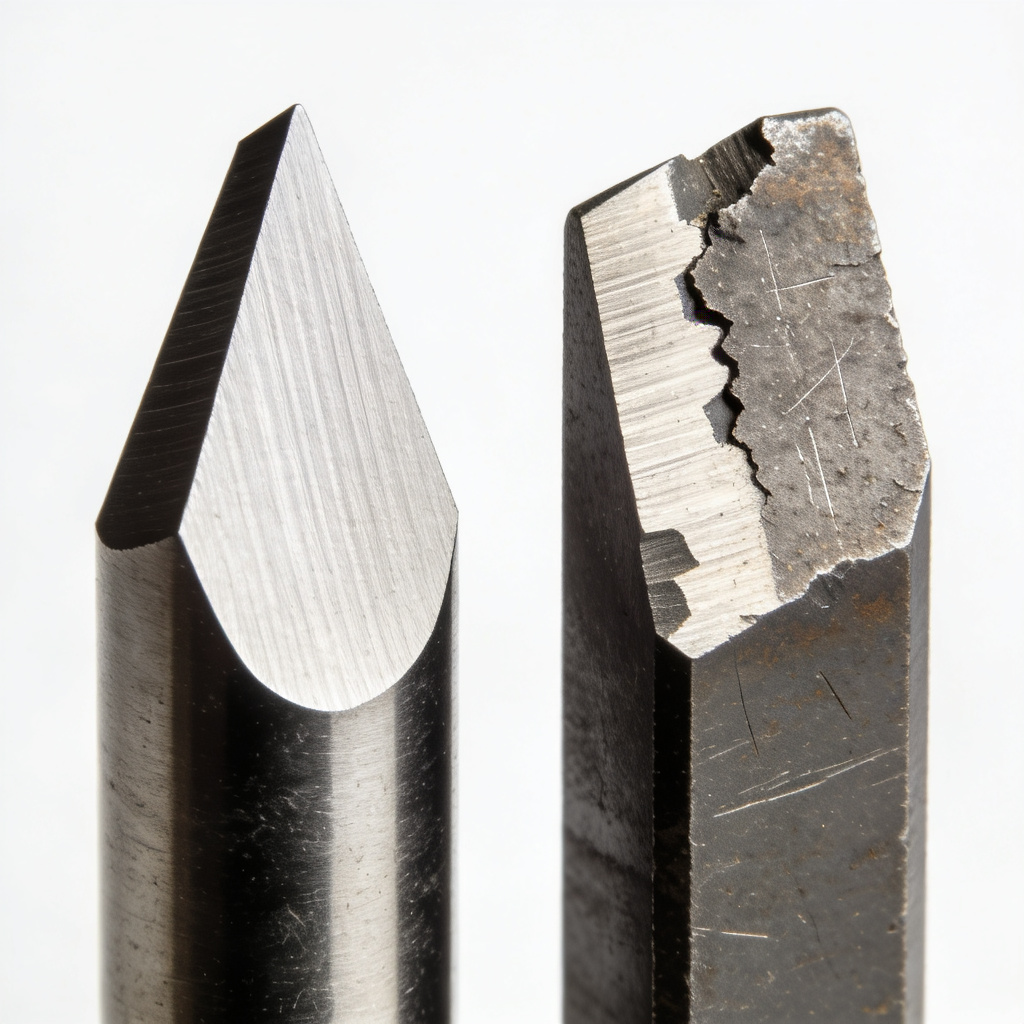
Tool wear is a major contributor to dimensional inaccuracies. Implementing effective tool wear control strategies is essential.
- Regular tool inspection: Visual inspection and measurement of tool wear
- Tool life management: Establishing tool life limits based on material and operation
- Tool monitoring systems: In-process tool wear detection using acoustic or vibration sensors
- Adaptive control: Automatic adjustment of cutting parameters as tools wear
- Tool replacement schedule: Preventive replacement before wear affects accuracy
Tool Wear Limits: Replace end mills when flank wear exceeds 0.1mm for finishing operations. For roughing, replace at 0.3mm wear.
4. Optimize Cutting Parameters
Proper cutting parameters are essential for maintaining accuracy while maximizing productivity. The right combination of speed, feed,
and depth of cut minimizes tool deflection and thermal effects.
| Material | Cutting Speed (m/min) | Feed Rate (mm/rev) | Depth of Cut (mm) |
|---|---|---|---|
| Aluminum 6061 | 300-600 | 0.1-0.3 | 1-3 |
| Steel 1045 | 100-200 | 0.1-0.25 | 0.5-2 |
| Stainless Steel 304 | 60-120 | 0.05-0.12 | 0.3-1.5 |
| Titanium Ti6Al4V | 50-150 | 0.02-0.1 | 0.2-1 |
Parameter Optimization Tip: For finishing operations, reduce depth of cut to 0.1-0.2mm and use higher speeds with lighter feeds to minimize tool deflection.
5. Improve Fixture and Clamping Stability
Proper fixturing is critical for maintaining workpiece stability during machining. Inadequate clamping can cause vibration,
movement, and dimensional inaccuracies.
- Rigid fixture design: Use high-strength materials and robust construction
- Multiple clamping points: Distribute clamping force evenly to prevent deformation
- Precision locating pins: Use hardened and ground locating pins for accurate positioning
- Workpiece support: Use backstops and supports for thin or flexible parts
- Clamping force control: Apply sufficient but not excessive clamping force
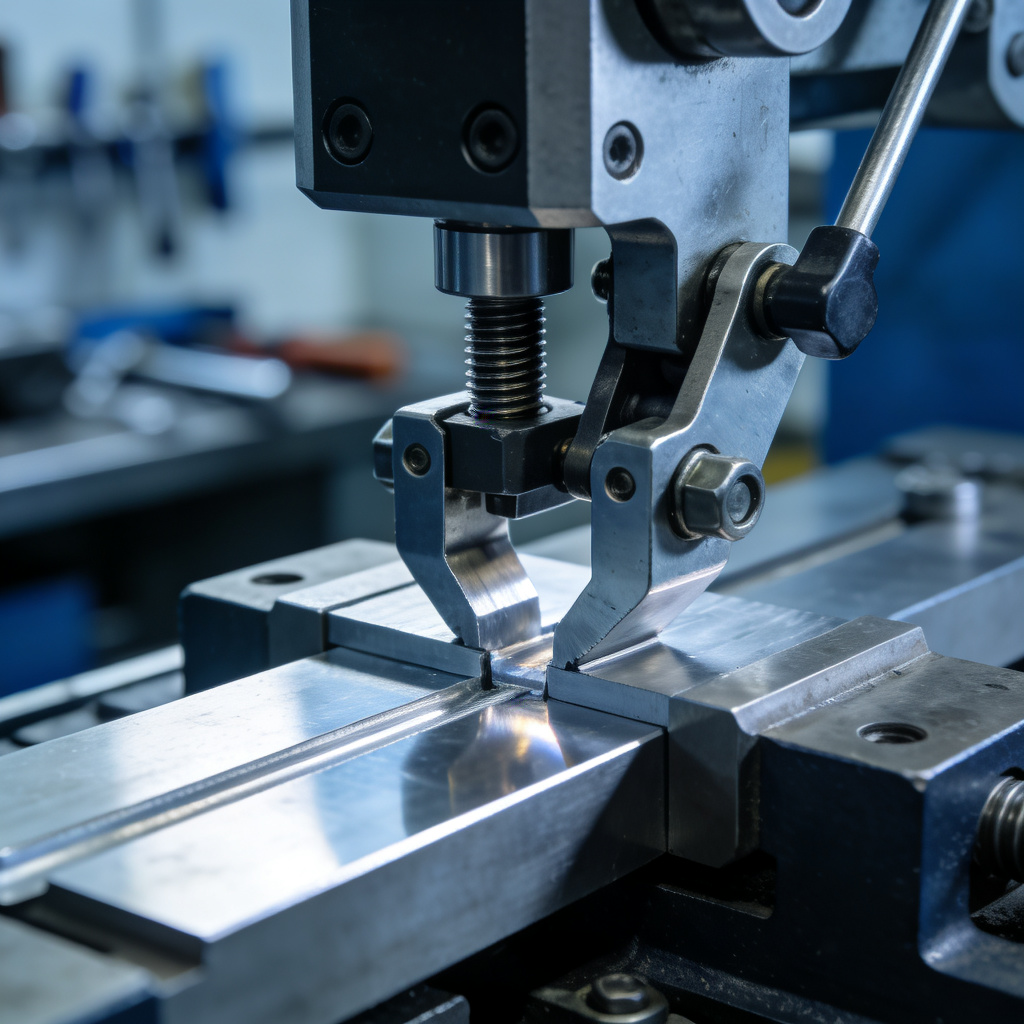
Fixture Design Rule: For thin-walled parts, use vacuum chucks or low-pressure clamping to avoid deformation. Clamping force should be 20-30% of the maximum cutting force.
6. Reduce Thermal Deformation
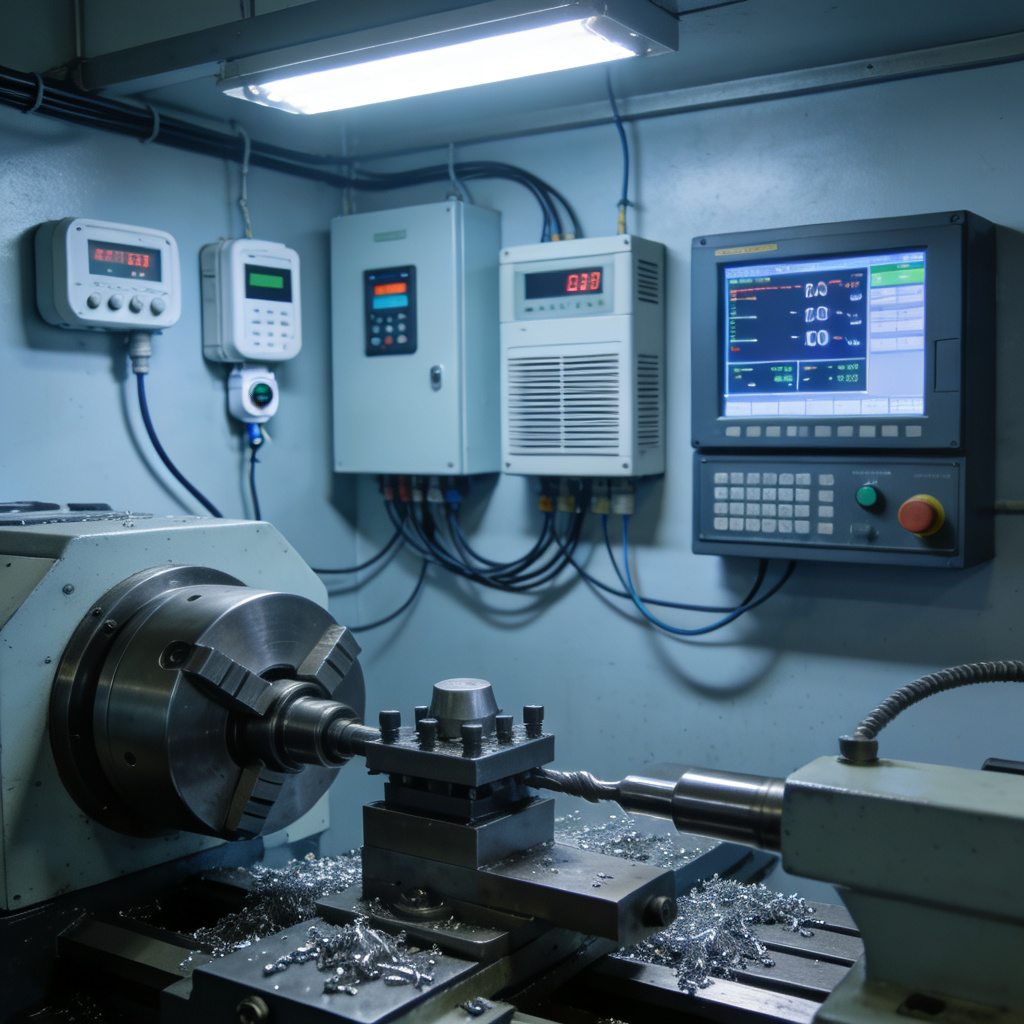
Thermal deformation is a major source of machining errors. Controlling temperature variations and their effects is essential for maintaining accuracy.
- Machine warm-up: Allow sufficient warm-up time for machine components to reach thermal stability
- Temperature control: Maintain constant workshop temperature (±1°C for precision applications)
- Coolant application: Use adequate coolant to control cutting temperatures
- Thermal compensation: Use machine tools with built-in thermal compensation systems
- Symmetrical design: Design parts symmetrically to minimize thermal distortion effects
Thermal Expansion Data: Steel expands 12μm per meter per °C temperature change. Aluminum expands 23μm per meter per °C. A 3°C temperature change can cause 0.036mm error on a 1m steel part.
7. Optimize CNC Programming
Programming techniques significantly impact machining accuracy. Optimizing tool paths and programming strategies can reduce errors and improve consistency.
- Tool path optimization: Use smooth transitions and avoid sharp direction changes
- Climb milling: Use climb milling instead of conventional milling for better surface finish and accuracy
- Tool radius compensation: Properly apply tool radius compensation for contour machining
- Multi-pass machining: Use multiple passes for deep cuts to reduce tool deflection
- Roughing vs finishing: Separate roughing and finishing operations to allow stress relief
- Program verification: Use simulation software to check for collisions and errors before machining
Programming Tip: For 3D surface machining, use smaller stepover values (5-10% of tool diameter) for better surface finish and accuracy.
8. Choose Suitable Materials
Material selection affects both machinability and dimensional stability. Choosing the right material for the application is important for achieving accuracy.
- Material stability: Choose materials with low thermal expansion and good dimensional stability
- Machinability: Select materials that are easy to machine with minimal tool wear
- Stress relief: Use stress-relieved materials to minimize deformation after machining
- Homogeneity: Ensure materials are homogeneous and free of internal defects
- Surface condition: Use materials with good surface quality to reduce machining challenges
Material Recommendation: For high-precision applications, use 7075-T6 aluminum, 4140 steel, or stainless steel 316L for better dimensional stability.
9. Use Proper Coolant and Lubrication
Effective cooling and lubrication are essential for maintaining accuracy by controlling temperature and reducing friction.
- Coolant type: Choose the right coolant for the material (emulsion for steel, soluble oil for aluminum)
- Application method: Use high-pressure coolant delivery for deep hole drilling and heavy cuts
- Coolant concentration: Maintain proper coolant concentration for optimal performance
- Lubrication: Use cutting oils for operations that require extreme pressure lubrication
- Coolant filtration: Keep coolant clean to prevent contamination and tool wear
Coolant Application Guide: For precision finishing, use flood coolant at 5-10 bar pressure. For high-speed machining, use minimum quantity lubrication (MQL) to reduce heat.
10. Improve Operator Skills
Skilled operators are essential for achieving and maintaining high machining accuracy. Investing in training and skill development pays off in quality improvements.
- Machine setup: Proper machine setup and calibration procedures
- Tool setting: Accurate tool length and offset measurement
- Program operation: Understanding of CNC programming and operation
- Troubleshooting: Ability to identify and resolve accuracy issues
- Quality control: Skill in using precision measurement tools
Training Recommendation: Operators should complete 40+ hours of advanced CNC training annually, including hands-on practice with precision measurement and setup techniques.
11. Control Workshop Environment
The workshop environment significantly affects machining accuracy. Controlling environmental factors creates a stable manufacturing environment.
- Temperature control: Maintain constant temperature (20±1°C for precision machining)
- Humidity control: Keep humidity between 45-55% to prevent material warping
- Vibration isolation: Install machines on vibration-dampening foundations
- Dust control: Implement dust collection systems to prevent contamination
- Lighting: Provide adequate lighting for setup and inspection tasks
Environment Standards: For ISO 9001 certification, temperature variation should not exceed ±2°C per day. For aerospace applications, maintain ±0.5°C stability.
12. Implement Strict Quality Inspection
Effective quality inspection is essential for verifying accuracy and identifying issues early in the production process.
- In-process inspection: Regular inspection during machining to catch issues early
- Final inspection: Comprehensive inspection of all critical dimensions
- CMM measurement: Use coordinate measuring machines for accurate 3D measurements
- SPC monitoring: Statistical process control to track variation over time
- Documentation: Maintain detailed inspection records for quality control
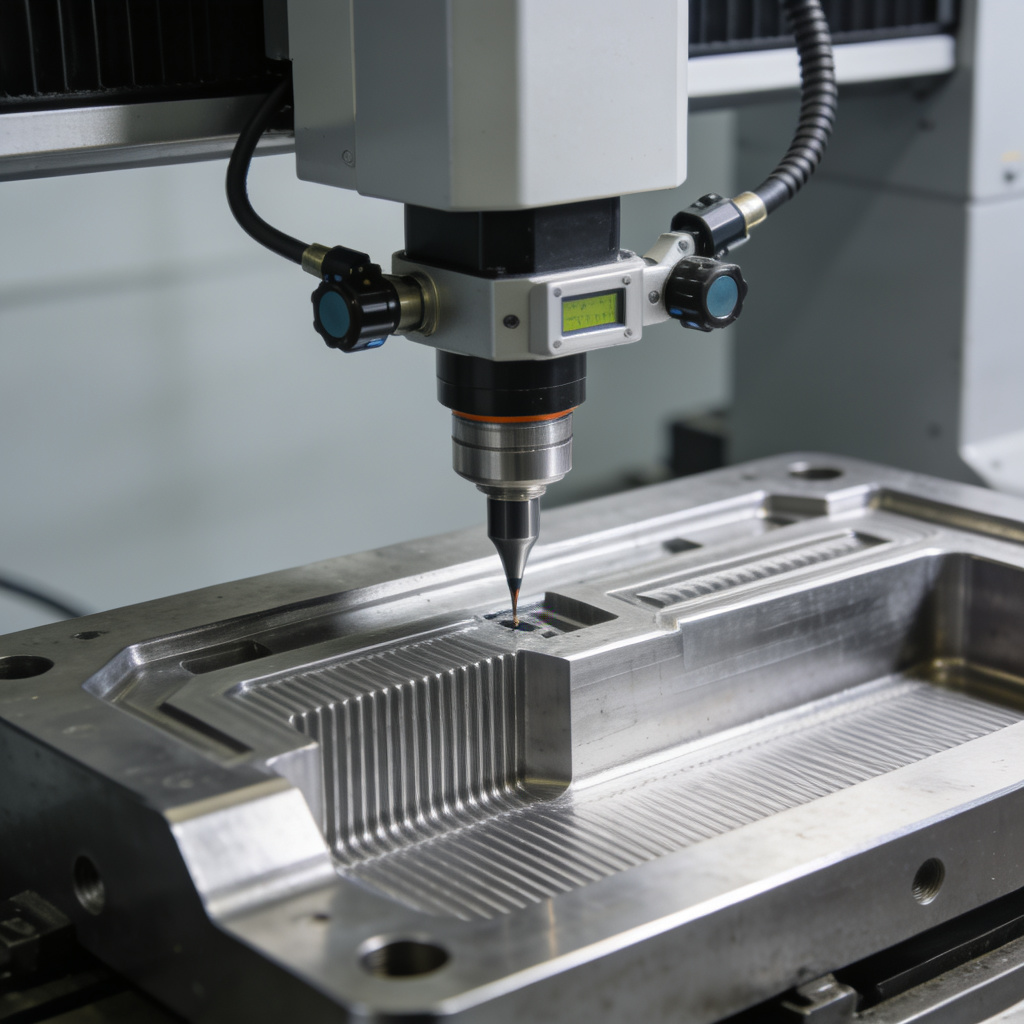
Inspection Frequency: For critical dimensions, inspect 100% of parts. For non-critical dimensions, use sampling inspection based on ANSI/ASQ Z1.4 standards.
Common Mistakes That Reduce CNC Accuracy
Based on 20 years of experience, these are the most common mistakes that compromise CNC machining accuracy:
Ignoring Tool Wear
Continuing to use worn tools is the most common cause of dimensional inaccuracies. Tools should be replaced before wear exceeds recommended limits.
Impact: Can cause 0.02-0.05mm dimensional errors and poor surface finish
Improper Clamping
Using excessive clamping force on thin-walled parts causes deformation, while insufficient clamping allows movement during machining.
Impact: Can cause 0.01-0.03mm deformation errors
Wrong Cutting Parameters
Using incorrect speeds, feeds, or depth of cut can cause tool deflection, chatter, and thermal expansion issues.
Impact: Can cause 0.005-0.02mm accuracy errors and reduced tool life
Poor Machine Maintenance
Lack of regular maintenance leads to increased backlash, worn bearings, and reduced machine accuracy over time.
Impact: Can cause 0.01-0.04mm accuracy degradation over 12 months
Environmental Neglect
Ignoring temperature variations, humidity changes, and vibration leads to inconsistent machining conditions and accuracy issues.
Impact: Can cause 0.005-0.03mm errors depending on environmental conditions
Inadequate Inspection
Not verifying dimensions with proper measurement equipment allows inaccuracies to go undetected.
Impact: Can lead to 10-30% of parts being non-conforming
How to Control Tolerance in CNC Machining
Effective tolerance control requires a systematic approach that covers the entire manufacturing process. Here’s how to achieve consistent tolerance control:
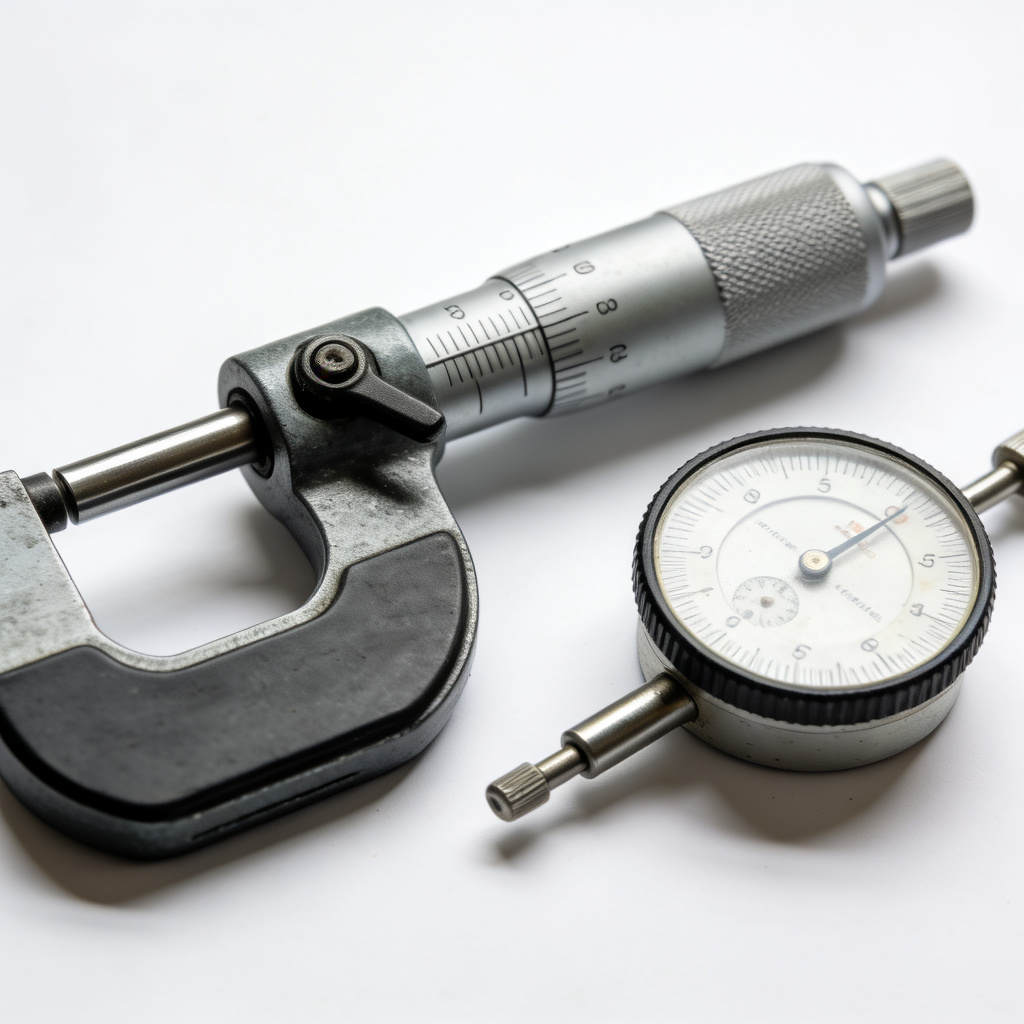
Tolerance control starts with proper design specifications and continues through machining, inspection, and process improvement.
The key is to establish clear tolerance requirements and implement processes to meet them consistently.
- Define appropriate tolerances based on functional requirements, not just aesthetics
- Use geometric dimensioning and tolerancing (GD&T) for complex parts
- Implement process capability studies to ensure processes can meet required tolerances
- Use statistical process control (SPC) to monitor variation and prevent out-of-tolerance parts
- Establish clear inspection criteria and frequency
Tolerance Control Standards
ISO 2768 General Tolerances
- Fine (f): ±0.1mm for dimensions ≤100mm
- Medium (m): ±0.2mm for dimensions ≤100mm
- Coarse (c): ±0.5mm for dimensions ≤100mm
- Very coarse (v): ±1mm for dimensions ≤100mm
Precision Machining Tolerances
- High precision: ±0.005mm
- Precision: ±0.01mm
- Medium precision: ±0.02mm
- General precision: ±0.05mm
Process Capability Requirements
- Cpk ≥ 1.33 for critical dimensions
- Cpk ≥ 1.0 for important dimensions
- Cpk ≥ 0.67 for general dimensions
- Continuous monitoring with control charts
FAQ About CNC Machining Accuracy
What is the tolerance of CNC machining?
CNC machining tolerance typically ranges from ±0.005mm for high-precision applications to ±0.1mm for general-purpose machining.
The achievable tolerance depends on machine capability, tooling, material, and process parameters. For most precision applications,
tolerances of ±0.01mm are readily achievable with proper equipment and processes.
How can I improve machining precision?
To improve machining precision, focus on several key areas: use high-precision equipment, select appropriate cutting tools,
optimize cutting parameters, ensure proper fixturing, control thermal effects, implement effective cooling,
maintain consistent environmental conditions, provide operator training, and establish robust quality inspection processes.
The 12 methods outlined in this guide provide a comprehensive approach to improving precision.
What affects CNC machining accuracy the most?
The most significant factors affecting CNC machining accuracy are machine tool rigidity and precision, cutting tool condition,
workpiece fixturing, thermal effects, and operator skill. Machine tool performance provides the foundation,
while tool wear and fixturing stability directly impact dimensional consistency. Thermal effects from cutting and
environmental conditions can cause significant errors if not controlled.
How to reduce machining errors?
Reducing machining errors requires a systematic approach: implement preventive maintenance programs,
establish tool wear monitoring and replacement schedules, optimize cutting parameters through testing,
use proper fixturing techniques, control environmental conditions, implement in-process inspection,
and use statistical process control to identify and address variation sources. Regular calibration and
machine verification are also essential for maintaining accuracy over time.
What is the difference between accuracy and precision?
Accuracy refers to how close a measured value is to the true or target value, while precision refers to how close
repeated measurements are to each other. In CNC machining, accuracy means parts match the design specifications,
while precision means consistent dimensions across multiple parts. High-quality manufacturing requires both
high accuracy and high precision.
What is considered high-precision CNC machining?
High-precision CNC machining typically refers to tolerances tighter than ±0.01mm, often down to ±0.005mm or better.
This requires specialized equipment, including high-precision machines with linear scales, temperature control systems,
and advanced tooling. High-precision machining is commonly used in aerospace, medical device, and optical component manufacturing.
Conclusion
Improving CNC machining accuracy requires a comprehensive approach that addresses all aspects of the manufacturing process,
from equipment selection and tooling to process optimization and quality control. By implementing the 12 proven methods
outlined in this guide, manufacturers can significantly improve accuracy, reduce scrap and rework costs, and enhance overall product quality.
The key takeaways are:
- Invest in high-quality equipment and maintain it properly
- Use appropriate cutting tools and manage tool wear effectively
- Optimize cutting parameters for each material and operation
- Ensure proper fixturing and clamping to prevent movement and deformation
- Control thermal effects through cooling and environmental management
- Implement robust quality inspection and process control
- Invest in operator training and skill development
Remember that achieving and maintaining high accuracy is an ongoing process that requires continuous improvement and attention to detail.
By following these best practices and maintaining a focus on precision, manufacturers can achieve consistent high-quality results
and gain a competitive edge in the marketplace.
Need Help Improving Your CNC Machining Accuracy?
Our team of CNC machining experts can help you achieve tight tolerances and consistent quality for your custom parts.
With 20 years of industry experience and state-of-the-art equipment, we provide precision machining services that meet the most demanding requirements.
Upload your CAD files and we’ll provide a detailed analysis within 24 hours, including tolerance feasibility assessment,
process recommendations, and cost estimate for your precision machining project.