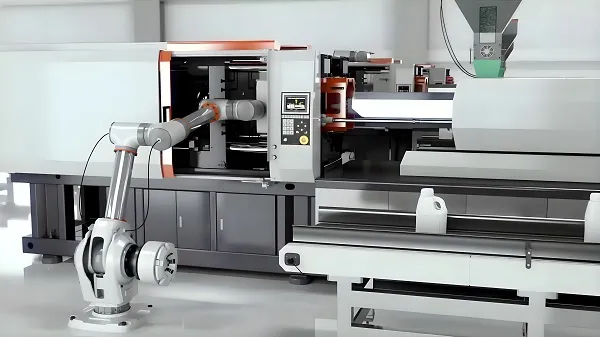
The electronics industry is continuously evolving toward smaller, lighter, and more efficient devices. From wearables and smartphones to advanced computing systems, the demand for precision-engineered components is higher than ever. CNC (Computer Numerical Control) machining has become the go-to manufacturing solution for producing high-quality, reliable CNC parts for electronics, offering unmatched precision and flexibility for B2B manufacturing needs.
Why Choose CNC Parts for Electronics?
Electronics devices require extreme precision and reliability, and CNC machining delivers the tight tolerances (±0.005–0.001 mm) that are critical for electronic components. Even a 0.01mm error can cause signal loss, overheating, assembly issues, or module misalignment, which can ruin the functionality of electronic devices.
CNC machining also supports rapid prototyping with low tooling costs compared to injection molding, allowing engineers to test and iterate designs quickly. This is essential for the fast-paced electronics industry, where product development cycles are constantly shortening.
Materials for CNC Electronics Parts
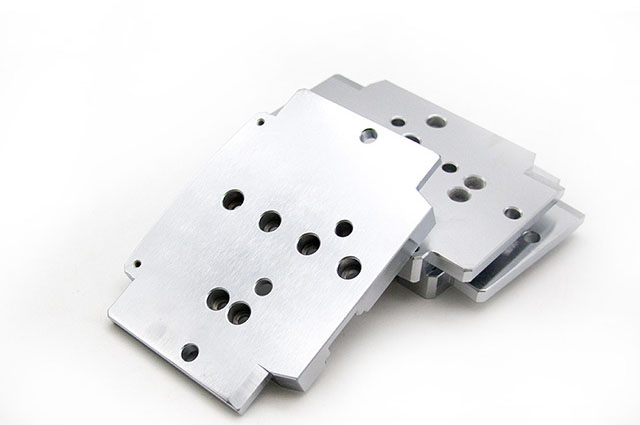
Choosing the right material is crucial for CNC electronics parts, as it impacts performance, durability, and functionality. The most commonly used materials include:
- Aluminum: The most popular material for electronic enclosures and components. Grades like 6061 offer excellent machinability and corrosion resistance, while 7075 provides higher strength for rugged applications. Aluminum also conducts heat well, making it ideal for heat sinks and chassis components.
- Copper & Brass: Used when electrical conductivity is a top priority, these materials are perfect for connectors, conductive pins, and other electrical components.
- Plastics: Materials like PEEK and ABS are used for insulating components, offering lightweight, cost-effective solutions with good mechanical properties.
- Ceramics: Used for high-temperature and high-insulation applications, though they are more challenging to machine due to their brittleness.
Processes for CNC Electronics Parts
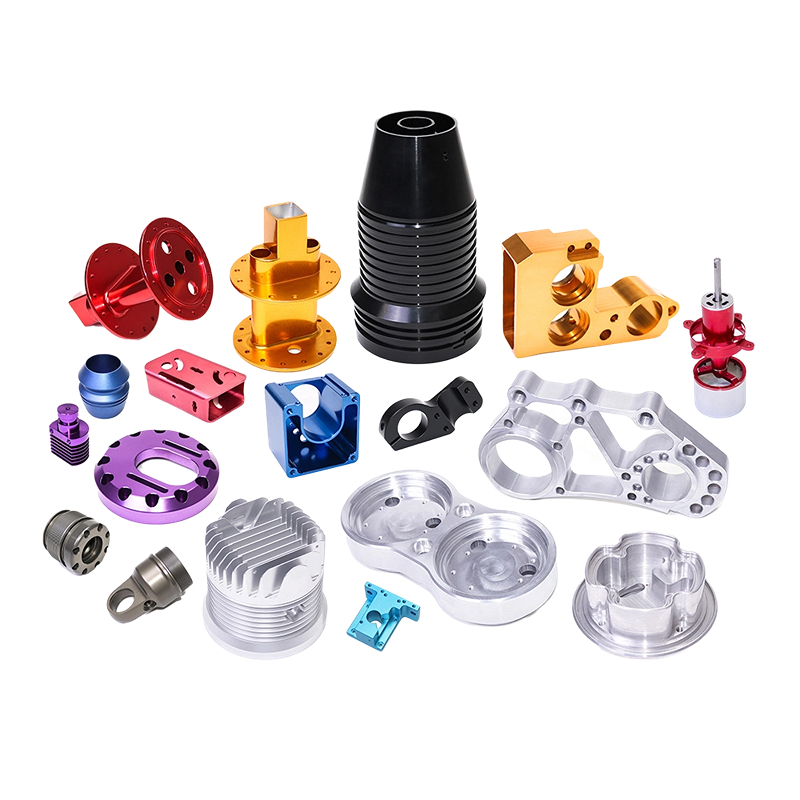
The primary CNC processes used for electronics parts include:
- CNC Milling: The most common process for electronics parts, offering multi-axis machining for complex shapes. It provides monolithic construction with no parting lines, high dimensional accuracy, and excellent EMI shielding and thermal performance (especially with metal materials).
- CNC Turning: Used for cylindrical parts like connectors, pins, and small shafts, providing precise round shapes and tight tolerances.
- Micro-CNC Machining: Specialized for miniature components in wearables and small electronic devices, achieving ultra-tight tolerances for tiny parts.
Manufacturing Flow of CNC Electronics Parts
The complete machining flow for CNC electronics parts follows these key steps:
- CAD Design Creation: Engineers create detailed 3D models of the part using CAD software, ensuring all dimensions and tolerances are specified.
- CNC Programming: The CAD design is converted into a CNC program (G-code) that the machine can interpret, including tool paths and machining parameters.
- Machine Setup: The CNC machine is prepared with the appropriate cutting tools, workholding fixtures, and material stock.
- Machining Operations: The machine performs roughing, semi-finishing, and finishing passes to shape the part, removing material to achieve the final design.
- Inspection & Quality Control: The finished part is inspected using precision measuring tools (like calipers, micrometers, or CMM machines) to ensure it meets all tolerance requirements.
- Post-Processing: Parts undergo deburring, cleaning, and surface treatments (like anodizing, plating, or painting) to improve durability and appearance.
- Packaging & Delivery: Qualified parts are packaged and delivered to the customer, ready for assembly into electronic devices.
Customization of CNC Electronics Parts
Custom CNC parts for electronics are tailored to specific device requirements, making them ideal for B2B manufacturing needs. Customization options include:
- Complex shapes and unique sizes that match specific device designs
- Specialized material selections to meet electrical, thermal, or mechanical requirements
- Custom surface treatments and finishes for enhanced performance or aesthetics
- Tight tolerance specifications for high-precision applications
- Functional features like snap-fits, dowel holes, or mounting points for easy assembly
Manufacturers support both small-batch prototyping and mass production, allowing businesses to scale production as needed.
Tips for Machining CNC Electronics Parts
To ensure high-quality CNC electronics parts and efficient production, follow these key tips:
- Optimize CAD designs for machinability: Avoid overly complex features that increase machining time and cost, and use standard tolerances where possible.
- Choose the right material for the application: Consider factors like conductivity, heat resistance, and weight when selecting materials.
- Use high-quality cutting tools: Premium tools reduce wear and improve precision, especially when machining hard or abrasive materials.
- Implement regular machine maintenance: Keep CNC machines calibrated and well-maintained to ensure consistent precision over time.
- Work with experienced CNC manufacturers: Partner with manufacturers who have expertise in electronics machining to ensure the best results for your parts.
Advantages of CNC Parts for Electronics
CNC machining offers numerous benefits for electronics manufacturing:
- High Precision & Repeatability: CNC machines achieve tight tolerances (±0.005–0.001 mm) and produce consistent parts every time, critical for mass-produced electronic assemblies.
- Material Versatility: Supports a wide range of materials, from metals to plastics, allowing manufacturers to choose the best material for each application.
- Rapid Prototyping: Low tooling costs and fast setup times make CNC machining ideal for quick prototyping and iterative design testing.
- Excellent Fit & Function: Precision mating features ensure components assemble reliably, preventing misalignment that can damage circuits.
- EMI Shielding & Thermal Performance: Metal CNC parts provide excellent electromagnetic interference (EMI) shielding and heat dissipation, critical for electronic device performance.
Challenges in Machining CNC Electronics Parts
While CNC machining offers many advantages, there are also key challenges to consider:
- Brittle Material Machining: Ceramics and other brittle materials can break or chip easily during machining, requiring specialized tools and slow machining speeds.
- High Initial Costs: Setting up CNC machines and tools can be expensive, especially for small production runs or complex designs.
- Skilled Labor Requirements: Complex CNC programming and operation require highly skilled operators, which can be a challenge for some manufacturers.
- Tool Wear: Cutting tools wear out over time, especially when machining hard or abrasive materials, requiring regular replacement and maintenance.
- Long Setup Times for Complex Designs: Intricate electronic parts may require longer programming and setup times, increasing production lead times.
Conclusion
CNC machining is an essential manufacturing solution for producing high-quality, precision parts for the electronics industry. With its ability to offer tight tolerances, material versatility, and custom design options, it’s the ideal choice for B2B manufacturers looking to create reliable electronic components. By understanding the materials, processes, and challenges involved, businesses can leverage CNC machining to meet the demands of the fast-paced electronics market.