20 Years of Medical Machining Excellence
✅ ISO 13485:2016 Certified & FDA 21 CFR Part 820 Compliant
✅ Full Material Traceability from Raw Stock to Finished Part
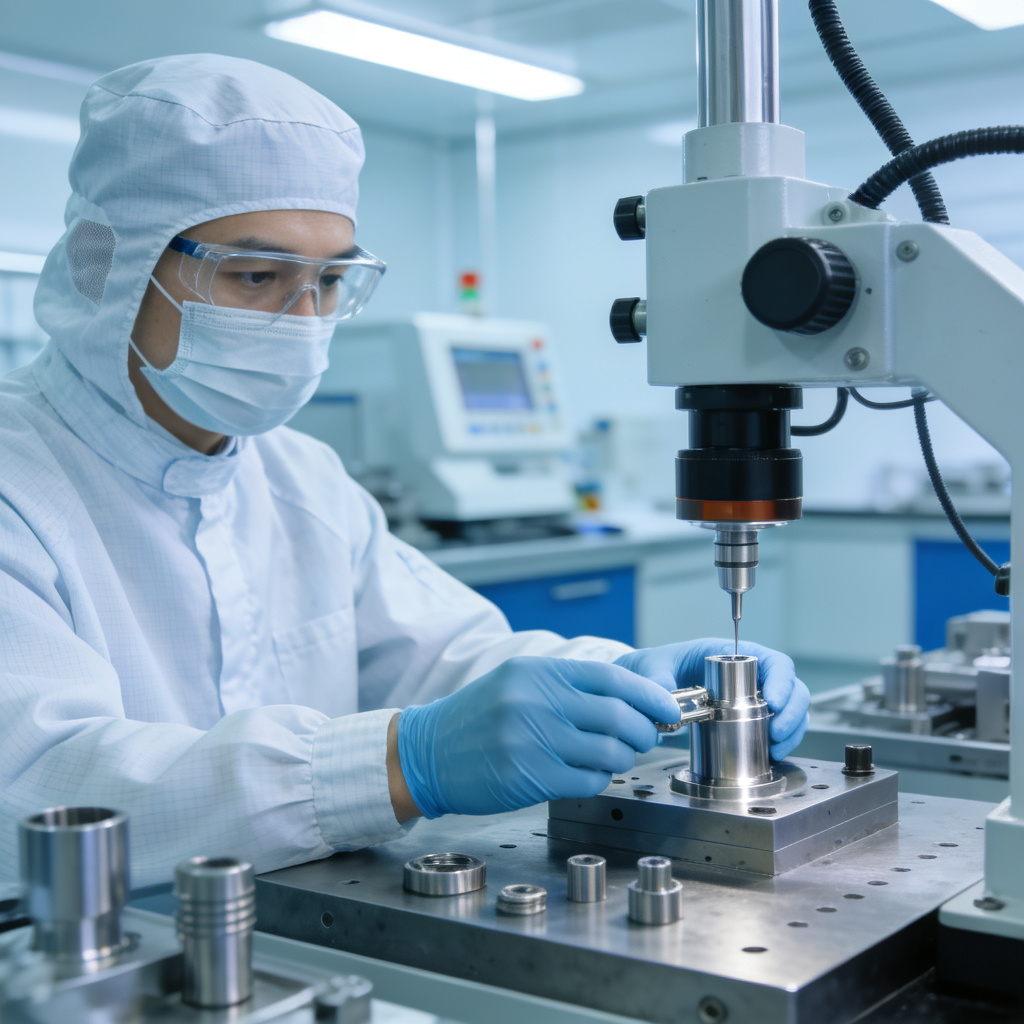
✅ ISO 7 Cleanroom Environment for Critical Components
✅ Comprehensive QA Documentation & Validation
Key Technologies and Applications of CNC Machining in Medical Part Manufacturing
The Critical Role of Precision Machining in Modern Healthcare
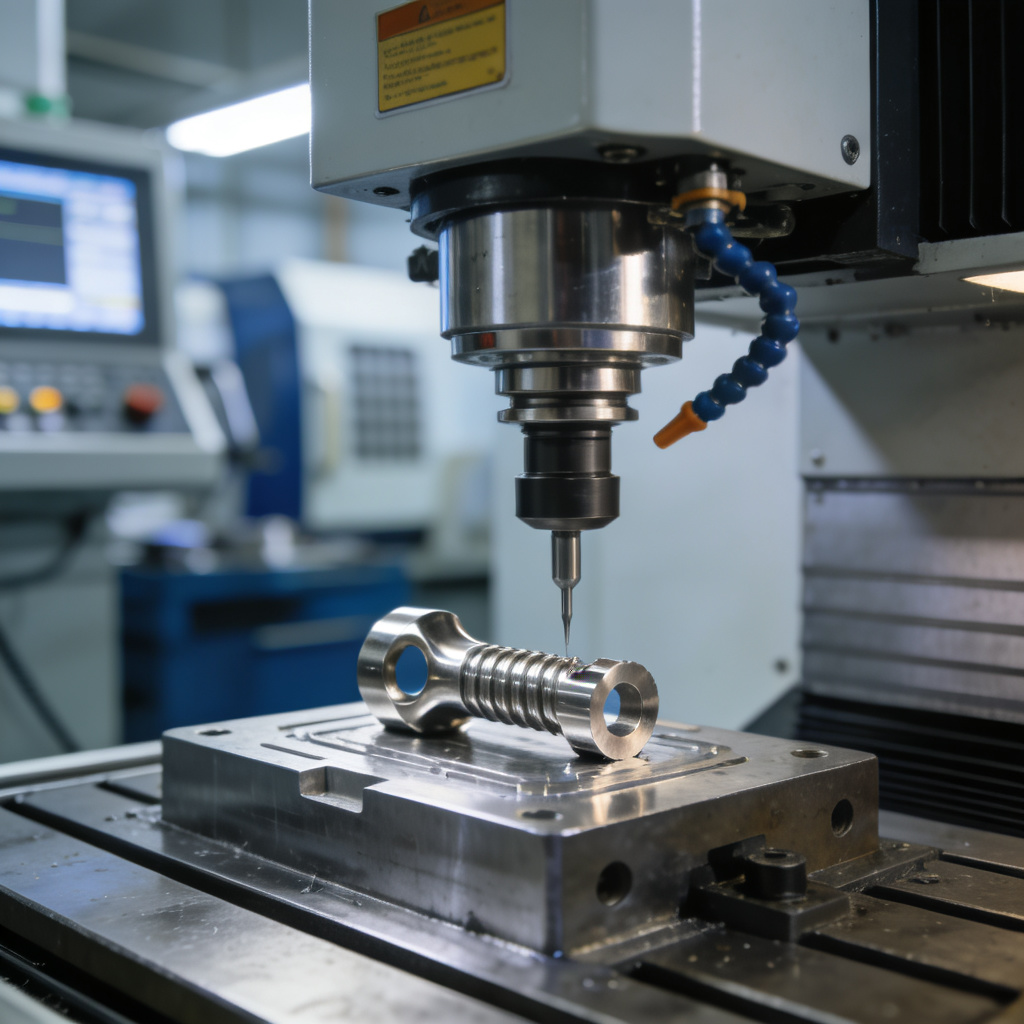
Medical CNC machining represents the intersection of engineering precision and life-saving technology. As someone who has spent two decades in this industry, I’ve seen firsthand how every micron of tolerance can mean the difference between a successful surgery and a complication.
Today’s medical devices demand levels of precision that were unimaginable just 15 years ago. From orthopedic implants that integrate with human bone to surgical instruments used in minimally invasive procedures, the quality of CNC machining directly impacts patient outcomes.
Our Core Capabilities
- Ultra-Precise Tolerances: ±0.005 mm standard, ±0.001 mm achievable for critical features
- Surface Finishes: Ra 0.2 μm for implants, mirror finishes available
- Advanced Machining: 5-axis simultaneous machining, Swiss-type turning
- Material Expertise: Titanium alloys, cobalt-chrome, PEEK, and specialty metals
Current Industry Trends & Key User Concerns
Rapidly Evolving Market Demands
The medical device industry is undergoing significant transformation driven by several key factors:
- Post-Pandemic Supply Chain Resilience: Localization of production to reduce dependency on global supply chains
- AI Integration: Predictive tool wear monitoring and automated inspection systems
- Hybrid Manufacturing: Combining 3D printing with CNC machining for complex geometries
- Patient-Specific Solutions: Custom implants tailored to individual anatomy
From my experience, the biggest shift I’ve seen is the move from standardized implants to truly personalized solutions. This requires completely different machining strategies and quality control approaches.
Top User Concerns in 2026
Based on hundreds of client consultations, these are the most pressing concerns we address daily:
- Regulatory Compliance: Meeting FDA 510(k) requirements and CE marking
- Cost Control: Balancing precision with affordability for small production runs
- Lead Times: Accelerating time-to-market for new medical devices
- Material Selection: Choosing the right biocompatible materials
- Quality Assurance: Ensuring consistent batch-to-batch quality
One thing I always tell clients: investing in proper upfront engineering will save you far more in regulatory headaches and production delays later on.
Advanced Machining Processes & Techniques
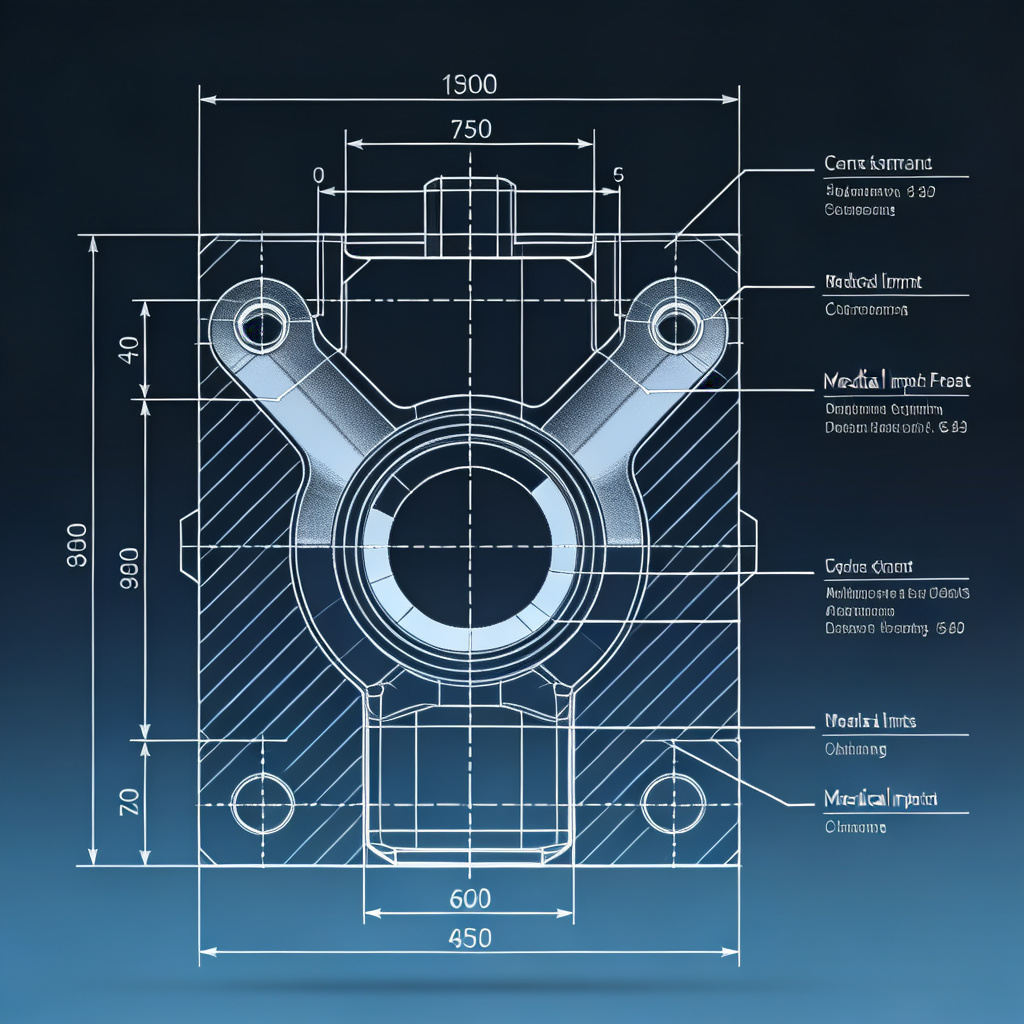
5-Axis Simultaneous Machining
5-axis machining has revolutionized medical component manufacturing by enabling complex geometries to be produced in a single setup. This eliminates the cumulative errors that occur with multiple fixturing operations.
Key Technical Advantages
- Single-Setup Manufacturing: Reduces setup time by 60-80% compared to traditional methods
- Complex Geometry Capability: Enables undercuts, angled features, and organic contours
- Superior Surface Quality: Optimized tool approaches minimize tool marks
- Enhanced Production Efficiency: Reduces cycle time by 30-50%
I remember when we first invested in our first 5-axis machine back in 2012. The learning curve was steep, but the ability to produce spinal cages in one setup instead of five completely changed our production capabilities.
Technical Specifications
- Accuracy: ±0.005 mm (±0.0002 inches)
- Repeatability: ±0.003 mm (±0.00012 inches)
- Spindle Speed: Up to 20,000 RPM for high-speed machining
- Tool Changer: 40-tool capacity for uninterrupted production
Swiss-Type Machining
Swiss-type machining is essential for producing small, complex medical components with extremely tight tolerances. This technology uses a sliding headstock and guide bushing to support the workpiece close to the cutting tool, minimizing deflection.
Ideal Applications
- Minimally Invasive Surgical Instruments: Small diameter shafts with complex features
- Bone Screws and Fasteners: Precise threads and tapers
- Catheter Components: Micro-tubes with wall thickness as thin as 0.1 mm
- Implantable Devices: Tiny components for neurological applications
The precision of Swiss-type machining never ceases to amaze me. We recently produced a surgical needle guide with a 0.3 mm diameter hole that required ±0.002 mm tolerance. Without Swiss machining, this would have been practically impossible.
Micro-Machining Technologies
Micro-machining pushes the boundaries of what’s possible in medical component manufacturing, enabling features that are barely visible to the naked eye.
Micro-Machining Capabilities
- Minimum Feature Size: 0.1 mm diameter holes and slots
- Surface Finish: Ra 0.1 μm achievable with specialized tools
- Tolerances: ±0.001 mm for critical micro-features
- Materials: Titanium, stainless steel, and medical-grade plastics
Process Optimization Techniques
- High-speed spindle technology (up to 80,000 RPM)
- Specialized micro-tools with diamond coatings
- Cryogenic cooling to prevent heat-induced deformation
- In-process laser measurement for real-time feedback
Common Machining Challenges & Proven Solutions
Titanium Machining Difficulties
Titanium is notoriously difficult to machine due to its work-hardening characteristics and poor thermal conductivity.
Solutions:
- Use carbide tools with specialized coatings (TiAlN, diamond)
- Implement high-pressure coolant systems
- Maintain consistent cutting speeds and feeds
- Utilize rigid machine setups to minimize vibration
Thermal Management
Heat generation during machining can cause dimensional inaccuracies and material property changes.
Solutions:
- Climate-controlled manufacturing environment (±2°C)
- Cryogenic machining with liquid nitrogen
- Real-time temperature monitoring systems
- Optimized tool paths to minimize heat buildup
Tool Wear Management
Tool wear directly impacts dimensional accuracy and surface finish quality.
Solutions:
- AI-powered tool wear prediction systems
- Automated tool changing with wear compensation
- Tool life monitoring and statistical analysis
- Adaptive control systems that adjust parameters in real-time
Medical-Grade Materials Expertise
Titanium Alloys
Ti-6Al-4V (Grade 5) & Ti-6Al-4V ELI
Mechanical Properties (Test Data)
- Tensile Strength: 900 MPa (130,500 psi)
- Yield Strength: 825 MPa (119,600 psi)
- Elongation: 10% minimum
- Hardness: 30 HRC
- Density: 4.43 g/cm³
*Test data based on ASTM F136 standards – results may vary by specific application
Titanium alloys are the gold standard for implantable medical devices due to their exceptional biocompatibility and strength-to-weight ratio.
Over the years, I’ve seen titanium go from being a “specialty material” to the standard of care for most orthopedic implants. Its ability to integrate with bone tissue (osseointegration) is truly remarkable.
Stainless Steel
316LVM & 17-4 PH
Mechanical Properties (Test Data)
- Tensile Strength: 550 MPa (79,800 psi) for 316L
- Yield Strength: 205 MPa (29,700 psi) for 316L
- Elongation: 40% minimum
- Hardness: 187 HB
- Density: 8.0 g/cm³
*Test data based on ASTM F138 standards – results may vary by specific application
Stainless steel remains a popular choice for surgical instruments and temporary implants due to its excellent corrosion resistance and lower cost compared to titanium.
316LVM is particularly interesting because it’s vacuum-melted, which gives it superior cleanliness and homogeneity compared to standard 316L. This makes it ideal for critical medical applications.
Engineering Polymers
PEEK & UHMW-PE
Mechanical Properties (Test Data)
- Tensile Strength: 90 MPa (13,050 psi) for PEEK
- Yield Strength: 90 MPa (13,050 psi) for PEEK
- Elongation: 30% minimum
- Hardness: 85 Shore D
- Density: 1.3 g/cm³
*Test data based on ISO 10993 standards – results may vary by specific application
PEEK has become increasingly popular for spinal implants and other applications where its bone-like mechanical properties are advantageous.
PEEK machining requires a completely different approach than metals. The material tends to melt and stick to tools if not machined properly. We’ve developed specialized techniques over the years to achieve excellent surface finishes on PEEK components.
Custom Medical Machining Solutions
Patient-Specific Implants
The ability to create patient-specific implants based on CT or MRI scans has transformed orthopedic and maxillofacial surgery. These custom implants offer superior fit and functionality compared to off-the-shelf alternatives.
Custom Implant Process
- Imaging & Design: Convert patient CT/MRI data to 3D model
- Engineering Analysis: Validate mechanical properties and fit
- Toolpath Generation: Create optimized CNC program
- Precision Machining: Manufacture from medical-grade material
- Quality Inspection: Verify dimensions and surface finish
- Sterilization & Delivery: Prepare for surgical use
I worked on a case a few years ago where a patient had a complex facial fracture that required a custom titanium implant. The ability to design and manufacture the implant in just 72 hours literally changed the outcome of their surgery.
Small-Batch Customization
Medical device development often requires small production runs for clinical trials or specialized applications. Our flexible manufacturing capabilities allow us to support these needs with minimal setup costs.
Customization Capabilities
- Minimum Order Quantity: 1 piece
- Lead Time: 24-72 hours for prototypes
- Material Options: All medical-grade materials available
- Design Support: DFM analysis and optimization
- Documentation: Complete traceability and quality records
Custom Design Process
- Initial design consultation and feasibility analysis
- CAD design and engineering validation
- Prototype development and testing
- Design optimization based on test results
- Production ramp-up and quality validation
Regulatory Compliance & Quality Assurance
ISO 13485:2016 Certification
Our quality management system is fully certified to ISO 13485:2016, the international standard specifically for medical device manufacturing.
- Documented quality procedures
- Risk management per ISO 14971
- Process validation and verification
- Corrective and preventive actions
FDA Compliance
We comply with FDA 21 CFR Part 820 (Quality System Regulation) and can support 510(k) premarket notification submissions.
- Current Good Manufacturing Practices (cGMP)
- Design control procedures
- Device master records
- History file maintenance
EU MDR Compliance
Our manufacturing processes align with the European Medical Device Regulation (MDR) for CE marking compliance.
- Clinical evaluation support
- Technical documentation preparation
- Post-market surveillance
- Conformity assessment procedures
Case Studies & Success Stories
Complex Spinal Implant System
A leading spinal device manufacturer approached us with a challenge: they needed to produce a complex spinal implant system with extremely tight tolerances and complex geometry that their current supplier couldn’t deliver.
Project Challenges
- Complex 3D geometry with multiple undercuts and angled features
- Tolerance requirement of ±0.003 mm across critical features
- Surface finish requirement of Ra 0.2 μm for bone integration
- Material: Ti-6Al-4V ELI (ASTM F136)
- Production volume: 1,000 units per month
Our Solution
We implemented a comprehensive approach that combined advanced machining technology with rigorous quality control:
- Used 5-axis simultaneous machining to produce complex geometry in one setup
- Developed specialized tool paths to minimize tool marks and improve surface finish
- Implemented in-process CMM inspection for real-time quality feedback
- Established statistical process control (SPC) to ensure consistent quality
Results
- 100% pass rate on initial inspection – zero defects in first production run
- 40% reduction in production time compared to previous supplier
- 60% reduction in scrap rate from 15% to 6%
- Successful FDA 510(k) clearance for the device
- Client achieved 25% increase in market share within 6 months
This project was particularly satisfying because it pushed the boundaries of what was thought possible with CNC machining. The ability to produce such complex implants with consistent quality really showcased the capabilities of modern 5-axis machining technology.
Minimally Invasive Surgical Instrument
A surgical device startup needed help producing a new minimally invasive surgical instrument that required micro-machining capabilities beyond their current supplier’s expertise.
Project Challenges
- Micro-features with 0.2 mm diameter holes and slots
- Extremely thin walls (0.3 mm) that were prone to deformation
- Surface finish requirement of Ra 0.1 μm for smooth tissue interaction
- Material: 440C stainless steel for high hardness
- Prototype production with rapid turnaround needed
Our Solution
We utilized our Swiss-type machining and micro-machining expertise to develop a specialized manufacturing process:
- Used Swiss-type machining with high-speed spindles (80,000 RPM)
- Developed custom fixturing to support thin walls during machining
- Implemented cryogenic cooling to prevent heat-induced deformation
- Used diamond-coated micro-tools for superior surface finish
Results
- Prototypes delivered in 72 hours – 50% faster than expected
- Successfully produced complex micro-features with 100% accuracy
- Achieved surface finish of Ra 0.08 μm, exceeding requirements
- Helped client secure $5 million in Series A funding
- Instrument received FDA clearance and is now used in 200+ hospitals
This project demonstrates the importance of having specialized micro-machining capabilities. The ability to produce features at this scale requires not just advanced equipment, but also years of experience in understanding how materials behave at the micro level.
Overcoming Titanium Machining Challenges
The Challenge
We were tasked with producing a large titanium orthopedic implant that presented several significant machining challenges:
- Large workpiece size (400 mm x 200 mm x 150 mm)
- Complex organic geometry requiring multiple undercuts
- Tight tolerances of ±0.005 mm across large surface area
- Material: Ti-6Al-4V ELI with high work-hardening tendency
The Solution
We developed a specialized machining strategy to overcome these challenges:
- Implemented roughing, semi-finishing, and finishing operations with different tool paths
- Used high-pressure coolant systems (1000 PSI) to manage heat buildup
- Utilized adaptive control systems to adjust feed rates in real-time
- Implemented intermediate stress relief cycles to minimize deformation
“This project taught us valuable lessons about titanium machining on a large scale. The key was understanding how heat affects the material and implementing strategies to manage it effectively.”
– Senior Manufacturing Engineer, Xiamen Goldcattle
Frequently Asked Questions
What materials are suitable for implantable medical devices?
For implantable devices, we recommend titanium alloys (Ti-6Al-4V ELI), cobalt-chromium alloys, and medical-grade PEEK. These materials offer excellent biocompatibility, corrosion resistance, and mechanical properties. All materials meet ISO 10993 biocompatibility standards and come with full material traceability.
From my experience, titanium remains the gold standard for most implant applications due to its unique combination of strength, light weight, and ability to integrate with bone tissue.
What are your standard tolerances for medical components?
Our standard tolerances are ±0.005 mm for CNC milling, ±0.003 mm for CNC turning, and ±0.002 mm for Swiss-type machining. We can achieve tighter tolerances down to ±0.001 mm for critical features when required, depending on the material and geometry.
It’s important to note that achieving these tolerances consistently requires more than just a good machine – it requires proper fixturing, tooling, and environmental control. We maintain our manufacturing environment at a constant temperature of 20°C ± 2°C to minimize thermal effects.
How do you ensure cleanliness and sterility for medical components?
We operate in an ISO 7 cleanroom environment for critical medical components. All parts are thoroughly cleaned and packaged in sterile packaging when required. We also offer sterilization services using ethylene oxide (EtO) or gamma irradiation, with full validation documentation.
Cleanliness is absolutely critical in medical manufacturing. We’ve invested heavily in our cleanroom facilities and cleaning processes to ensure that every component meets the highest standards of cleanliness.
What is your minimum order quantity for medical components?
We accept orders from 1 piece to high-volume production runs. Our flexible manufacturing capabilities allow us to support both prototyping and full-scale production needs, making us an ideal partner for medical device development from concept to commercialization.
One of the things I’m most proud of is our ability to support startups and established companies alike. Whether you need a single prototype or 10,000 production units, we can provide the same level of quality and attention to detail.
How long does it take to develop a custom medical component?
The development timeline depends on the complexity of the component and the level of customization required. Simple prototypes can often be produced in 24-72 hours, while more complex components may take 2-4 weeks. Full production ramp-up typically takes 4-8 weeks, including validation and documentation.
We understand that time-to-market is critical in the medical device industry, which is why we’ve optimized our processes to deliver high-quality components as quickly as possible without compromising on quality.
What documentation do you provide with medical components?
We provide comprehensive documentation including material test certificates (MTC), inspection reports, process validation records, traceability reports, and sterilization validation documents when applicable. All documentation is tailored to meet regulatory requirements for medical device submissions.
Documentation is often the most overlooked aspect of medical manufacturing, but it’s absolutely critical for regulatory compliance. We have a dedicated team that ensures every component comes with complete and accurate documentation.
Ready to Discuss Your Medical CNC Machining Project?
With 20 years of experience in medical machining, we have the expertise to handle even the most complex challenges. Contact our engineering team today to receive a free consultation and quote for your medical component manufacturing needs.