Precision Injection Mold Manufacturing for OEM Plastic Components
Advanced mold design, tooling development, and injection molding solutions for the automotive, electronics, medical, and industrial sectors.
Why Leading OEMs Partner with Us for Injection Mold Tooling
For OEM teams and product developers, launching a new plastic component carries inherent risks. A single design or manufacturing flaw in the mold can cause costly launch delays, wasted capital, and compromised product integrity.
Our end-to-end injection mold solutions are engineered to mitigate these challenges, enabling you to:
- Minimize tooling risk and eliminate expensive rework
- Accelerate project timelines without compromising quality
- Enhance dimensional consistency across high-volume production
- Seamlessly transition from prototyping to mass production
- Optimize part manufacturability during the early design phase
- Reduce total cost of ownership throughout the product lifecycle
Injection Molding Challenges We Resolve
We have extensive experience resolving complex molding challenges for global clients. Below are the most common issues we address that can otherwise delay projects or compromise part quality:
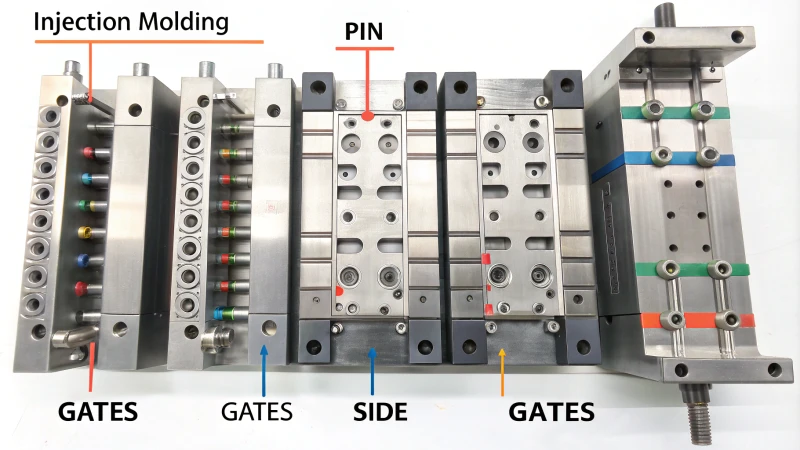
Comprehensive DFM Analysis Prior to Mold Manufacturing
A rigorous Design for Manufacturability (DFM) analysis is the foundation of every successful molding project. We conduct a thorough DFM review before any steel is cut, identifying and mitigating potential issues early to prevent costly downstream modifications.
Our DFM assessment evaluates critical design factors that directly influence part quality and production efficiency:
- Draft angle optimization for reliable part ejection
- Gate location analysis to optimize melt flow and minimize knit lines
- Wall thickness uniformity to prevent sink marks and differential cooling
- Shrinkage compensation aligned with specific material characteristics
- Rib structure design to enhance strength without inducing defects
- Ejector system layout to avoid part distortion or damage
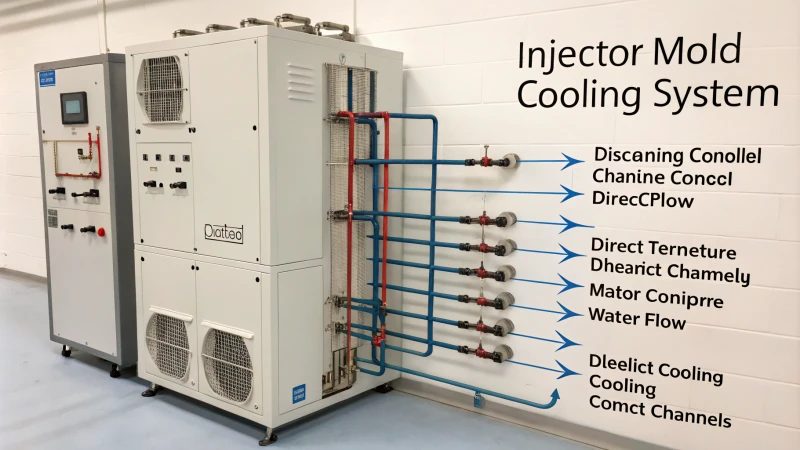
- Cooling channel design to shorten cycle time and control warpage
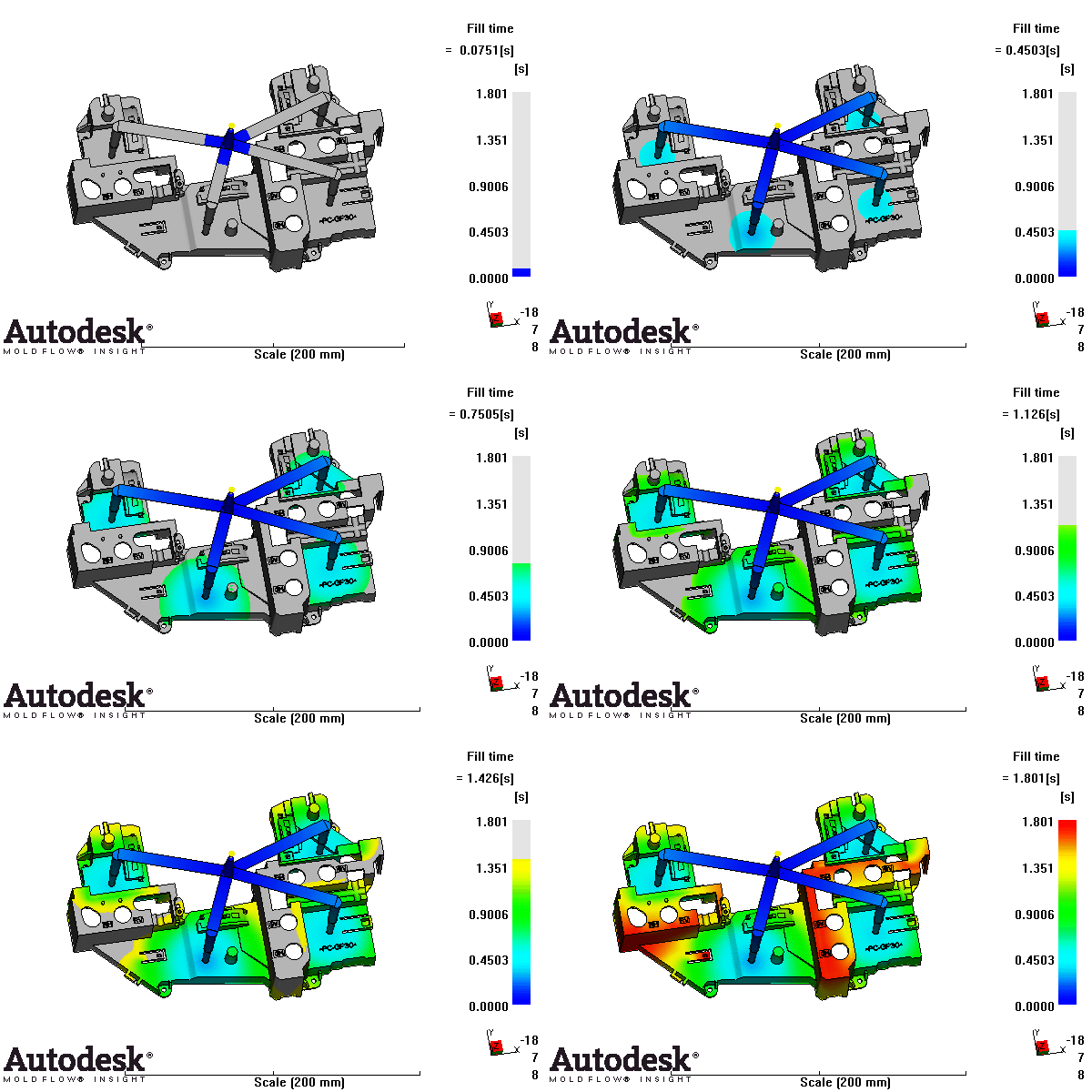
Advanced Mold Flow Simulation & Validation
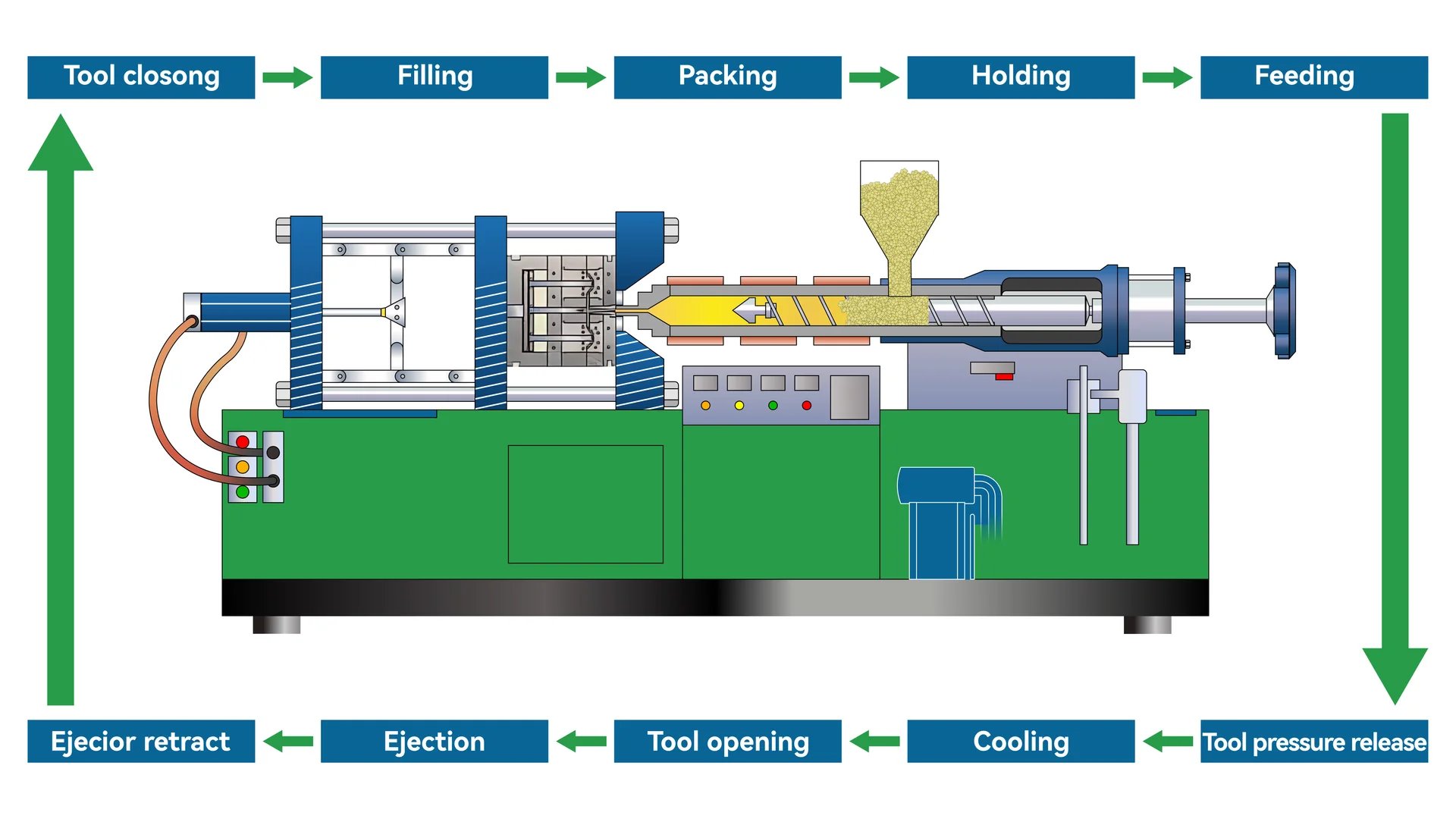
Using state-of-the-art mold flow simulation software, we virtually validate mold designs before manufacturing, predicting how molten polymer will fill, pack, and cool within the cavity. This proactive approach identifies potential defects before they become expensive production issues.
Our simulation services deliver actionable insights into:
- Filling analysis to guarantee complete cavity fill and eliminate short shots
- Cooling analysis to optimize thermal uniformity and reduce cycle time
- Weld/knit line prediction to adjust gate placement and improve structural integrity
- Air trap detection to prevent porosity and surface blemishes
- Volumetric shrinkage analysis to precisely compensate for material contraction
- Cycle time optimization for maximum throughput and cost efficiency
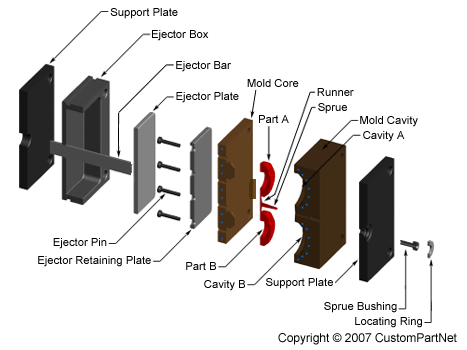
Precision Mold Manufacturing Capabilities
We deliver high-precision tooling engineered to your exact specifications. Our quantifiable capabilities provide a reliable foundation for your production requirements:
Industries We Serve
Automotive
High-precision tooling for connectors, sensor housings, interior trim, and under-the-hood components that meet rigorous automotive standards.
Medical
ISO 13485 compliant cleanroom-ready molds for medical devices, diagnostic instruments, and pharmaceutical components.
Consumer Electronics
Thin-wall, high-precision molds for smartphones, wearables, home appliances, and advanced consumer gadgets.
Industrial Equipment
Durable, high-wear-resistant molds for machinery parts, tool handles, enclosure components, and automation systems.
Smart Home & IoT
Cosmetic-grade tooling for smart home devices, sensor housings, control panels, and IoT product enclosures.
Electrical Components
Molds optimized for flame-retardant materials used in connectors, switch components, and circuit breakers.
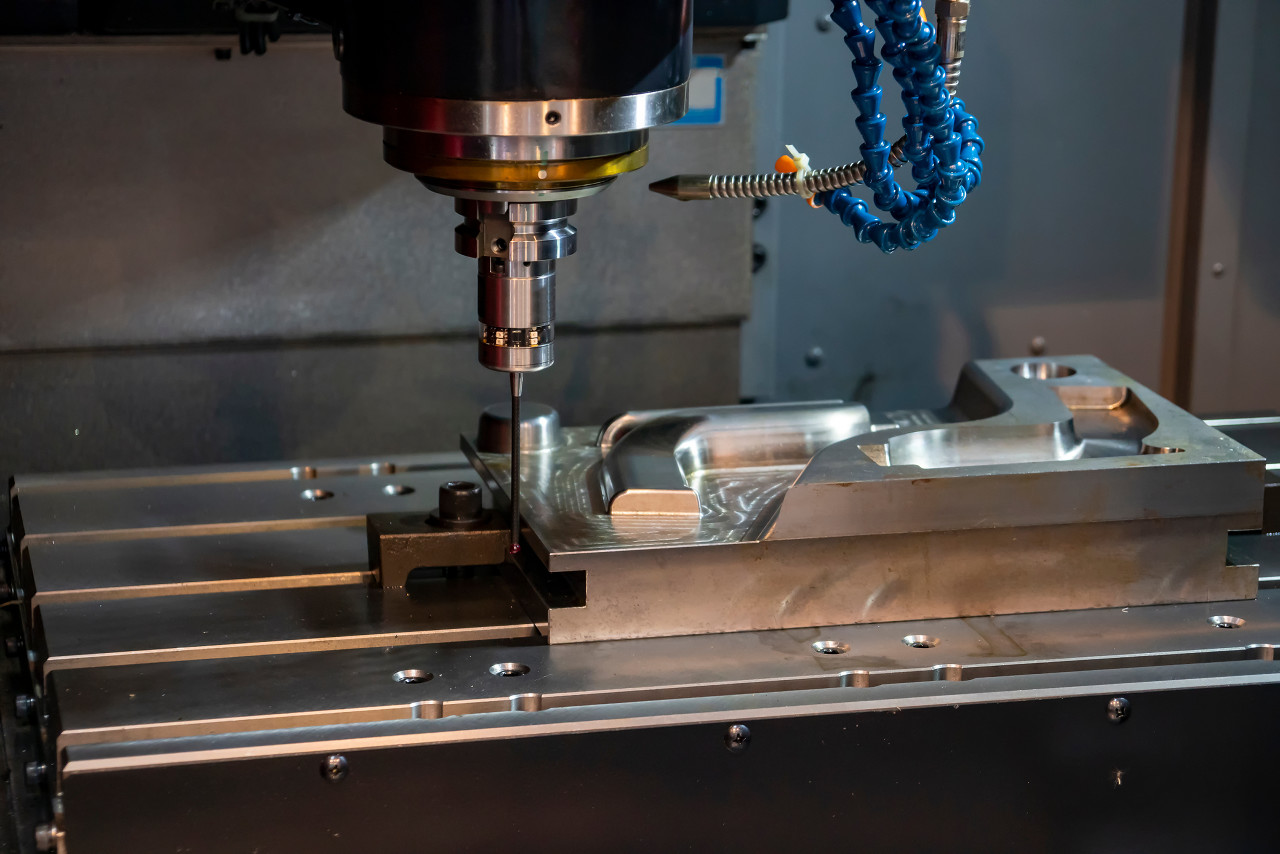
Rigorous Quality Assurance Protocol
Quality is fundamental to injection mold manufacturing. We implement a multi-stage quality assurance protocol to ensure every mold we deliver conforms exactly to your specifications and industry requirements.
Our quality assurance capabilities include:
- Coordinate Measuring Machine (CMM) inspection for full dimensional verification
- First Article Inspection (FAI) to validate initial sample compliance
- Production Part Approval Process (PPAP) documentation for automotive clients
- Comprehensive mold trial validation with detailed part testing and reporting
- Complete dimensional reports for every mold component
- Material certifications for all tool steels and polymer resins
- Statistical Process Control (SPC) for consistent production quality
Project Case Studies
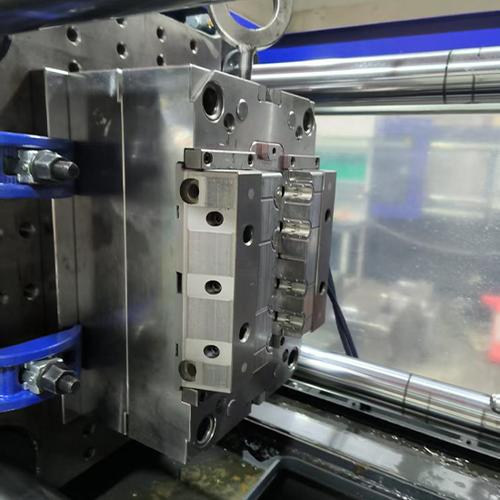
Automotive Connector Housing Mold
Material: PA66 GF30
Cavities: 8
Mold Life: 800K shots
Tolerance: ±0.02 mm
Challenge: The client required a high-cavitation mold that could maintain stringent tolerances for electrical connectors, achieving minimal flash and consistent quality throughout high-volume production runs.
Solution: We engineered a hot runner system with precision gate geometry and optimized cooling channel layout to ensure uniform thermal distribution. Our DFM review identified potential weld line locations early, allowing us to reposition gates proactively before tooling commenced.
Result: The mold achieved a 99.8% first-pass yield with zero rework required. The client launched production two weeks ahead of schedule, maintaining consistent part quality across 500,000+ initial cycles.
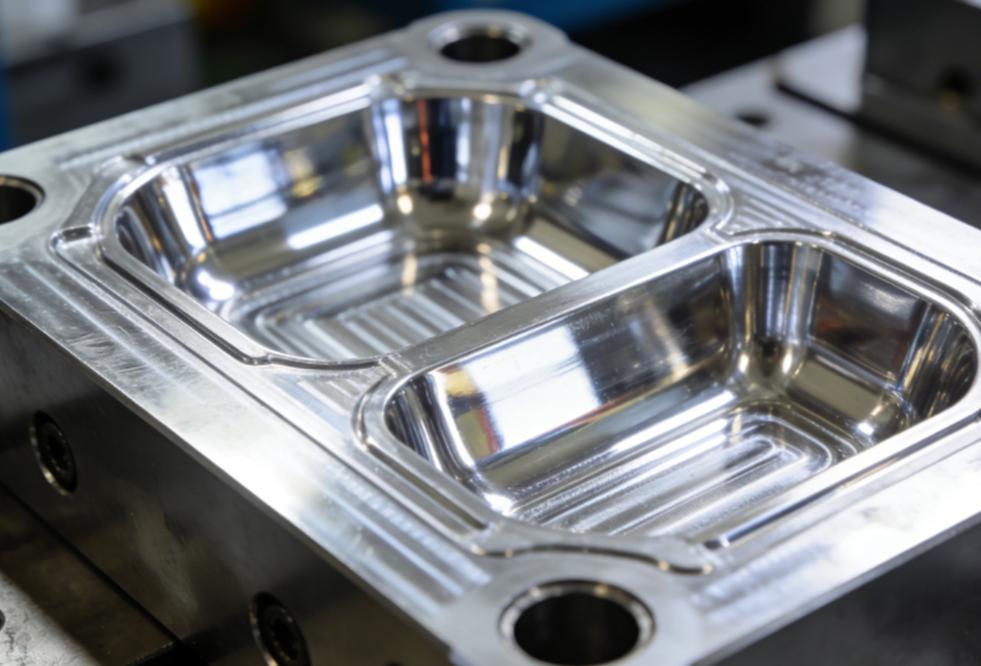
Medical Diagnostic Device Housing
Material: Medical-grade PC
Cavities: 4
Mold Life: 500K shots
Tolerance: ±0.01 mm
Challenge: The client needed a cosmetic-grade mold with mirror finish and extremely tight tolerances for a diagnostic device housing, requiring strict compliance with ISO 13485 standards.
Solution: We utilized S136 mirror-polish steel to achieve the specified SPI A-2 surface finish, and executed full DFM and mold flow analyses to eliminate sink marks on aesthetic surfaces. Complete material certification and PPAP documentation were provided to support regulatory submissions.
Result: The mold passed all regulatory audits and customer inspections on first submission, with zero defects during initial trials. The client successfully scaled to full production within 30 days of mold delivery, directly supporting their FDA approval timeline.
De-risking Offshore Mold Procurement for Global Clients
We understand the unique concerns of working with an overseas mold supplier. Our processes are designed to provide full transparency, control, and risk mitigation throughout your project.
Strict non-disclosure agreements safeguard your proprietary designs and intellectual property.
A comprehensive design review before manufacturing begins to identify and resolve issues early.
Video updates and detailed photo reports during mold trials for remote verification and approval.
Comprehensive dimensional reports and material certificates delivered with every mold.
Molds built to international standards, ensuring compatibility with your local injection molding machines.
Custom spare inserts included with each mold to minimize potential production downtime.
Detailed maintenance guides to maximize tool longevity and sustained performance.
Assigned project managers and engineering contacts available during your business hours.
Frequently Asked Questions
What are your typical lead times for injection molds?
Standard mold fabrication lead times range from 15 to 35 days, depending on complexity, size, and cavitation. For time-critical projects, we offer expedited manufacturing options to align with your launch schedule.
What is the difference between hot runner and cold runner systems?
Hot runner systems maintain the polymer in a molten state within the manifold and drops, eliminating runner scrap and reducing cycle time. Cold runner systems solidify the runner material, which is ejected alongside the part and can be reground. Hot runners are typically preferred for high-volume production, while cold runners remain cost-effective for lower to medium volumes.
What is the expected service life of an injection mold?
Mold lifespan depends on the tool steel selection and production demands. Our molds typically endure between 300,000 and 1,000,000 cycles. For high-volume applications, we utilize premium steels such as H13 or S136 that can reliably exceed 1 million shots without significant wear.
Which mold steels do you commonly use?
We select mold steel based on your production requirements. P20 is used for general-purpose applications, H13 for high-wear and elevated-temperature conditions, NAK80 for high-precision polished finishes, and S136 for corrosion-resistant, mirror-polish applications typical in medical and optical components.
How do you ensure dimensional accuracy of the mold?
We employ 5-axis CNC machining and precision grinding to achieve tolerances as tight as ±0.005 mm. Every mold component undergoes CMM inspection prior to assembly, and a full first article inspection is conducted after the initial mold trial to verify all part dimensions against your specifications.
What does DFM mean in injection molding?
DFM (Design for Manufacturability) is a systematic review process where our engineering team analyzes your part design to identify and resolve potential manufacturing constraints before tooling begins. This ensures the design is optimized for efficient, defect-free molding, reducing costs and lead time.
Which industries benefit from precision injection molds?
Precision injection molds are critical across automotive, medical, consumer electronics, industrial equipment, smart home/IoT, aerospace, and electrical component sectors. These industries demand tight tolerances, consistent quality, and reliable tooling to meet their production and regulatory requirements.
What causes warpage in injection molded parts?
Warpage is primarily caused by non-uniform cooling or differential volumetric shrinkage of the polymer. Contributing factors include poorly designed cooling channels, inconsistent wall thickness, and suboptimal process parameters. Our upfront mold flow analysis and DFM review systematically address these factors to prevent warpage before tooling begins.