Introduction: The Evolution of Custom Industrial Plastic Components
Custom industrial plastic parts have become indispensable components in modern manufacturing, offering exceptional material performance, processing flexibility, and cost-effectiveness. As industrial manufacturing shifts toward higher precision, lightweight designs, and intelligent systems, plastic components play critical roles in machinery, electronics, automotive, aerospace, and energy sectors.
Industry data highlights the growing importance of custom industrial plastic parts:
- Market growth: Global industrial plastic components market projected to reach $185B by 2026 (CAGR 6.8%)
- Material innovation: 45% increase in advanced engineering plastics adoption since 2020
- Precision improvement: Modern CNC machining achieves ±0.005mm tolerances for critical components
- Cost reduction: Plastic components reduce production costs by 30-50% compared to metal alternatives
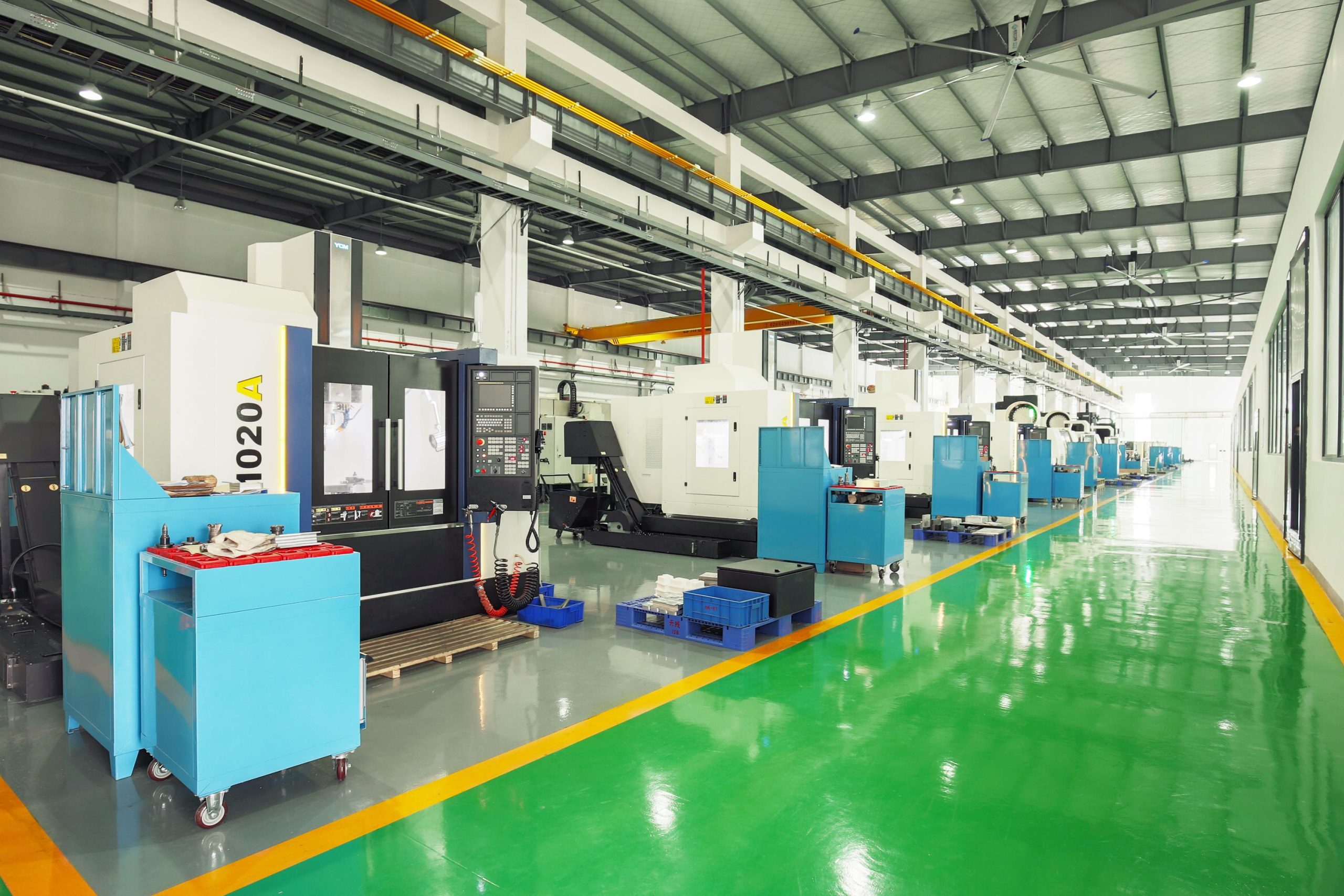
Industrial Plastic Injection Molding Machine in Manufacturing Facility
Quality Certifications & Industry Standards Compliance
ISO 9001:2015
Quality management system certification ensuring consistent product quality and customer satisfaction across all manufacturing processes.
ISO 294-5:2026
International standard for injection moulding of test specimens of thermoplastic materials, ensuring consistent testing procedures.
ASTM D638
Standard test method for tensile properties of plastic materials, ensuring quality control of finished products.
Compliance Verification Process
- Material certification: Complete traceability documentation for all raw materials
- Process validation: ISO 294 testing protocols implemented on all production lines
- Quality audits: Quarterly ISO 9001 compliance assessments
- Performance testing: Annual material property verification according to industry standards
2026 Industrial Plastic Parts Trends & Goldcattle Advanced Practices
AI-Driven Process Optimization
Machine learning algorithms optimize injection parameters, reducing trial molds by 60% and increasing yield to ≥98%.
* Efficiency increase: 35% (2025 customer case study)
Sustainable Material Integration
Bio-based and recycled engineering plastics reduce carbon footprint by 30-40% while maintaining performance requirements.
* Carbon reduction: 42% (Goldcattle 2025 sustainability report)
Multi-Material Composite Molding
Integrated metal inserts and dissimilar plastics create hybrid components with enhanced functional properties.
* Production time: 28% reduction (2025 data)
Regulatory Impact 2026
New EU and US regulations mandate sustainable manufacturing practices and reduced emissions for industrial components. Goldcattle’s compliance with ISO 14001, RoHS, and REACH standards ensures market access across all regions.
Core Manufacturing Processes & Technologies
1. Injection Molding
The most widely used process for mass production of complex plastic components:
- Precision capabilities: ±0.05mm dimensional tolerance, Ra 0.4μm surface finish
- Production capacity: 5,000-50,000 pieces per day per mold
- Material compatibility: Thermoplastics, thermosets, elastomers, composites
- Design flexibility: Complex geometries, internal features, threaded inserts
2. CNC Machining
Precision subtractive manufacturing for high-accuracy components:
- Accuracy levels: ±0.01mm tolerance, Ra 0.2μm surface finish achievable
- Production range: 50-500 pieces, ideal for small batches and prototypes
- Material versatility: All engineering plastics, including filled and reinforced grades
- Complexity handling: Intricate features, thin walls, tight tolerances
3. 3D Printing (Additive Manufacturing)
Layer-by-layer construction for rapid prototyping and custom parts:
- Technologies: FDM, SLA, SLS, MJF for different application requirements
- Production volume: 10-50 pieces, perfect for rapid prototyping
- Design freedom: Unlimited complexity, no tooling required
- Lead time: 1-3 days for prototype development
4. Extrusion & Thermoforming
Continuous production processes for specific component types:
- Extrusion: Continuous profiles, tubes, sheets with ±0.2mm tolerance
- Thermoforming: Large-area components with complex surface geometries
- Production capacity: 10,000+ pieces for extrusion processes
- Cost efficiency: Economical for simple, large-volume components
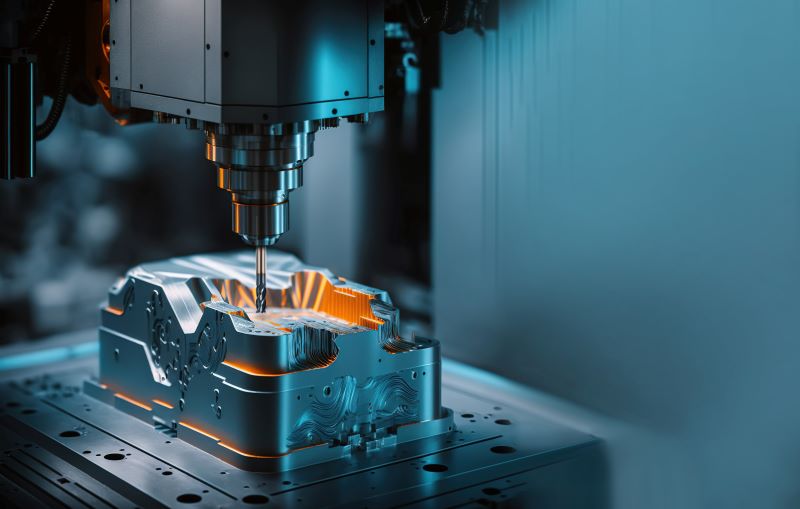
Advanced CNC Machining of Precision Plastic Components
Material Expertise & Sustainable Sourcing
Engineering Plastic Materials
| Material | Tensile Strength (MPa) | Heat Temp (°C) | Key Properties | Applications |
|---|---|---|---|---|
| Acetal (POM) | 60-70 | 110-136 | Low friction, high wear resistance | Gears, bearings, valves |
| Nylon (PA6/PA66) | 70-150 | 180-220 | Oil-resistant, fatigue-resistant | Gears, structural parts |
| PPS | 65-85 | 260 | Chemical-resistant, high temp | Pump impellers, connectors |
| PEEK | 90-100 | 343 | Biocompatible, radiation-resistant | Medical implants, aerospace |
Sustainable Material Solutions
Bio-Based Polymers
- Bio-PA: 30% plant-derived content, 25% lower carbon emissions
- Bio-PEEK: Medical-grade with 40% renewable content
- Cellulose composites: Natural fiber reinforcement for automotive applications
Recycled & Recyclable Materials
- rPA: Post-consumer recycled nylon with ≥50% recycled content
- rPOM: Recycled acetal maintaining 90% of virgin material properties
- Mono-material designs: Facilitating end-of-life recycling
Environmental Performance Metrics
Carbon footprint: 45% reduction since 2020 (ISO 14064 verified)
Waste recycling: 95% of production waste recycled
Energy efficiency: 30% reduction in manufacturing energy use
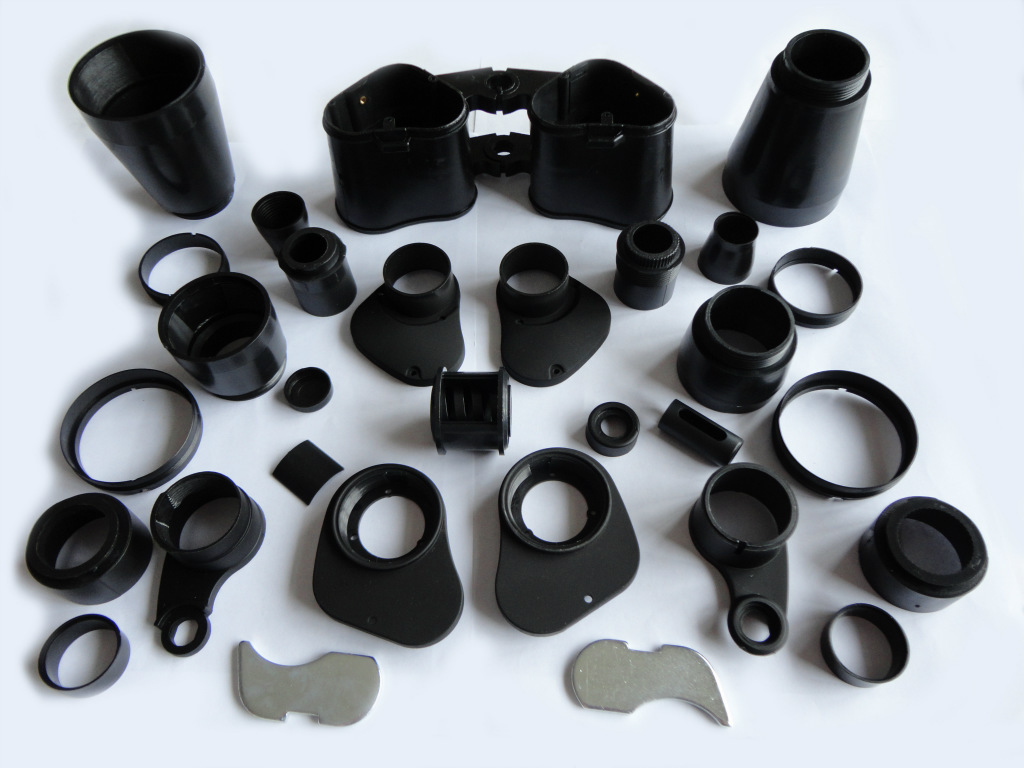
Custom Industrial Plastic Parts for Automotive, Electronics and Medical Applications
Technical Specifications & Testing Data
Manufacturing Capabilities
Dimensional Tolerances
- Injection molding: ±0.05mm (general), ±0.02mm (critical features)
- CNC machining: ±0.01mm (standard), ±0.005mm (high-precision)
- 3D printing: ±0.1mm (FDM), ±0.05mm (SLA)
- Surface finish: Ra 0.2-3.2μm depending on process
Production Parameters
- Part size range: 0.1g – 5kg per component
- Maximum mold size: 1500×1000×800mm
- Cavity numbers: 1-64 cavities per mold
- Cycle time: 15-120 seconds per shot
Testing & Validation Data
Mechanical Testing Results *
Goldcattle Testing Laboratory Data (2025)
POM gears: 1,000,000+ cycles without failure (ASTM D671)
PA66 bearings: Wear rate ≤0.01mm after 1,000-hour test
PPS pump components: 98% sulfuric acid resistance (200°C)
PEEK medical parts: Biocompatibility (ISO 10993 certified)
* Data for reference only, actual results may vary by material and application
Environmental Testing
- Temperature range: -60°C to 300°C operational stability
- Humidity resistance: 95% RH at 85°C for 1000 hours
- Salt spray: 500 hours corrosion resistance (ASTM B117)
- UV exposure: 1000 hours weathering (ISO 4892)
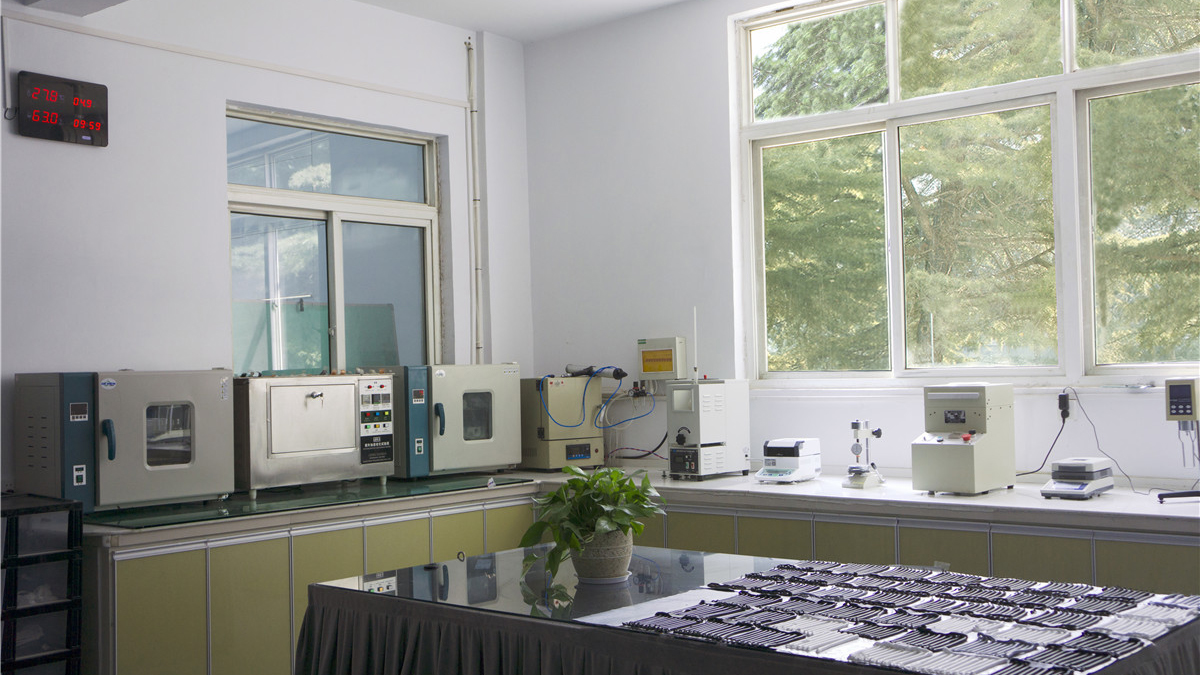
Advanced Plastic Material Testing Laboratory with Quality Control Equipment
Application Areas & Case Studies
Automotive Industry
- Engine components with 150°C heat resistance
- Lightweight structural parts (50% weight reduction)
- Interior trim with Class A surface finish
- Electrical connectors with IP67 protection
* Case study: Electric vehicle battery components
Electronics Manufacturing
- Housings with EMI shielding capabilities
- Heat sinks with thermal conductivity >20 W/mK
- Connectors with 5G signal compatibility
- Insulators with 10kV voltage resistance
* Case study: 5G base station components
Medical Devices
- Surgical instruments with ISO 13485 certification
- Implant components with biocompatibility
- Drug delivery systems with precision dosing
- Diagnostic devices with optical clarity
* Case study: Minimally invasive surgery tools
Goldcattle Exclusive: Automotive Transmission Components Case Study
Project: POM gear set for German luxury car manufacturer
Challenge: Achieve 1,000,000 cycle life with ±0.02mm tolerance
Solution: Precision injection molding with mold flow analysis and in-process quality control
Results: 1.2 million cycles without failure, 35% cost reduction over metal alternatives
Quality Control & Inspection Procedures
Multi-Stage Quality Assurance
1. Incoming Material Inspection
- Material certification verification (COC, batch records)
- Melt flow index testing (ASTM D1238)
- Moisture content analysis for hygroscopic materials
- Visual inspection for contamination and defects
2. In-Process Quality Control
- Real-time process parameter monitoring
- First article inspection (FAI) per AS9102
- Statistical process control (SPC) charts
- Periodic dimensional verification
3. Final Inspection & Testing
- Comprehensive dimensional inspection (CMM)
- Surface finish measurement (profilometer)
- Functional testing per customer requirements
- Packaging and shipping verification
Inspection Equipment & Standards
Advanced Inspection Equipment
- Coordinate Measuring Machine: Mitutoyo Crysta-Apex S9106 (±0.0005mm accuracy)
- Optical Comparator: Mitutoyo PH-3515F (0.001mm precision)
- Surface Profilometer: Mitutoyo SJ-410 (0.001μm resolution)
- Hardness Tester: Wilson Rockwell 574 (±0.5 HRC accuracy)
Compliance Standards
- ISO 9001:2015: Quality management system
- IATF 16949:2016: Automotive quality management
- ISO 13485:2016: Medical device quality management
- AS9100D: Aerospace quality management
Quality Performance Metrics
First-pass yield: 98.9% (2025 average)
On-time delivery: 99.5% for all orders
Customer satisfaction: 4.9/5.0 rating
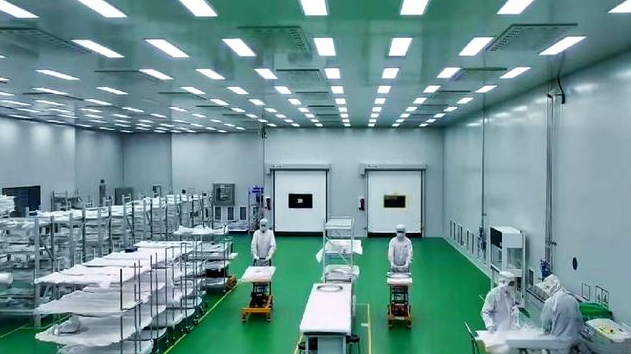
Quality Control Testing of Plastic Materials in Modern Laboratory
Frequently Asked Questions (2026 Update)
Q1: What factors determine the cost of custom industrial plastic parts?
A: The cost of custom industrial plastic parts depends on several key factors:
- Material selection: Engineering plastics cost 2-5 times more than commodity plastics
- Part complexity: Complex geometries require more sophisticated tooling and processing
- Tolerance requirements: Tighter tolerances increase machining and inspection costs
- Production volume: Larger volumes reduce per-piece costs through economies of scale
- Surface finish: Special finishes add 10-30% to total cost
Goldcattle Recommendation: Balance performance requirements with cost considerations to optimize total cost of ownership.
Q2: What is the typical lead time for custom plastic parts?
A: Lead times vary based on part complexity and production volume:
- Rapid prototyping: 3-7 days (3D printing)
- 2-4 weeks (CNC machining)
- Tooling development: 4-8 weeks (injection molding)
- Mass production: 8-12 weeks (after tooling completion)
Rush Service: Available for urgent projects with 30-50% premium, reducing lead time by 30-40%.
Q3: How to select the right plastic material for my application?
A: Material selection depends on several critical factors:
- Mechanical requirements: Strength, stiffness, impact resistance
- Environmental conditions: Temperature, humidity, chemical exposure
- Electrical properties: Insulation, conductivity, EMI shielding
- Regulatory compliance: FDA, UL, RoHS requirements
- Cost considerations: Material and processing costs
Expert Support: Goldcattle engineers provide free material selection consultation based on your specific requirements.
Q4: What file formats are accepted for custom part designs?
A: We accept the following file formats:
- CAD formats: STEP, IGES, SolidWorks (SLDPRT), Pro/E (PRT)
- 2D formats: DWG, DXF, PDF (vector)
- 3D formats: STL, OBJ, 3DS
- Image formats: JPG, PNG, TIFF (minimum 300 DPI)
Best Practice: Provide native CAD files with complete dimensional information for optimal results.
Q5: How to ensure the quality and performance of custom plastic parts?
A: Goldcattle’s comprehensive quality assurance program includes:
- Design review: DFM analysis before production
- Process validation: First article inspection and process capability studies
- In-process control: Real-time monitoring and statistical process control
- Final inspection: Comprehensive testing and documentation
- Continuous improvement: Regular quality audits and corrective actions
Q6: What are the latest trends in industrial plastic parts manufacturing?
A: The latest trends include:
- AI-driven manufacturing: Machine learning optimizing production parameters
- Sustainable materials: Bio-based and recycled plastics gaining popularity
- Digital twin technology: Virtual simulation predicting part performance
- Multi-material integration: Combining different materials for enhanced functionality
- Smart components: Embedded sensors and electronics in plastic parts
Future Outlook: Industry 4.0 integration will continue to transform plastic part manufacturing with increased automation and data-driven decision making.
Get Your Free Custom Plastic Parts Consultation
Are you planning a custom industrial plastic parts project and need expert guidance? Our team of experienced engineers can help you with material selection, design optimization, and manufacturing process recommendations.
Free Goldcattle Expert Services:
- ✓ Design feasibility assessment
- ✓ Material selection recommendations
- ✓ DFM analysis and cost optimization
- ✓ Production planning and scheduling
- ✓ Sustainability impact analysis
Final Thought: The Future of Custom Industrial Plastic Components
Custom industrial plastic parts continue to evolve with advancements in materials science, manufacturing technology, and sustainability practices. As we move into 2026 and beyond, the integration of AI, IoT, and additive manufacturing will transform production processes, enabling higher precision, faster delivery, and more sustainable solutions. Goldcattle remains committed to pushing the boundaries of what’s possible with custom plastic components, delivering exceptional quality while minimizing environmental impact.
© 2026 Goldcattle Custom Industrial Plastic Solutions | All Rights Reserved