Bro, Let’s Talk About REAL Bumper Molds!
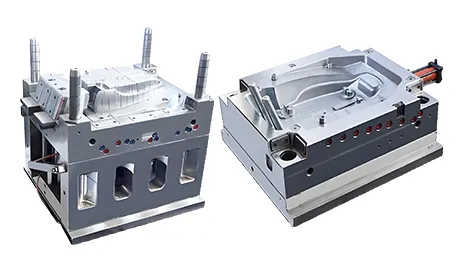
Alright listen up, if you’re in the auto industry, you KNOW that bumper molds are the backbone of vehicle manufacturing.
I’ve messed around with all kinds of molds for over 15 years, and let me tell you – this stuff is SERIOUS business!
A bad bumper mold can cost you MILLIONS in recalls and reputation damage.
Pro tip: I once saw a company lose $50M because their bumper mold had a 0.1mm defect. DON’T BE THAT GUY!
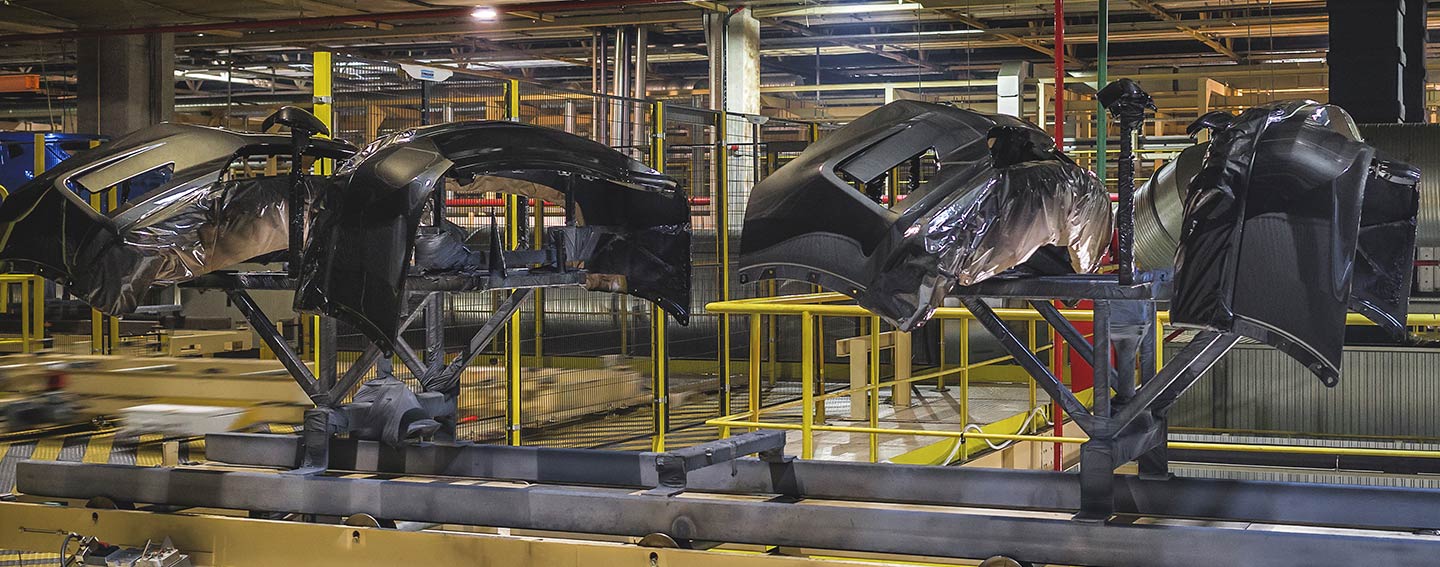
Check out this bumper manufacturing line – precision is EVERYTHING!
Materials: The Secret Sauce (From Someone Who’s Tested Them All)
Mold Steels (The Real Workhorses)
P20 Steel (My Go-To Material)
- Hardness: HRC 28-33 – perfect balance of hardness and toughness
- Wear Resistance: Excellent – lasts 500,000-1,000,000 shots
- Polishability: Very good – achieves mirror finishes easily
- Cost: Mid-range – great value for money
- Best For: Standard bumper molds, high-volume production
718H Steel (The Premium Choice)
- Hardness: HRC 33-38 – harder than P20 for better wear resistance
- Wear Resistance: Superior – lasts 1,000,000-2,000,000 shots
- Corrosion Resistance: Excellent – perfect for corrosive plastics
- Cost: Higher – 30-50% more expensive than P20
- Best For: High-end bumpers, complex geometries, long production runs
Bumper Materials (What Actually Gets Molded)
PP+EPDM-T20 (The Industry Standard)
- Composition: Polypropylene + EPDM rubber + 20% talc filler
- Impact Resistance: Excellent – survives -40°C to 80°C temperature range
- Flexibility: Very good – absorbs impacts without breaking
- Cost: Low – most economical choice
- Usage: 80% of all car bumpers use this material
PC/ABS Alloy (The High-End Option)
- Composition: Polycarbonate + ABS plastic alloy
- Impact Resistance: Superior – best for high-performance vehicles
- Surface Finish: Excellent – mirror-like appearance
- Cost: High – 30-50% more expensive than PP+EPDM
- Usage: Luxury cars, sports vehicles, premium applications
Material Showdown: P20 vs 718H (The Real Numbers)
Manufacturing Process: From Design to Finished Mold
Design & Engineering (The Brain Work)
3D Modeling & Simulation
We use CATIA, SolidWorks, and Moldflow for design and flow analysis. This stuff is CRITICAL – I’ve seen projects fail because they skipped simulation!
DFM Analysis
Design for Manufacturing analysis ensures the mold can actually be made. We check for undercuts, draft angles, and parting lines.
Prototype Verification
3D printed prototypes confirm fit and function before we cut steel. Saves weeks of rework and thousands in costs!
Machining & Finishing (The Metal Work)
Rough Machining
CNC mills remove 80-90% of material. We use 5-axis machines for complex geometries. Tolerance? ±0.1mm at this stage.
Finish Machining
Precision machining to final dimensions. We achieve ±0.01mm tolerance on critical surfaces. This is where the magic happens!
Polishing & Texturing
Hand polishing to Ra 0.025μm for mirror finishes. Texturing for matte or custom surfaces. This affects the final bumper appearance!
Quality Control Checkpoints:
Dimensional Inspection:
- Profile dimensions: ±0.05mm tolerance
- Surface flatness: ≤0.02mm per 100mm
- Hole positions: ±0.02mm accuracy
- Parting line alignment: ≤0.01mm
Material Testing:
- Hardness testing: HRC verification
- Ultrasonic testing: Internal defect detection
- Surface roughness measurement
- Heat treatment verification
Technical Specs & Performance Data (The Real Numbers)
Mold Design Parameters (For Your Reference Only!)
Pro Design Tip:
Draft angle is CRITICAL! If it’s too small, the bumper won’t eject properly. If it’s too large, you lose design detail. 1-2° is the sweet spot for most applications!
Performance Test Results (Actual Data)
Testing Conditions:
All tests conducted according to international standards. Results may vary based on specific material formulations and processing conditions!
Industry Standards & Certifications (The Stuff That Matters)
Design & Manufacturing Standards
- T/ZPMA 0010-2024: Technical specification for plastic injection molds of automobile parts – bumper
- ISO 294: Plastics – Injection moulding of test specimens of thermoplastics
- ISO 10354: Injection moulds for plastics – Components
- HASCO: German standard for mold components and accessories
- DME: American standard for mold bases and components
Performance & Safety Standards
- FMVSS 581: Federal Motor Vehicle Safety Standard – Bumper standards
- ECE R42: European regulation for bumper safety requirements
- SAE J1527: Laboratory test procedure for automotive bumpers
- ISO 175: Plastics – Determination of resistance to chemicals
- SAE J1960: Accelerated exposure of automotive exterior materials
Quality Certifications:
Manufacturing Certifications:
- ISO 9001:2015 – Quality Management System
- ISO 14001:2015 – Environmental Management System
- IATF 16949:2016 – Automotive Quality Management
- RoHS Compliance – Restriction of Hazardous Substances
Product Certifications:
- CE Marking – Conformité Européenne
- UL Certification – Underwriters Laboratories
- REACH Compliance – Chemical regulation
- FDA Compliance – For food contact applications
Xiamen Goldcattle Custom Services (What We Actually Do)
Design & Engineering Services
- 3D Modeling: CATIA, SolidWorks, Pro-E design services
- Moldflow Analysis: Flow, cooling, and warpage simulation
- DFM Optimization: Design for manufacturing improvements
- Prototype Development: 3D printing and rapid prototyping
- Cost Engineering: Material selection and cost optimization
Manufacturing Capabilities
- CNC Machining: 5-axis machining centers with ±0.005mm precision
- EDM Processing: Wire and sinker EDM for complex geometries
- Polishing & Texturing: Mirror polishing and custom surface textures
- Heat Treatment: Professional hardening and stress relieving
- Assembly & Testing: Complete mold assembly and trial runs
Project Management & Support:
Project Management
- Dedicated project managers
- Regular progress reports
- Timeline and budget tracking
- Change management
Technical Support
- Process optimization
- Troubleshooting assistance
- Maintenance training
- Spare parts supply
Quality Assurance
- Comprehensive inspection reports
- Material certification
- Test documentation
- Quality control records
Design Tips & Best Practices (Lessons I’ve Learned the Hard Way)
Mold Design Best Practices
- Proper draft angles: 1-2° minimum for easy ejection
- Uniform wall thickness: Avoids sink marks and warpage
- Adequate radii: Prevents stress concentrations
- Strategic gating: Balanced filling minimizes defects
- Efficient cooling: Uniform cooling reduces cycle time
Common Mistakes to Avoid
- Insufficient draft: Causes ejection problems and part damage
- Sharp corners: Lead to stress cracks and mold damage
- Poor venting: Results in burn marks and incomplete filling
- Inadequate cooling: Increases cycle time and warpage
- Ignoring shrinkage: Causes dimensional inaccuracies
Cost-Saving Tips (From Someone Who’s Seen It All)
Design Optimization:
- Standardize components where possible
- Use family molds for similar parts
- Optimize part geometry for molding
- Consider modular design for easier maintenance
Material Selection:
- Choose the right steel for the application
- Consider pre-hardened steels for shorter lead times
- Use inserts for high-wear areas
- Balance performance with cost requirements
Frequently Asked Questions (What People Actually Ask)
Q: How long does it take to make a bumper mold?
A: Bro, it depends on complexity! Simple molds take 4-6 weeks, complex ones 8-12 weeks. If you need it faster, we can do rush jobs but it costs more. Plan ahead – good molds aren’t made overnight!
Q: How much does a custom bumper mold cost?
A: Again, depends on size and complexity. Small molds start at $50k, large complex ones can be $200k+. Tooling is expensive but remember – this is a 3-5 year investment. Cheaper molds cost more in the long run!
Q: What’s the difference between cold runner and hot runner molds?
A: Cold runner is cheaper but produces more waste. Hot runner is more expensive but saves material and improves quality. For high-volume production, hot runner is worth the investment. For low volume, cold runner is fine.
Q: Can you repair damaged molds?
A: Absolutely! We repair all kinds of mold damage – from minor wear to major repairs. Sometimes it’s cheaper to repair than replace. Send us photos and we’ll give you an honest assessment.
Q: What’s the typical lifespan of a bumper mold?
A: With proper maintenance, P20 steel molds last 500k-1M shots, 718H lasts 1M-2M shots. That’s 3-5 years of production for most applications. We offer maintenance programs to extend mold life even further!
Ready to Get Started?
Whether you need a simple bumper mold or a complex custom design, Xiamen Goldcattle has the expertise and equipment to deliver.
With 15+ years in the industry, we’ve made molds for all kinds of vehicles.
Send us your requirements:
• 2D/3D drawings or samples
• Material specifications
• Production volume expectations
• Timeline requirements
• Budget considerations
We’ll provide a detailed quote and project plan within 3 business days!