What Is CNC Milling? A Buyer’s Guide for Custom Machining Projects
Everything procurement managers & engineers need to know before ordering custom CNC milling services, including capabilities, tolerances, DFM tips, and quoting requirements.
What is CNC Milling?
CNC (Computer Numerical Control) milling is a subtractive manufacturing process that removes material from a solid block using rotating cutting tools to create custom parts and features. Unlike manual milling, our automated CNC systems follow pre-programmed toolpaths to deliver consistent, high-precision results for both prototypes and mass production.
In short, it turns your 3D design into a physical, functional part by precisely cutting away excess material, enabling complex geometries that would be impossible to create with traditional manufacturing methods.
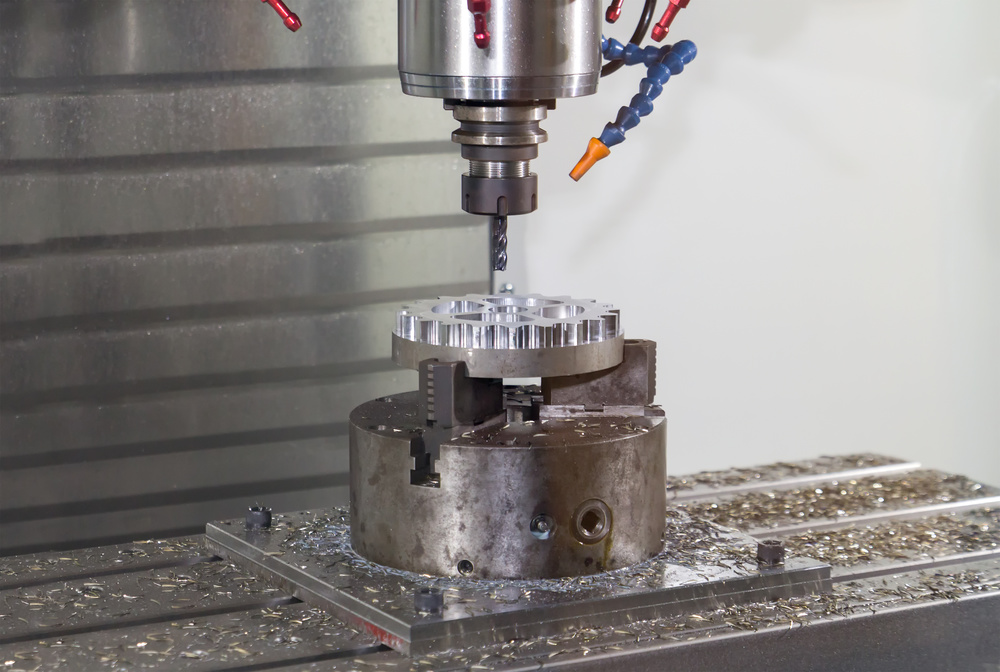
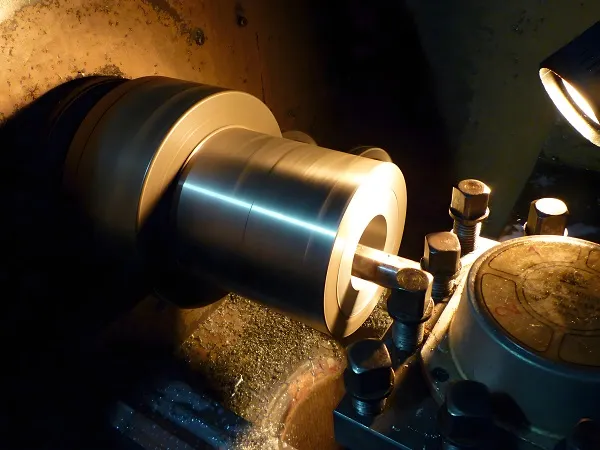
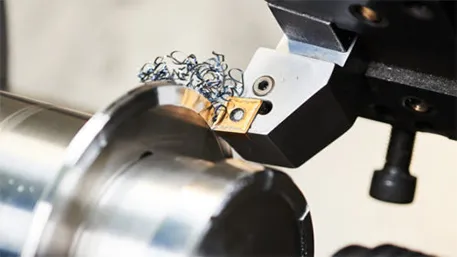
Our CNC milling machine performing precision cutting on a custom aluminum part
When Should You Choose CNC Milling?
CNC milling is not the right fit for every project. It is ideal for your project if you need:
- Complex 3D geometries: Intricate contours, slots, pockets, or multi-sided features
- High precision requirements: Tight tolerances for functional, mating parts
- Low to medium volume production: From 1-off prototypes to 10,000+ unit production runs
- Custom, low-volume parts: Parts that don’t justify the cost of injection molding or casting tooling
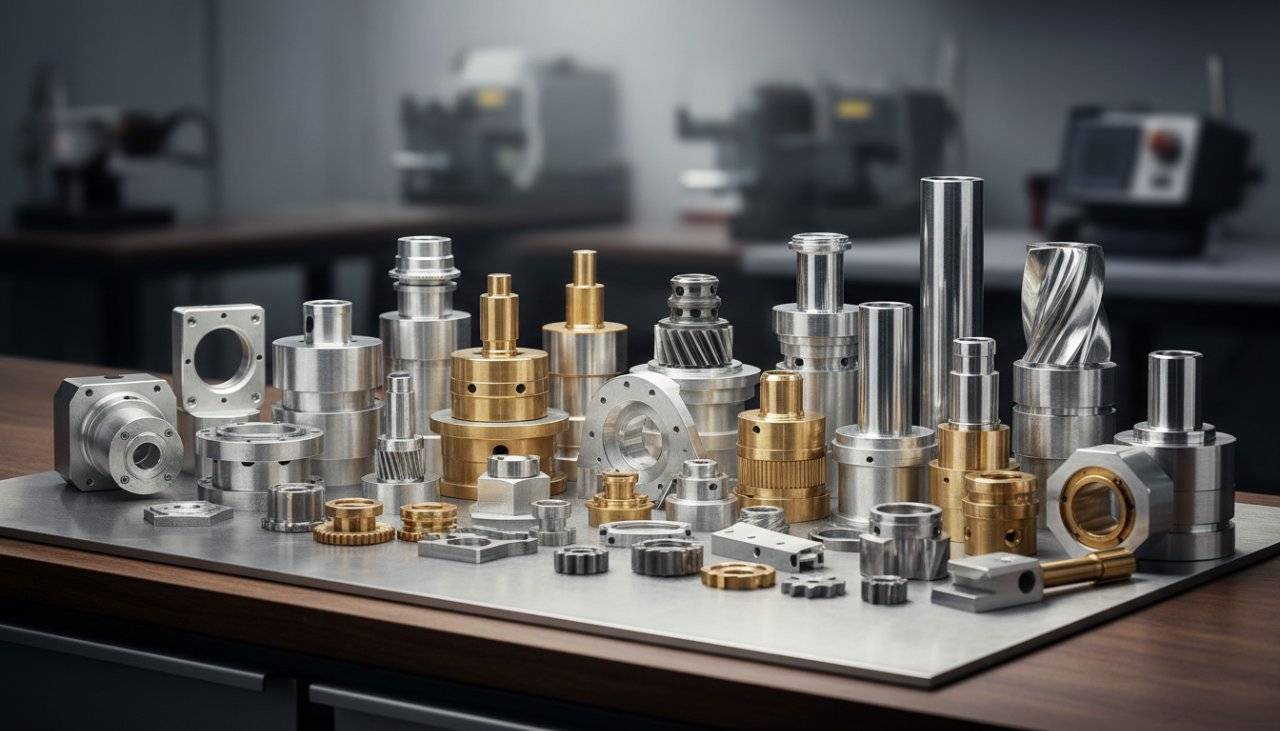
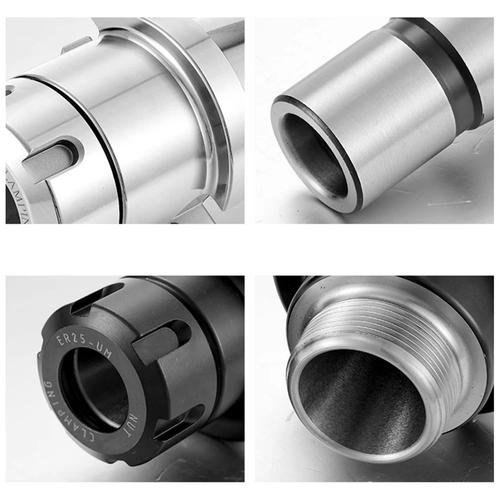
A selection of custom CNC machined parts for various industries
Materials We Can Machine
We support a wide range of materials to meet your project’s strength, weight, corrosion resistance, and cost requirements:
Aluminum
Lightweight, excellent machinability, ideal for enclosures, heat sinks, and aerospace parts. Available in 6061, 7075, 2024.
Steel & Stainless Steel
High strength, corrosion resistance. Perfect for structural parts, medical components, and automotive hardware. 304, 316, 4140 available.
Copper & Brass
Excellent thermal and electrical conductivity. Used for electrical connectors, heat exchangers, and plumbing components.
Titanium
High strength-to-weight ratio, biocompatible. The go-to for medical implants, aerospace, and high-performance parts.
Engineering Plastics
Low cost, lightweight, good wear resistance. PEEK, Nylon, POM, ABS for consumer goods, medical, and industrial parts.
Exotic Alloys
Inconel, Hastelloy, Monel for high-temperature, high-corrosion environments like aerospace and energy sectors.
Our Milling Capabilities: Tolerances, Size & More
Unlike generic “micron level accuracy” claims, we provide clear, verifiable capabilities to help you plan your project:
- Standard Tolerances: ±0.005mm (0.0002″) for general parts, down to ±0.001mm (0.00004″) for high-precision medical components
- Maximum Part Size: Up to 600 x 400 x 300mm for 3-axis, up to 500 x 500 x 400mm for 5-axis machining
- Axis Options: 3-axis for simple parts, 4-axis for multi-side features, 5-axis for complex contoured geometries
- Surface Finish Options: From Ra 0.8μm (mirror finish) to Ra 6.3μm (standard machined), with optional post-processing like anodizing, plating, and polishing
- Lead Time: 1-3 days for rapid prototyping, 5-15 days for low-volume production
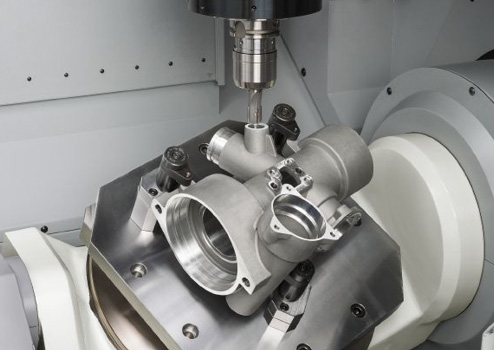
5-axis CNC machining for complex, contoured parts that require multi-angle cutting
Learn more about our 5 Axis CNC Machining capabilities for your most complex projects.
DFM Design Tips to Reduce Cost & Avoid Risks
Small design adjustments can drastically reduce your part cost, avoid production delays, and eliminate defects. Follow these key DFM (Design for Manufacturability) guidelines for milling:
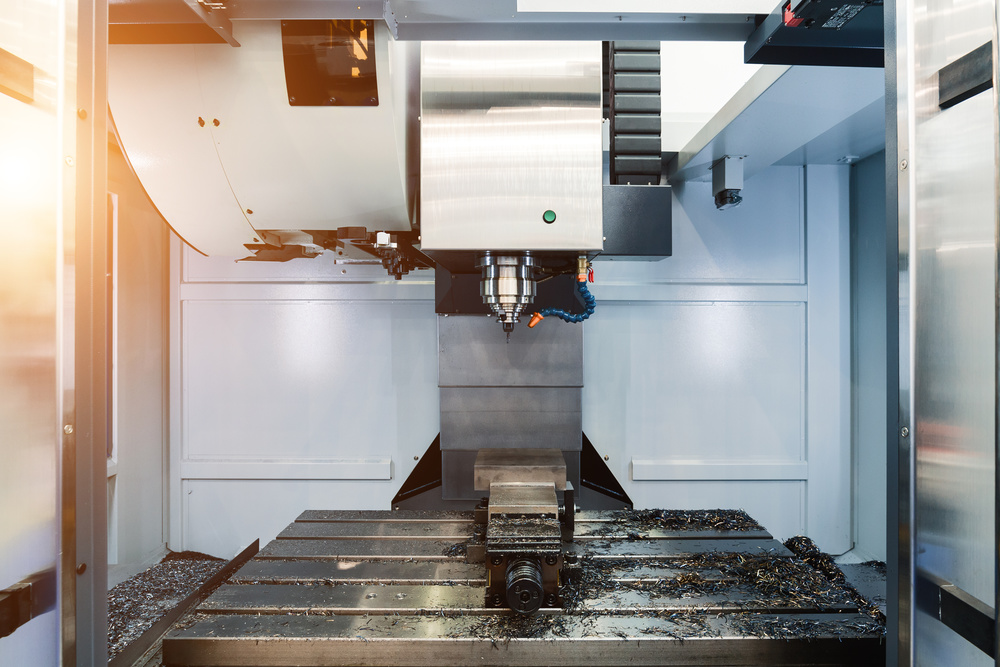
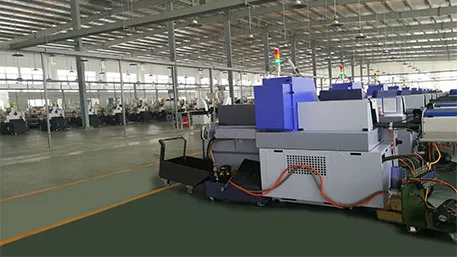
Our modern CNC milling work area, optimized for precision and efficiency
- Wall Thickness: Keep minimum wall thickness above 0.8mm for metal, 1.5mm for plastic to avoid deformation during machining
- Depth of Cavities/Holes: Avoid holes or cavities deeper than 4x the tool diameter to prevent tool breakage and poor surface finish
- Internal Corners: Always add a minimum radius of 0.5mm to internal corners. Sharp internal corners are impossible to machine with standard milling tools
- Tool Accessibility: Ensure all features are accessible to standard cutting tools to avoid expensive custom tooling
- Clamping Surface: Include a flat clamping surface on your part to avoid fixturing issues and ensure secure holding during machining
What We Need to Quote Your Project
To provide you with an accurate, no-surprise quote as fast as possible, please prepare these key details when you reach out to us:
- 3D CAD files (STEP, IGES, or SolidWorks files preferred) and 2D drawings with tolerances marked
- Material specification (alloy grade, heat treatment requirements if any)
- Order quantity (prototyping, low-volume, or mass production)
- Surface finish requirements and any post-processing needs (anodizing, plating, etc.)
- Tolerance requirements for critical features
- Intended application of the part (to help us advise on material and process options)
- Required delivery date
With these details, we can provide you with a detailed quote within 24 hours, including a free DFM review to catch potential issues before production starts.
Our Quality Control Process
We ensure every part meets your exact specifications with a multi-step quality control process:
- First Article Inspection (FAI): We inspect the first part off the machine to confirm all dimensions are within tolerance before full production runs
- In-Process Inspection: Our machinists perform regular checks during production to maintain consistency
- Final Inspection: All parts go through a final inspection before shipping, using calibrated tools and CMM (Coordinate Measuring Machine) for high-precision parts
- Documentation: We provide material certificates, inspection reports, and compliance documentation as required for your industry
Our facility is ISO 9001 and IATF 16949 certified, ensuring consistent quality for every order, from prototypes to mass production.
Industries We Serve
We deliver custom CNC milling parts for a wide range of industries, with the compliance and quality standards each sector requires:
Top Questions Buyers Ask
Should I choose milling or turning for my part?
If your part is primarily cylindrical with rotational features, turning is usually more cost-effective. If you need complex flats, slots, pockets, or non-symmetrical 3D features, milling is the right choice. Many complex parts use both processes.
What design changes will reduce my part cost?
Loosening non-critical tolerances, adding radii to internal corners, reducing the depth of deep cavities, and standardizing material options can all significantly lower your part cost. Our free DFM review will highlight these opportunities for you.
What’s the difference between prototyping and mass production milling?
For prototyping, we prioritize speed and flexibility to support design iterations. For mass production, we optimize tooling, fixturing, and process flow to reduce per-unit cost, improve consistency, and scale to your volume needs.
How do you prevent part deformation after machining?
We use stress-relieved raw materials, adjust cutting parameters to reduce heat and stress, and for thin-walled parts, we use specialized fixturing to avoid clamping deformation. We also allow parts to normalize after machining before final inspection.
How can I avoid communication rework during quoting?
Providing complete 3D and 2D files with all tolerances and requirements marked upfront is the best way. If you have critical requirements, note them clearly in your request, and our engineering team will review everything before sending a quote.
Quick Reference Facts
Ready to Get Your Custom Quote?
Upload your drawings, get a free DFM review, and receive an accurate quote within 24 hours.