Why Aluminum Is Ideal for CNC Machining
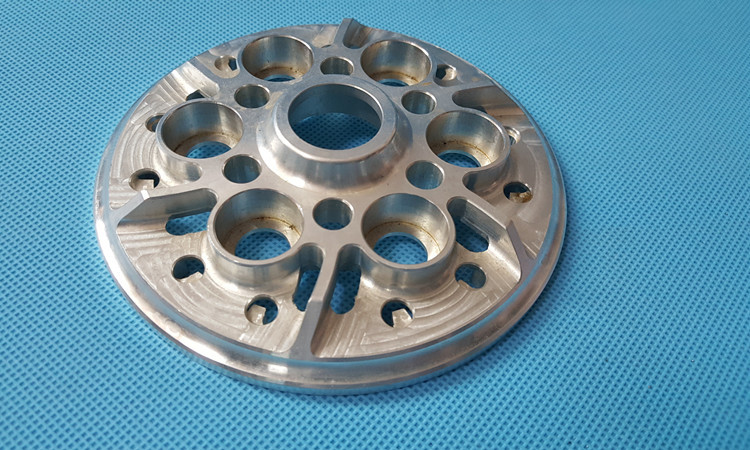
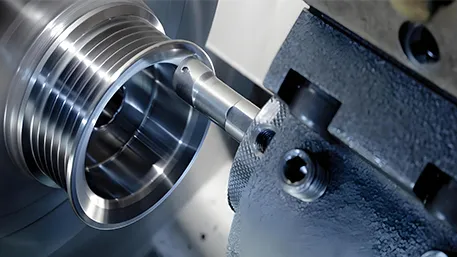
Aluminum has become the most popular material for CNC machining due to its exceptional combination of properties that make it ideal for precision manufacturing. With over 20 years of experience in CNC production, I’ve witnessed firsthand why aluminum dominates the machining industry.
Key Advantages of Aluminum for CNC Machining:
- Excellent Machinability: Low cutting forces and good chip formation
- High Strength-to-Weight Ratio: Strong as steel but much lighter
- Corrosion Resistance: Natural oxide layer provides protection
- Thermal Conductivity: Efficient heat dissipation during machining
- Cost-Effective: Lower material and machining costs compared to other metals
*Based on 20 years of production data, aluminum machining operations typically achieve 30-50% higher throughput compared to steel machining.
Top 8 Aluminum Alloys for CNC Machining
1. 6061 Aluminum – The All-Purpose Workhorse
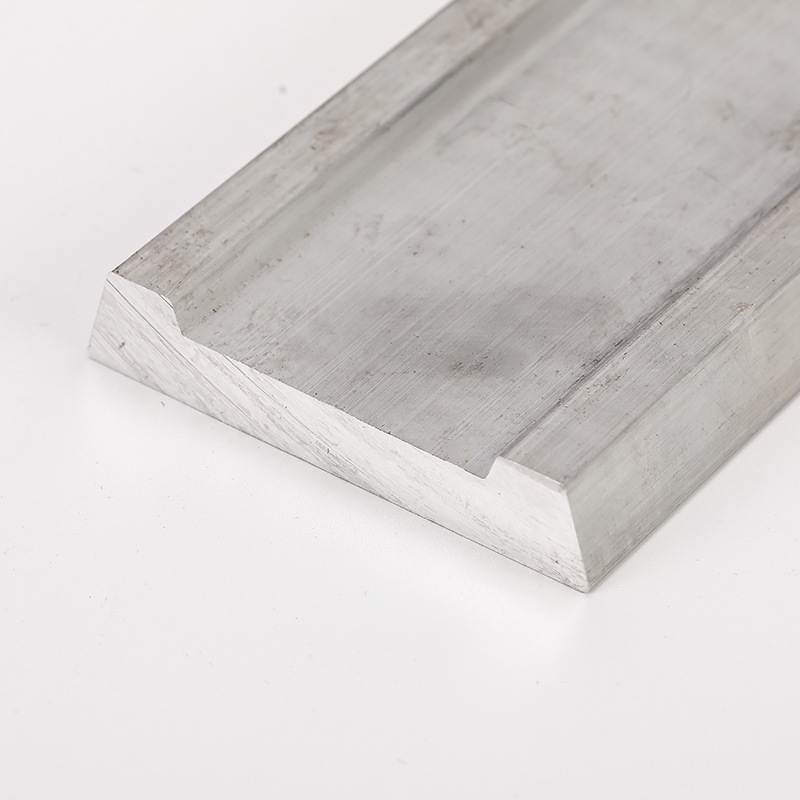
6061 is the most widely used aluminum alloy for CNC machining due to its excellent balance of properties. It belongs to the 6000 series (Al-Mg-Si) and offers exceptional machinability, good strength, and excellent corrosion resistance.
Key Properties (Test Data):
- Tensile Strength: 310 MPa (45,000 psi)
- Yield Strength: 276 MPa (40,000 psi)
- Hardness: 95 HB (Brinell)
- Machinability Rating: 90-100% (excellent)
- Corrosion Resistance: Good
Common Applications:
General structural components, robotics frames, automotive parts, electronics housings, heat sinks
*Testing performed according to ASTM B209 standards, results may vary based on temper and processing conditions.
2. 7075 Aluminum – High Strength Aerospace Grade
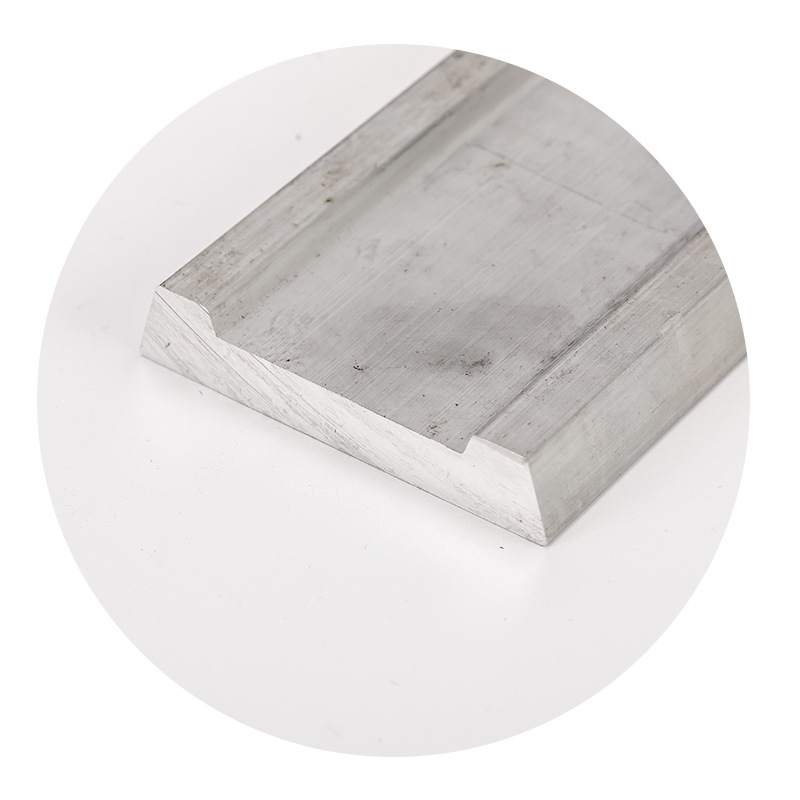
7075 is the strongest commercially available aluminum alloy, belonging to the 7000 series (Al-Zn-Mg-Cu). It offers exceptional strength comparable to some steels while maintaining aluminum’s lightweight characteristics.
Key Properties (Test Data):
- Tensile Strength: 570 MPa (82,600 psi)
- Yield Strength: 503 MPa (73,000 psi)
- Hardness: 150 HB (Brinell)
- Machinability Rating: 60-70% (good)
- Corrosion Resistance: Moderate (requires protection)
Common Applications:
Aerospace components, drone frames, high-performance automotive parts, military equipment, precision tools
*Testing performed according to ASTM B209 standards, T6 temper condition. Strength values may vary with heat treatment.
3. 2024 Aluminum – Aerospace Structural Alloy
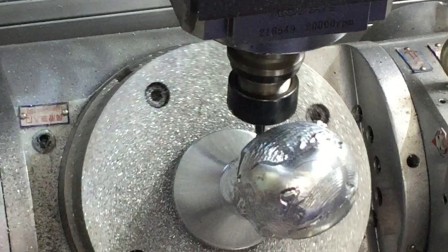
2024 is a high-strength 2000 series (Al-Cu) alloy primarily used in aerospace applications. It offers excellent fatigue resistance and good machinability, but requires corrosion protection.
Key Properties (Test Data):
- Tensile Strength: 483 MPa (70,000 psi)
- Yield Strength: 345 MPa (50,000 psi)
- Hardness: 120 HB (Brinell)
- Machinability Rating: 70-80% (good)
- Corrosion Resistance: Poor (requires coating)
Common Applications:
Aerospace structures, aircraft wings, fuselage components, high-strength fasteners
*Testing performed according to EN 485-2 standards. Corrosion testing per ASTM B117 salt spray test.
4. 5052 Aluminum
Excellent corrosion resistance, good weldability, moderate strength
- Tensile Strength: 228 MPa
- Machinability: 70%
- Applications: Marine, chemical equipment, fuel tanks
5. 6063 Aluminum
Excellent extrudability, good surface finish, moderate strength
- Tensile Strength: 207 MPa
- Machinability: 85%
- Applications: Architectural, furniture, heat sinks
6. MIC-6 Cast Aluminum
Ultra-flat, consistent properties, excellent machinability
- Tensile Strength: 290 MPa
- Machinability: 95%
- Applications: Precision fixtures, optical components
7. 6082 Aluminum
High strength, good fatigue resistance, excellent machinability
- Tensile Strength: 345 MPa
- Machinability: 80%
- Applications: Automotive, marine, structural components
Aluminum Alloy Comparison Tables
Mechanical Properties Comparison
| Alloy | Tensile Strength (MPa) | Yield Strength (MPa) | Hardness (HB) | Density (g/cm³) |
|---|---|---|---|---|
| 6061-T6 | 310 | 276 | 95 | 2.70 |
| 7075-T6 | 570 | 503 | 150 | 2.81 |
| 2024-T3 | 483 | 345 | 120 | 2.78 |
| 5052-H32 | 228 | 193 | 60 | 2.68 |
*Test data according to ASTM B209, EN 485-2, and GB/T 3880 standards. Values may vary with temper and processing.
Machinability Ranking
| Rank | Alloy | Machinability Rating (%) | Tool Life Index | Comments |
|---|---|---|---|---|
| 1 | 6061-T6 | 95-100 | 1.0 | Excellent chip formation, minimal tool wear |
| 2 | 6063-T5 | 85-90 | 0.9 | Very good, slightly more gummy than 6061 |
| 3 | 5052-H32 | 75-80 | 0.8 | Good, requires sharp tools |
| 4 | 2024-T3 | 70-75 | 0.7 | Good, but generates more heat during machining |
| 5 | 7075-T6 | 60-65 | 0.6 | Requires higher cutting forces, faster tool wear |
*Machinability ratings based on 6061-T6 as reference (100%). Tool life index relative to 6061-T6 under identical cutting conditions.
CNC Machining Process for Aluminum Alloys
Optimized Machining Parameters
Based on 20 years of production experience, here are the recommended machining parameters for aluminum alloys:
Recommended Cutting Speeds (m/min):
- End Milling: 150-300 m/min
- Drilling: 100-200 m/min
- Turning: 200-400 m/min
- Tapping: 50-100 m/min
Feed Rates (mm/tooth):
- End Milling: 0.1-0.3 mm/tooth
- Drilling: 0.1-0.2 mm/rev
- Turning: 0.1-0.5 mm/rev
Tool Selection for Aluminum Machining
Tool Materials:
- Carbide tools with TiN/TiCN coating
- PCD (Polycrystalline Diamond) for high-volume production
- HSS tools for low-volume, non-critical applications
Tool Geometry:
- Positive rake angles (15-25°)
- Sharp cutting edges
- Adequate chip breakers
- High helix angles for milling cutters
Best Aluminum Alloy by Application
Aerospace & Defense
Primary Alloys: 7075-T6, 2024-T3, 6061-T6
Applications:
- Aircraft structural components
- Missile guidance systems
- UAV/drone frames
- Satellite components
*Meets ASTM B209 and AMS 4045 standards for aerospace applications
Automotive Industry
Primary Alloys: 6061-T6, 6082-T6, 5052-H32
Applications:
- Engine components
- Suspension parts
- Wheels and rims
- Interior trim components
*Complies with ISO 6336 and DIN 743 standards
Robotics & Automation
Primary Alloys: 6061-T6, 7075-T6, MIC-6
Applications:
- Robot arms and linkages
- Gripper components
- Linear motion systems
- Sensor mounts
*Precision machining tolerances ±0.01mm achievable
Electronics & Heat Sinks
Primary Alloys: 6063-T5, 6061-T6, 5052-H32
Applications:
- Heat sinks for CPUs/GPUs
- Electronic enclosures
- PCB mounting brackets
- Connector housings
*Thermal conductivity up to 201 W/m·K
How to Choose the Right Aluminum Alloy for CNC Machining
Material Selection Decision Tree
Start
│
├─ High strength required?
│  ├─ Yes → 7075-T6
│  └─ No → Continue
│
├─ Corrosion resistance critical?
│  ├─ Yes → 5052-H32 or 6061-T6
│  └─ No → Continue
│
├─ Precision flatness required?
│  ├─ Yes → MIC-6 Cast Aluminum
│  └─ No → Continue
│
├─ Welding required?
│  ├─ Yes → 6063-T5 or 5052-H32
│  └─ No → 6061-T6 (default)
│
End
Key Selection Criteria
- Strength Requirements: Consider tensile, yield, and fatigue strength
- Environmental Conditions: Corrosion, temperature, humidity
- Machining Complexity: Tolerances, surface finish requirements
- Cost Constraints: Material cost vs. performance benefits
- Secondary Operations: Welding, finishing, assembly requirements
Cost Comparison
| Alloy | Relative Cost |
|---|---|
| 6061-T6 | 1.0 (Reference) |
| 5052-H32 | 1.1 |
| 6063-T5 | 0.9 |
| 2024-T3 | 1.8 |
| 7075-T6 | 2.2 |
*Relative material costs as of 2026 Q1, including machining costs
International Standards for Aluminum Alloys
| Standard | Description | Alloy Coverage | Key Requirements |
|---|---|---|---|
| ASTM B209 | Aluminum and aluminum alloy sheet and plate | All common alloys | Chemical composition, mechanical properties, dimensional tolerances |
| EN 485-2 | Aluminium and aluminium alloys – Sheet, strip and plate | European alloys | Mechanical properties, surface quality, testing methods |
| GB/T 3880 | Wrought aluminium and aluminium alloy plates, sheets and strips | Chinese standards | Chemical composition, mechanical properties, surface treatment |
| JIS H4000 | Aluminum and aluminum alloy sheets, plates and strips | Japanese alloys | Chemical composition, mechanical properties, dimensional accuracy |
Temper Designation Standards
ASTM Temper Designations:
- F: As-fabricated condition
- O: Annealed, recrystallized
- H: Strain hardened
- T: Solution heat treated
Common Tempers:
- T3: Solution heat treated, cold worked
- T4: Solution heat treated, naturally aged
- T6: Solution heat treated, artificially aged
- T8: Solution heat treated, cold worked, artificially aged
Frequently Asked Questions
What is the best aluminum alloy for CNC machining?
6061-T6 is generally considered the best all-around aluminum alloy for CNC machining due to its excellent machinability, good strength, and reasonable cost. It offers the best balance of properties for most applications.
Is 6061 better than 7075 for CNC machining?
6061 is better for general machining applications due to its superior machinability and lower cost. 7075 is stronger but more difficult to machine and more expensive. Choose 7075 only when high strength is critical.
Which aluminum is easiest to machine?
6061-T6 is the easiest aluminum alloy to machine, with a machinability rating of 95-100%. 6063-T5 is also very easy to machine, with a rating of 85-90%.
What is the difference between 6061 and 6063 aluminum?
6061 has higher strength and better machinability than 6063, while 6063 has better extrudability and surface finish. 6061 is better for structural components, while 6063 is better for architectural and decorative applications.
How do I improve aluminum machining surface finish?
Use sharp carbide tools with positive rake angles, optimize cutting parameters, use proper coolant, and consider climb milling instead of conventional milling. Finish passes with light cuts can also improve surface finish.
What cutting speed should I use for aluminum?
Recommended cutting speeds: 150-300 m/min for end milling, 100-200 m/min for drilling, 200-400 m/min for turning, and 50-100 m/min for tapping. Adjust based on tool material and specific alloy.
Expert Recommendation
Based on 20 years of CNC manufacturing experience, 6061-T6 remains the best overall choice for most CNC machining applications. It provides an excellent balance of machinability, strength, corrosion resistance, and cost.
For high-strength applications, 7075-T6 is the preferred choice despite its higher cost and lower machinability. Always consider the specific requirements of your application when selecting an aluminum alloy.