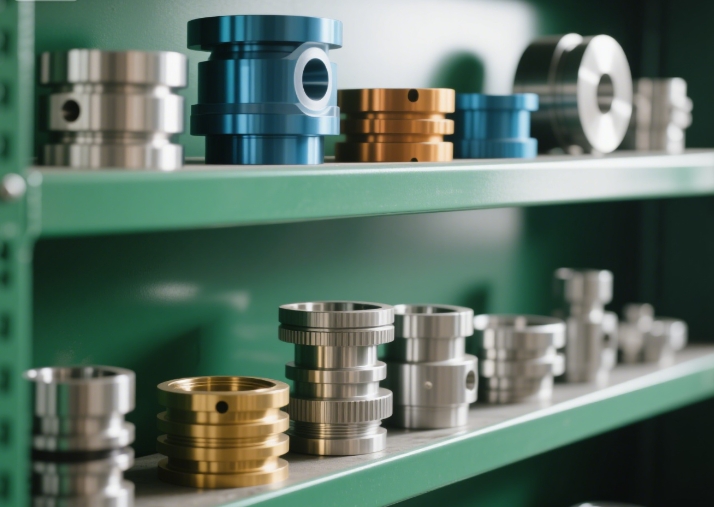
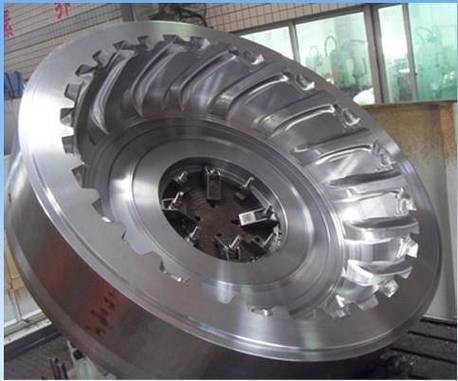
Processes, Materials, Finishing and Applications – The Complete Guide to Precision Aluminum Machining
Introduction
Aluminum has become the most popular material for CNC machining, and for good reason. It’s lightweight, strong, corrosion-resistant, and incredibly easy to machine. Whether you’re an engineer designing a new product, a procurement manager looking for a reliable supplier, or a hobbyist working on your next project, understanding CNC aluminum machining is essential to getting the results you need.
In this comprehensive guide, we’ll cover everything you need to know about CNC aluminum machining. From material selection and machining processes to surface finishing, design guidelines, and cost considerations, we’ve got you covered. This is the ultimate resource for anyone working with aluminum parts, whether you’re just getting started or you’re a seasoned professional looking to optimize your processes.
Over the past 20 years, we’ve machined thousands of aluminum parts for customers across the globe. We’ve learned what works, what doesn’t, and how to get the best results consistently. This guide shares that hard-earned knowledge with you, so you can avoid common mistakes and get the most out of your aluminum machining projects.
What is CNC Aluminum Machining?
CNC aluminum machining is the process of using computer numerical control (CNC) machines to remove material from aluminum workpieces, creating custom parts with exceptional precision. It’s a subtractive manufacturing process that uses rotating cutting tools to shape aluminum into the exact dimensions specified in your CAD drawing.
The most common processes for aluminum machining include:
- CNC Milling – Using multi-axis machines to remove material from the workpiece, creating complex 3D shapes, pockets, and features.
- CNC Turning – Rotating the workpiece while a cutting tool removes material, ideal for cylindrical parts like shafts and pins.
- Drilling – Creating precise holes in aluminum parts, from tiny micro-holes to large diameter openings.
What makes aluminum special is that it machines so easily compared to other metals. The low cutting forces required mean we can run faster, produce better surface finishes, and get parts done quicker than with harder materials like steel or titanium.
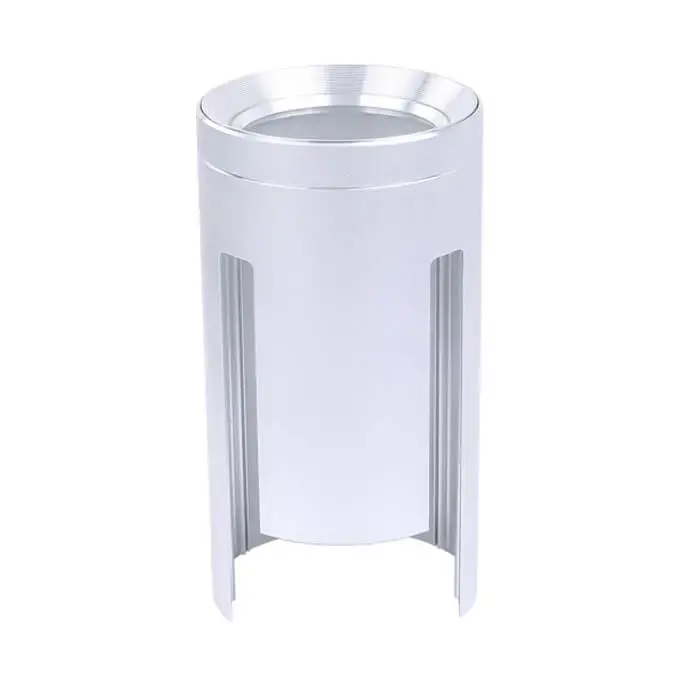
Why Aluminum is Ideal for CNC Machining
Aluminum’s unique combination of properties makes it the perfect material for CNC machining. Here’s why it’s become the go-to choice for so many applications:
Lightweight
At just 2.7 g/cm³, aluminum is about one-third the density of steel. This makes it perfect for applications where weight reduction is critical, like aerospace components and automotive parts.
Excellent Machinability
Aluminum machines incredibly easily. The low cutting forces mean faster spindle speeds, higher feed rates, and less tool wear. This translates to faster production times and lower costs.
Corrosion Resistance
Aluminum naturally forms a protective oxide layer that provides excellent corrosion resistance. This can be further enhanced with surface treatments like anodizing for even better protection.
Cost Efficiency
Aluminum is relatively inexpensive compared to other engineering materials. Combined with its excellent machinability, it offers exceptional value for most applications.
Thermal Conductivity
Aluminum has excellent thermal conductivity, making it ideal for heat sinks and other thermal management applications. It also helps dissipate heat during machining.
Recyclability
Aluminum is 100% recyclable without losing any of its properties. This makes it an environmentally friendly choice for sustainable manufacturing.
Types of Aluminum Alloys for CNC Machining
Not all aluminum is created equal. Different aluminum alloys have different properties that make them suitable for different applications. Choosing the right alloy is critical to the success of your project. Learn more in our Best Aluminum for CNC Machining guide.
Aluminum 6061
The most popular all-around aluminum alloy
- Excellent machinability – easy to machine with good surface finishes
- Good corrosion resistance and weldability
- Moderate strength – can be heat treated to T6 temper
- Can be anodized to improve surface properties
Best for: General purpose parts, structural components, automotive parts, consumer products
Aluminum 7075
High-strength aerospace grade aluminum
- Exceptional strength – one of the strongest aluminum alloys available
- Excellent fatigue resistance and high strength-to-weight ratio
- Good for high-stress applications
- Slightly more difficult to machine than 6061
Best for: Aerospace components, military parts, high-performance automotive, sporting goods
Aluminum 5052
Corrosion-resistant marine grade aluminum
- Excellent corrosion resistance, especially in saltwater environments
- Good formability and weldability
- Non-heat treatable – work hardened for strength
- Good for sheet metal applications
Best for: Marine applications, chemical equipment, fuel tanks, sheet metal parts
Aluminum 2024
High-strength copper-aluminum alloy
- High strength and excellent fatigue resistance
- Good for high-temperature applications
- Lower corrosion resistance than other alloys
- Commonly used in aircraft structures
Best for: Aircraft structures, aerospace components, high-stress parts
CNC Machining Processes for Aluminum
We use a variety of CNC machining processes to produce aluminum parts, depending on your part geometry and requirements:
3-Axis CNC Milling
Our 3-axis milling machines are the workhorses of our shop. They can produce most standard aluminum parts with excellent accuracy and efficiency. This is the most cost-effective option for parts that don’t require undercuts or complex multi-sided features.
Typical tolerance: ±0.01mm
4-Axis CNC Milling
4-axis machining adds a rotational axis, allowing us to machine parts from multiple sides in a single setup. This reduces setup time, improves accuracy, and enables us to produce more complex parts without re-fixturing.
Ideal for: Rotational parts, multi-sided components
5-Axis CNC Milling
Our 5-axis machines can produce the most complex geometries with exceptional accuracy. They can machine all five sides of a part in a single setup, making them perfect for aerospace, medical, and other high-precision applications.
Capable of: Complex 3D contours, undercuts, intricate geometries
CNC Turning
CNC turning is used for producing cylindrical aluminum parts. The workpiece rotates while the cutting tool removes material, creating precise shafts, pins, sleeves, and other rotational components with excellent concentricity.
Perfect for: Shafts, pins, connectors, fasteners
Precision Drilling
We can drill precise holes in aluminum parts, from tiny micro-holes as small as 0.1mm to large diameter holes up to 500mm. Our CNC machines ensure perfect hole location, size, and surface finish.
Hole size range: 0.1mm – 500mm
Wire EDM
For extremely tight tolerance parts or complex internal geometries, we use wire EDM. This process can cut intricate shapes in aluminum with exceptional accuracy, even for the hardest aluminum alloys.
Tolerance: ±0.001mm for ultra-precision parts
Surface Finishing Options for Aluminum Parts
One of the great things about aluminum is that it accepts a wide range of surface finishes. Whether you need something purely functional or aesthetically pleasing, we have options to meet your needs. Learn more in our CNC Surface Finishing Guide.
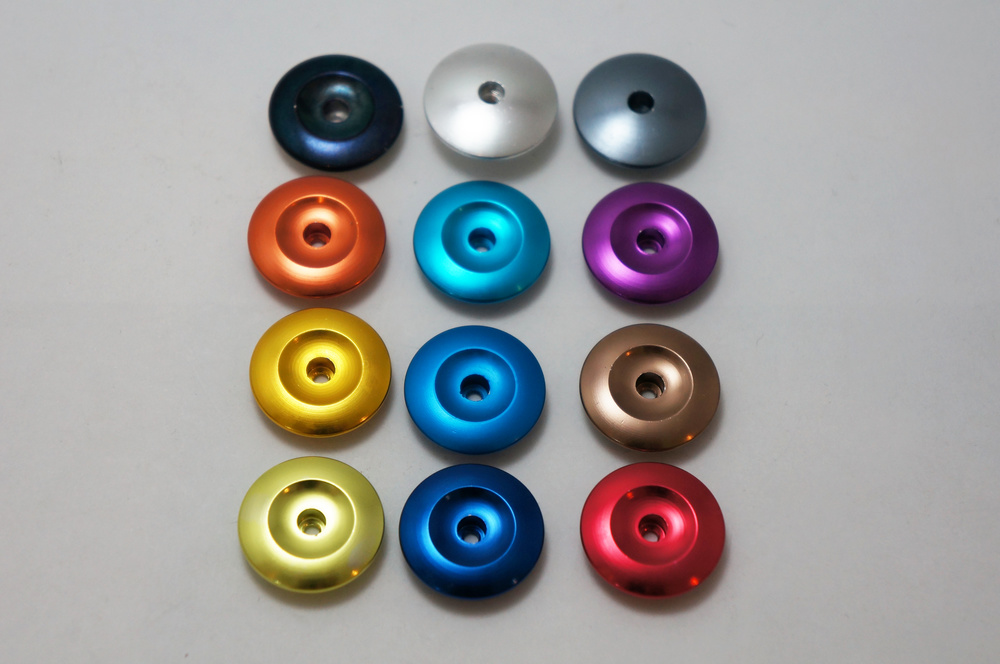
Anodizing
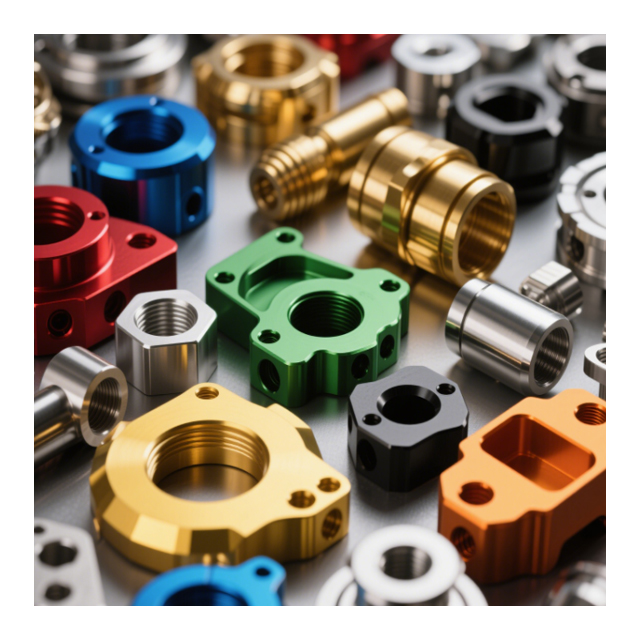
Thickens the natural oxide layer for improved corrosion resistance and wear properties. Available in clear, black, and various colors.
Sandblasting
Creates a uniform matte finish, hiding machining marks and giving parts a consistent, professional appearance.
Polishing
Creates a high-gloss mirror finish, perfect for aesthetic applications. Can achieve Ra 0.2 surface roughness.
Powder Coating
Durable protective coating available in a wide range of colors. Excellent for outdoor applications and scratch resistance.
Brushing
Creates a linear brushed texture that gives parts a premium, stainless steel-like appearance.
Passivation
Chemical treatment that removes free iron from the surface, enhancing corrosion resistance for medical and food applications.
Applications of CNC Aluminum Parts
Thanks to aluminum’s unique combination of properties, CNC machined aluminum parts are used across virtually every industry. Here are some of the most common applications:
Aerospace
Aircraft structural components, wing parts, engine components, and aerospace equipment that require high strength and low weight.
Automotive
Performance engine parts, chassis components, custom automotive accessories, and lightweight structural parts for electric vehicles.
Robotics
Robot arms, grippers, structural frames, and precision components for automation systems where weight and precision matter.
Electronics
Enclosures, heat sinks, connectors, and precision components for consumer electronics, computers, and communication devices.
Medical
Medical device components, surgical instruments, diagnostic equipment parts, and implantable devices that require biocompatibility.
Industrial
Machine parts, automation components, tooling, and custom industrial equipment for manufacturing and production systems.
Design Guidelines for Aluminum Machining
Good design for manufacturability (DFM) can save you time and money while ensuring your parts come out exactly as expected. Here are our top design guidelines for aluminum machining:
Avoid Extremely Thin Walls
We recommend keeping walls at least 0.8mm thick for aluminum. Thinner walls can vibrate during machining, leading to poor surface finish and accuracy issues. For production parts, 1.5mm walls are ideal.
Optimize Geometry for Machining
Design parts that can be machined with standard tooling. Avoid sharp internal corners where possible, and use radius corners that match standard end mill sizes to reduce machining time.
Reduce Deep Pockets
Deep pockets require long, slender tools that are more prone to deflection. Try to keep pocket depth no more than 4x the tool diameter. Deeper pockets are possible but increase cost and time.
Consider Thread Size
For aluminum, we recommend M3 or larger threads. Smaller threads can be difficult to machine and may not have enough strength. For critical applications, consider using threaded inserts.
Tolerance Only Where Needed
Don’t specify tighter tolerances than you actually need. Tighter tolerances increase cost and lead time. Only apply tight tolerances to critical functional dimensions.
Allow for Fillets
Add fillets to internal corners. A minimum radius of 0.5mm allows us to use standard end mills. Sharp corners require special operations and increase cost.
Common Challenges and Solutions
While aluminum is generally easy to machine, it does present some unique challenges. Here are the most common issues we see and how we solve them:
Burr Formation
The Challenge: Aluminum can form burrs during machining, especially when drilling or milling edges. These burrs need to be removed to ensure parts fit together properly.
Our Solution: We use specialized tool geometries that minimize burr formation, and we include automated deburring processes in our workflow. For critical parts, we can also perform hand deburring for perfect results.
Part Deformation
The Challenge: Thin aluminum parts can deform under clamping forces or due to residual stresses from machining. This can lead to dimensional changes after machining.
Our Solution: We use specialized fixturing that distributes clamping forces evenly. We also use stress-relief processes and allow parts to stabilize before final machining operations.
Built-Up Edge (BUE)
The Challenge: Aluminum can stick to cutting tools, forming a built-up edge that affects surface finish and dimensional accuracy.
Our Solution: We use sharp, high-quality carbide tools with specialized coatings. We also optimize cutting parameters and use proper coolant to prevent BUE from forming.
Tool Wear
The Challenge: While aluminum machines easily, the high cutting speeds can cause tool wear over time, especially in high-volume production.
Our Solution: We use diamond-coated tools for high-volume aluminum machining. We also implement strict tool life management to replace tools before they start to affect part quality.
Cost of CNC Aluminum Machining
Understanding the cost factors helps you optimize your design and budget for your project. Here’s what affects the cost of CNC aluminum machining:
Material Cost
Aluminum is relatively inexpensive compared to other engineering materials. The exact cost depends on the alloy – 6061 is the most affordable, while 7075 and other specialty alloys cost more.
Machining Time
The biggest cost factor is usually machining time. Complex parts with many features take longer to machine. The good news is that aluminum machines faster than steel, so it’s generally more cost-effective.
Part Complexity
Simple parts like brackets cost much less than complex 3D contours or multi-axis parts. The number of operations, setups, and tool changes all affect the total cost.
Tolerance Requirements
Tighter tolerances require more precise machining, more inspection, and often slower cutting speeds. This increases cost, so only specify tight tolerances where you really need them.
Surface Finishing
Additional surface treatments like anodizing or powder coating add to the cost. The standard machined finish is the most affordable, while specialized finishes cost more.
Order Quantity
Like most manufacturing, higher quantities mean lower per-unit cost. We offer volume discounts that can significantly reduce your cost per part for production runs.
Typical pricing starts from $50 for simple prototype parts, with production parts as low as $1 each for high-volume runs. Contact us for an accurate quote based on your specific requirements.
Frequently Asked Questions
What is the best aluminum for CNC machining?
For most applications, Aluminum 6061 is the best all-around choice. It offers excellent machinability, good strength, and corrosion resistance at an affordable price. For high-strength applications, Aluminum 7075 is preferred, while 5052 offers better corrosion resistance for marine use.
Why is aluminum easy to machine?
Aluminum has low hardness, low shear strength, and excellent thermal conductivity. These properties mean that cutting tools can remove material with less force, generate less heat, and produce better surface finishes. This allows for faster cutting speeds and shorter cycle times.
What tolerance can be achieved with aluminum CNC machining?
Standard CNC aluminum machining can achieve tolerances of ±0.01mm consistently. For precision applications, we can achieve ±0.005mm, and with specialized processes, we can go as tight as ±0.002mm for critical dimensions.
How much does CNC aluminum machining cost?
Cost depends on part complexity, material, quantity, and tolerances. Simple prototype parts can start from $50, while production parts can be as low as $1 each for high-volume runs. Contact us with your drawing for an accurate, no-obligation quote.
Ready to Get Started with Your Aluminum Machining Project?
Whether you need prototype parts, production components, or custom aluminum machining services, we have the expertise, equipment, and experience to deliver exactly what you need. Our engineering team can help you optimize your design for manufacturability and get the best results.