Complete Manufacturing Guide for Engineers and Procurement Professionals
Introduction to CNC Brass Machining
CNC brass machining is a precision manufacturing process that uses computer-controlled machines to shape brass alloys into complex, high-precision components. Brass, an alloy primarily composed of copper and zinc, is one of the most popular materials in CNC machining due to its excellent machinability, corrosion resistance, and attractive golden finish.
This comprehensive guide will explore everything you need to know about CNC brass machining, including material properties, common grades, machining processes, applications, surface finishing options, and cost considerations. Whether you’re an engineer, procurement manager, or manufacturing professional, this guide will help you make informed decisions about your CNC brass machining projects.
What Is CNC Brass Machining
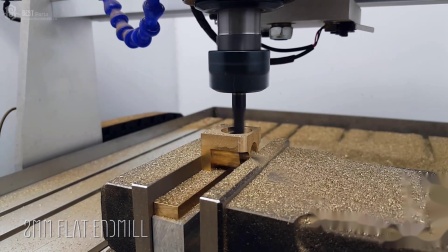
CNC brass machining is a subtractive manufacturing process that uses computer numerical control (CNC) machines to precisely remove material from brass workpieces to create custom parts and components. The process involves using specialized cutting tools that are controlled by computer programs to achieve tight tolerances and complex geometries.
Brass is particularly well-suited for CNC machining due to its unique combination of properties that make it easy to work with while providing excellent performance in finished products.
Key Characteristics of Brass for CNC Machining
Excellent Machinability
Brass is one of the most machinable metals, allowing for high cutting speeds and minimal tool wear
Corrosion Resistance
Natural resistance to corrosion makes it ideal for outdoor and marine applications
Electrical Conductivity
Good electrical conductivity makes it suitable for electrical components
Thermal Conductivity
Excellent heat transfer properties for heat exchangers and thermal management
Advantages of CNC Brass Machining Parts
Excellent Machinability
Brass cuts easily with minimal resistance, reducing production time and tooling costs. This allows for faster turnaround times and lower per-unit costs, especially for high-volume production runs.
Low Tool Wear
Unlike harder metals, brass doesn’t wear down cutting tools as quickly. This means fewer tool changes, more consistent parts, and lower tooling costs over time.
Corrosion Resistance
Brass naturally resists corrosion from moisture, salt, and other environmental factors, making it ideal for plumbing, marine, and outdoor applications.
Electrical & Thermal Conductivity
Brass offers excellent electrical and thermal conductivity, making it perfect for electrical connectors, terminals, and heat transfer applications.
Aesthetic Appeal
The natural golden color of brass provides an attractive appearance that can be enhanced with various surface finishing techniques for decorative applications.
Cost-Effective Production
Combining excellent machinability with lower material costs compared to other metals, brass offers a cost-effective solution for many manufacturing applications.
Common Brass Grades for CNC Machining
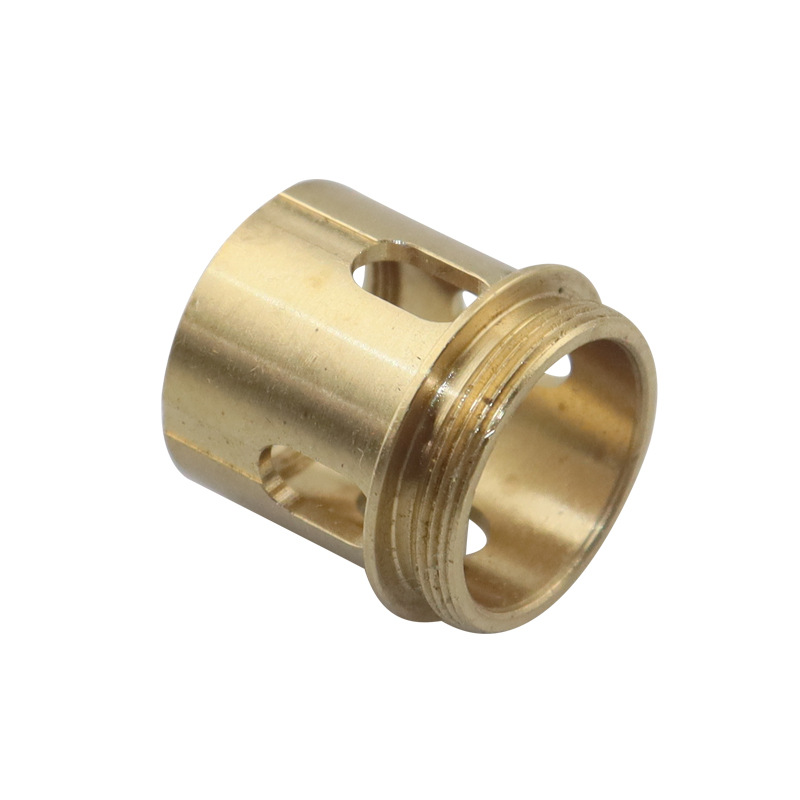
Choosing the right brass grade is crucial for achieving optimal performance in your CNC machining applications. Here are the most commonly used brass grades and their characteristics:
Each brass grade has unique properties that make it suitable for specific applications. Understanding these differences will help you select the best material for your project.
| Grade | Key Characteristics | Typical Applications | Machinability Rating |
|---|---|---|---|
| C36000 (Free Cutting Brass) | Excellent machinability, good corrosion resistance, contains lead for improved cutting performance | Screws, bolts, nuts, fittings, electrical components, musical instruments | 100% (Industry Standard) |
| C26000 (Cartridge Brass) | Good ductility, excellent conductivity, attractive appearance | Electrical connectors, terminals, hardware, decorative items, watch parts | 85% |
| C28000 (Muntz Metal) | High strength, excellent corrosion resistance, good formability | Shipbuilding, marine hardware, architectural components, heat exchangers | 70% |
| C37700 (Forging Brass) | Excellent hot forging properties, good machinability, high strength | Valves, fittings, gears, hardware components, plumbing parts | 80% |
| C46400 (Naval Brass) | Superior corrosion resistance, especially in marine environments, good strength | Marine hardware, propellers, valves, pumps, ship components | 75% |
| Bi-Free Brass (Lead-Free) | Environmentally friendly, lead-free composition, good machinability | Plumbing fixtures, water supply components, medical devices, food processing equipment | 85% |
CNC Brass Machining Processes
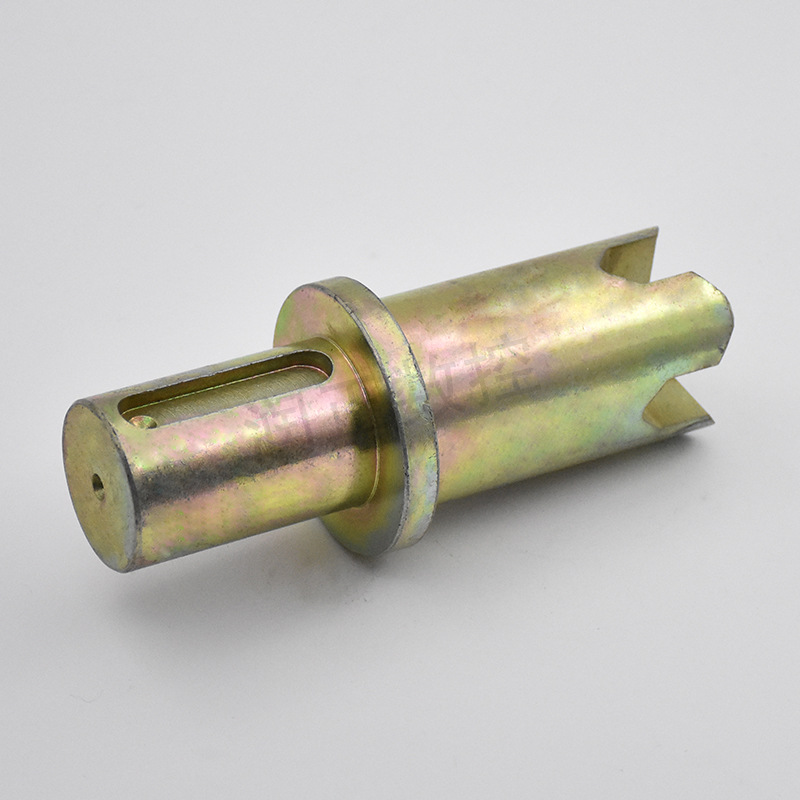
CNC brass machining utilizes various processes to create complex parts with high precision. The choice of process depends on the part geometry, required tolerances, and production volume.
Each machining process has its own advantages and is suited for different types of parts and applications.
CNC Milling for Brass
CNC milling is one of the most common processes for brass machining. It uses rotating cutting tools to remove material from the workpiece, creating complex 2D and 3D geometries.
- Suitable for complex geometries and multi-feature parts
- Achievable tolerances: ±0.01 mm (±0.0004 inches)
- Ideal for prototypes and small to medium production runs
- Can be combined with other processes for complete part fabrication
CNC Turning for Brass
CNC turning uses a lathe to rotate the workpiece while cutting tools remove material to create cylindrical shapes. This process is ideal for creating round parts such as shafts, bolts, nuts, and fittings.
- Perfect for cylindrical and rotational parts
- Achievable tolerances: ±0.005 mm (±0.0002 inches)
- High production rates for simple geometries
- Can produce internal and external threads
5-Axis CNC Machining for Brass
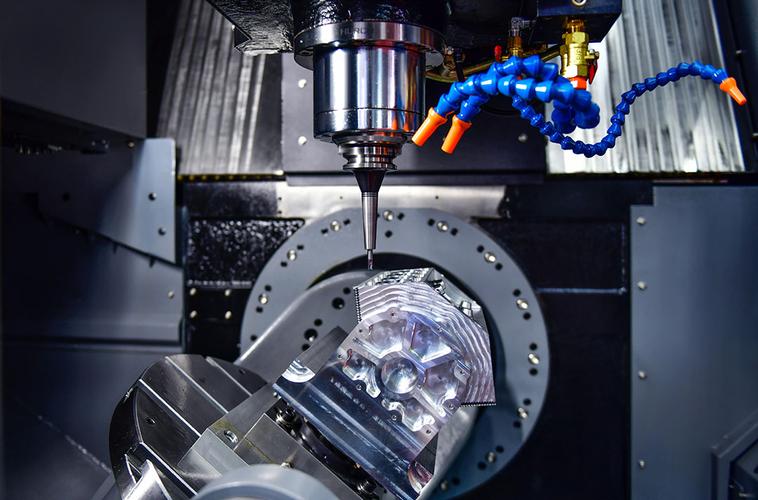
5-axis CNC machining allows for simultaneous movement of the cutting tool along five different axes, enabling the creation of highly complex and intricate parts.
- Produces complex, multi-sided geometries in a single setup
- Reduces setup time and improves accuracy for complex parts
- Ideal for aerospace, medical, and high-precision applications
- Achievable tolerances: ±0.002 mm (±0.0001 inches)
Applications of CNC Brass Machined Parts
Electrical & Electronics
- Electrical connectors and terminals
- Switch components and contacts
- Socket and plug parts
- Heat sinks and thermal management
Plumbing & Valves
- Faucets and tap components
- Valve bodies and fittings
- Pipe connectors and adapters
- Water meter components
Automotive
- Sensors and actuators
- Bushings and bearings
- Transmission components
- Fuel system parts
Medical
- Surgical instruments and tools
- Medical device components
- MRI equipment parts
- Dental instruments
Aerospace
- Aircraft electrical components
- Instrumentation parts
- Hydraulic system components
- Avionics hardware
Industrial Equipment
- Gears and sprockets
- Bearings and bushings
- Pump components
- Flow meters and gauges
Surface Finishing for CNC Brass Parts
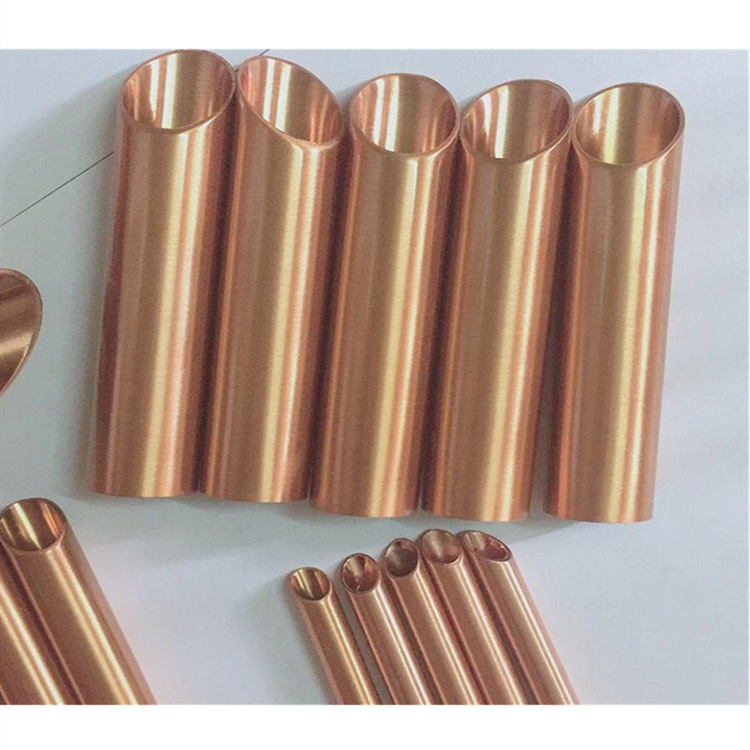
Surface finishing is an important part of CNC brass machining, as it enhances both the appearance and performance of the final product. Here are the most common surface finishing techniques for brass parts:
The choice of surface finish depends on the application requirements, aesthetic preferences, and budget considerations.
| Finish Type | Benefits | Typical Applications | Cost Level |
|---|---|---|---|
| Polishing | Creates a bright, reflective surface, improves appearance, enhances corrosion resistance | Decorative items, musical instruments, hardware components | Medium |
| Plating | Enhances corrosion resistance, improves appearance, provides additional protection | Electrical components, plumbing fixtures, decorative items | High |
| Anodizing | Creates a hard, protective oxide layer, improves corrosion resistance, allows coloring | Industrial components, aerospace parts, marine hardware | Medium-High |
| Sandblasting | Creates a matte, uniform surface, hides machining marks, improves adhesion for coatings | Industrial parts, automotive components, architectural hardware | Low-Medium |
| Powder Coating | Provides durable, colorful finish, excellent corrosion protection, environmentally friendly | Architectural components, outdoor hardware, decorative items | Medium |
| Chromate Conversion | Improves corrosion resistance, provides base for paint adhesion, electrical conductivity | Electrical components, aerospace parts, military applications | Low |
CNC Brass Machining Tolerances
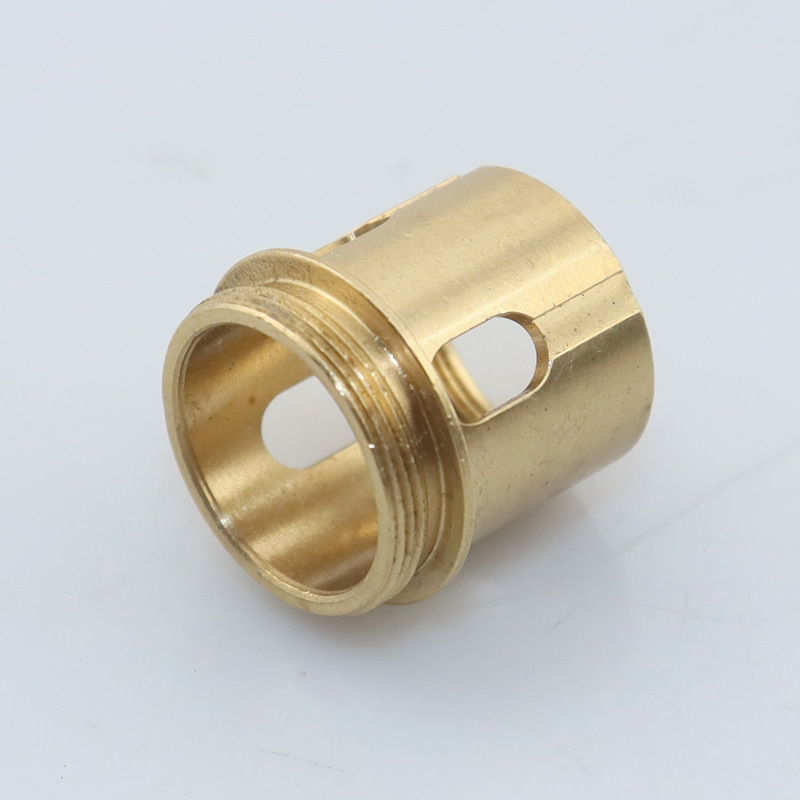
Achieving tight tolerances is one of the key advantages of CNC brass machining. The achievable tolerance depends on several factors, including the machining process, part geometry, and brass grade.
Understanding tolerance capabilities and factors that affect accuracy is essential for designing parts that can be manufactured successfully.
Typical Tolerance Capabilities
| Machining Process | Standard Tolerance | Precision Tolerance | Ultra-Precision Tolerance |
|---|---|---|---|
| CNC Milling | ±0.01 mm (±0.0004″) | ±0.005 mm (±0.0002″) | ±0.002 mm (±0.0001″) |
| CNC Turning | ±0.005 mm (±0.0002″) | ±0.002 mm (±0.0001″) | ±0.001 mm (±0.00004″) |
| 5-Axis Machining | ±0.005 mm (±0.0002″) | ±0.002 mm (±0.0001″) | ±0.001 mm (±0.00004″) |
Factors Affecting Tolerance
Machine Type
High-precision CNC machines can achieve tighter tolerances than standard machines
Part Geometry
Complex geometries and thin walls may require larger tolerances
Material Properties
Softer brass grades may have slightly larger tolerances due to material deflection
Tooling
High-quality cutting tools and proper tool maintenance are essential for achieving tight tolerances
Operator Skill
Experienced machinists can achieve better tolerances through proper setup and monitoring
Environmental Conditions
Temperature variations and humidity can affect machine accuracy
Brass CNC Machining Cost Factors
The cost of CNC brass machining depends on several factors. Understanding these factors can help you optimize your design and budget for your project:
Material Grade
The cost of brass varies by grade, with specialized alloys like naval brass and lead-free brass typically costing more than standard grades.
Part Complexity
More complex geometries require longer machining times and more specialized tooling, increasing the overall cost.
Machining Time
Production time is a major cost factor. Larger parts and those with many features require more machining time.
Surface Finish
Specialized surface finishes like plating and anodizing add to the cost, while simple finishes like polishing are more affordable.
Tolerance Requirements
Tighter tolerances require more precise machining and additional quality control steps, increasing costs.
Production Volume
Larger production volumes typically have lower per-unit costs due to economies of scale.
Design Tips for CNC Brass Parts
Proper design is essential for achieving optimal results in CNC brass machining. Here are some key design tips to help you create parts that are both functional and cost-effective:
Wall Thickness
Maintain a minimum wall thickness of 0.8 mm (0.031 inches) for brass parts to ensure structural integrity and prevent deflection during machining. For complex geometries, consider increasing the wall thickness to 1.2 mm (0.047 inches) or more.
Hole Depth
For drilled holes, keep the depth-to-diameter ratio below 10:1 to ensure proper chip evacuation and tool life. For deeper holes, consider using a gun drill or splitting the hole into multiple operations.
Corner Radii
Use corner radii instead of sharp internal corners to reduce stress concentrations and improve tool life. The minimum recommended corner radius is 0.5 mm (0.020 inches) for most applications.
Thread Design
For internal threads, use standard thread sizes and avoid very fine threads which can be difficult to machine. For external threads, consider using a thread rolling process for stronger threads and faster production.
Part Orientation
Design parts to minimize the number of setups required. This can significantly reduce production time and cost. Consider using symmetrical designs where possible.
Tolerance Specification
Only specify tight tolerances where necessary. Over-specifying tolerances can significantly increase costs without providing any functional benefit.
How to Order Custom CNC Brass Parts
Our Simple 5-Step Process
Upload CAD File
Submit your 3D CAD file in STEP, IGES, or SolidWorks format
Engineering Review
Our engineering team reviews your design for manufacturability
Quotation
Receive a detailed quote with pricing and lead time
Production
We manufacture your parts with strict quality control
Shipping
Your finished parts are shipped to your location
Ready to Start Your CNC Brass Machining Project?
Contact our engineering team today to get a free quote for your custom brass parts
Frequently Asked Questions
Why is brass widely used in CNC machining?
Brass is widely used in CNC machining due to its excellent machinability, corrosion resistance, electrical conductivity, and attractive appearance. It cuts easily with minimal tool wear, making it cost-effective for production.
What brass grade is best for CNC machining?
C36000 (Free Cutting Brass) is generally considered the best grade for CNC machining due to its excellent machinability rating of 100%. However, the best grade depends on your specific application requirements.
How accurate is brass CNC machining?
Brass CNC machining can achieve very tight tolerances, typically ±0.005 mm (±0.0002 inches) for standard applications and up to ±0.001 mm (±0.00004 inches) for ultra-precision machining.
Is brass cheaper than steel in machining?
While brass material costs may be higher than some steel grades, the overall machining cost is often lower due to its excellent machinability, which reduces production time and tooling costs.
What industries use brass CNC parts?
Brass CNC parts are used in a wide range of industries including electrical/electronics, plumbing/valves, automotive, medical, aerospace, and industrial equipment manufacturing.
Can brass parts be anodized?
Yes, brass parts can be anodized to create a hard, protective oxide layer that improves corrosion resistance and allows for coloring. However, the anodizing process for brass is different from aluminum anodizing.