What Is CNC Machining Certification?
CNC machining certification usually refers to third-party verified quality management systems or industry approvals that demonstrate a machine shop follows documented processes, traceability, inspection controls, and continual improvement.
ISO 9001 is the most common general quality certification in manufacturing.
Most Common CNC Machining Certifications
Different industries have unique quality requirements, which is why there are specialized certifications tailored to specific sectors. Here are the most common standards buyers look for:
AS9100 builds on ISO 9001 with additional aerospace requirements to ensure the strict safety and quality standards needed for aircraft and defense components.
Does Certification Guarantee Perfect Parts?
No. Certification does not guarantee zero defects. It indicates the supplier has a managed system for quality, documentation, corrective action, and continuous improvement.
Some experienced buyers note that certifications validate systems, not every single part. A certified shop still needs to execute their processes properly to deliver quality parts.
This is why smart buyers combine certification checks with other quality verifications, like first article inspection reports and in-process quality checks.
How Purchasing Teams Evaluate Certified CNC Suppliers
Certifications are just one part of the supplier evaluation process. Smart purchasing teams use them as a screening tool, then look at these additional factors to reduce sourcing risk:
- On-time delivery history – Consistency in meeting your production deadlines
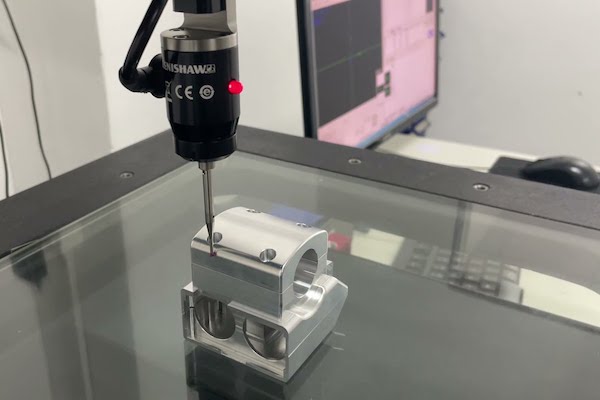
- Inspection capability – In-house CMM, gauges, and first article inspection reports (FAIR)
- Material traceability – Full documentation of raw material origins and certifications
- Communication speed – Responsive engineering and project management support
- Engineering support – Design for Manufacturability (DFM) analysis to optimize your parts
- Production capacity – Ability to scale from prototype to mass production
Which Certification Do You Need?
Not every project requires the same level of certification. Here’s a quick guide to help you match your industry to the right standard:
How to Verify a CNC Supplier’s Certification
Not all “certified” suppliers are what they claim. Follow these steps to verify a supplier’s certification is valid and applicable to your project:
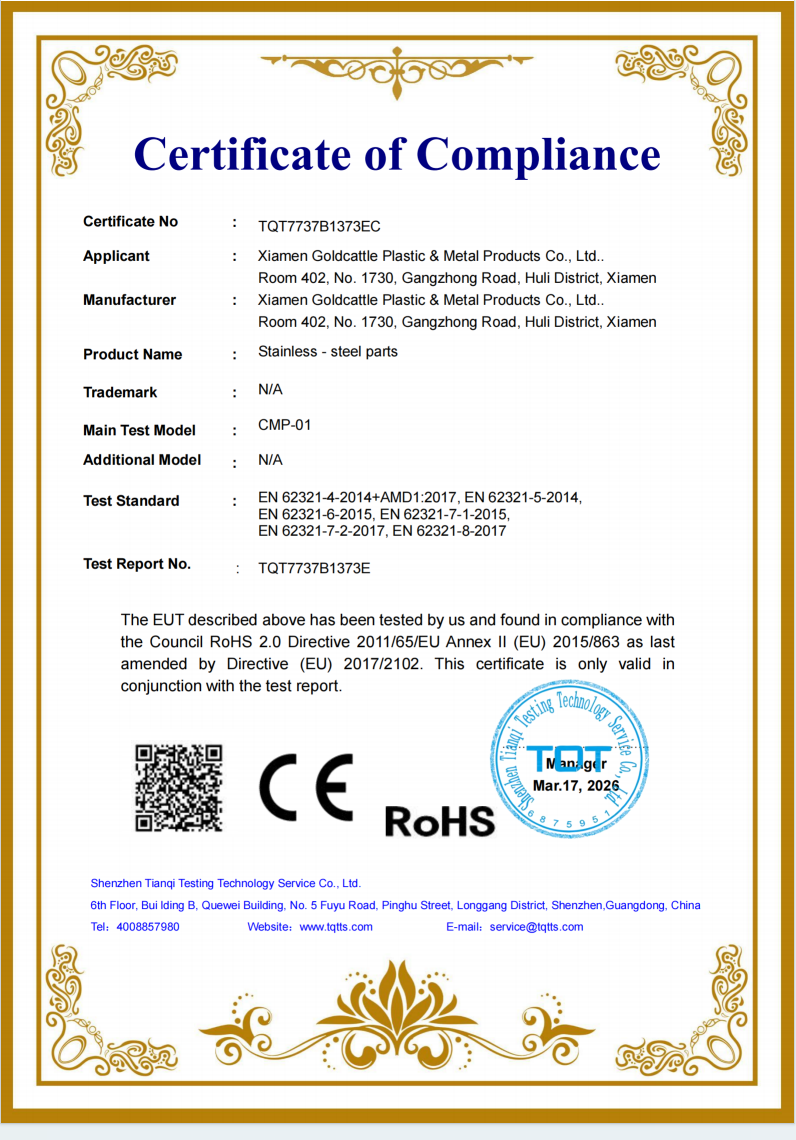
- Ask for current certificate PDF – Get the official document directly from the supplier
- Check expiration date – Certifications require annual audits and expire after a few years
- Confirm issuing registrar – Verify the registrar is an accredited certification body
- Match factory legal name/address – Ensure the certificate matches the actual factory producing your parts
- Ask scope of certification – Confirm the certification covers the type of manufacturing you need
- Confirm audited production site – Some companies have certificates for headquarters, not the actual production factory.
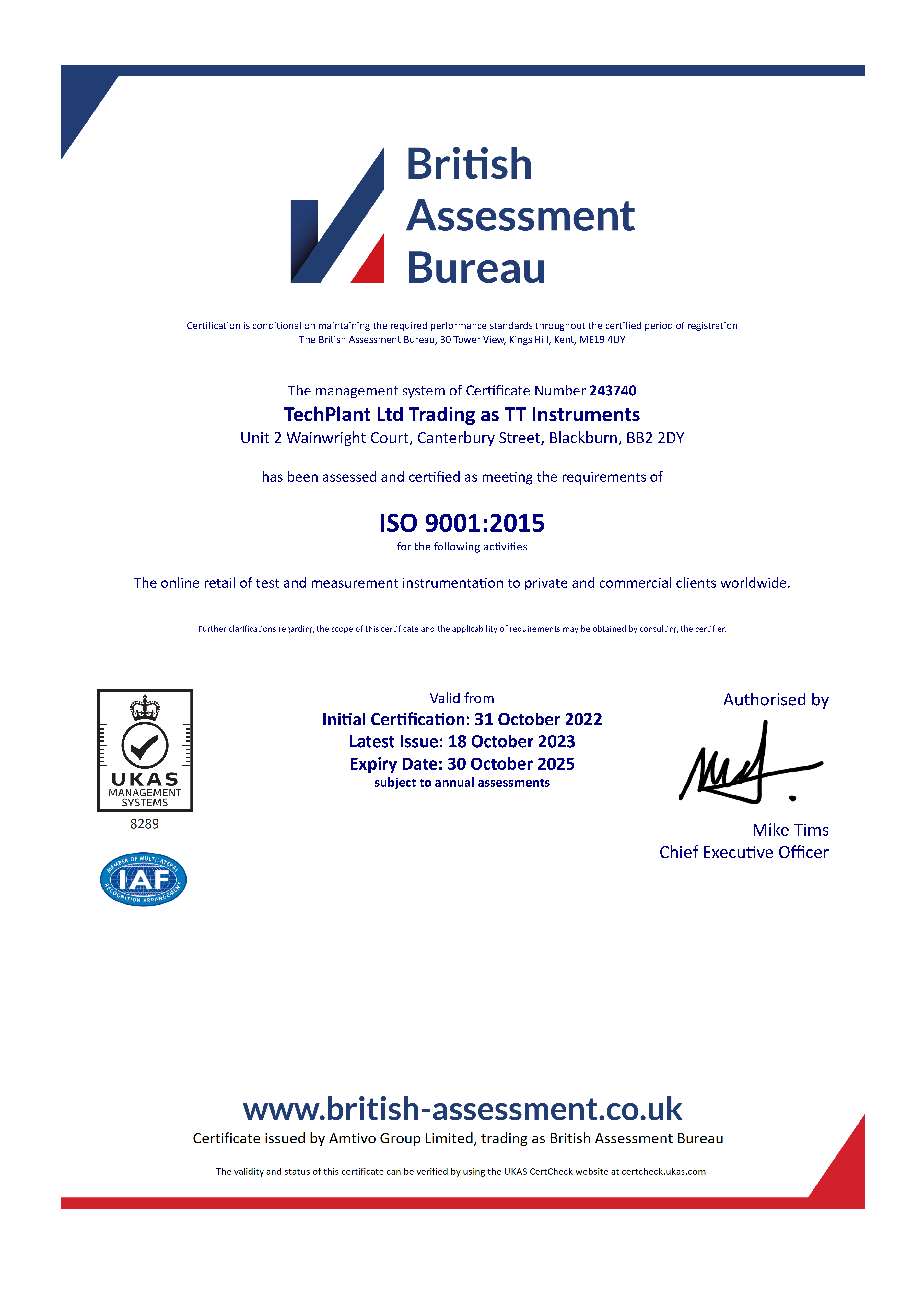
Example of valid ISO 9001 certification document
What If a Small CNC Shop Has No Certification?
A smaller shop without formal certification may still produce excellent parts, especially for prototypes or low-volume work where regulatory requirements are less strict. However, buyers may need to implement stronger oversight:
- More rigorous first-article inspection (FAI) for every batch
- Additional documentation requirements for material traceability
- More frequent quality audits or incoming part inspections
- Clearer communication about quality expectations upfront
For high-volume production or regulated industries like aerospace, automotive, or medical, working with a certified supplier is almost always worth the investment to reduce long-term risk.
Why Work With XMGoldcattle
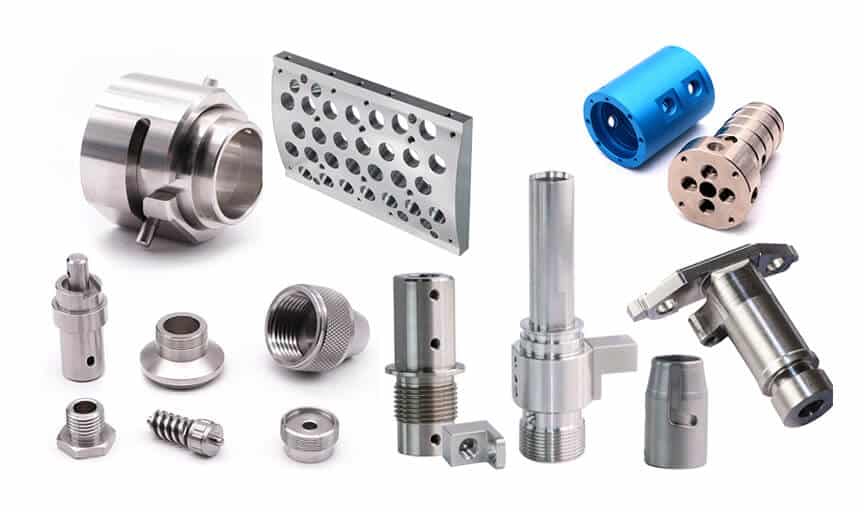
At XMGoldcattle, we understand global buyers require more than just machining capacity — they need reliable, compliant partners who can meet strict industry requirements and reduce their sourcing risk.
With 26 years of custom manufacturing experience, we support your certified supply chain needs with:
Full material traceability and material certifications when required
Comprehensive dimensional inspection reports (CMM, FAIR)
Strict process documentation to meet regulatory requirements
Drawing confidentiality and full IP protection
Prototype to mass production, from 1 to 100,000+ units
24/7 engineering communication to keep your project on track
Export packaging and global shipping to over 100 countries
99.8% on-time delivery rate to meet your production schedule
Frequently Asked Questions
Is ISO 9001 enough for CNC machining?
For many industrial and consumer product parts, yes. ISO 9001 provides a solid foundation for quality management. However, aerospace, automotive, or medical projects often require additional industry-specific standards to meet regulatory requirements.
Is AS9100 better than ISO 9001?
AS9100 includes all of ISO 9001’s requirements plus additional aerospace-specific controls for traceability, risk management, and safety. It’s not “better” universally, but it’s necessary for aerospace and defense projects that require those extra standards.
Can Chinese CNC suppliers be certified?
Yes, many global CNC suppliers including Chinese manufacturers hold internationally recognized certifications from accredited registrars. These certifications follow the same global standards as Western suppliers, as long as you verify the certificate is valid and applies to the production site.
Do certifications guarantee quality?
No. Certifications help reduce sourcing risk by proving a supplier has a documented quality system, but they don’t replace proper execution. The best suppliers combine certification with consistent process execution, regular inspections, and continuous improvement to deliver quality parts.
Ready to Start Your Certified CNC Project?
Get a free, no-obligation quote with DFM analysis, and see how we can support your supply chain requirements.