A Comprehensive Technical Comparison Focused on CNC Machining Processes
1. CNC Machining Performance Overview
Copper Machining Characteristics
- Machining Difficulty: ★★★★☆ (Difficult)
- Surface Quality: ★★★☆☆ (Medium)
- Machining Efficiency: ★★☆☆☆ (Low)
- Tool Life: ★★☆☆☆ (Short)
- Cost Efficiency: ★★☆☆☆ (Low)
Brass Machining Characteristics
- Machining Difficulty: ★★☆☆☆ (Easy)
- Surface Quality: ★★★★☆ (Good)
- Machining Efficiency: ★★★★☆ (High)
- Tool Life: ★★★★☆ (Long)
- Cost Efficiency: ★★★★★ (Excellent)
2. Cutting Performance Detailed Comparison
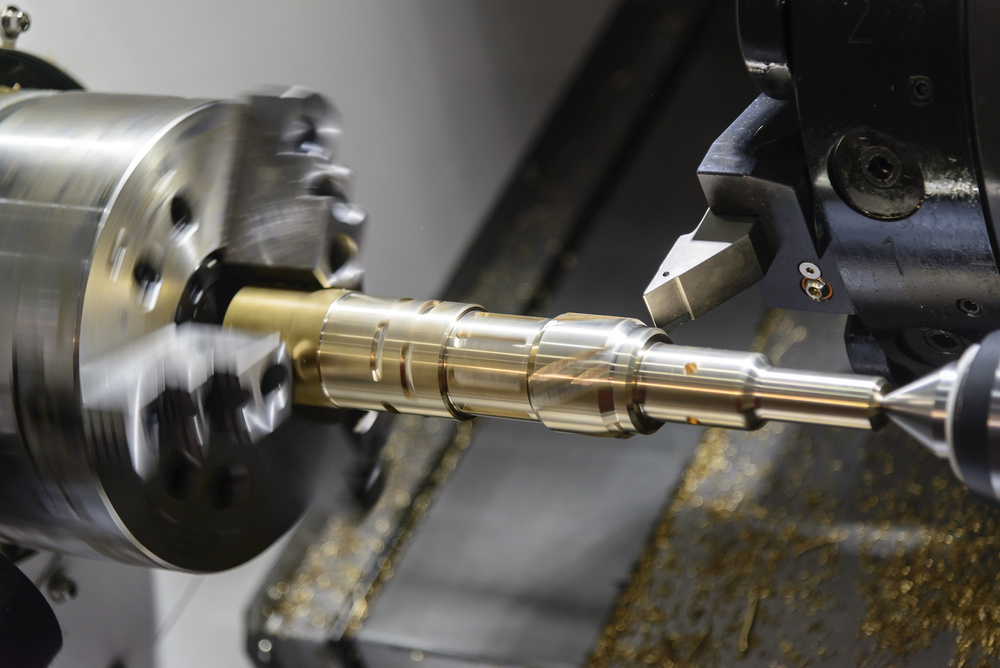
Copper Cutting Characteristics
- Material Property: Extremely high ductility, good toughness
- Chip Formation: Continuous ribbon chips, difficult to break
- Tool Adhesion: Severe,
Prone to built-up edge formation
- Surface Roughness: Ra 1.6-3.2μm
- Machining Challenges:
-
- Chip entanglement on tools
-
- Surface scratching issues
-
- Dimensional control difficulties
Brass Cutting Characteristics
- Material Property: Moderate brittleness, easy to cut
- Chip Formation: Fragmented or spiral chips, easy to break
- Tool Adhesion: Minimal, less built-up edge formation
- Surface Roughness: Ra 0.8-1.6μm
- Machining Advantages:
-
- Easy chip evacuation
-
- Good surface quality
-
- High dimensional accuracy
3. Tool Selection and Parameter Settings
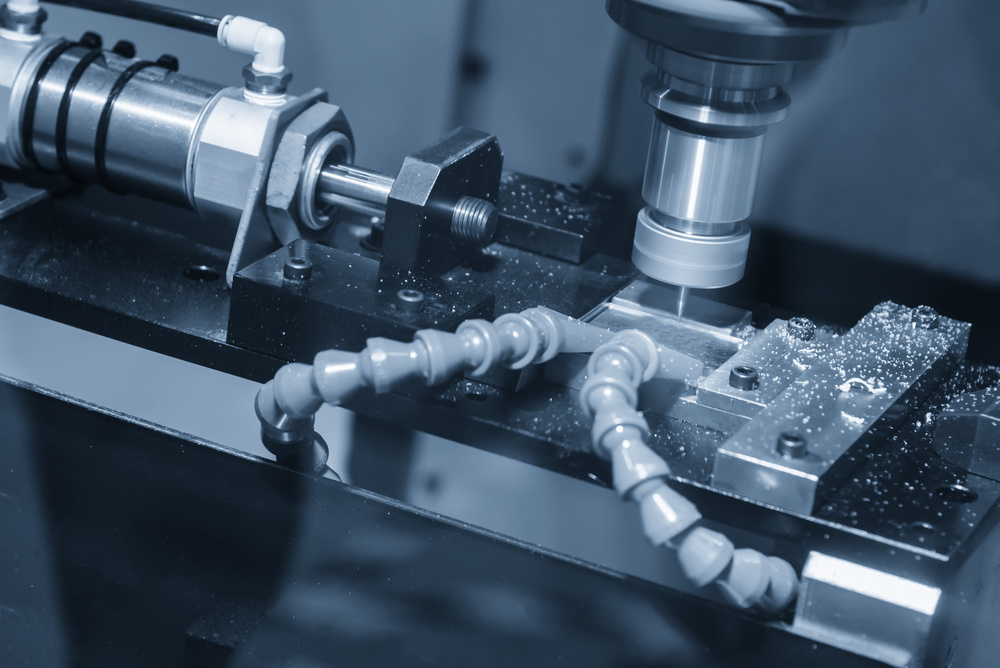
Copper Machining Tools
Tool Materials
- Preferred: Ultra-fine grain carbide
- Alternative: High-speed steel (HSS-Co)
- Recommended Coating: TiAlN or diamond coating
Tool Geometry Parameters
- Rake Angle: 15°-20° (larger angle reduces cutting force)
- Clearance Angle: 8°-12°
- Edge Angle: 0°-5°
- Tool Nose Radius: 0.4-1.2mm
Cutting Parameters
- Milling Speed: 1000-3000 rpm
- Feed Rate: 100-300 mm/min
- Cutting Depth: ≤5mm (roughing), ≤1mm (finishing)
- Cutting Width: 50-70% of tool diameter
Brass Machining Tools
Tool Materials
- Preferred: High-speed steel (HSS)
- Alternative: Regular carbide
- Recommended Coating: TiN coating or uncoated
Tool Geometry Parameters
- Rake Angle: 10°-15°
- Clearance Angle: 6°-10°
- Edge Angle: 0°-3°
- Tool Nose Radius: 0.2-0.8mm
Cutting Parameters
- Milling Speed: 2000-5000 rpm
- Feed Rate: 200-500 mm/min
- Cutting Depth: 10-20mm (roughing), 1-3mm (finishing)
- Cutting Width: 60-80% of tool diameter
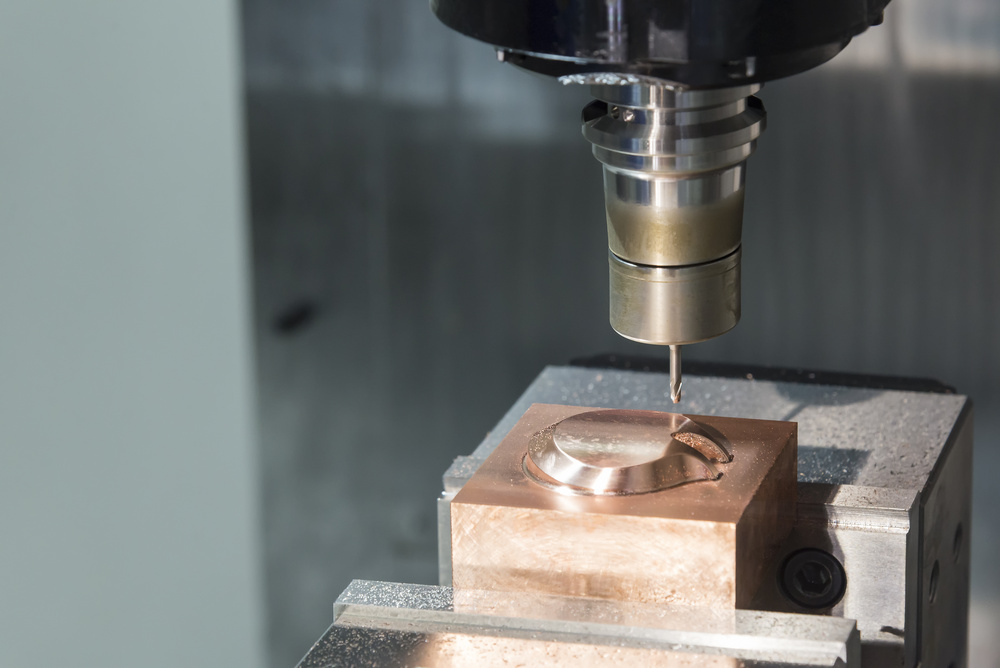
4. Cooling and Lubrication Requirements
Copper Machining Cooling
Cooling Requirement: High
Recommended Cutting Fluid:
- Type: Extreme pressure emulsion or synthetic cutting fluid
- Concentration: 8-12%
- Flow Rate: Sufficient for continuous cooling
- Pressure: Medium pressure to avoid splashing
Cooling Strategy:
- Use high-pressure cooling system
- Direct cooling to cutting zone
- Maintain clean cutting fluid
- Regular fluid replacement
Brass Machining Cooling
Cooling Requirement: Medium
Recommended Cutting Fluid:
- Type: Emulsion or micro-emulsion
- Concentration: 5-8%
- Flow Rate: Moderate
- Pressure: Low pressure
Cooling Strategy:
- Regular cooling system sufficient
- Main function is chip evacuation and lubrication
- Can reduce cooling intensity appropriately
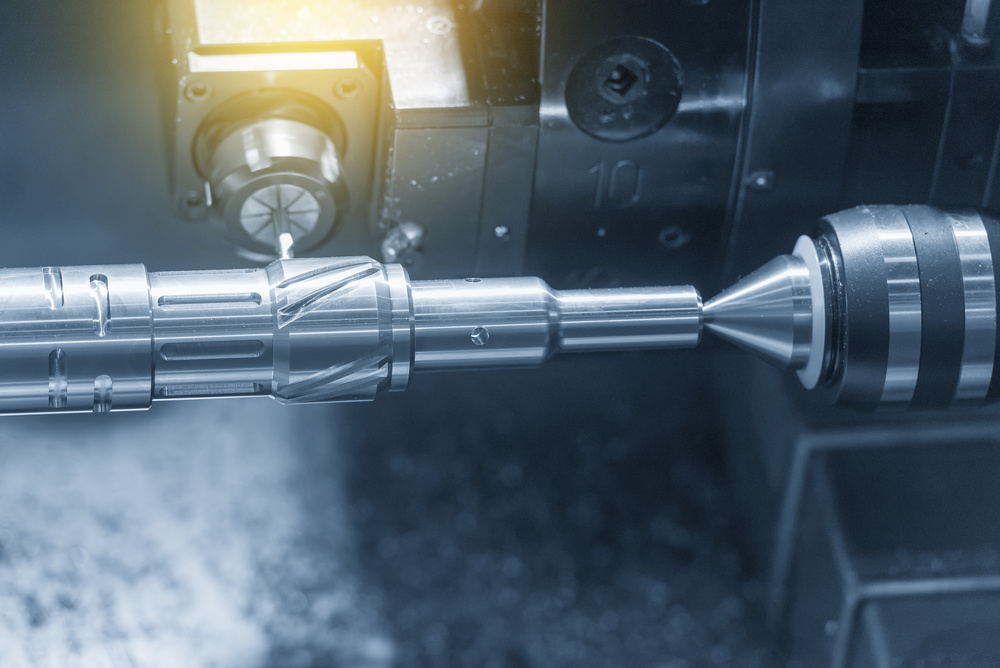
5. Fixture Design and Workpiece Holding
Copper Workpiece Holding
Fixture Requirements:
- Clamping Force: Requires high clamping force
- Fixture Material: Use soft jaws or copper fixtures
- Positioning Accuracy: High precision positioning
Holding Strategy:
- Use multiple clamping points
- Avoid workpiece deformation
- Use End face positioning
- Consider vacuum fixtures if possible
Brass Workpiece Holding
Fixture Requirements:
- Clamping Force: Medium clamping force sufficient
- Fixture Material: Standard steel fixtures
- Positioning Accuracy: Regular precision
Holding Strategy:
- Standard clamping methods
- Easy to achieve reliable holding
- Can use regular fixtures
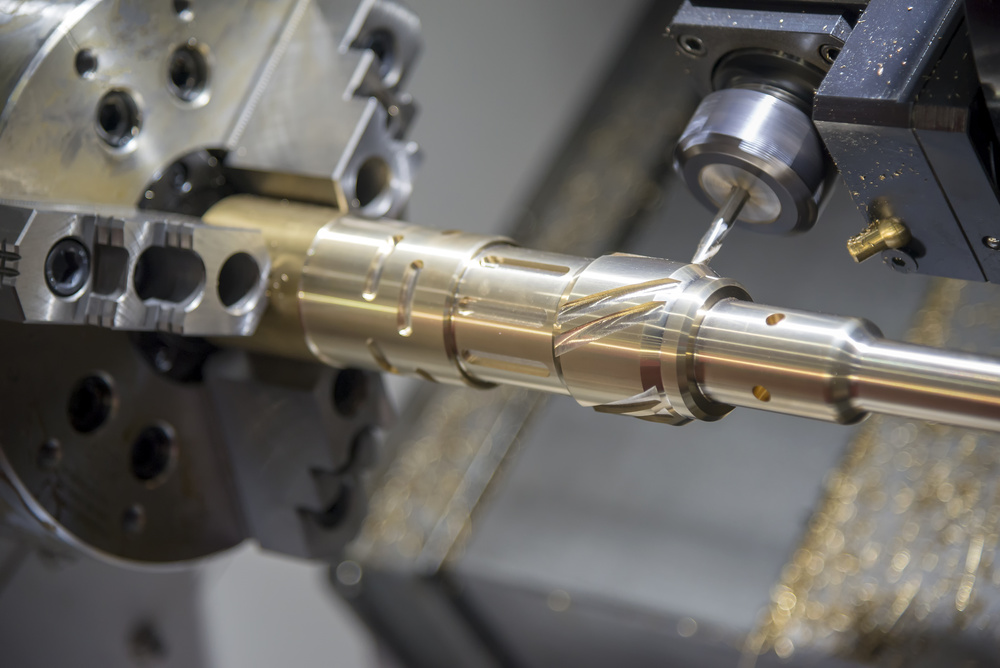
6. Machining Process Planning
Copper Machining Process
Processing Sequence:
- Roughing: Low feed rate, small depth of cut
- Semi-finishing: Medium parameters, remove most material
- Finishing: High speed, low feed rate, small depth of cut
Process Key Points:
- Multiple passes to gradually remove material
- Timely chip removal
- Monitor tool wear carefully
- Control machining temperature
Brass Machining Process
Processing Sequence:
- Roughing: High feed rate, large depth of cut
- Finishing: One pass or minimal passes
Process Key Points:
- Can use larger cutting parameters
- High machining efficiency
- Long tool life
- Easy to Ensure precision
7. Common Machining Problems and Solutions
Common Copper Machining Problems
Problem 1: Severe Tool Adhesion
- Symptom: Chips adhere to tool and workpiece
- Cause: High material ductility, high cutting temperature
- Solutions:
-
- Use sharp tools
-
- Increase cutting speed
-
- Improve cooling and lubrication
-
- Reduce feed rate
Problem 2: Poor Surface Quality
- Symptom: High surface roughness, scratches
- Cause: Chip scratching, tool wear
- Solutions:
-
- Use new tools
-
- Optimize cutting parameters
-
- Improve cooling conditions
-
- Clean chips promptly
Problem 3: Dimensional Accuracy Control Difficulties
- Symptom: Unstable dimensions, out of tolerance
- Cause: Material thermal expansion, tool wear
- Solutions:
-
- Control machining temperature
-
- Measure dimensions frequently
-
- Replace tools timely
-
- Consider thermal expansion compensation
Common Brass Machining Problems
Problem 1: Uneven Tool Wear
- Symptom: Severe local tool wear
- Cause: Hard particles in material
- Solutions:
-
- Select appropriate tool material
-
- Optimize cutting parameters
-
- Improve cooling conditions
Problem 2: Surface Vibrations
- Symptom: Wavy surface after machining
- Cause: Improper cutting parameters, insufficient rigidity
- Solutions:
-
- Adjust cutting parameters
-
- Increase system rigidity
-
- Use vibration damping measures
8. Quality Control Points
Copper Machining Quality Control
Inspection Items:
- Dimensional Accuracy: Check every 10-15 minutes
- Surface Quality: Continuous monitoring, detect problems timely
- Tool Condition: Frequent inspection of tool wear
- Chip Condition: Observe chip formation changes
Control Measures:
- Use high-precision measuring tools
- Establish quality inspection system
- Record machining parameters and quality data
- Adjust machining process timely
Brass Machining Quality Control
Inspection Items:
- Dimensional Accuracy: Check every 30-60 minutes
- Surface Quality: Regular inspection sufficient
- Tool Condition: Normal wear, periodic replacement
- Machining Stability: Monitor machining process
Control Measures:
- Regular quality inspection
- Standardize machining parameters
- Regular equipment maintenance
- Establish quality records
9. Cost Analysis and Economic Benefits
Copper Machining Cost Structure
Material Cost: High (¥70-80/kg)
Machining Cost: High
- Tool Cost: High (fast tool wear)
- Labor Cost: High (long machining time)
- Equipment Cost: High (high equipment wear)
Total Manufacturing Cost: Very high
Economic Benefit Analysis:
- Use only when copper is absolutely necessary
- Mainly for high value-added products
- Need to optimize machining process to reduce costs
Brass Machining Cost Structure
Material Cost: Medium (¥40-50/kg)
Machining Cost: Low
- Tool Cost: Low (long tool life)
- Labor Cost: Low (high machining efficiency)
- Equipment Cost: Low (low equipment wear)
Total Manufacturing Cost: Low
Economic Benefit Analysis:
- Very high cost performance
- Suitable for mass production
- Significant machining cost advantage
10. CNC Programming Key Points
Copper Machining Programming
Programming Strategy:
- Feed Control: Mainly use G01 linear feed
- Speed Control: Use S code to set appropriate speed
- Cooling Control: M08 continuous cooling
- Safety Considerations: Increase retract distance
Parameter Settings:
- Feed Override: appropriate reduce feed override
- Spindle Override: Can appropriate increase spindle override
- Rapid Traverse: Normal setting
- Tool Compensation: Accurate tool compensation setting
Brass Machining Programming
Programming Strategy:
- Feed Control: Can use higher feed rates
- Speed Control: High speed setting
- Cooling Control: Regular cooling setting
- Machining Efficiency: Optimize tool path for efficiency
Parameter Settings:
- Feed Override: Normal or increased feed override
- Spindle Override: Normal setting
- Rapid Traverse: Normal setting
- Tool Compensation: Regular setting
11. Equipment Maintenance Requirements
Copper Machining Equipment Maintenance
Maintenance Frequency: High
Maintenance Points:
- Spindle System: Frequently check spindle accuracy
- Cooling System: Regular cleaning of cooling system
- Guideway System: Strengthen guideway lubrication and cleaning
- Tool System: Frequently check tool holding system
Maintenance Schedule:
- Daily Maintenance: Clean equipment, check cooling system
- Weekly Maintenance: Check spindle accuracy, lubricate guideways
- Monthly Maintenance: Comprehensive equipment accuracy check
Brass Machining Equipment Maintenance
Maintenance Frequency: Medium
Maintenance Points:
- Regular Maintenance: Follow standard maintenance schedule
- Cooling System: Regular inspection and cleaning
- Tool System: Regular inspection
- Accuracy Check: Regular equipment accuracy check
Maintenance Schedule:
- Daily Maintenance: Regular cleaning and inspection
- Weekly Maintenance: Lubrication and basic inspection
- Monthly Maintenance: Comprehensive maintenance inspection
12. Safety Operation Procedures
Copper Machining Safety Operation
Safety Risks:
- Chip Hazard: Ribbon chips Easy to get tangled
- Tool Risk: Fast tool wear, Easy chipping
- Temperature Risk: High machining temperature, Easy burns
Safety Measures:
- Personal Protection: Wear safety glasses, gloves
- Equipment Protection: Ensure safety guards are intact
- Operation Standards: Strictly follow operation procedures
- Emergency Stop: Familiarize with emergency stop button location
Brass Machining Safety Operation
Safety Risks:
- Chip Hazard: Fragmented chips Easy splashing
- High Speed Risk: Safety risks of high-speed machining
- Equipment Risk: Regular machining safety risks
Safety Measures:
- Personal Protection: Standard protective equipment
- Equipment Protection: Normal safety protection
- Operation Standards: Standard operation procedures
- Environment Control: Maintain clean working environment
CNC Machining Material Selection Decision Tree
Start Material Selection

↓

Need high conductivity?

├─ Yes → Choose Copper

└─ No → Continue

↓

Need high strength?

├─ Yes → Choose Brass

└─ No → Continue

↓

Cost sensitive?

├─ Yes → Choose Brass

└─ No → Continue

↓

High surface quality requirement?

├─ Yes → Choose Brass

└─ No → Choose Copper
Quick Reference Table for Machining Parameters
|
Machining Type
|
Material
|
Tool Material
|
Speed (rpm)
|
Feed (mm/min)
|
Depth (mm)
|
|
Rough Milling
|
Copper
|
Carbide
|
1000-2000
|
100-200
|
3-5
|
|
Finish Milling
|
Copper
|
Carbide
|
2000-3000
|
200-300
|
0.5-1
|
|
Rough Milling
|
Brass
|
HSS
|
2000-3000
|
300-400
|
10-15
|
|
Finish Milling
|
Brass
|
HSS
|
3000-5000
|
400-500
|
1-3
|
|
Drilling
|
Copper
|
Carbide
|
800-1500
|
50-100
|
–
|
|
Drilling
|
Brass
|
HSS
|
1500-3000
|
100-200
|
–
|
Frequently Asked Questions (FAQ)
Q1: What to do if tool wears too fast when machining copper?
A1: Recommendations: 1) Use better tool materials like ultra-fine grain carbide; 2) Optimize cutting parameters – increase speed and reduce feed; 3) Improve cooling conditions; 4) Replace tools timely.
Q2: How to solve scratches on brass machining surfaces?
A2: Possible causes: 1) Tool wear; 2) Chip scratching; 3) Insufficient cooling. Solutions: Replace with new tools, improve cooling, clean chips promptly.
Q3: Why do copper parts have dimensional deviations after machining?
A3: Main reasons: 1) Material thermal expansion; 2) Tool wear; 3) Clamping deformation. Solutions: Control machining temperature, measure dimensions frequently, replace tools timely, optimize clamping methods.
Q4: What efficiency can be achieved when machining brass?
A4: Brass machining efficiency is usually 2-3 times higher than copper, depending on part complexity and equipment performance.
Q5: What is the cost difference between the two materials?
A5: Considering both material and machining costs, brass total cost is typically only 60-70% of copper.
This CNC machining specialized guide will help operators better understand and master the machining characteristics of copper and brass, improving machining efficiency and product quality.