What is CNC Machining?
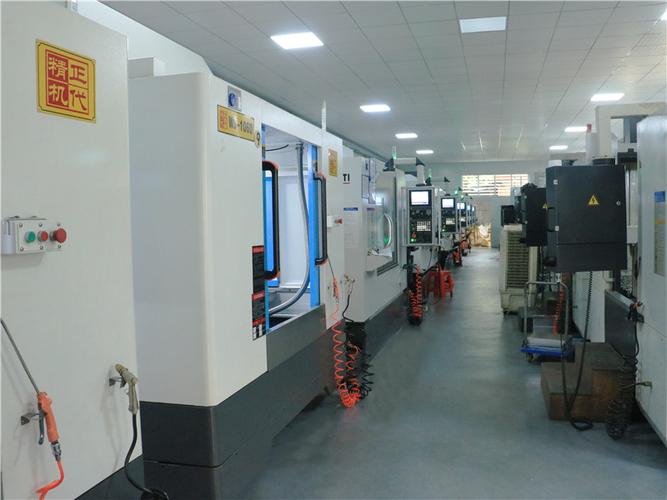
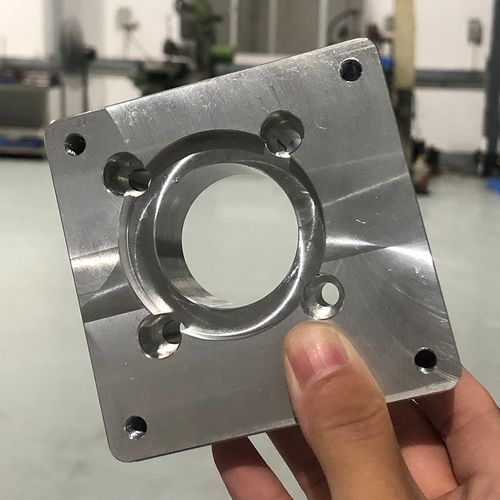
CNC (Computer Numerical Control) machining is a subtractive manufacturing process that uses computerized controls to remove material from a workpiece with extreme precision. It’s the backbone of modern manufacturing, enabling the production of complex parts with consistent quality and repeatability.
Evolution Timeline
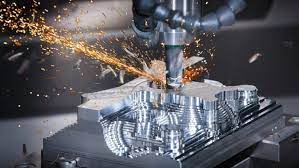
Precision CNC machining with visible chip formation
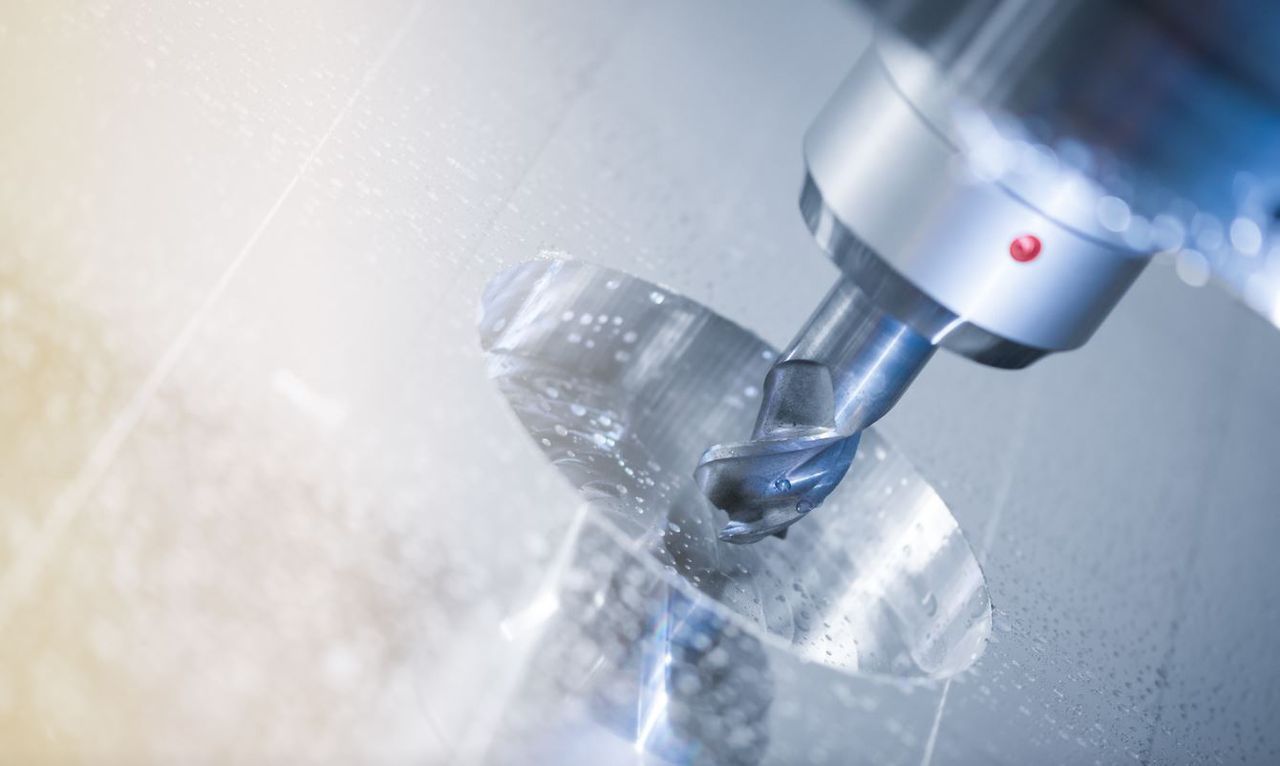
Close-up of CNC milling operation
How CNC Machining Works
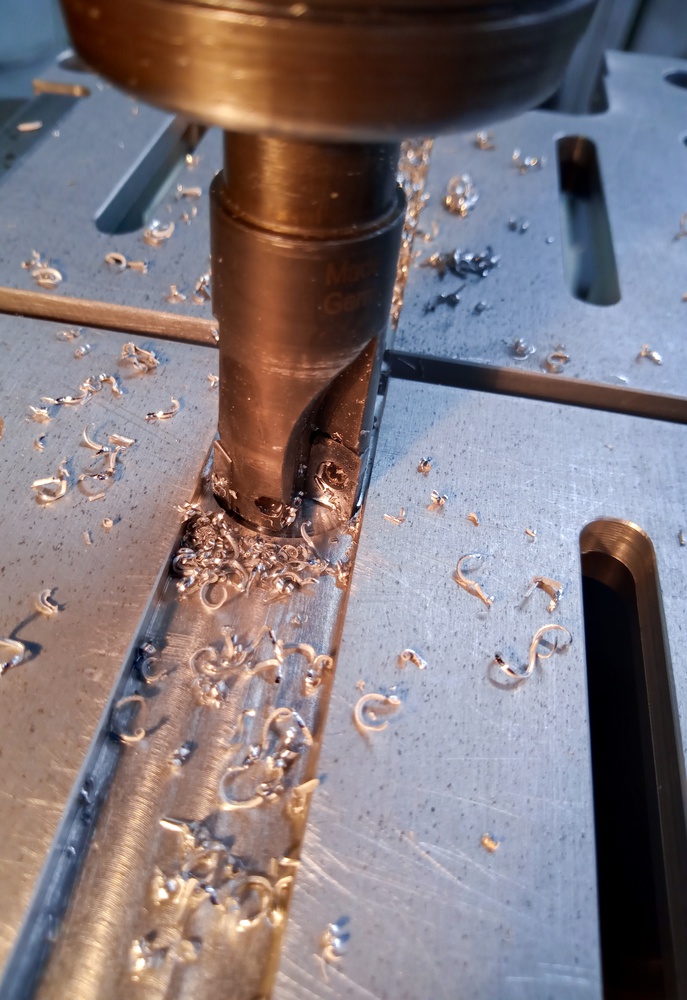
CNC milling showing different chip formation in metals
The CAD/CAM/G-code Process
Axis Configuration
| Axis Type | Description | Applications |
|---|---|---|
| 3-Axis | X, Y, Z linear movements | Simple 2D parts, drilling, basic milling |
| 4-Axis | 3-axis + 1 rotational axis (A/B/C) | Circular features, indexing operations |
| 5-Axis | 3-axis + 2 rotational axes | Complex 3D geometries, turbine blades |
Materials & Machining Processes
Common Machining Materials
| Category | Material | Standard | Density (g/cm³) | Tensile Strength (MPa) | Machinability |
|---|---|---|---|---|---|
| Aluminum | 6061-T6 | ASTM B221/ISO 209 | 2.7 | 310 | Excellent |
| Aluminum | 7075-T6 | ASTM B209/ISO 209 | 2.81 | 572 | Good |
| Steel | 1018 Low Carbon | ASTM A108 | 7.87 | 440 | Very Good |
| Steel | 304 Stainless | ASTM A276 | 8.0 | 515 | Moderate |
| Titanium | Ti-6Al-4V | ASTM B348 | 4.43 | 895 | Difficult |
Key Machining Processes
Milling
Rotating cutting tools remove material to create complex shapes and features.
Operations: Face milling, peripheral milling, drilling, tapping, boring
Tools: End mills, face mills, drills, taps, reamers
Turning
Workpiece rotates while cutting tools remove material to create cylindrical parts.
Operations: Turning, facing, threading, grooving, parting
Tools: Turning inserts, threading tools, grooving tools
Drilling & Boring
Creating and enlarging holes with high precision and surface quality.
Operations: Drilling, reaming, boring, counterboring, countersinking
Tolerance: Typically ±0.01mm for precision holes
Standards & Testing Data

CMM (Coordinate Measuring Machine) for quality inspection
International Standards
Key ISO Standards for CNC Machining
- ISO 13041-6:2009 – Test conditions for numerically controlled turning machines
- ISO 230-4:2022 – Circular tests for numerically controlled machine tools
- ISO 26303:2012 – Process capability and machine performance evaluation
- ISO 14649 – STEP-NC data model for computerized numerical controllers
- ISO 10791-7:2020 – Accuracy of finished test pieces for machining centers
- ISO 13485 – Quality management systems for medical devices
Test Data (For Reference Only)
AISI 316 Stainless Steel Milling Test Results
* Test data from PMC study – For reference only
| Parameter | Value | Result |
|---|---|---|
| Cutting Speed | 120-150 m/min | Optimal tool life |
| Feed Rate | 0.15-0.25 mm/rev | Good surface finish |
| Depth of Cut | 1.5-2.5 mm | Balanced material removal |
| Tool Life | 45-60 minutes | Carbide inserts |
| Surface Roughness | Ra 1.6-3.2 μm | Finish machining |
CNC Machine Types & Applications
CNC Milling Machines
Remove material using rotating cutting tools to create complex shapes and features.
Common operations: Face milling, peripheral milling, drilling, tapping
Typical parts: Housings, brackets, complex 3D components
CNC Lathes/Turning Centers
Rotate workpiece while cutting tools remove material to create cylindrical parts.
Common operations: Turning, facing, threading, boring
Typical parts: Shafts, pins, bushings, cylindrical components
Multi-Axis Machining
Combine milling and turning capabilities with rotational axes for complex geometries.
Key benefit: Complete part production in single setup
Typical parts: Turbine blades, medical implants, aerospace components
Industry Applications
Aerospace
- Turbine blades and engine components
- Lightweight structural parts
- Waveguide cavities
- Precision instrumentation
Medical
- Orthopedic implants (knees, hips)
- Surgical instruments
- Dental prosthetics
- Patient-specific cranial plates
Automotive
- Engine blocks and components
- Transmission parts
- Brake system components
- Electric vehicle battery trays
Advantages & Limitations
Key Advantages
- Extreme Precision: Tolerances as tight as ±0.002mm
- High Repeatability: Identical parts every time
- Complex Geometry: Machines shapes impossible with manual methods
- 24/7 Operation: Lights-out manufacturing capability
- Material Versatility: Works with metals, plastics, composites
- Reduced Labor: Minimal operator intervention required
Limitations
- High Initial Cost: CNC machines are expensive to purchase
- Skilled Operators: Requires trained programmers and technicians
- Setup Time: Complex parts need significant preparation
- Material Waste: Subtractive process generates scrap material
- Size Limitations: Large parts may require special machines
2026 Trends & Future Outlook
AI-Driven Machining
Real-time sensor feedback adjusts feeds, speeds, and toolpaths automatically, improving surface quality and reducing tool wear by 30%.
Digital Twins
Virtual machine replicas validate setups before cutting metal, reducing collision risks and scrap during new part launches.
Hybrid Manufacturing
Combines additive and subtractive processes in single machine, ideal for repairing high-value aerospace components.
Smart Automation
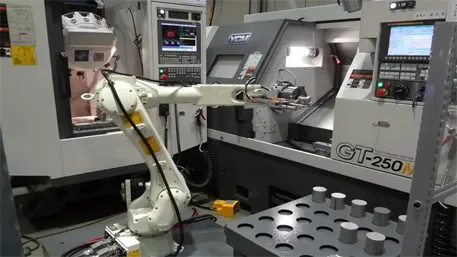
Robotic loading/unloading, automated tool changers, and predictive maintenance enable true lights-out manufacturing.
Sustainable Machining
Energy-efficient machines, recyclable coolants, and optimized toolpaths reduce environmental footprint by 25%.
5-Axis Democratization
Lower costs and easier programming make 5-axis technology accessible to small and medium manufacturers.
Frequently Asked Questions
What materials can be CNC machined?
Virtually any solid material including aluminum, steel, titanium, brass, copper, plastics (ABS, PEEK, nylon), composites, and even wood.
What is the typical tolerance for CNC machining?
Standard tolerances are ±0.01mm, with high-precision machines achieving ±0.002mm. Medical and aerospace applications often require even tighter tolerances.
How long does CNC programming take?
Simple parts may take 1-2 hours, while complex 5-axis parts can take 20+ hours. However, modern CAM software with automation features significantly reduces programming time.
What is the difference between 3-axis and 5-axis machining?
3-axis machines move in X, Y, Z directions only, while 5-axis adds two rotational axes, allowing the tool to approach the workpiece from any angle, enabling complex geometries in fewer setups.
Is CNC machining cost-effective for small production runs?
Yes, especially with modern machines that reduce setup time. For runs of 1-100 parts, CNC is often more cost-effective than mold-based processes.
The Future of Manufacturing is CNC
From its humble beginnings with punch cards in the 1950s to today’s AI-driven 5-axis systems, CNC machining continues to evolve as the cornerstone of modern manufacturing.
As technology advances, CNC machining will become even more precise, efficient, and accessible, enabling innovations across every industry.
© 2026 CNC Machining Technology Guide | Comprehensive Resource for Manufacturers and Engineers