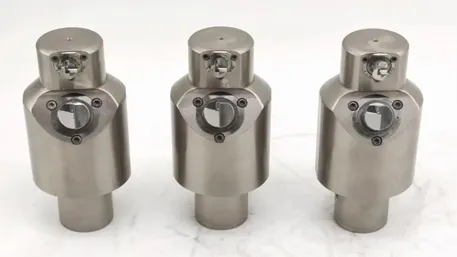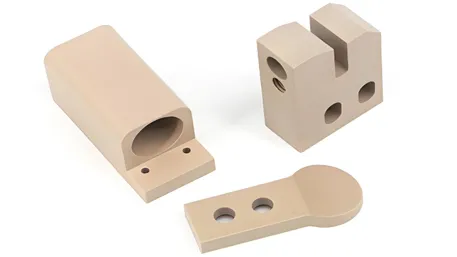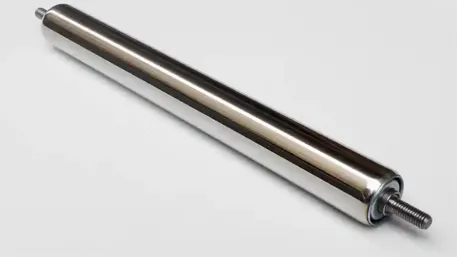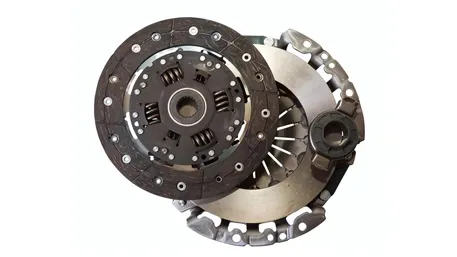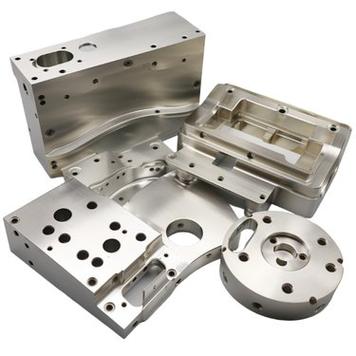
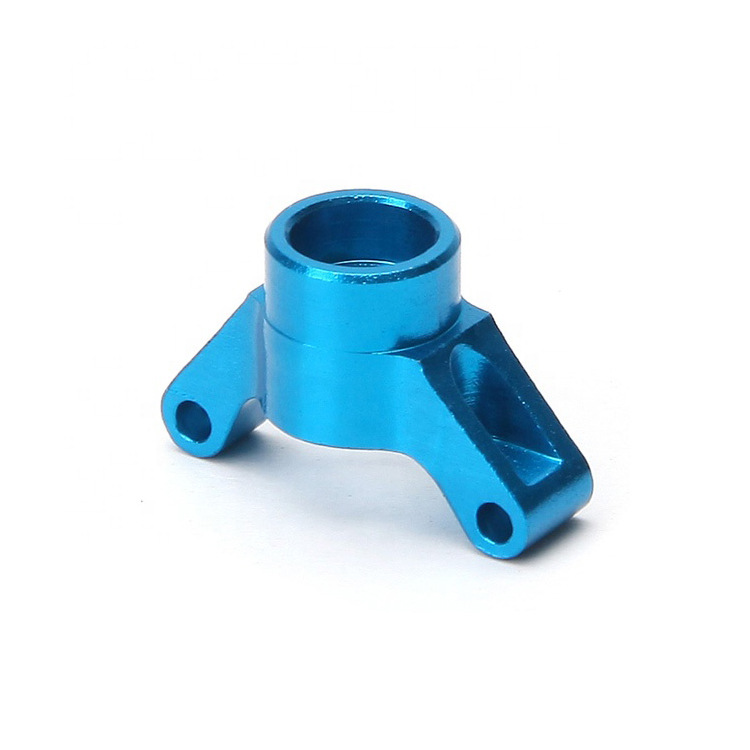
We provide one-stop CNC machining and anodizing service and cnc plating service to deliver high-performance parts with enhanced corrosion resistance, durability, and premium surface finish. As a professional anodized aluminum cnc parts manufacturer, we help you eliminate the hassle of coordinating multiple vendors.
What Problems We Solve for You
Corrosion Protection
Eliminate rust and corrosion issues for metal parts used in outdoor or harsh environments.
Premium Surface Finish
Achieve consistent, aesthetic appearance for your consumer and industrial products.
Wear Resistance
Improve surface hardness to extend part lifespan for high-friction applications.
Tolerance Control
Precision compensation for coating thickness to ensure your parts meet strict dimensional requirements.
Anodizing vs Plating: Which is Right for Your CNC Parts?
Standard Answer: Anodizing is typically used for aluminum parts to improve corrosion resistance and surface hardness, while plating is applied to various metals to enhance conductivity, wear resistance, or appearance.
Anodizing
- Compatible Material: Only for aluminum and aluminum alloys
- Core Benefits: Superior corrosion resistance, surface hardening, colorable
- Cost Range: $0.10 – $0.30 per cm² (Cost-effective for aluminum parts)
- Coating Thickness: 10-25μm (Standard), 25-50μm (Hard Anodizing)
- Best For: Aluminum housings, aerospace parts, consumer electronics
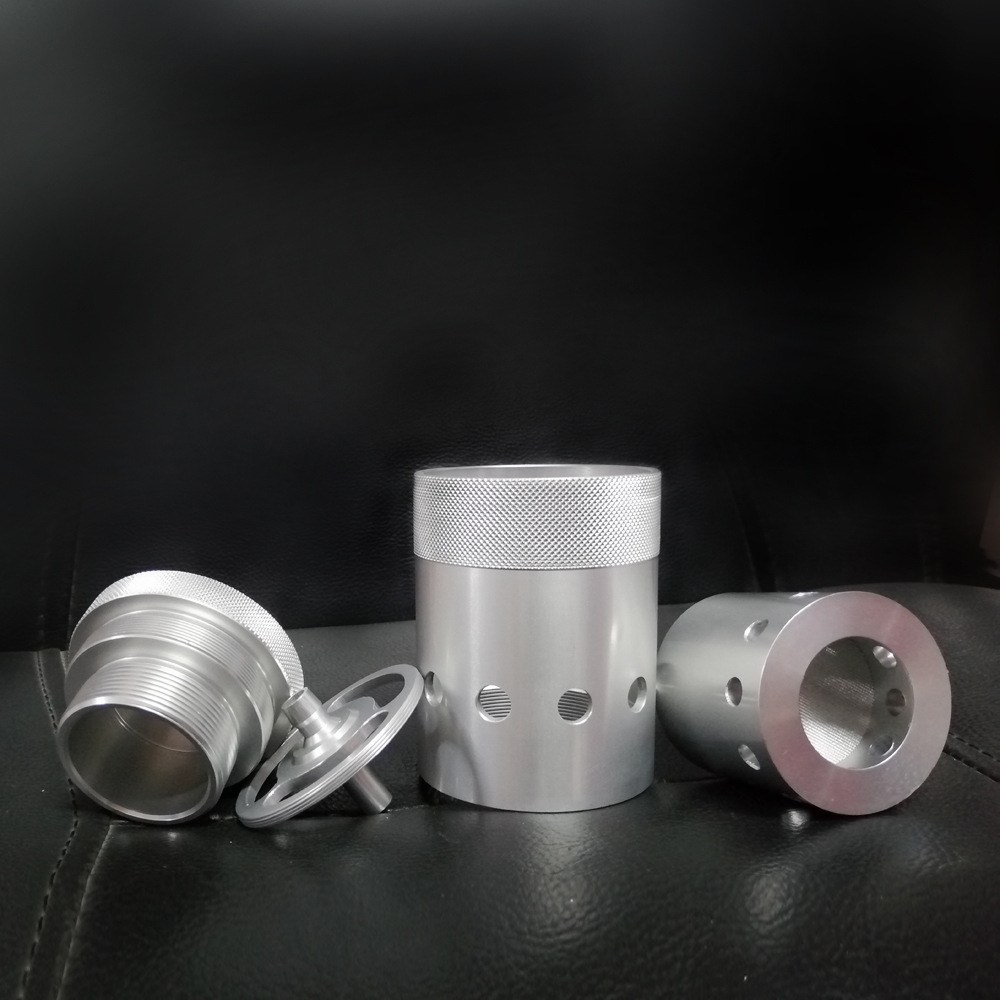
Plating
- Compatible Material: Steel, copper, brass, and other conductive metals
- Core Benefits: Enhanced conductivity, wear resistance, anti-tarnishing
- Cost Range: $0.15 – $0.45 per cm² (20-50% higher than anodizing)
- Coating Thickness: 5-20μm (Nickel/Chrome/Zinc plating options)
- Best For: Electrical connectors, automotive hardware, industrial tools
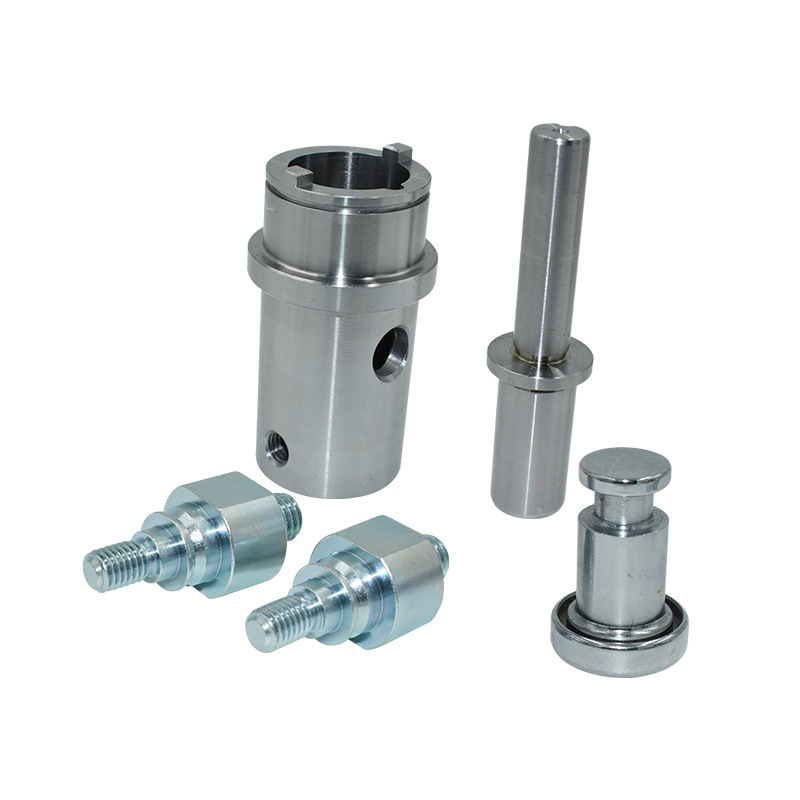
When to Choose Which?
Choose Anodizing If:
- Your part is made of aluminum
- You need aesthetic, colorable finish
- Corrosion resistance is your top priority
- You are looking for a cost-effective solution
Choose Plating If:
- Your part is made of steel, copper or brass
- You need high electrical conductivity
- Extreme wear resistance is required
- You need specific metal coating properties
Our Integrated Process Workflow
CNC Machining
Precision 3/5-axis CNC machining with strict tolerance control, reserving coating thickness in advance.
Surface Preparation
Multi-step cleaning including degreasing, alkaline etching and desmutting to ensure perfect coating adhesion.
Anodizing / Plating
Temperature and current controlled coating process, ensuring uniform thickness and consistent performance.
Final Inspection
Full inspection including dimension check, coating thickness test, salt spray test and visual quality check.
Material Compatibility Guide
| Base Material | Recommended Surface Treatment | Key Benefits |
|---|---|---|
| Aluminum 6061 / 7075 | Type II Sulfuric Anodizing | Excellent corrosion resistance, colorable, cost-effective |
| Aluminum (Aerospace) | Hard Anodizing (MIL-A-8625) | Extreme hardness, wear resistance, military grade |
| Stainless Steel 304/316 | Electroless Nickel Plating | Uniform coating, high wear resistance, corrosion protection |
| Carbon Steel | Zinc Plating / Nickel Plating | Prevent rust, low cost for general hardware |
| Copper / Brass | Chrome Plating / Nickel Plating | High conductivity, anti-tarnishing, premium appearance |
Tolerance & Coating Impact: Critical Design Consideration
With 20 years of manufacturing experience, we know that coating thickness is the most overlooked factor in precision part design. Ignoring this will lead to out-of-tolerance final parts.
Coating Thickness Specification
- Standard Anodizing: 10 – 25μm
- Hard Anodizing: 25 – 50μm
- Nickel/Zinc Plating: 5 – 15μm
- Chrome Plating: 10 – 20μm
Design Compensation Rule
When designing your parts, you must reserve the coating thickness in your CNC machining dimension.
Example: If your final part requires a 10.00mm dimension:
Your raw machined dimension should be 9.975mm – 9.99mm to compensate for 10-25μm coating.
Our engineering team will automatically adjust the machining dimension for you based on your selected surface treatment, ensuring your final parts meet all tolerance requirements.
Quality Assurance & Test Data
Industry Standards We Follow
Anodizing Standards
- ISO 7583: Anodic oxidation coatings on aluminum
- ASTM B137: Measurement of anodic coating thickness
- MIL-A-8625: Military specification for anodizing
- GB/T 8013: Anodic oxide films on aluminum alloys
Plating Standards
- ISO 1463: Measurement of coating thickness
- ASTM B117: Salt spray test standard
- GB/T 9797: Nickel, nickel-chromium plating
- GB/T 4955: Thickness measurement of metallic coatings
Performance Test Data *For reference only
| Test Item | Anodizing | Plating |
|---|---|---|
| Salt Spray (NSS) | 720 Hours | 200-500 Hours |
| Surface Hardness | HV 300-400 | HV 500-800 |
| Adhesion | Pass Tape Test | Pass Bend Test |
Application Scenarios
Aerospace Components
MIL-A-8625 compliant hard anodizing for aircraft parts, ensuring extreme durability in harsh environments.
Automotive Parts
Plated hardware and anodized aluminum parts for automotive interior and exterior applications.
Electronics Housings
Precision anodized aluminum housings for consumer electronics, providing premium finish and protection.
Electrical Components
Plated connectors and terminals with high conductivity and corrosion resistance for electronic devices.
Case Study: Custom Outdoor Electronics Housing
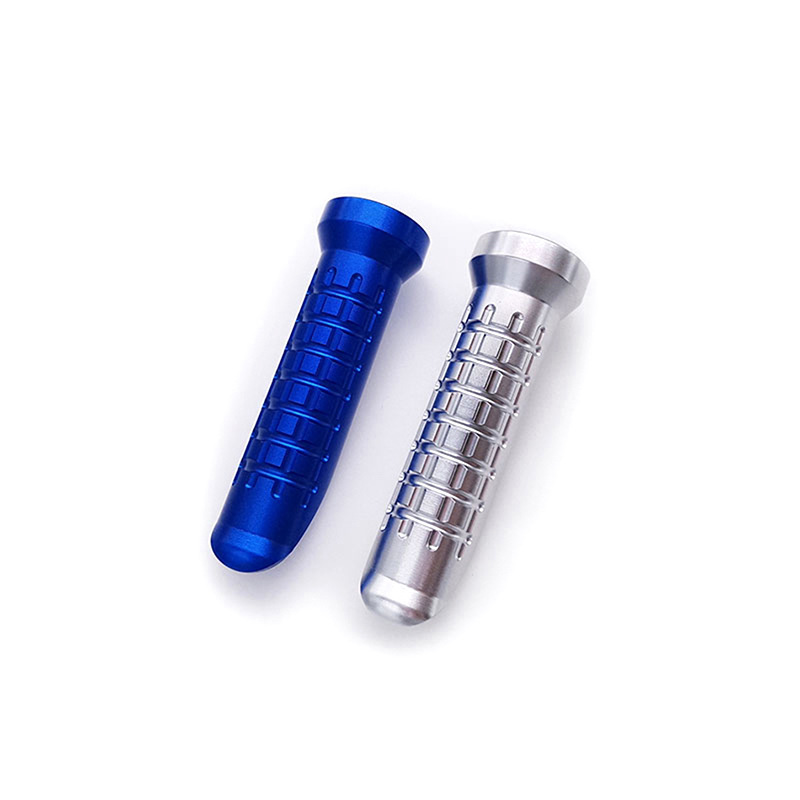
Client’s Problem
The client needed a lightweight aluminum housing for outdoor IoT devices. Their previous supplier failed to solve the corrosion issue: the parts started to rust and paint peeled off after only 6 months of outdoor use.
Our Solution
We performed 5-axis CNC machining on 6061 aluminum, followed by Type II sulfuric anodizing with black dyeing. We also applied a special sealing process to enhance the corrosion resistance of the coating.
Final Result
- Parts passed 1000-hour neutral salt spray test
- Surface hardness increased by 300% compared to raw aluminum
- Product lifespan extended by 2x, zero warranty claims in 2 years
Decision Path: How to Choose the Right Surface Treatment
Identify Your Base Material
If it’s aluminum, anodizing is your best option. For steel, copper or brass, plating will be the ideal solution.
Define Your Core Requirements
Corrosion resistance and aesthetic? Choose anodizing. Conductivity and extreme wear? Choose plating.
Align with Your Budget
Anodizing is more cost-effective for aluminum parts. Plating is a premium option for high-performance requirements.
Frequently Asked Questions
Q: What is the difference between anodizing and plating?
Anodizing is an electrochemical process that converts the aluminum surface into a protective oxide layer, while plating deposits a thin layer of metal onto the part surface. Anodizing is only for aluminum, while plating works for most metals.
Q: Which is better for corrosion resistance?
For aluminum parts, anodizing provides much better corrosion resistance than plating. Anodized aluminum can withstand up to 720 hours of salt spray test, which is far better than plated aluminum.
Q: Does anodizing affect dimensions and tolerance?
Yes, anodizing adds 10-25μm thickness to the part surface. However, our engineering team will automatically adjust the CNC machining dimension to compensate for this, ensuring your final parts meet the tolerance requirements.
Q: Can CNC parts be plated after machining?
Yes, we provide one-stop service: we first machine your parts to the adjusted dimension, then perform the plating process, so you don’t need to coordinate with multiple vendors.
Q: How much does CNC machining with surface finishing cost?
The cost depends on part size, complexity, material, and coating requirements. Generally, anodizing costs $0.10-$0.30 per cm², while plating costs 20-50% higher due to the precious metal coating materials and environmental processing costs.
Get Your Custom CNC + Surface Finishing Quote
Ready to get your precision parts with perfect surface treatment? Upload your drawing now, our engineering team will provide detailed quote, tolerance analysis and surface treatment recommendation within 24 hours.