After 20 years running CNC turning operations, I’ve machined more stainless steel parts than I can count. It’s one of the trickiest materials to work with, but it’s also one of the most in-demand—especially for medical, aerospace, and industrial parts. So many customers come to us confused about why stainless steel turning is more expensive than aluminum, or why their first batch had so many defects. It all comes down to knowing the little tricks that make all the difference.
We put this guide together to help you get the best results from your stainless steel turning job, whether you’re ordering a single prototype or 10,000 production parts.
First off, for anyone new to this: let me quickly explain what CNC turning actually is. It’s a machining process where we spin a solid bar of stainless steel, and use a stationary cutting tool to shave away material to create custom cylindrical parts. Think shafts, threaded fittings, valve bodies, pins, flanges—any round part you can imagine. It’s way faster and more precise than other processes for these kinds of shapes, which is why it’s the go-to for stainless steel round parts.
And these turned stainless parts have some unbeatable benefits, too: They’re incredibly strong, resistant to rust and corrosion, hold super tight tolerances, and can handle high heat and wear. That’s why they’re the first choice for so many tough jobs.
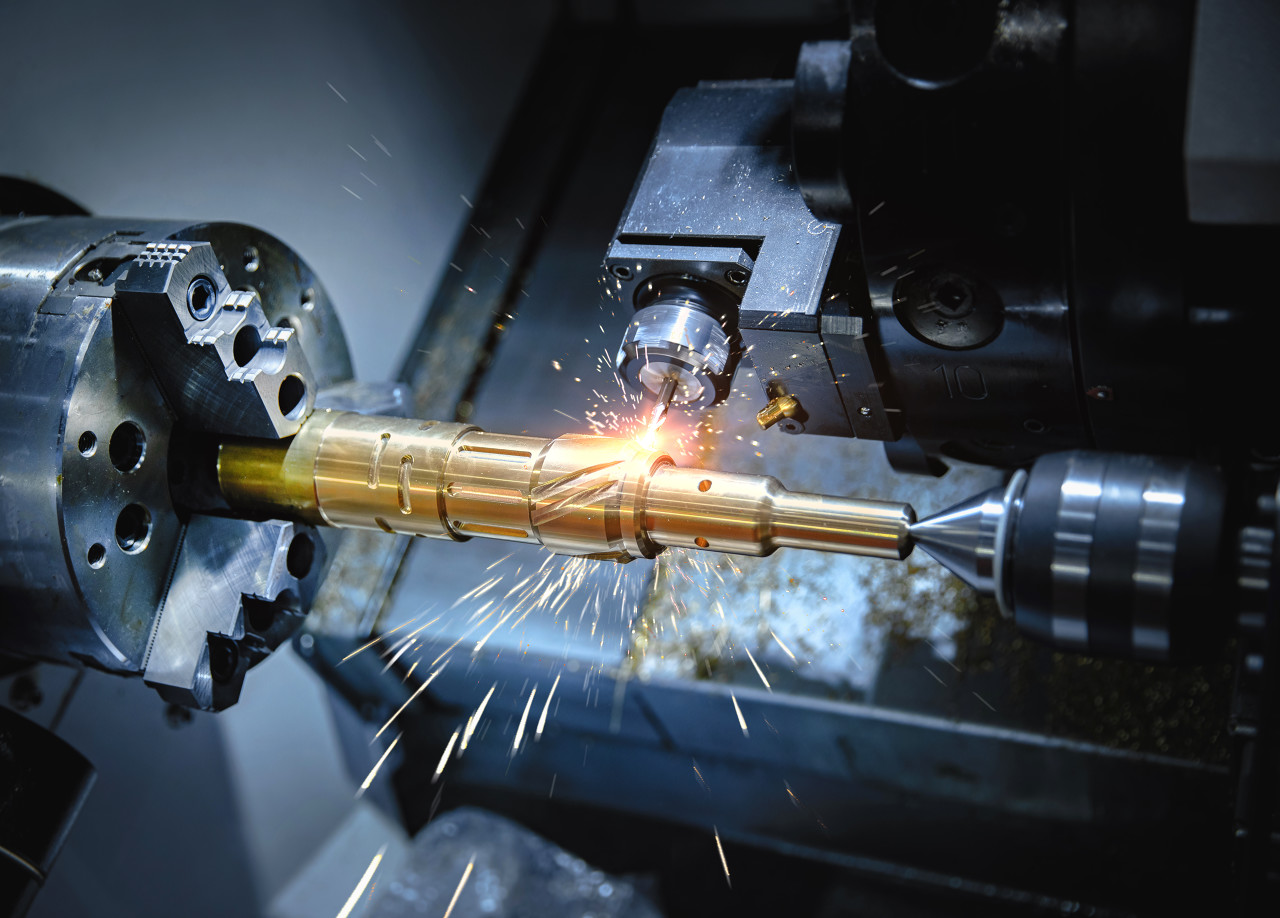
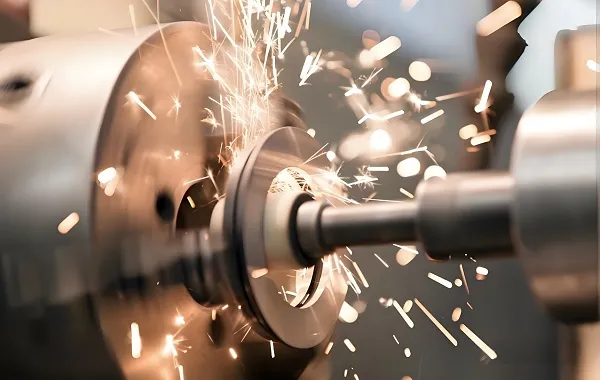
CNC turning machine in operation, machining a custom stainless steel part
Quick Facts About Stainless Steel CNC Turning
As a procurement manager for a medical device company, I source hundreds of stainless steel turned parts every year. I know how hard it is to find a shop that can hit the tight tolerances we need, without blowing the budget. If you’re looking for a quick baseline, here’s what you need to know:
- Hourly turning rates for stainless steel: $60-$120 per hour (higher than aluminum due to slower machining speeds)
- Typical per-part cost: $0.50 to $50 per part, depending on size, complexity, and order volume
- Most common grades: 304 (general use), 316 (corrosion-resistant), 17-4 PH (high strength)
- Standard lead times: 3-10 days for prototypes, 2-4 weeks for production runs
And the best part? We do full custom turning services for stainless steel. No matter what you need—tiny medical pins, large industrial flanges, custom threaded fittings, even complex parts with multiple diameters and threads—we can build it exactly to your specs. No more settling for off-the-shelf parts that don’t quite fit your project.
I was worried the custom process would be complicated at first, but it’s actually super straightforward. The custom order flow is simple:
- You send us your CAD file and your specific requirements
- We review your design, send you a free, no-obligation quote
- You approve the quote, we get your job scheduled
- We machine, inspect, and ship your parts right to your door
We’ll even flag any design tweaks that can save you money before we start, so you get the best deal possible.
What You Need to Know Before Ordering
1. Picking the Right Stainless Steel Grade
As a materials engineer, I see so many customers pick the wrong stainless steel grade for their part. They just ask for ‘stainless steel’ and end up with a part that’s too expensive, or doesn’t hold up to their needs. Let’s break down the most common grades we machine, in detail:
- 304 Stainless Steel: The most common, general-purpose grade. It has 18% chromium and 8% nickel, giving it great corrosion resistance for most indoor and mild outdoor environments. It’s affordable, easy to weld and machine, and works for 80% of standard applications—think industrial fixtures, hardware, and non-corrosive parts.
- 316 Stainless Steel: The marine/medical grade. It adds 2-3% molybdenum to the mix, which makes it way more resistant to salt water, acids, and chemicals. It’s the standard for medical implants, food processing equipment, offshore parts, and any application that needs extra corrosion protection. It’s 20% more expensive than 304, but worth it for the right job.
- 17-4 PH Stainless Steel: A precipitation-hardening grade. It can be heat-treated to reach tensile strengths of up to 1100 MPa, way stronger than standard 304 or 316. It’s perfect for aerospace parts, high-wear components, and parts that need to hold up to heavy loads. It’s a bit trickier to machine, but our team has plenty of experience with it.
- 303 Stainless Steel: The free-machining grade. It has added sulfur to improve machinability, which means we can run it faster, with less tool wear. That makes it perfect for high-volume production parts. The tradeoff? It’s not as corrosion-resistant as 304, and it’s not weldable, so it’s only for parts that don’t need welding or extreme corrosion protection.
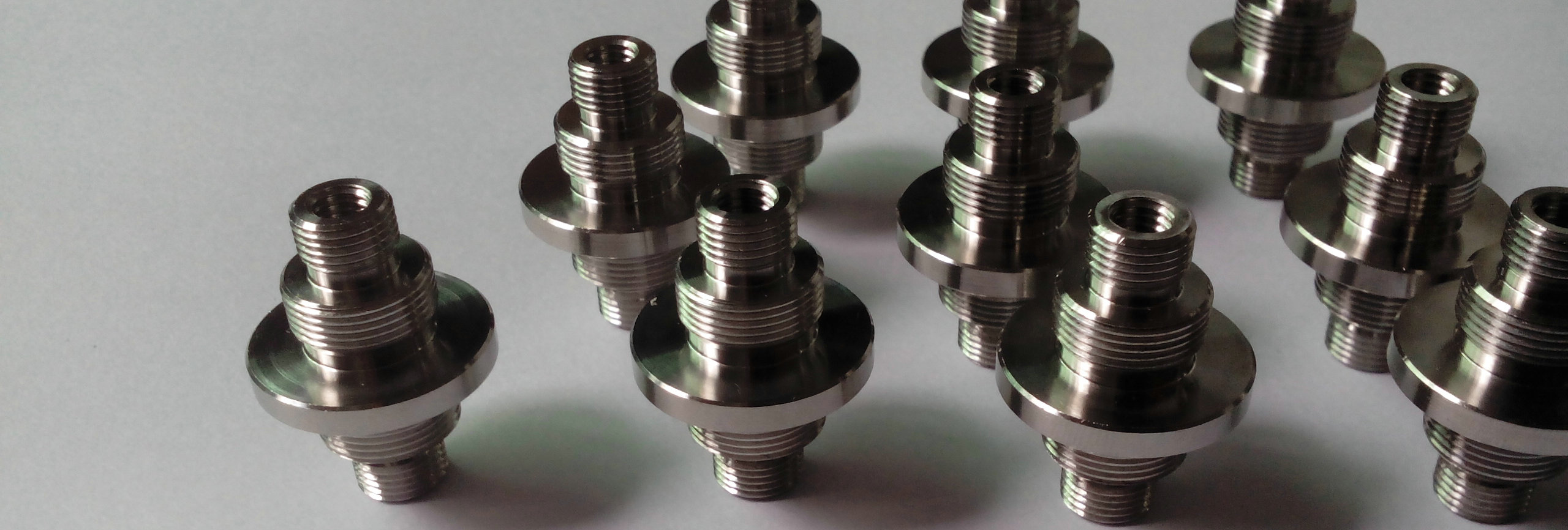
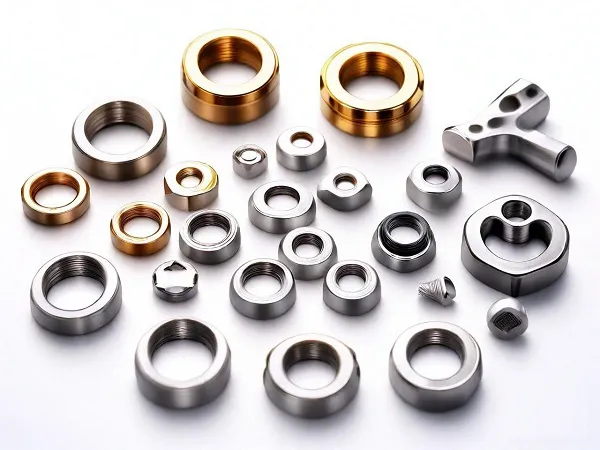
Precision 316 stainless steel threaded turned parts for fluid systems
2. The Unique Challenges of Machining Stainless Steel
When I first started programming CNC turning jobs, I tried to run stainless steel the same way I ran aluminum. I cranked up the feed rate, used the same cheap tool… and I ended up ruining a $200 bar of 316 stainless, and breaking two expensive carbide tools. I learned the hard way that stainless steel is nothing like aluminum!
Stainless steel has some unique properties that make it tricky to machine:
- Work Hardening: When you cut it, the surface gets harder really fast. If you go too slow, you’ll end up machining a hardened layer that ruins your tools.
- Tool Wear: It’s sticky, and it wears out cutting tools way faster than aluminum. That’s why we use specialized carbide tools with coatings for stainless steel.
- Heat Buildup: It doesn’t conduct heat well, so all the heat from cutting stays on the tool edge. That means we have to run slower speeds to keep the tool from overheating.
That’s why you need a shop that has experience with stainless steel—they know the right speeds, feeds, and tools to get it right the first time.
For anyone curious, the actual machining process for these parts is straightforward, but precise:
- We cut the stainless steel bar to the right length for your parts
- We load the bar into the CNC lathe, and set up the specialized coated carbide tooling
- We run the program, spinning the bar at the right speed for the material, and feeding the tool to cut the part to your exact specs
- We do any secondary operations, like threading, grooving, or deburring
- We inspect every part to make sure it hits your tolerances and quality standards
It sounds simple, but getting the speeds and feeds right for stainless steel is the key to avoiding scrap and getting a perfect part.
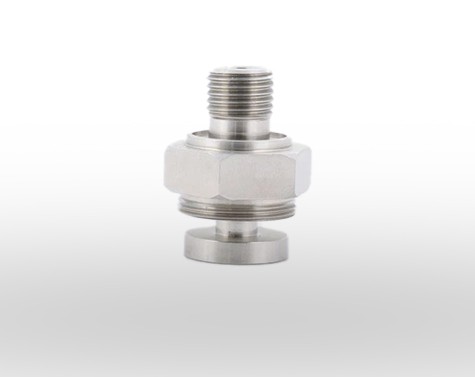
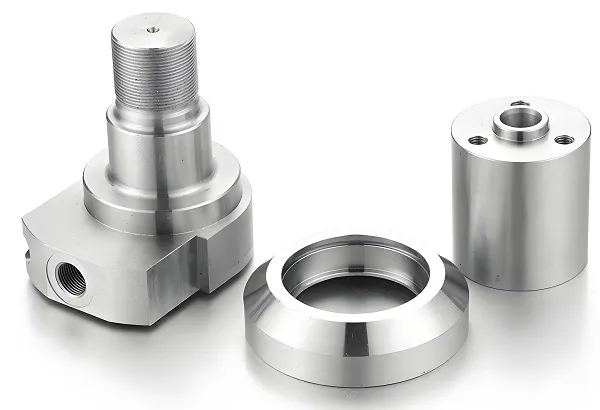
Custom precision stainless steel fitting for hydraulic systems
3. Precision & Quality for Stainless Steel Parts
Last year, I ordered 500 stainless steel valve parts for our medical devices from a cheap online shop. The parts looked fine at first, but half of them failed our inspection—their tolerances were off by 0.02mm, and the surface finish was too rough. We had to scrap the whole batch and reorder, which cost us 2 months of lead time. I learned that precision isn’t something you can skip with stainless steel parts!
For most stainless steel applications, you need tight tolerances and a smooth surface finish:
- Medical parts: Typically need ±0.005mm tolerances, and a smooth Ra 0.8 surface finish to meet FDA standards
- Aerospace parts: Need even tighter tolerances, plus full material certification and inspection reports
- Industrial parts: Usually ±0.01mm tolerances are enough, but it depends on the application
A good shop will have strict quality control, including CMM inspection, to make sure every part meets your specs.
Looking at the industry, these stainless steel turned parts are used in so many different fields:
- Medical: Surgical tools, implant parts, valve components
- Aerospace: Hydraulic fittings, engine components, fasteners
- Food & Beverage: Processing equipment, sanitary fittings, valves
- Marine: Offshore components, boat hardware, fluid system parts
- Industrial: Hydraulic systems, pneumatic parts, machinery components
- Automotive: Performance parts, fuel system components, fasteners
Anywhere you need a strong, corrosion-resistant round part, you’ll find stainless steel turned parts hard at work.
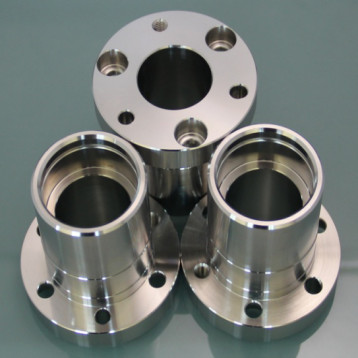
High-precision stainless steel flange parts for industrial piping systems
4. How to Save Money on Your Stainless Steel Turning Job
I’ve helped over 150 clients optimize their stainless steel turning jobs, cutting their costs by 25% on average, and reducing lead times by 30%. Most of the changes are super simple, you just need to know what to adjust:
My Top Cost-Saving Tips:
- Pick the right grade: Don’t use 316 stainless if 304 will work for your application—it’s 20% more expensive!
- Loosen tolerances where you can: Only specify tight tolerances for the features that actually need them. Loosening a tolerance can cut your cost by 30% or more.
- Order more parts at once: Setup costs for stainless steel are high, so spreading that cost across more parts cuts your unit cost a lot.
- Use standard bar sizes: Custom bar sizes cost extra, so stick to standard diameters if you can.
- Work with an experienced shop: A shop that knows stainless steel will avoid mistakes and scrap, which saves you money in the long run.
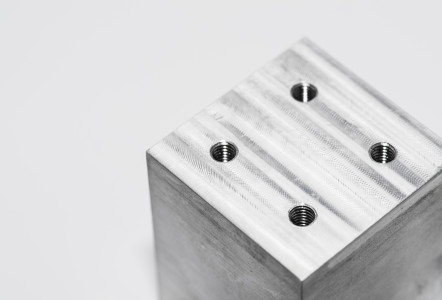
Smooth as-machined surface finish on a precision stainless steel part
Frequently Asked Questions
Can you do tight tolerances on stainless steel parts?
Yes! We can hold tolerances as tight as ±0.002mm for stainless steel turned parts, as long as that’s what you need for your application.
What’s the difference between 304 and 316 stainless steel?
316 has added molybdenum, which makes it more corrosion-resistant, especially against salt water and chemicals. It’s more expensive than 304, so it’s only used for applications that need that extra corrosion resistance.
How long does it take to get stainless steel turned parts?
For small prototype orders, we can usually turn them around in 3-5 business days. For larger production runs, it’s usually 2-4 weeks, depending on the part complexity.
Do you provide material certificates for stainless steel parts?
Yes! We can provide full material test reports (MTRs) for all stainless steel grades, which is required for medical, aerospace, and industrial applications.
Ready to Order Your Stainless Steel Turned Parts?
Stainless steel turning doesn’t have to be complicated or expensive. With the right shop, and the right design choices, you can get high-precision parts that meet your needs, without breaking the bank.
If you’re ready to get a free, no-obligation quote for your stainless steel turning job, send us your CAD file today. Our team of experts will review your design, help you pick the right material grade, and give you a full cost breakdown with lead time estimates.