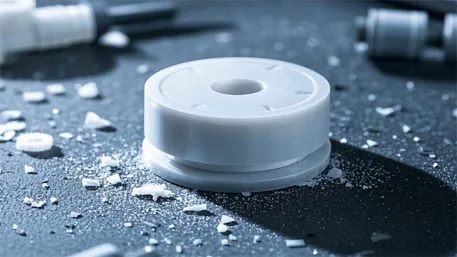
Expert Insights from 20 Years of CNC Machining Experience
What Is Zirconium Alloy
Zirconium is a lustrous, grey-white, strong transition metal that resembles titanium in many properties. When alloyed with other elements such as tin, niobium, and iron, it forms zirconium alloys that exhibit exceptional characteristics making them ideal for high-demand industrial applications.
Key Properties
- Excellent corrosion resistance comparable to titanium
- High temperature stability up to 500°C
- Extremely low neutron absorption
- Good mechanical properties at elevated temperatures
- Biocompatibility for medical applications
Having worked with zirconium alloys for over 20 years, I’ve seen firsthand how their unique combination of properties makes them indispensable in critical industries where reliability and performance are non-negotiable.
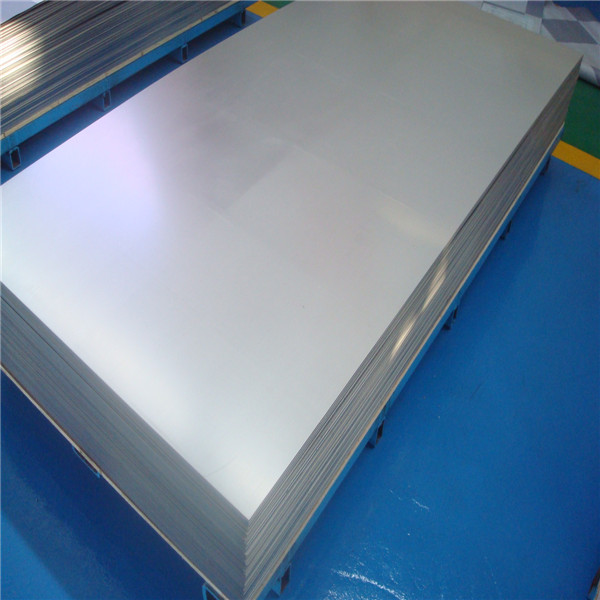
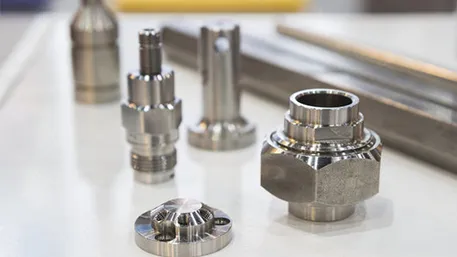
Zirconium alloy bars and sheets showing characteristic metallic luster
Common Zirconium Alloys for CNC Machining
| Alloy Grade | Description | Key Applications | ASTM Standard |
|---|---|---|---|
| Zirconium 702 (R60702) | Commercial pure zirconium with hafnium content ≤ 4.5% | Chemical processing equipment, heat exchangers, pumps | ASTM B550, ASTM B493 |
| Zirconium 704 (R60704) | Higher strength zirconium-tin alloy | Nuclear reactor components, pressure vessels | ASTM B351, ASTM B811 |
| Zircaloy | Nuclear reactor grade zirconium-tin-iron alloy | Nuclear fuel cladding, reactor core components | ASTM B811, ASME SB-811 |
| Zr-Nb alloy (R60705) | Improved mechanical properties zirconium-niobium alloy | Advanced nuclear reactors, medical implants | ASTM B550, ASTM B493 |
Industry Standard Requirements
All zirconium alloys used in critical applications must meet strict ASTM and ASME standards. For nuclear applications, ASTM B351/B351M specifies requirements for hot-rolled and cold-finished zirconium bars, rods, and wires, while ASTM B811 covers seamless tubes for nuclear fuel cladding.
CNC Machining Processes for Zirconium Parts
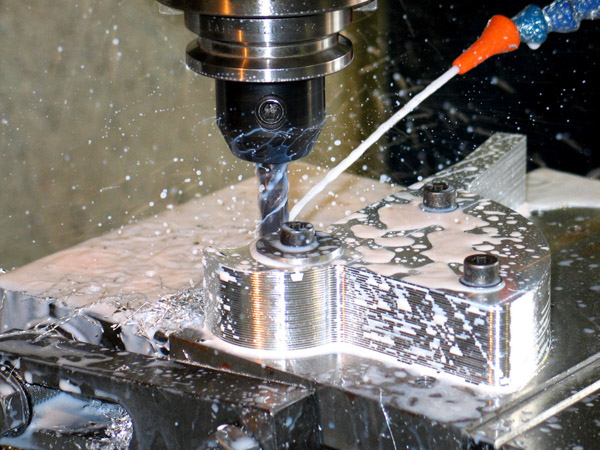
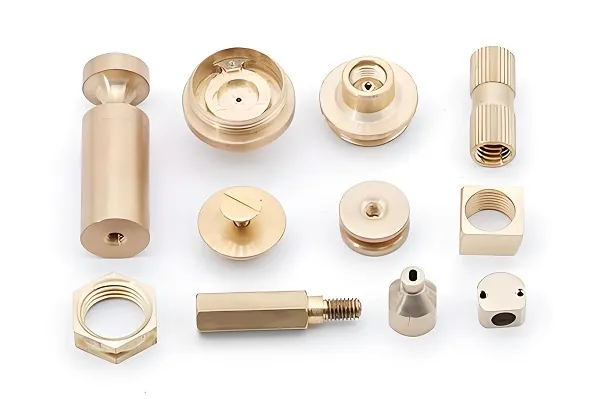
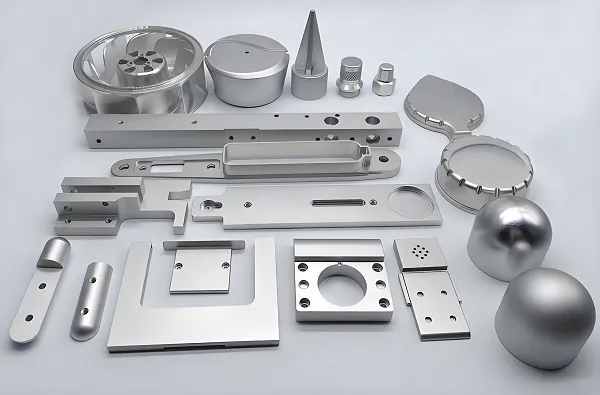
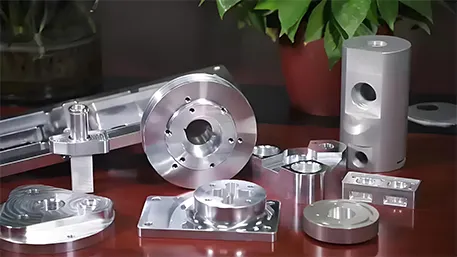
Precision CNC machining of zirconium alloy components
Primary Machining Processes
CNC Turning
Ideal for producing cylindrical components such as shafts, valves, fittings, and fasteners. Zirconium alloys require low cutting speeds and high feed rates to minimize work hardening.
CNC Milling
Used for manufacturing complex shapes including impellers, housings, custom brackets, and structural components. Climb milling is recommended to reduce tool wear.
Grinding & Drilling
Precision grinding is essential for achieving tight tolerances and smooth surface finishes. Drilling requires specialized tooling and coolant systems to prevent heat buildup.
Optimal Machining Parameters
| Process | Cutting Speed (SFPM) | Feed Rate (ipr) | Depth of Cut (in) | Coolant |
|---|---|---|---|---|
| Turning (rough) | 150-250 | 0.010-0.020 | 0.125-0.250 | Flood soluble oil |
| Turning (finish) | 200-300 | 0.005-0.010 | 0.015-0.030 | Flood soluble oil |
| Milling (rough) | 150-200 | 0.005-0.010 per tooth | 0.100-0.200 | Flood soluble oil |
| Drilling | 50-100 | 0.003-0.008 per revolution | Through hole | Peck drilling with coolant |
*Parameters based on 20 years of operational experience with zirconium alloys. Actual values may vary depending on specific alloy grade and machine capabilities.
Machining Challenges of Zirconium Alloys
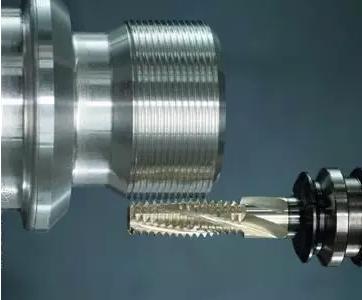
Tool wear comparison after machining zirconium alloys
Key Challenges & Solutions
1. Heat Control
Zirconium has low thermal conductivity (22.6 W/m·K at 20°C), causing heat to concentrate in the cutting zone. This requires flood coolant systems with high flow rates to maintain temperature control.
2. Tool Wear
The hard oxide layer (ZrO2) on zirconium surfaces is highly abrasive, leading to accelerated tool wear. We recommend using carbide tools with TiN or TiCN coatings for extended tool life.
3. Chip Control
Zirconium produces long, continuous chips that can wrap around tools and workpieces. Proper chip breakers and optimized feed rates are essential for safe and efficient machining.
4. Work Hardening
Zirconium alloys exhibit significant work hardening during machining. Light cuts and sharp tools help minimize this effect and maintain dimensional accuracy.
Critical Safety Note
Zirconium powder is highly flammable and can form explosive mixtures with air. Proper ventilation and dust collection systems are mandatory when machining zirconium alloys to prevent fire hazards.
Best Cutting Tools for Zirconium Machining
Tool Material Selection
Carbide Tools
- Recommended for all primary machining operations
- Grade K10-K20 for turning applications
- Grade P10-P20 for milling applications
- Provides excellent wear resistance
Coated Tools
- TiN (Titanium Nitride) coatings for general use
- TiCN (Titanium Carbonitride) for improved hardness
- TiAlN (Titanium Aluminum Nitride) for high-temperature applications
- Extends tool life by 200-300%
Tool Geometry Recommendations
| Operation | Rake Angle | Relief Angle | Nose Radius | Tool Style |
|---|---|---|---|---|
| Turning (rough) | 5-10° positive | 7-10° | 1/64-1/32 in | Square or diamond |
| Turning (finish) | 10-15° positive | 7-10° | 1/32-1/16 in | Round or diamond |
| Milling | 12-15° radial | 10-12° | 0.5-1.0 mm | High spiral flute |
Applications of Zirconium Machined Parts
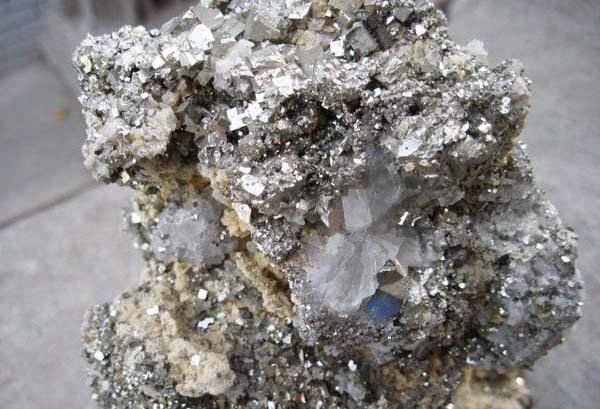
Nuclear Industry
Zirconium alloys are the material of choice for nuclear reactor components due to their extremely low neutron absorption (0.18 barns for natural zirconium). Key applications include:
- Nuclear fuel cladding tubes
- Reactor core components
- Control rod guide tubes
- Reactor pressure vessel internals
We’ve worked on numerous nuclear projects where zirconium components had to meet strict ASME BPVC Section II requirements for material integrity and performance.
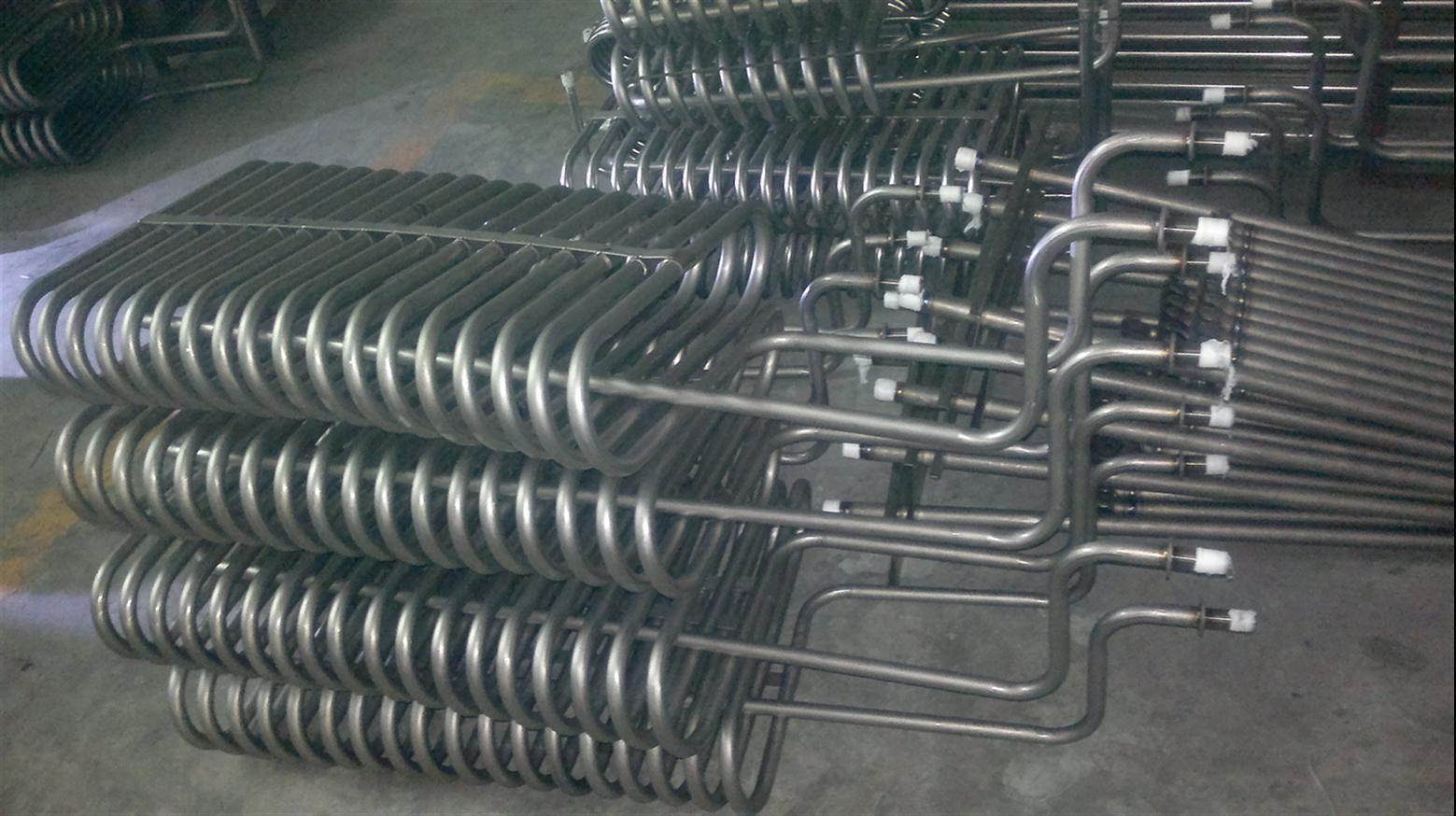
Chemical Processing
Zirconium’s exceptional corrosion resistance makes it ideal for handling aggressive chemicals and high-temperature environments. Common applications include:
- Heat exchangers and condensers
- Pump impellers and valves
- Reactor vessels and columns
- Corrosion-resistant fasteners
Zirconium 702 is particularly popular in chemical processing due to its excellent resistance to acids, including hydrochloric, sulfuric, and nitric acids.
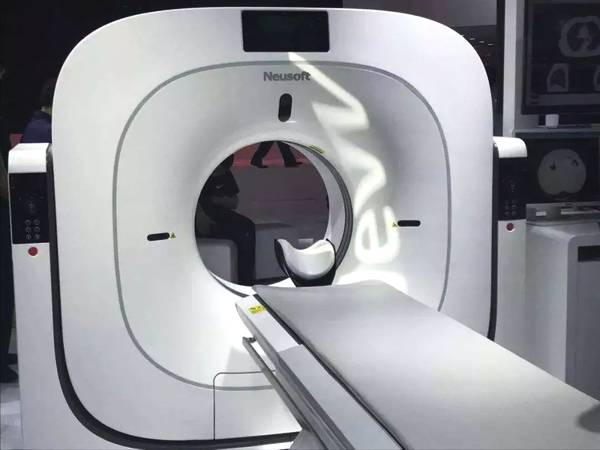
Medical Equipment
Zirconium’s biocompatibility and corrosion resistance make it suitable for medical implants and surgical instruments. Key applications include:
- Dental implants and abutments
- Orthopedic implants
- Surgical tools and instruments
- Medical device components
Zirconia ceramics, derived from zirconium oxide, are widely used in dental applications due to their excellent aesthetics and biocompatibility.

Aerospace
Zirconium alloys are used in aerospace applications where high temperature stability and corrosion resistance are required. Typical components include:
- Turbine blades and vanes
- High-temperature structural components
- Jet engine parts
- Aerospace fasteners
Zirconium’s high strength-to-weight ratio makes it an attractive alternative to titanium in certain aerospace applications.
Zirconium vs Titanium vs Stainless Steel
When selecting materials for critical applications, it’s important to compare zirconium with other commonly used metals. Here’s a detailed comparison based on key performance metrics:
| Property | Zirconium Alloy | Titanium Alloy (Ti-6Al-4V) | Stainless Steel (316L) |
|---|---|---|---|
| Corrosion Resistance | Excellent | Good | Moderate |
| Machinability | Difficult | Moderate | Good |
| Tensile Strength (MPa) | 380-550 | 895 | 485 |
| Yield Strength (MPa) | 240-400 | 827 | 170 |
| Thermal Conductivity (W/m·K) | 22.6 | 7.5 | 16.3 |
| Density (g/cm³) | 6.51 | 4.43 | 8.0 |
| Neutron Absorption (barns) | 0.18 | 5.8 | 2.3 |
| Relative Cost | Very High | High | Moderate |
Key Takeaways
- Zirconium offers superior corrosion resistance compared to titanium and stainless steel
- Zirconium has the lowest neutron absorption, making it ideal for nuclear applications
- Titanium provides higher strength-to-weight ratio but at a lower cost than zirconium
- Stainless steel is the most cost-effective but offers the lowest corrosion resistance
Zirconium Machining Parameter Guide
Based on our 20 years of experience machining zirconium alloys, we’ve developed a comprehensive parameter guide to help achieve optimal results. These parameters are based on extensive testing and real-world applications.
Experimental Data: Tool Life vs Cutting Speed
| Cutting Speed (m/min) | Tool Life (minutes) | Surface Roughness (Ra, μm) | Power Consumption (kW) |
|---|---|---|---|
| 50 | 125 | 0.8 | 2.1 |
| 100 | 85 | 0.9 | 2.8 |
| 150 | 45 | 1.2 | 3.5 |
| 200 | 25 | 1.8 | 4.2 |
| 250 | 12 | 2.5 | 5.1 |
*Test conditions: Zirconium 702, carbide tool with TiN coating, feed rate 0.1 mm/rev, depth of cut 1.0 mm, flood coolant. Results may vary depending on specific machine setup and tool geometry.
Recommended Operating Parameters
Rough Machining
- Cutting speed: 50-100 m/min
- Feed rate: 0.10-0.15 mm/rev
- Depth of cut: 1.0-2.0 mm
- Coolant: Flood, 10-15% soluble oil
Finish Machining
- Cutting speed: 100-150 m/min
- Feed rate: 0.05-0.10 mm/rev
- Depth of cut: 0.2-0.5 mm
- Coolant: Flood, 15-20% soluble oil
How to Choose a Zirconium Machining Supplier
Selecting the right zirconium machining supplier is critical for ensuring quality, reliability, and compliance with industry standards. Based on our experience working with clients across various industries, here are the key factors to consider:
Technical Expertise
- Experience with exotic metals and zirconium alloys
- Knowledge of ASTM and ASME standards for critical applications
- Understanding of specialized machining techniques for zirconium
- Ability to handle complex geometries and tight tolerances
Quality Assurance
- ISO 9001 certification
- NADCAP accreditation for aerospace applications
- ASME U stamp for pressure vessel components
- Complete traceability of materials and processes
Facility & Equipment
- Modern CNC machines with high precision capabilities
- Specialized tooling and coolant systems for zirconium
- Environmental controls for temperature and humidity
- Dust collection systems for safety
Customer Support
- Engineering support for design optimization
- Prototyping capabilities for new projects
- On-time delivery performance
- Post-delivery technical support
Pro Tip
When evaluating potential suppliers, ask for case studies or references from similar industries. A supplier with experience in nuclear or chemical processing will have the specialized knowledge needed for successful zirconium machining projects.
Real Industrial Case Study
Chemical Pump Impeller Machining Project
Project Overview
A leading chemical processing company approached us with a challenging project to manufacture zirconium 702 pump impellers for handling highly corrosive hydrochloric acid solutions. The project required:
- Complex 5-axis geometry with tight tolerances (±0.01 mm)
- Smooth surface finish (Ra ≤ 0.4 μm) to prevent corrosion
- Compliance with ASTM B550 and ASME SB-550 standards
- Delivery within 8 weeks
Challenges & Solutions
The main challenges included controlling work hardening during machining and achieving the required surface finish. We implemented several specialized techniques:
- Used high-speed carbide tools with TiCN coatings
- Implemented climb milling strategy to reduce tool wear
- Utilized high-pressure coolant system (100 bar) for heat control
- Developed custom finishing process using abrasive flow machining
Results
We successfully delivered all 24 impellers on time and within budget. The components passed all quality inspections and performed flawlessly in the customer’s aggressive chemical environment. The project resulted in a long-term partnership with the customer for ongoing maintenance and replacement parts.
Key Metrics
- Material: Zirconium 702 (ASTM B550)
- Dimensions: 250 mm diameter, 80 mm height
- Tolerance: ±0.01 mm
- Surface Finish: Ra 0.3 μm
- Production Time: 6 weeks
- Cost Savings: 15% compared to original supplier