Introduction
CNC (Computer Numerical Control) metal engraving technology represents the pinnacle of modern manufacturing precision. This advanced process combines computer control systems with mechanical engineering to achieve unparalleled accuracy in metalworking. As industries demand increasingly complex and precise components, CNC metal engraving has emerged as a cornerstone technology in aerospace, automotive, electronics, medical device manufacturing, and beyond.
This comprehensive guide explores the fundamental principles, technical features, practical applications, and future trends of CNC metal engraving technology. Whether you’re a manufacturing professional, engineering student, or technology enthusiast, this article provides valuable insights into this transformative manufacturing process.
1. CNC Metal Engraving Overview
Definition and Core Concepts
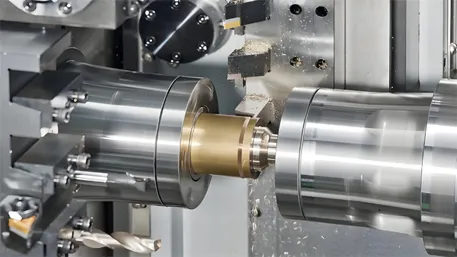
CNC metal engraving is a precision machining process that utilizes computer numerical control technology to automate cutting tools for engraving, milling, and shaping operations on metal surfaces. Unlike traditional manual or mechanical engraving methods, CNC technology enables highly accurate, repeatable, and efficient metalworking.

Key Technical Advantages
High Precision Control
CNC metal engraving achieves micron-level precision with tolerances typically less than 0.01mm. This level of accuracy is essential for manufacturing components that require exacting specifications and tight tolerances.
Automated Operation
The automated nature of CNC systems eliminates the need for constant human intervention. Once programmed, the machine can operate continuously without manual adjustment, significantly reducing labor costs and human error.
Strong Repeatability
One of the most significant advantages of CNC technology is its exceptional repeatability. The same program can produce identical results across multiple workpieces, ensuring consistency in mass production.
High Efficiency Production
CNC machines can operate 24 hours a day with minimal supervision, increasing production efficiency by 5-10 times compared to traditional methods. This continuous operation capability dramatically reduces manufacturing lead times.
Complex Shape Processing
CNC metal engraving excels at creating intricate 3D surfaces and complex contours that would be impossible or impractical to achieve with conventional methods. The multi-axis control systems enable machining of geometrically sophisticated components.
2. Process Principles and Technical Features
Working Principles of CNC Engraving
Digital Command Input
The foundation of CNC technology lies in its ability to interpret and execute G-code instructions. G-code is an international standard programming language that defines tool paths, speeds, feed rates, and other critical machining parameters.
Multi-axis Coordinated Control
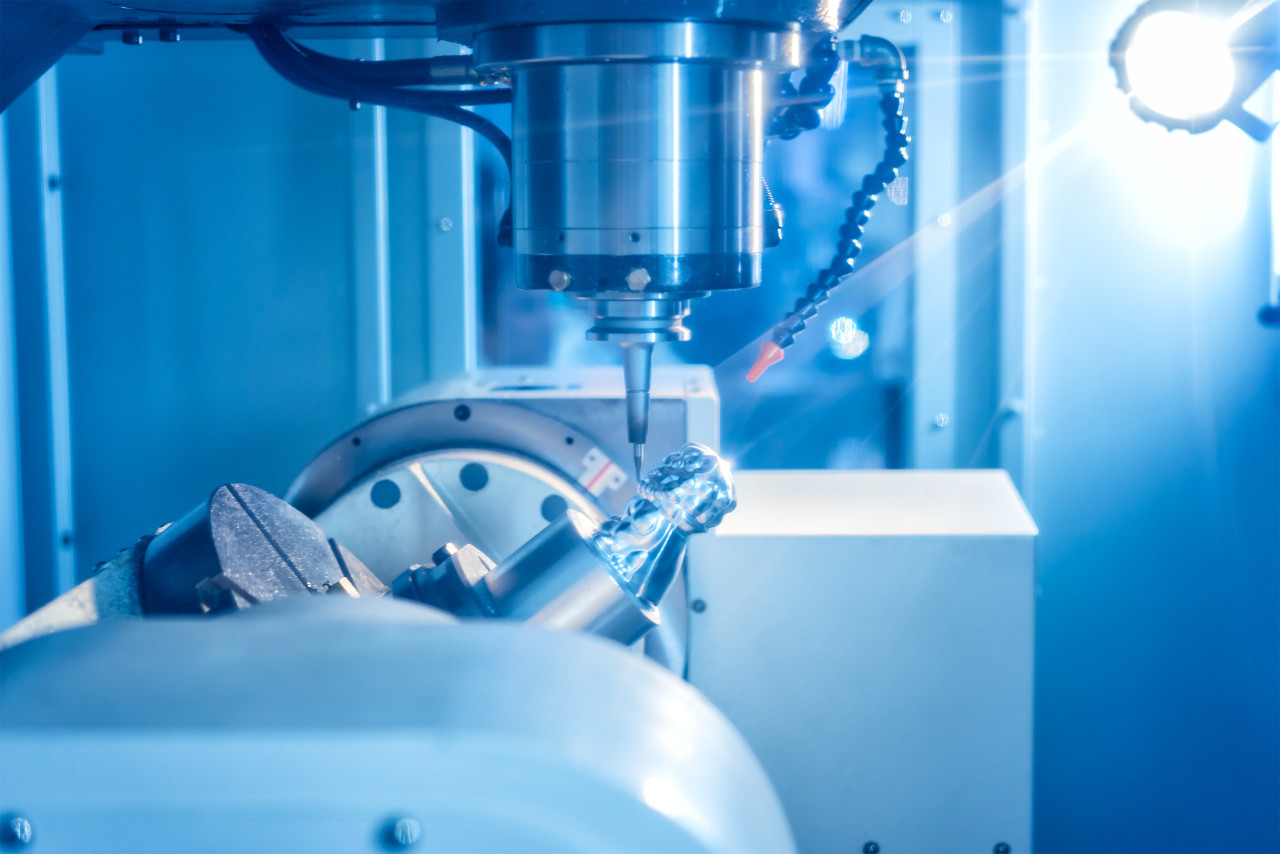
Modern CNC engraving machines typically feature X, Y, and Z linear axes, with advanced systems incorporating rotational and tilting axes. This multi-axis coordination enables the creation of complex 3D geometries with exceptional precision.
Tool Path Planning
Sophisticated algorithms optimize cutting paths to minimize travel time, reduce tool wear, and enhance surface finish quality. These intelligent path planning systems significantly improve overall machining efficiency.
High Precision Control Features
Micron-level Accuracy
CNC metal engraving systems achieve core positioning accuracy ranging from 0.002mm to 0.01mm, enabling the production of components with extremely tight tolerances.
Closed-loop Feedback Systems
Advanced CNC machines incorporate real-time monitoring and dynamic error compensation systems. These closed-loop systems continuously adjust for mechanical imperfections and thermal expansion, ensuring consistent accuracy throughout the machining process.
High-speed Spindles
Modern CNC engraving machines feature high-speed spindles capable of reaching up to 20,000 RPM, enabling faster material removal rates while maintaining surface finish quality.
CAD/CAM Technology Applications
3D Model Design
Computer-Aided Design (CAD) software creates precise digital 3D models that serve as the foundation for the machining process. Popular CAD platforms include SolidWorks, AutoCAD, Fusion 360, and CATIA.
Tool Path Generation
Computer-Aided Manufacturing (CAM) software automatically calculates and generates optimized tool paths based on the CAD model. This software considers material properties, tool characteristics, and machine capabilities to develop efficient machining strategies.
Simulation Verification
Virtual machining simulations allow operators to preview the entire manufacturing process before physical production begins. This capability helps identify potential issues and optimize processes before committing to actual production.
3. Material Selection and Applications
Aluminum Alloys
Material Properties
- Density: 2.7 g/cm³
- Machinability: Excellent
- Cost: Relatively low

Applications
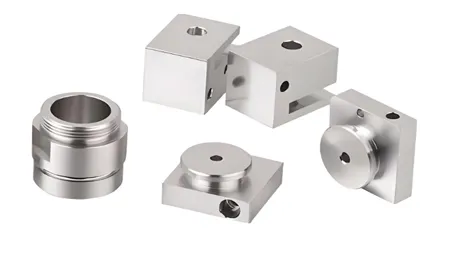
Aluminum alloys are widely used in electronics, aerospace, and automotive industries due to their lightweight properties and excellent machinability. Their high strength-to-weight ratio makes them ideal for components requiring both structural integrity and reduced weight.
Surface Treatment Options
Aluminum’s versatility allows for various surface treatments including anodizing, powder coating, and polishing, making it suitable for both functional and decorative applications.
Copper Alloys
Material Properties
- Density: 8.9 g/cm³
- Conductivity: Excellent
- Cost: Medium
Applications
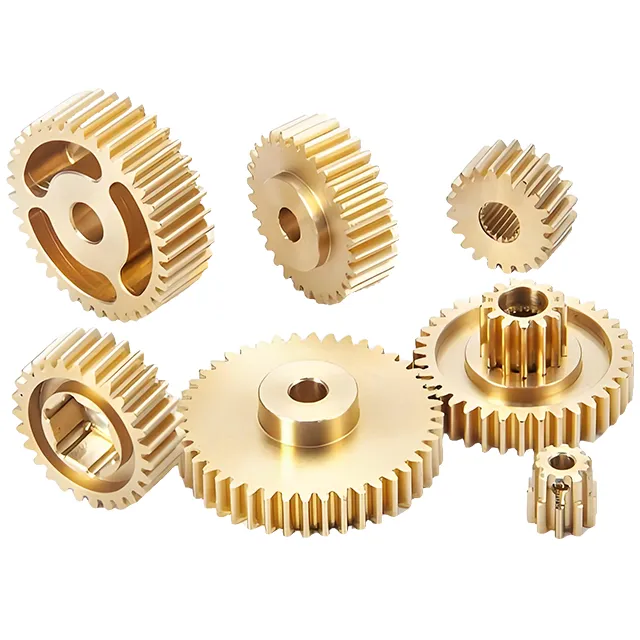
Copper alloys are preferred for electrical components and decorative items due to their superior electrical conductivity and attractive surface finish. They are commonly used in heat exchangers, electrical contacts, and architectural elements.
Steel
Material Properties
- Density: 7.8 g/cm³
- Strength: High
- Cost: Medium
Applications
Steel is valued for its high strength and durability, making it suitable for structural components, tooling, and machinery parts. However, its higher hardness requires more robust cutting tools and specialized machining parameters.
Titanium Alloys
Material Properties
- Density: 4.5 g/cm³
- Temperature Resistance: Extremely high
- Cost: High
Applications
Titanium alloys excel in aerospace and medical applications where high strength, lightweight properties, and corrosion resistance are critical. Their biocompatibility makes them ideal for surgical implants and medical devices.
Material Selection Guidelines
Mass Production
For high-volume manufacturing, aluminum alloys are typically preferred due to their excellent machinability and lower material costs.
High Precision Requirements
Titanium alloys and stainless steels are recommended for applications requiring exceptional dimensional stability and precision.
Decorative Applications
Copper alloys and aluminum are ideal for decorative purposes due to their aesthetic appeal and versatile surface treatment options.
Special Environment Applications
Stainless steels and titanium alloys are suitable for harsh environments due to their superior corrosion resistance.
4. Tool Selection and Management
Tool Type Selection
Flat-end Mills
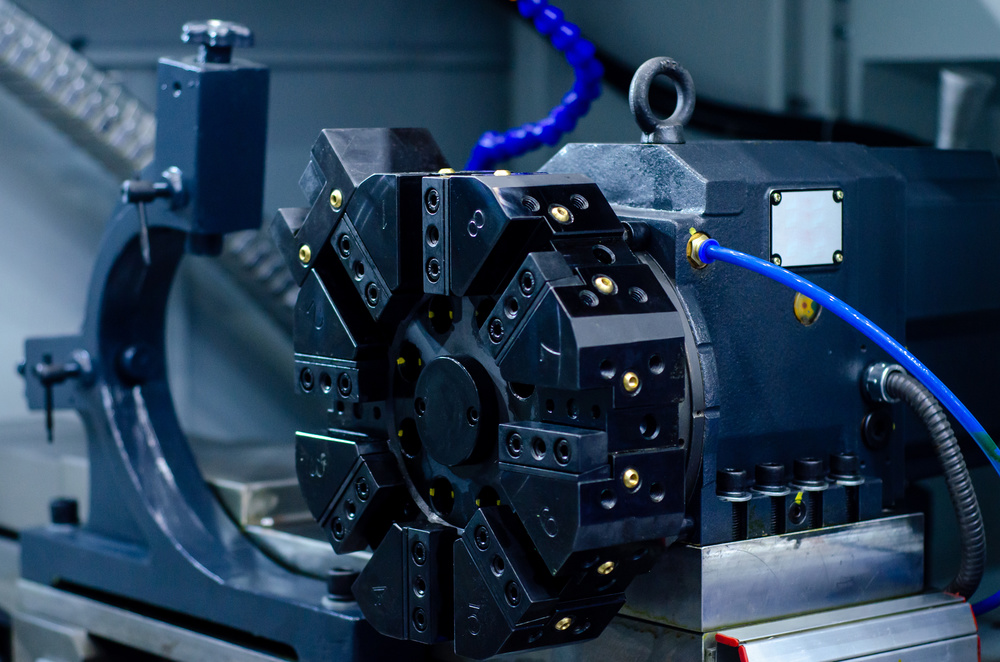
Flat-end mills are the most versatile tool type, suitable for face milling, slotting, and profile machining. Their flat cutting surface makes them ideal for creating flat surfaces and sharp corners.
Ball-end Mills
Ball-end mills feature a spherical cutting surface that excels at 3D contouring and surface finishing. They produce smooth surface transitions and are essential for complex curved geometries.
V-shaped Cutters
V-shaped cutters utilize conical cutting edges for detailed engraving and texturing applications. They are particularly effective for creating decorative patterns and precise lettering.
Tool Material Characteristics
High-Speed Steel (HSS)
- Hardness: Medium
- Toughness: Excellent
- Cost: Low
HSS tools are suitable for general-purpose machining of softer materials and offer good toughness for interrupted cuts.
Carbide
- Hardness: High
- Wear Resistance: Excellent
- Cost: Medium
Carbide tools provide superior performance for machining harder materials and offer significantly longer tool life compared to HSS.
Super-hard Materials
- Hardness: Extremely high
- Tool Life: Exceptionally long
- Cost: High
Super-hard materials including ceramics and diamond-coated tools are used for specialized applications requiring maximum tool life and performance.
Tool Life Management
Wear Monitoring
Key indicators of tool wear include:
- Unusual machining sounds
- Deteriorating surface quality
- Increased cutting forces
- Dimensional inaccuracies
Maintenance and Care
- Regular tool cleaning
- Checking for tool runout
- Proper tool holder lubrication
- Timely replacement of worn components
Life Prediction
Tool life can be predicted based on:
- Machining time
- Material type
- Cutting parameters
- Historical performance data
Selection Considerations
Material Characteristics
Tool selection must consider the hardness, toughness, and thermal properties of the workpiece material.
Machining Requirements
Precision requirements, surface finish specifications, and production efficiency goals influence tool selection.
Cost-effectiveness
Balancing tool costs with machining efficiency is essential for optimizing production economics.
Equipment Compatibility
Ensuring compatibility between tools and machine tool holder systems is critical for achieving accurate results.
5. Processing Flow and Steps
Preparation Stage
CAD Design
The first step involves creating a precise 3D model using CAD software. This digital representation defines the component’s geometry, dimensions, and tolerances.
CAM Programming
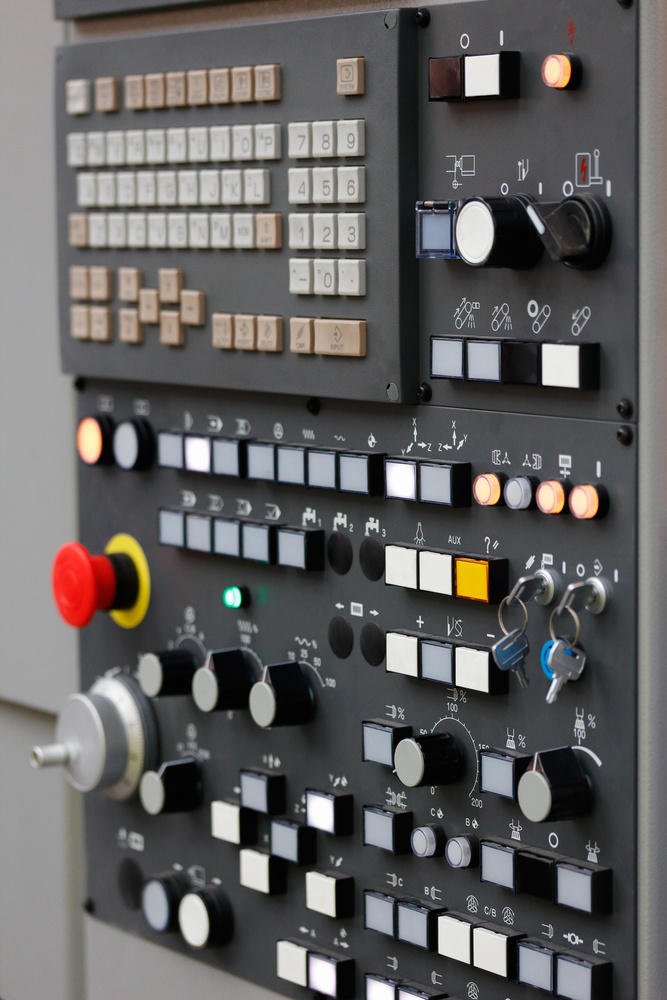
CAM software generates optimized tool paths based on the CAD model. This stage involves selecting appropriate cutting tools, defining machining strategies, and setting cutting parameters.
Material Preparation
Workpiece materials are selected, cut to size, and prepared for machining. Proper material handling and storage are essential to maintain material properties and prevent contamination.
Tooling and Fixturing
Specialized fixtures are designed and prepared to securely hold the workpiece during machining. Proper fixturing ensures stability and accuracy throughout the process.
Machining Stage
Roughing
The roughing operation quickly removes excess material to establish the basic component shape. This stage prioritizes material removal rate over surface finish quality.
Semi-finishing
Semi-finishing operations refine the component geometry and prepare surfaces for the final finishing pass. This stage balances material removal rate with surface quality.
Finishing
The finishing operation achieves the final dimensional accuracy and surface finish requirements. This stage uses 精细 cutting parameters to produce the highest quality results.
In-process Inspection
Real-time quality monitoring systems continuously check dimensions and surface quality during machining, allowing for immediate adjustments if deviations are detected.
Post-processing Stage
Deburring
Removing burrs and sharp edges from machined components improves safety, functionality, and aesthetic appearance.
Cleaning
Thorough cleaning removes cutting fluids, chips, and contaminants from the finished components.
Quality Inspection
Comprehensive inspection verifies dimensional accuracy, surface finish, and overall quality against specifications.
Surface Treatment
Final surface treatments such as polishing, coating, or heat treatment enhance component performance and appearance.
Quality Control Key Points
Precision Control
Maintaining micron-level accuracy throughout the manufacturing process.
Quality Assurance
Implementing comprehensive monitoring systems to ensure consistent quality.
Efficiency Optimization
Continuously refining parameters to maximize production efficiency.
Safety Protection
Adhering to strict operational procedures to ensure workplace safety.
6. Design and Programming
CAD Design Software Selection
SolidWorks
SolidWorks is a powerful mechanical design software offering advanced features for complex part design and assembly modeling. Its intuitive interface and extensive toolset make it a popular choice for mechanical engineers.

AutoCAD
AutoCAD is the industry standard for 2D drafting and design. Its precision and versatility have made it a staple in engineering and architecture for decades.
Fusion 360
Fusion 360 is a cloud-based platform that integrates CAD, CAM, and CAE capabilities. Its collaborative features and accessibility make it ideal for modern design teams.
CATIA
CATIA is a high-end design software primarily used in aerospace and automotive industries for complex surface modeling and system integration.
Design Considerations
Precision Requirements
- Accurate tolerance specifications
- Appropriate clearance allowances
- Ensuring manufacturability
Structural Optimization
- Avoiding excessively thin walls
- Implementing proper ribbing and support structures
- Enhancing structural integrity
Manufacturability
- Considering machining feasibility
- Avoiding overly complex geometries
- Minimizing machining difficulty
Material Properties
- Selecting appropriate design parameters based on material characteristics
- Accounting for thermal expansion and other material behaviors
CAM Programming Essentials
Tool Path Planning
Optimizing tool paths to minimize travel time and improve machining efficiency.
Layered Machining
Implementing roughing, semi-finishing, and finishing strategies to balance efficiency and quality.
Cutting Parameters
Setting appropriate spindle speeds, feed rates, and depth of cut based on material and tool characteristics.
Safety Heights
Establishing proper clearance distances to prevent tool collisions with the workpiece or fixtures.
Technical Workflow
The standard workflow for CNC machining follows:
- CAD Design → 2. CAM Programming → 3. Machine Machining
This integrated approach ensures seamless transition from design concept to physical component.
7. Common Problems and Solutions
Over-travel Alarms
Symptoms
Sudden machine stoppage with over-travel error messages displayed on the control panel.
Possible Causes
- Program errors: Machining paths exceeding machine travel limits
- Limit switch malfunctions: Hardware failures causing false alarms
- Coordinate system setup errors: Incorrect workpiece coordinate origin
Solutions
- Program path verification: Confirm that machining paths stay within machine travel limits
- Limit switch testing: Verify the functionality of all limit switches
- Coordinate system re-establishment: Correctly set workpiece coordinate origins
- Soft limit adjustments: Modify soft limit parameters based on actual requirements
Tool Wear and Breakage
Symptoms
Deteriorating surface quality, increased dimensional inaccuracies, and unusual machining sounds.
Possible Causes
- Inappropriate cutting parameters: Incorrect spindle speeds, feed rates, or depth of cut
- Inadequate cooling: Insufficient coolant flow or improper coolant selection
- Excessive material hardness: Workpiece material hardness exceeding tool capabilities
Solutions
- Cutting parameter optimization: Set appropriate spindle speeds, feed rates, and depth of cut
- Coolant system verification: Ensure proper coolant flow and selection
- Tool selection: Choose appropriate tool materials and coatings based on workpiece material
- Regular inspections: Periodically check tool wear and replace worn tools promptly
Machining Accuracy Issues
Symptoms
Dimensional deviations, poor surface finish, and geometric distortion.
Possible Causes
- Machine accuracy degradation: Reduced geometric accuracy due to prolonged use
- Tool runout: Excessive tool holder runout affecting cutting performance
- Material deformation: Thermal distortion or stress relief during machining
Solutions
- Machine accuracy verification: Check machine geometric accuracy and repeatability
- Tool installation: Ensure proper tool installation and minimal runout
- Material deformation considerations: Implement strategies to minimize material distortion
- Machining strategy optimization: Adopt appropriate machining strategies and parameters
Preventive Measures
Daily Maintenance
- Regular cleaning and calibration
- Lubrication system checks
- Component inspection and replacement
Operational Procedures
- Strict adherence to operating protocols
- Comprehensive training programs
- Documentation and record-keeping
Quality Monitoring
- Implementing inspection systems
- Statistical process control
- Continuous improvement initiatives
8. Technical Differences and Comparisons
Rotary Engraving
Technical Characteristics
- Rotary cutting tools: High-speed cutting (8,000-24,000 RPM)
- Cutting depth: 0.5-3 mm
- Material compatibility: Suitable for various metal materials
Core Advantages
- Low cost: High equipment penetration rate
- Deep engraving: Long-lasting machining results
Main Disadvantages
- Rapid wear: Frequent tool replacement required
- Slower speed: Relatively lower machining efficiency
Laser Engraving
Technical Characteristics
- Non-contact processing: Laser beam thermal sublimation
- High precision: Micron-level machining capability
- Fast speed: No tool change required
Core Advantages
- High efficiency: Optimal speed and precision balance
- Environmentally friendly: No tool maintenance requirements
Main Disadvantages
- High cost: Significant equipment investment
- Shallow engraving: Material selectivity limitations
Diamond Drag Engraving
Technical Characteristics
- Drag scraping: Diamond-tipped tools
- Ultra-high hardness: Non-rotational machining
- High precision: Excellent control accuracy
Core Advantages
- Long tool life: Low operating costs
- High quality: Suitable for hard metals
Main Disadvantages
- Shallow engraving: Slower machining speed
- Limited applications: Highly specialized equipment
Technical Comparison Summary
|
Comparison Dimension
|
Rotary Engraving
|
Laser Engraving
|
Diamond Engraving
|
|
Efficiency Comparison
|
Medium efficiency
|
Most efficient
|
Lower efficiency
|
|
Cost Comparison
|
Low investment cost
|
High investment cost
|
Low maintenance cost
|
|
Precision Comparison
|
Medium precision
|
Highest precision
|
High precision
|
|
Selection Recommendation
|
Economical and practical
|
High efficiency and precision
|
Fine hard metal applications
|
9. Application Fields and Cases
Aerospace Industry
Application Cases
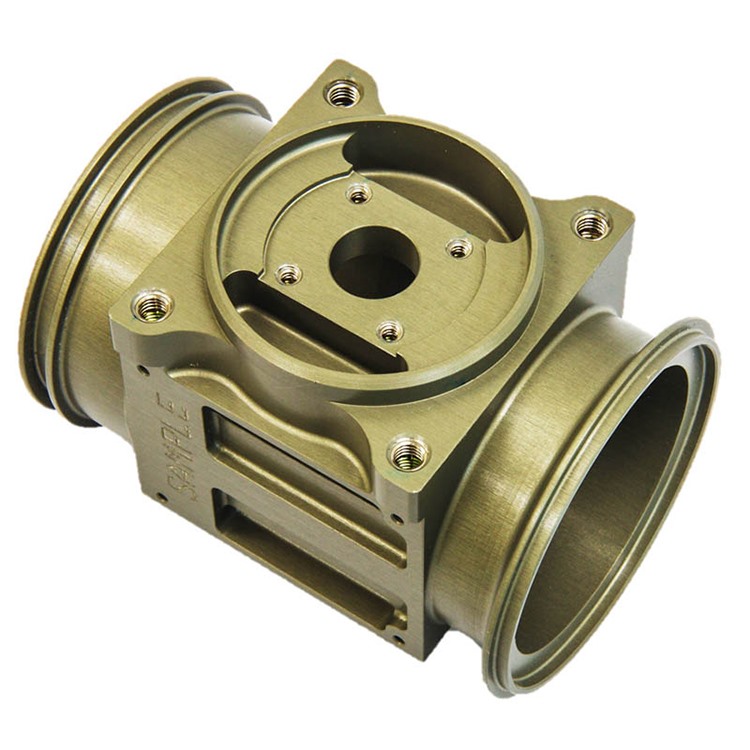
- Titanium alloy aerospace components: Aircraft structural parts, engine blades
- Engine components: Combustion chambers, turbine blades
- Satellite precision structures: Antenna mounts, optical systems
Technical Requirements
- High-temperature materials: Titanium alloys, high-temperature alloys
- Complex surfaces: 3D contoured structure machining
- Lightweight design: Thin-walled structure machining
Electronics Manufacturing
Application Cases
- Mobile phone frame textures: Decorative texture engraving
- Camera modules: Microstructure machining
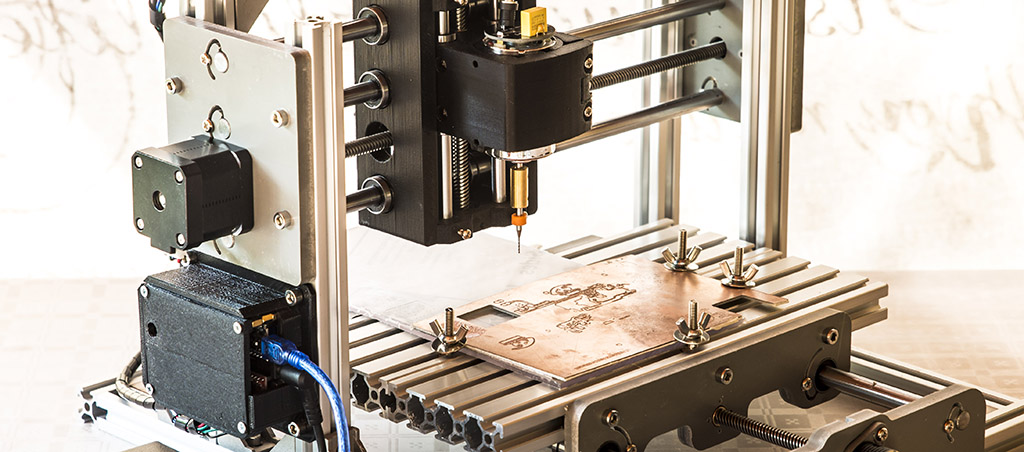
- Precision circuit boards: Conductive trace engraving
Technical Requirements
- Precision requirements: ±0.005 mm
- Materials: Aluminum alloys, stainless steels
- Surface finish: Ra 0.4 μm
Medical Equipment
Application Cases
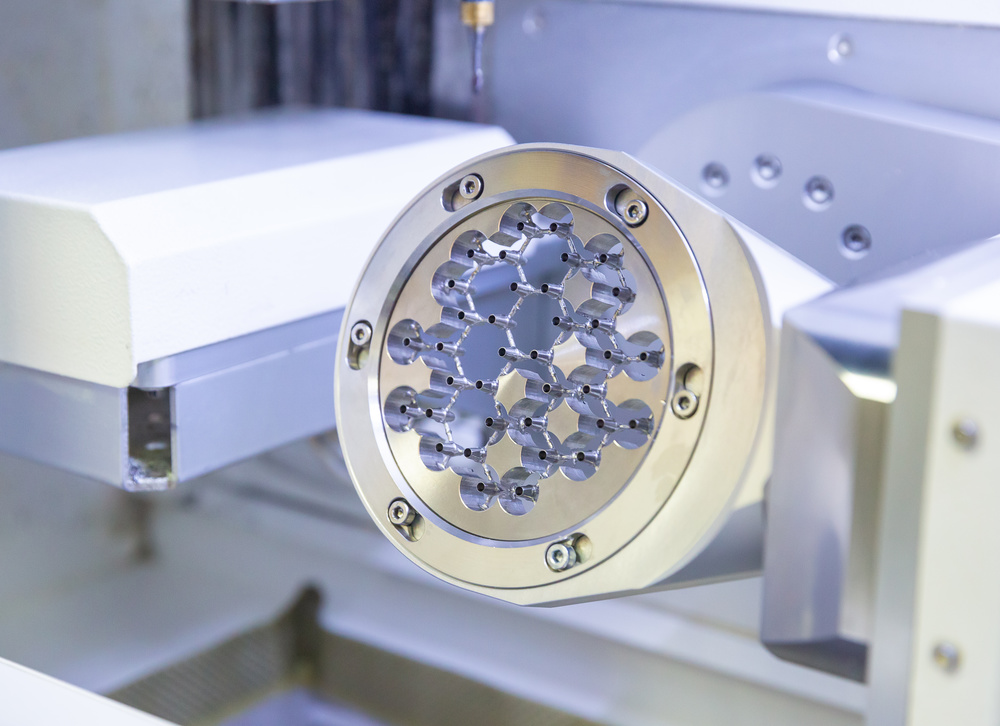
- Orthopedic implants: Artificial joints, spinal implants
- Surgical instruments: Micro-surgical tools
- Dental restorations: Dental implants, crowns
Technical Requirements
- Biocompatibility: Medical standard compliance
- Sterile processing: Clean environment requirements
- Ultra-high precision: Micron-level control
Other Application Fields
Mold Industry
- Injection molds
- Stamping dies
- Tooling components
Automotive Industry
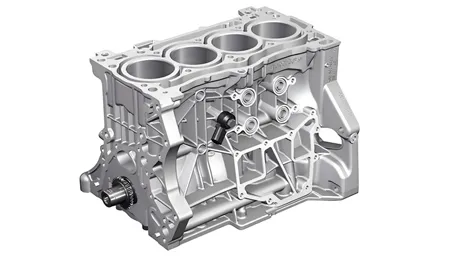
- Engine components
- Transmission parts
- Custom trim pieces
Jewelry Manufacturing
- Precious metal engraving
- Complex pattern creation
- Personalized designs
10. Development Trends and Outlook
High-Speed Precision Trends
CNC metal engraving technology is advancing toward higher speeds and greater precision, continuously pushing technological boundaries.
Spindle Speed
Breakthroughs exceeding 100,000 RPM significantly enhance machining efficiency and surface quality.
Positioning Accuracy
Achieving nanometer-level precision capabilities to meet ultra-precision machining requirements.
Machining Speed
3-5 times faster processing speeds shorten production cycles and increase throughput.
Surface Quality
Achieving mirror-like surface finishes reduces post-processing requirements.
Intelligent Automation Upgrades
The integration of artificial intelligence, IoT, and other new technologies is driving CNC machining toward intelligent, automated development.
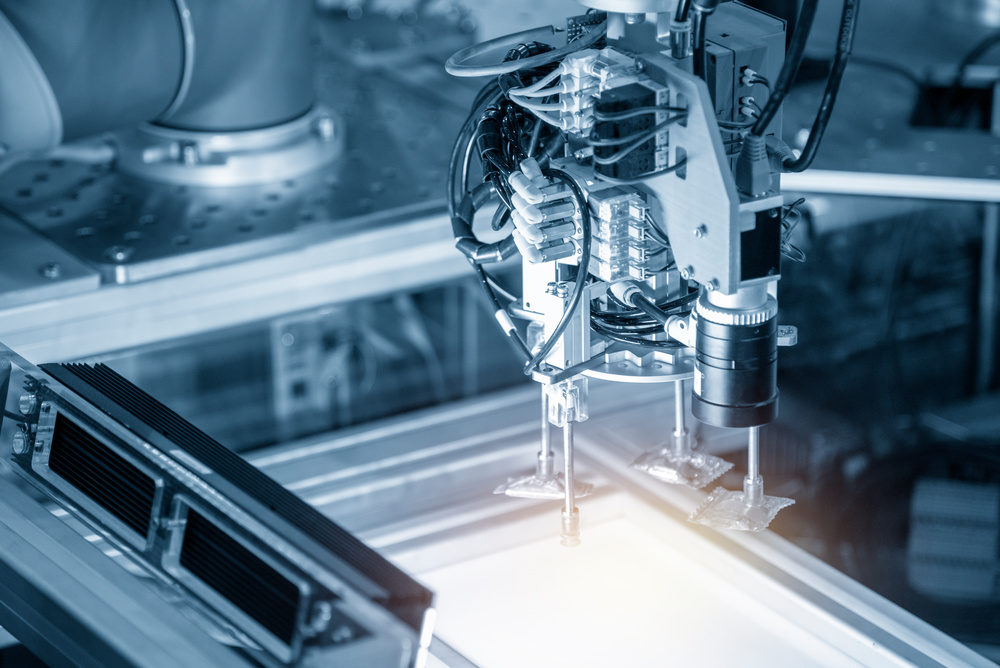
AI Intelligent Optimization
Automatic optimization of process parameters enhances machining quality and efficiency.
Automatic Tool Changing
Automatic tool replacement and detection systems reduce manual intervention.
Robotic Loading/Unloading
Implementing fully automated production workflows with robotic systems.
Cloud Monitoring
Remote data monitoring and analysis enable predictive maintenance capabilities.
New Material and Process Applications
The continuous emergence of new materials and development of new processes are driving continuous innovation in CNC machining technology.
Composite Materials
Precision machining of carbon fiber, ceramic matrix composites, and other advanced materials.
Ceramic-Metal Composites
Processing technologies for ceramic-metal composite structures.
Additive-Subtractive Hybrid Manufacturing
Combining 3D printing with CNC machining for hybrid manufacturing solutions.
Green Processes
Environmentally friendly machining processes reduce environmental impact.
Technology Integration Innovation
Digital Twin
Virtual and physical reality integration for digital factory implementations.
5G + Industrial Internet
Device connectivity and interoperability for smart manufacturing.
Edge Computing
Real-time control capabilities improve response times and system performance.
Blockchain
Quality traceability systems ensure product quality and authenticity.
Application Field Expansion
Biomedical Applications
Personalized customization of medical products and devices.
Micro-Nano Manufacturing
Technological breakthroughs in micro-nano scale structure machining.
Space Manufacturing
Development of manufacturing technologies for space environments.
Quantum Devices
Machining requirements for quantum technology-related components.
Sustainable Development
Energy Conservation and Emission Reduction Technologies
Reducing energy consumption and environmental pollution.
Circular Economy Models
Resource recycling and utilization to improve resource efficiency.
Green Manufacturing Processes
Environmentally friendly machining technologies for sustainable development.
Smart Manufacturing Ecosystems
Building comprehensive smart manufacturing industrial chains.
Future Development Timeline
- 2025: AI full automation, nanometer-level precision
- 2030: Digital twin, multi-technology integration
- 2035: Autonomous intelligence, space manufacturing
- 2040+: Quantum manufacturing, unlimited possibilities
11. Conclusion
Core Advantage Summary
CNC metal engraving technology offers high-precision machining, high-efficiency production, multi-functional applications, and sustainable development capabilities. These advantages have established it as a cornerstone technology in modern manufacturing, representing the future direction of advanced manufacturing.
Key Technical Points
Process Technology
- CAD/CAM digital design
- Multi-axis coordinated control technology
- High-speed spindle technology
- Precision tool technology
Material Selection
- Aluminum alloys: Lightweight, easy to machine
- Stainless steels: High strength, corrosion resistant
- Titanium alloys: High temperature resistant, high strength
- Copper alloys: Good conductivity, decorative
Quality Control
- In-process inspection and compensation
- Surface quality monitoring
- Dimensional accuracy assurance
- Process parameter optimization
Future Development Recommendations
Technology Upgrades
- Implementing AI intelligent optimization systems
- Upgrading high-speed spindle technology
- Developing automated loading/unloading systems
- Establishing digital factories
Talent Development
- Strengthening skill training systems
- Developing Versatile talents
- Establishing technical certification systems
- Promoting industry-academia-research cooperation models
Market Expansion
- Developing emerging application fields
- Providing customized solutions
- Establishing service network systems
- Promoting international development
Final Outlook
CNC metal engraving technology is advancing toward high-speed precision, intelligence, and green development. It will play a crucial role in manufacturing transformation and upgrading, contributing core technical capabilities to the smart manufacturing era.
As industries continue to demand higher precision, greater efficiency, and more sustainable manufacturing solutions, CNC metal engraving technology will remain at the forefront of innovation, driving progress across multiple sectors and shaping the future of manufacturing worldwide.
This comprehensive guide provides a detailed overview of CNC metal engraving technology, from fundamental principles to advanced applications. As technology continues to evolve, staying informed about these developments will be essential for professionals in the manufacturing industry.