XiaMen Goldcattle, with 26 years of precision manufacturing experience and ISO 9001:2000 certification, offers custom 3D printed auto bumper accessories. Serving global automotive clients in North America, Northern Europe, etc., our solutions use advanced 3D printing to cut weight, speed up development, and create complex shapes. Committed to “Quality, Efficiency, Integrity, and Service”, we provide full support, ensuring each accessory meets automotive durability, impact, and weather resistance standards.
Core 3D Printing Technologies for Auto Bumper Accessories
Auto bumper accessories (including brackets, mounting clips, reinforcement ribs, air deflectors, and custom trim pieces) demand a unique balance of strength, flexibility, and lightweight performance. We utilize three industry-leading 3D printing technologies, each optimized for specific bumper component requirements:
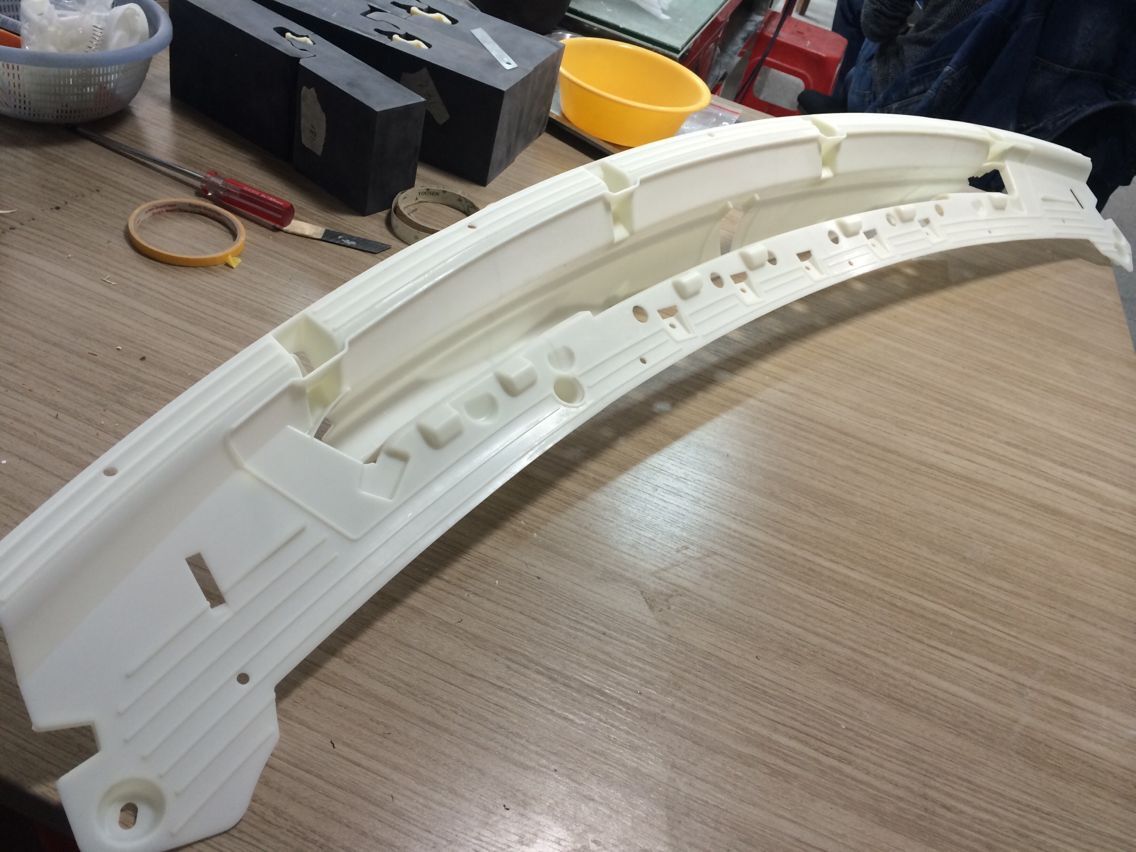
1. Stereolithography (SLA) 3D Printing – Precision Trim & Aesthetic Parts
- Technology Focus: Ideal for high-detail bumper trim pieces, decorative accents, and prototype components requiring smooth surfaces and tight tolerances.
- Key Specifications: Layer thickness 0.025-0.1mm; dimensional accuracy ±0.05mm (for parts ≤100mm); surface roughness Ra≤0.4μm; maximum build size 500×500×600mm.
- Automotive-Grade Materials: High-temperature resin (heat resistance up to 150℃), UV-resistant resin (meets ISO 4892-3 for weatherability), and impact-resistant tough resin (Izod impact strength ≥5kJ/m²).
- Typical Bumper Applications: Custom bumper grilles, decorative trim strips, emblem mounts, and prototype bumper fascia sections.
2. Selective Laser Sintering (SLS) 3D Printing – Structural & Functional Parts
- Technology Focus: Engineered for load-bearing bumper components that require high strength, durability, and resistance to impact and vibration.
- Key Specifications: Dimensional accuracy ±0.08mm (for parts ≤100mm); fully dense parts (99.5% density); surface roughness Ra≤1.2μm; maximum build size 700×380×580mm.
- Automotive-Grade Materials: Nylon PA12 (tensile strength ≥50MPa), glass fiber-reinforced PA (flexural strength ≥80MPa), and TPU (Shore A 85-95 for flexible mounting brackets).
Typical Bumper Applications: Bumper reinforcement brackets, impact-absorbing ribs, mounting clips, and under-bumper air deflectors.
3. Fused Deposition Modeling (FDM) 3D Printing – Tooling & Low-Volume Production
- Technology Focus: Cost-effective solution for low-volume bumper accessories, custom jigs/fixtures for bumper assembly, and functional prototypes.
- Key Specifications: Layer thickness 0.1-0.3mm; dimensional accuracy ±0.1mm (for parts ≤100mm); maximum build size 800×800×1000mm.
- Automotive-Grade Materials: ABS-ESD (anti-static for electronic sensor mounts), PETG (chemical-resistant for undercarriage bumper parts), and carbon fiber-reinforced ABS (high rigidity for structural brackets).
- Typical Bumper Applications: Bumper assembly jigs, low-volume mounting brackets, sensor housings integrated into bumpers, and aftermarket custom bumper inserts.
4. Automotive-Specific Post-Processing for Bumper Parts
To meet automotive industry standards, we offer specialized post-processing tailored to bumper accessory requirements:
- Surface Finishing: Vapor smoothing (for ABS/PA parts to eliminate layer lines), automotive-grade painting (compliant with ASTM D3359 for adhesion), and anti-scratch coating (hardness ≥4H).
- Functional Enhancement: UV stabilization (for outdoor durability), impact-resistant coating, and thermal treatment (to reduce residual stress in structural parts).
Assembly Integration: Threaded insert installation (heat-staked or ultrasonic welded), snap-fit design optimization, and compatibility testing with existing bumper systems.
Technical Parameters & Bumper Application Alignment
|
3D Printing Technology
|
Key Technical Indicators
|
Automotive Bumper Applications
|
Compliance Standards
|
|
SLA
|
Accuracy ±0.05mm, Ra≤0.4μm, UV-resistant
|
Trim pieces, grilles, decorative accents
|
ISO 4892-3 (weatherability)
|
|
SLS
|
99.5% density, Tensile Strength ≥50MPa, Impact Resistance ≥8kJ/m²
|
Reinforcement brackets, impact ribs, mounting clips
|
ISO 11343 (impact), ISO 6402 (material quality)
|
|
FDM
|
Accuracy ±0.1mm, Chemical Resistance (gasoline/oil)
|
Sensor housings, assembly jigs, low-volume brackets
|
ASTM D543 (chemical resistance)
|
Standardized Customization Process for Auto Bumper Accessories
We’ve optimized our process to align with automotive development timelines, ensuring rapid delivery without compromising quality:
- Requirements & DFM Analysis: Receive 3D models (STL/STEP) or bumper specifications (load capacity, impact resistance, mounting points). Our automotive-focused engineering team provides DFM analysis to optimize part geometry—strengthening stress points, reducing weight (up to 30% vs. traditional parts), and ensuring compatibility with existing bumper systems.
- Material & Technology Selection: Recommend automotive-grade materials based on application (e.g., SLS Nylon for structural parts, SLA UV-resistant resin for exterior trim) and 3D printing technology to meet cost, volume, and performance goals.
- Prototype Printing & Testing: Produce 1-3 functional prototypes (3-5 working days) for fitment testing, impact testing (per ISO 11343), and weatherability validation. Provide detailed test reports for approval.
- Post-Processing & Validation: Perform automotive-specific post-processing (painting, coating, assembly) and final quality checks—including dimensional verification with CMM, adhesion testing, and UV exposure testing.
- Batch Production & Global Delivery: Scale to low-to-medium volume production (10-5000 pieces) with consistent quality control. Package parts in anti-corrosion, shockproof materials; support automotive supply chain logistics (JIT delivery, FOB/CIF terms).
Common 3D Printing Challenges for Bumper Parts & Solutions
|
Common Issues
|
Automotive-Specific Causes
|
Professional Solutions
|
|
Poor Impact Resistance
|
Inadequate material selection, weak geometry at stress points
|
Use SLS Nylon PA12 or glass fiber-reinforced PA; add fillets (R≥2mm) at mounting points; optimize infill density (90-100% for structural parts)
|
|
Weathering Degradation (Fading/Cracking)
|
Exposure to UV, temperature extremes (-40~80℃)
|
Select UV-stabilized resins; apply automotive-grade clear coat (compliant with ISO 4892-3); use SLA/SLS technologies with proven outdoor durability
|
|
Fitment Issues with Existing Bumpers
|
Dimensional deviation, incompatible mounting points
|
Calibrate printers to automotive tolerance standards (±0.05mm for critical points); 3D scan existing bumpers for precise matching; design adjustable mounting features
|
|
Layer Lines on Visible Trim
|
Poor surface finish affecting aesthetics
|
Use SLA for high-detail parts; apply vapor smoothing (SLS/FDM) or automotive painting; optimize layer thickness (0.05mm for SLA)
|
|
Chemical Resistance Failure
|
Exposure to gasoline, oil, or cleaning agents
|
Select FDM PETG/ABS-ESD or SLS Nylon PA12; apply chemical-resistant coating (compliant with ASTM D543)
|
Automotive-Grade Materials for Bumper Accessories
|
Material Type
|
Key Performance Parameters
|
Bumper Applications
|
|
SLA UV-Resistant Resin
|
UV-stable (5000+ hours outdoor exposure), Ra≤0.4μm, Impact Strength ≥5kJ/m²
|
Exterior trim, grilles, emblem mounts
|
|
SLS Nylon PA12
|
Tensile Strength 55MPa, Impact Strength 8kJ/m², Temperature Resistance -40~120℃
|
Reinforcement brackets, impact-absorbing ribs
|
|
SLS Glass Fiber-Reinforced PA
|
Flexural Strength 85MPa, Stiffness 3500MPa, Lightweight (1.1g/cm³)
|
Structural bumper components, heavy-duty mounts
|
|
FDM ABS-ESD
|
Anti-static (10⁶-10⁹ Ω), Impact Strength 28kJ/m², Chemical Resistant
|
Sensor housings, electronic component mounts in bumpers
|
|
TPU (SLS/FDM)
|
Flexibility (Shore A 85-95), Tear Strength ≥35N/mm
|
Flexible mounting clips, vibration-dampening bumper parts
|
Core Service Advantages for Automotive Clients
- Automotive Expertise: Engineering team with 10+ years of experience in auto part manufacturing; deep understanding of bumper system requirements (impact resistance, aerodynamics, fitment).
- Lightweight Solutions: 3D printed parts reduce bumper weight by 20-30%, improving vehicle fuel efficiency and reducing emissions—aligning with global automotive sustainability goals.
- Rapid Iteration: Prototypes delivered in 3-5 working days, cutting development cycles by 40% vs. traditional injection molding (which requires 4-6 weeks for tooling).
- Quality Compliance: All parts meet automotive industry standards (ISO 11343, ISO 4892-3, ASTM D3359) and undergo rigorous testing (impact, weatherability, chemical resistance).
- Customization Flexibility: Support low-volume production for custom vehicles, aftermarket accessories, or legacy bumper part replacements—no minimum order quantity for prototypes.
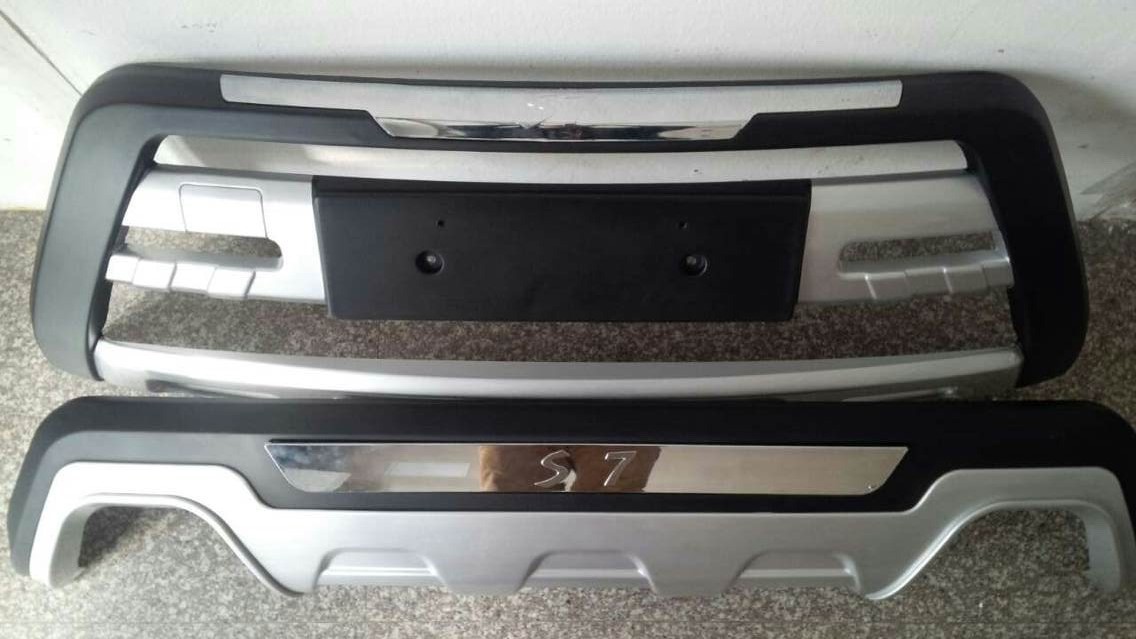
Cooperation Invitation
Whether you’re an automotive OEM needing lightweight bumper components, an aftermarket supplier looking for custom accessories, or a custom vehicle builder requiring unique bumper parts, XiaMen Goldcattle has the technology, materials, and expertise to deliver automotive-grade solutions.
Contact Us
- Official Website: https://www.xmgoldcattle.com/
- Address: Xiamen, Fujian Province, China
- Port: Xiamen Port (FOB Xiamen)
- Automotive Industry Hotline: +86-592-XXX-XXXX (24/7 technical support)
“Quality, Efficiency, Integrity, Service” — We are committed to empowering automotive innovation with high-performance custom 3D printed bumper accessories.