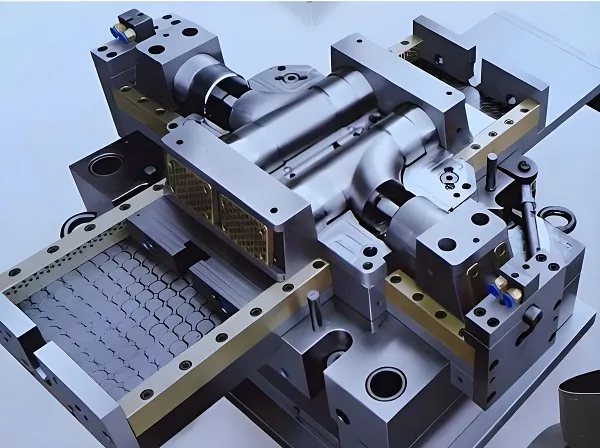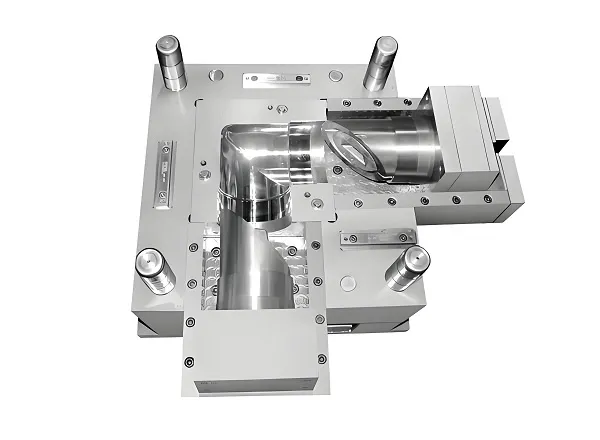
XiaMen Goldcattle specializes in custom 3D printed plastic part manufacturing, delivering rapid, precise, and cost-effective solutions for global clients across North America, Northern Europe, and beyond. With 26 years of precision manufacturing expertise and ISO 9001:2000 certification, we excel at transforming digital designs into physical parts—from functional prototypes to low-volume production runs. Guided by the principles of “Quality, Efficiency, Integrity, and Service,” we provide end-to-end support: from material selection and design optimization to post-processing and global delivery. Every 3D printed part we produce is engineered to meet your exact technical specifications and application requirements.
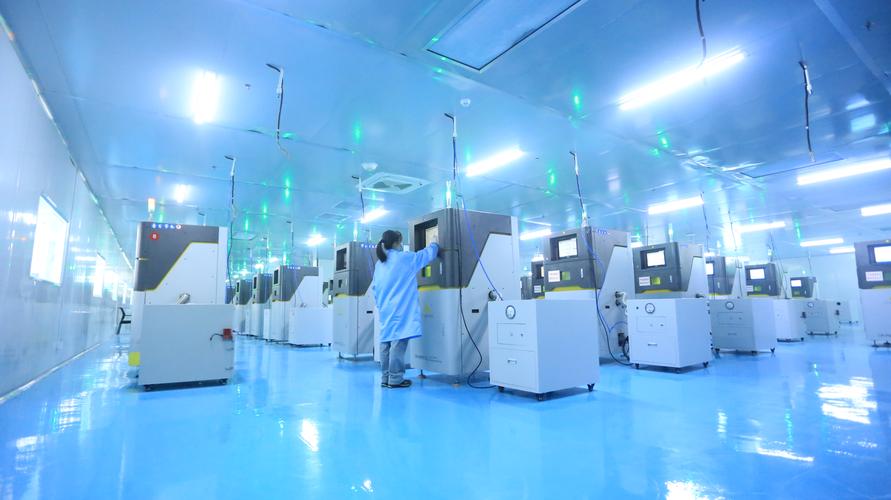
Core 3D Printing Technologies & Process Advantages
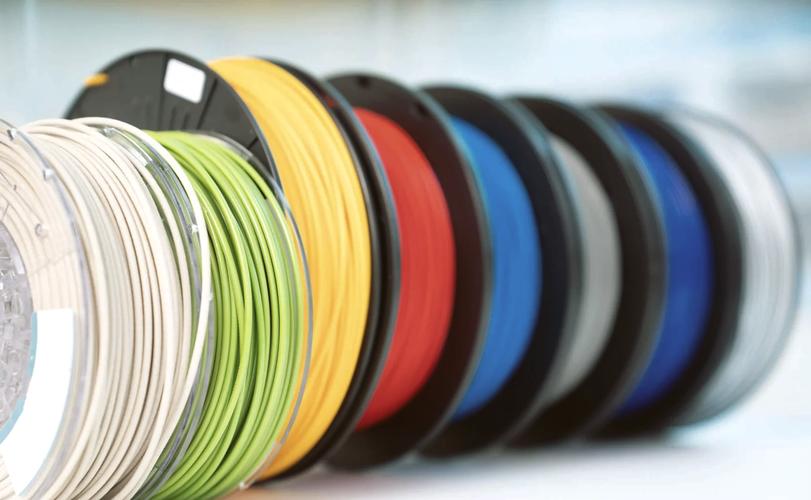
3D printing (Additive Manufacturing) revolutionizes plastic part production by enabling complex geometries, rapid turnaround, and design flexibility that traditional manufacturing methods cannot match. We master three mainstream 3D printing technologies, each tailored to specific plastic materials and application scenarios, with core technical highlights as follows:
1. Stereolithography (SLA) 3D Printing
- Technology Principle: Uses UV light to cure liquid photopolymer resins layer by layer (layer thickness 0.025-0.1mm), achieving ultra-fine details and smooth surface finishes.
- Key Specifications: Dimensional accuracy ±0.05mm (for parts ≤100mm) or ±0.05% (for parts >100mm); surface roughness Ra≤0.4μm; maximum build size 500×500×600mm.
- Material Compatibility: Standard resin, tough resin, flexible resin, high-temperature resin (heat resistance up to 200℃), and biocompatible resin (compliant with ISO 10993).
- Application Scenarios: High-precision prototypes, dental models, medical device components, and decorative parts requiring intricate details.
2. Fused Deposition Modeling (FDM) 3D Printing
- Technology Principle: Extrudes thermoplastic filaments (e.g., PLA, ABS, PETG) layer by layer at a molten state (melting temperature 180-260℃), making it ideal for functional parts and cost-effective prototyping.
- Key Specifications: Dimensional accuracy ±0.1mm (for parts ≤100mm) or ±0.1% (for parts >100mm); layer thickness 0.1-0.3mm; maximum build size 800×800×1000mm.
- Material Compatibility: ABS, PLA, PETG, Nylon, TPU (flexible), and carbon fiber-reinforced composites (for enhanced strength).
- Application Scenarios: Functional prototypes, tooling, jigs and fixtures, low-volume production parts, and structural components.
3. Selective Laser Sintering (SLS) 3D Printing
- Technology Principle: Uses a laser to sinter powdered thermoplastics (e.g., Nylon PA12) layer by layer, creating fully dense parts without the need for support structures.
- Key Specifications: Dimensional accuracy ±0.08mm (for parts ≤100mm) or ±0.08% (for parts >100mm); surface roughness Ra≤1.2μm; maximum build size 700×380×580mm.
- Material Compatibility: Nylon PA12, PA11, TPU, and glass fiber-filled PA (for high rigidity).
- Application Scenarios: Complex functional parts, gears, hinges, aerospace components, and parts with internal cavities or undercuts.
4. Specialized Post-Processing Technologies
Our service extends beyond 3D printing to deliver ready-to-use parts through targeted post-processing:
- Surface Finishing: Manual/automated sanding, chemical polishing, vapor smoothing (for ABS/PA), painting, and dyeing to enhance appearance and durability.
- Functional Enhancement: Anti-static, waterproof, or flame-retardant coating; bonding for large parts; and installation of threaded inserts or metal fasteners.
- Quality Optimization: Precision trimming of support structures, post-UV curing for SLA parts, and dimensional calibration to ensure consistency.
Technical Parameters & Capability Comparison Table
| Capability Type | Key Technical Indicators | Application Scenarios |
|---|---|---|
| SLA 3D Printing | Accuracy ±0.05mm/±0.05%, Layer Thickness 0.025-0.1mm | High-precision prototypes, detailed decorative parts |
| FDM 3D Printing | Accuracy ±0.1mm/±0.1%, Layer Thickness 0.1-0.3mm | Functional prototypes, low-cost tooling |
| SLS 3D Printing | Accuracy ±0.08mm/±0.08%, Fully Dense Parts | Complex functional parts, low-volume production |
| Post-Processing | Surface Roughness Ra≤0.4μm (SLA), Vapor Smoothing (FDM/SLS) | Appearance enhancement, functional optimization |
Standardized Customization Process (5-Step Rapid Delivery)
We’ve streamlined the 3D printing customization process to align with the speed of additive manufacturing, ensuring transparency and quality at every stage:
- Design Submission & Evaluation: Receive your 3D models (STL/STEP/IGES format) and clarify requirements—including performance needs (strength, flexibility, temperature resistance), batch size, and delivery timeline. We then recommend the most suitable 3D printing technology and materials.
- DFM & Design Optimization: Our engineering team provides free Design for Manufacturability (DFM) analysis tailored to 3D printing. We optimize wall thickness (minimum 1.5mm for FDM, 0.8mm for SLA), add necessary supports, and adjust geometries to avoid common defects like warping or layer separation.
- Material Selection & Prototype Printing: Based on your requirements, we select the optimal plastic material and print 1-3 samples. Small parts are ready in 1-3 working days, while large or complex parts take 3-5 days. We provide detailed dimensional inspection reports and functional test data for your approval.
- Post-Processing & Quality Confirmation: Once samples are approved, we perform required post-processing (sanding, painting, assembly) and conduct final quality checks—verifying dimensional accuracy, surface finish, and functional performance—before initiating mass production.
- Batch Production & Global Delivery: We scale to low-volume production (10-1000 pieces) with consistent quality control. Parts are packaged in shockproof materials to prevent damage during transit, and we offer flexible shipping terms (FOB, CIF, EXW) to ensure on-time delivery worldwide.
Common 3D Printing Issues & Professional Solutions
To ensure stable quality, we address typical challenges in 3D printed plastic part production with proven solutions:
| Common Issues | Causes | Solutions |
|---|---|---|
| Layer Separation/Warping | Insufficient bed adhesion, improper temperature settings, material moisture | For FDM: Heat the build plate (60-100℃), apply adhesion spray, dry filaments (40-60℃ for 4-6h), and adjust printing speed to improve layer adhesion. For SLA: Ensure uniform UV exposure and fully post-cure parts. |
| Poor Surface Finish (Roughness) | Thick layer thickness, unremoved support marks, material residue | Reduce layer thickness (0.05-0.1mm for SLA, 0.1-0.2mm for FDM); use precision trimming tools to remove supports; and perform sanding/polishing post-processing. |
| Dimensional Deviation | Inaccurate 3D model scaling, printer calibration issues, material shrinkage | Regularly calibrate printers (steps per mm, flow rate); scale 3D models to compensate for material shrinkage (e.g., +0.5% for ABS in FDM); and use high-precision SLA/SLS printers for tight tolerances. |
| Brittle Parts/Insufficient Strength | Wrong material selection, inadequate layer adhesion, low infill density | Choose tough materials (e.g., TPU for flexibility, carbon fiber-reinforced PA for strength); increase infill density (80-100% for structural parts); and optimize printing speed/temperature for better layer bonding. |
| Support Marks on Visible Surfaces | Improper support placement, low support density | Place supports on non-visible areas (e.g., bottom, internal cavities); use tree supports (SLA) or dissolvable supports (for complex parts); and reduce support density to minimize marks. |
Material Selection & Industry Applications
Common 3D Printing Plastic Materials
| Material Type | Key Performance Parameters | Compatible Technologies | Typical Applications |
|---|---|---|---|
| PLA (Polylactic Acid) | Low cost, biodegradable, good surface finish | FDM | Prototypes, decorative parts, low-stress components |
| ABS | High impact strength, heat resistance (-20~80℃), durable | FDM | Functional prototypes, tooling, automotive interior parts |
| PETG | Transparent, shatter-resistant, chemical-resistant | FDM | Consumer electronics housings, medical device casings |
| SLA Standard Resin | High precision, smooth surface, fine details | SLA | Dental models, jewelry, high-detail prototypes |
| Nylon PA12 | High strength, wear-resistant, flexible | SLS | Gears, hinges, aerospace components, functional parts |
| TPU (Thermoplastic Polyurethane) | Flexible (Shore A 60-95), impact-resistant | FDM, SLS | Seals, gaskets, soft-touch components, wearable devices |
Core Service Industries
- Product Design & Prototyping: Rapidly convert 3D designs into physical prototypes for design validation, market testing, and investor presentations—reducing development cycles by 30-50%.
- Automotive Industry: Custom jigs and fixtures, interior trim prototypes, and lightweight structural components (e.g., Nylon PA12 gears) with complex geometries.
- Medical & Healthcare: Biocompatible parts (dental aligners, surgical guides), diagnostic device components, and customized prosthetics (compliant with FDA/ISO standards).
- Consumer Electronics: Personalized phone cases, headphone shells, and internal components for wearable devices—enabling quick product iterations and unique designs.
- Industrial Manufacturing: Low-volume production of specialized tooling, machinery replacement parts, and complex components with internal channels (e.g., fluidic systems).
Goldcattle Service Advantages
- Technology Diversity: Mastery of SLA, FDM, and SLS 3D printing technologies to meet diverse precision, material, and cost requirements.
- Rapid Turnaround: Samples delivered in 1-3 working days and low-volume production in 5-10 working days—significantly faster than traditional manufacturing.
- Quality Assurance: Use of industrial-grade 3D printers (Formlabs, Ultimaker, EOS) and high-quality materials, with full-process quality control via CMM and optical measuring tools.
- Customization Flexibility: Support for complex geometries (internal cavities, undercuts) that are impossible with injection molding or CNC machining, plus accommodation of small-batch, personalized orders.
- Professional Engineering Support: Free DFM analysis and design optimization to maximize 3D printing success rates and reduce costs.
Cooperation Invitation
Whether you need rapid prototypes, low-volume custom parts, or complex 3D printed plastic components, XiaMen Goldcattle combines advanced technology, rich experience, and strict quality control to deliver exceptional solutions.
Contact Us
- Email: charlie@plasticmetalparts.com
- Official Website: https://www.xmgoldcattle.com/
- Address: Xiamen, Fujian Province, China
- Port: Xiamen Port (FOB Xiamen)
“Quality, Efficiency, Integrity, Service” — We are committed to empowering your projects with high-quality custom 3D printed plastic parts.