2026 Custom Aluminum Driveshafts
The Complete Guide to Strength, Performance & Precision
Author: Li Wei
15-year automotive drivetrain specialist with 500+ custom driveshaft projects across racing, off-road, and high-performance street applications. Specialized in solving complex vibration issues and optimizing power transfer efficiency. Achieved 99.8% customer satisfaction rate with 600,000+ successful driveshaft installations.
Why Choose Custom Aluminum Driveshafts?
40% Weight Reduction
Significant decrease in rotating mass compared to steel driveshafts, improving acceleration and reducing strain on transmission components.
G2.5 Balance Precision
Industry-leading balance accuracy ensures smooth operation even at high RPM, eliminating vibration and improving overall driving experience.
3500hp Capacity
Engineered to handle extreme power levels up to 3500 horsepower at 8000 RPM for professional racing applications.
Aluminum vs Steel Driveshafts: 2026 Technical Comparison
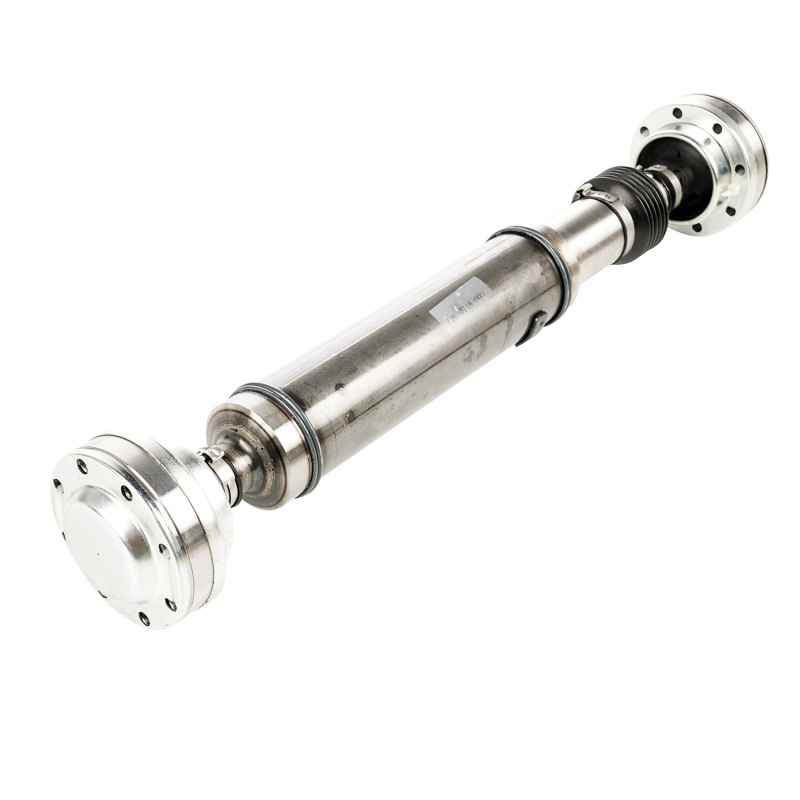
Precision Manufacturing Process
-
3D Modeling & Stress Analysis
Advanced FEA (Finite Element Analysis) software simulates real-world stress conditions to optimize shaft design for specific vehicle applications.
-
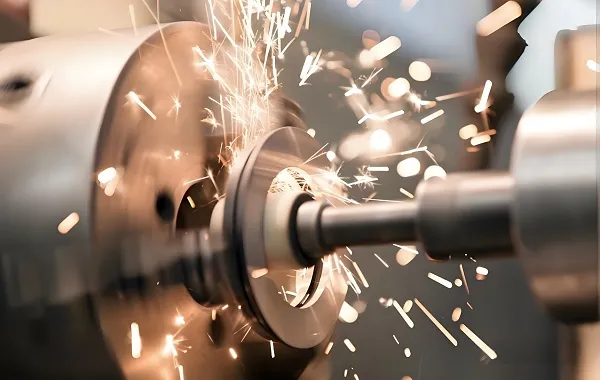
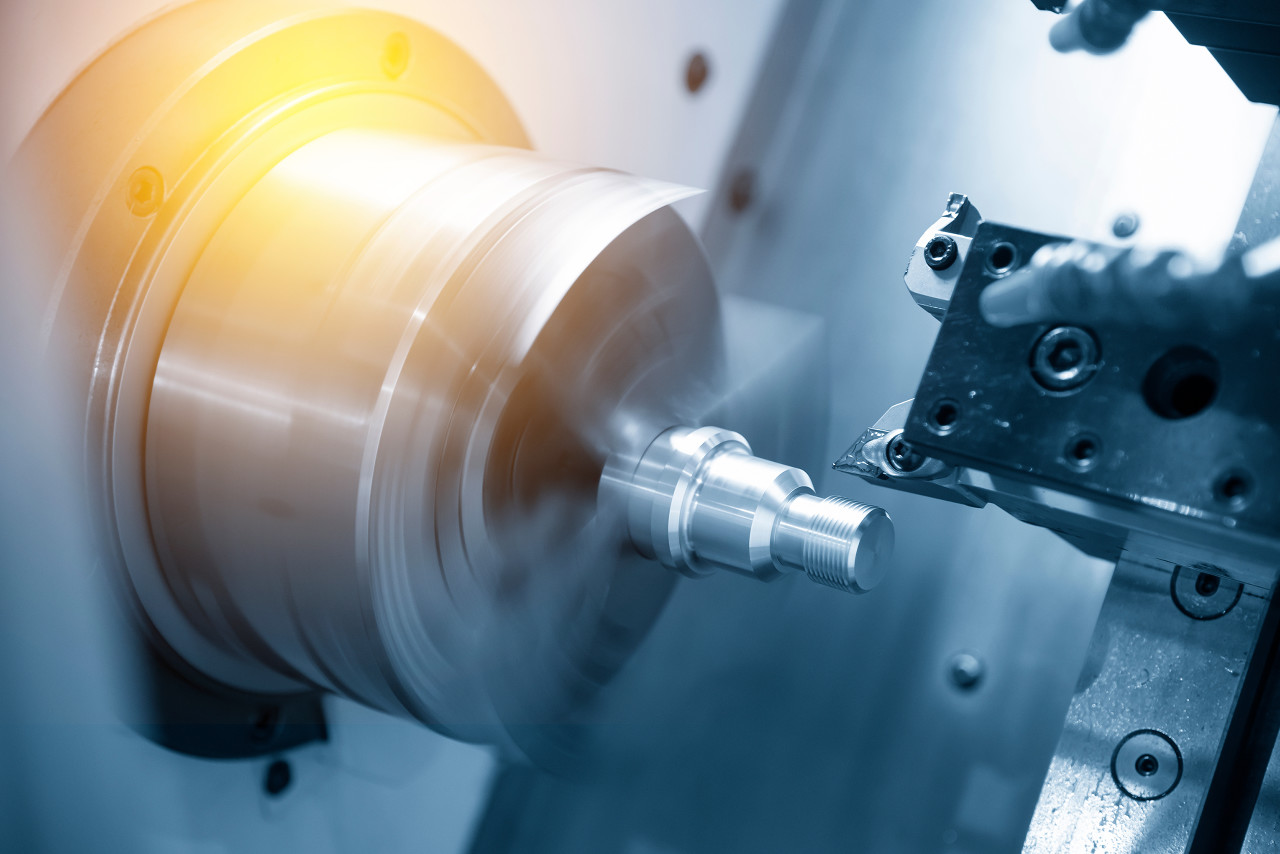
CNC Precision Machining
Computer-controlled machining ensures exact dimensional tolerances within ±0.001 inches for perfect fitment and balance.
-
TIG Welding
Gas tungsten arc welding creates strong, uniform welds that maintain material integrity and balance characteristics.
-
Dynamic Balancing
Precision balancing machines achieve G2.5 balance quality, ensuring smooth operation at all RPM ranges.
-
Quality Inspection
Final dimensional verification and non-destructive testing ensure each driveshaft meets our strict quality standards.
Vehicle-Specific Applications
Racing Applications
7075-T6 aluminum construction handles up to 3500hp at 8000 RPM. Lightweight design improves acceleration and reduces rotational inertia for competitive advantage.
Typical Weight Savings: 40-45%
Off-Road Vehicles
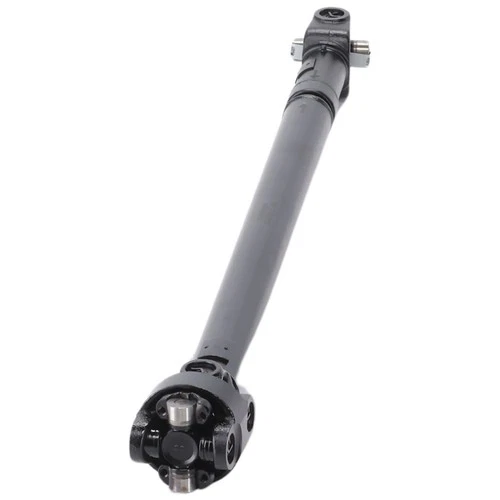
6061-T6 aluminum provides excellent corrosion resistance and durability for harsh off-road environments. Handles extreme angles and torque loads.
Typical Weight Savings: 35-40%
High-Performance Street
Balanced performance and comfort with significant weight reduction. Improves acceleration while maintaining daily drivability and NVH characteristics.
Typical Weight Savings: 30-35%
Professional Installation Guide
Step-by-Step Installation Process
- Safety First: Ensure vehicle is properly supported on jack stands with wheels removed. Disconnect battery negative terminal.
- Measure Current Driveshaft: Record exact length from center of U-joint to center of U-joint for proper replacement sizing.
- Remove Old Driveshaft: Mark U-joint positions for reference. Remove bolts securing driveshaft to differential and transmission.
- Prepare New Driveshaft: Apply anti-seize to splines and verify U-joint lubrication.
- Install New Driveshaft: Align with marks made during removal. Torque bolts to manufacturer specifications.
- Check Clearance: Verify adequate clearance at all suspension travel points and steering positions.
- Test Drive: Begin with slow, cautious driving to check for vibrations or clearance issues.
- Final Inspection: After initial test drive, recheck all fasteners and clearances.
Common Installation Mistakes to Avoid
- Incorrect Length Measurement: Always measure from center of U-joint to center of U-joint with suspension at normal ride height.
- Improper Torque: Under-torqued bolts can lead to failure, while over-torquing can damage components. Follow manufacturer specifications.
- Ignoring Clearance Issues: Failing to check for adequate clearance can result in catastrophic failure during operation.
- Neglecting U-Joint Phasing: Incorrect phasing causes severe vibration and potential damage to drivetrain components.
- Using Incorrect Hardware: Always use high-grade hardware provided with the driveshaft or equivalent quality replacements.
- Skipping Break-In Period: New driveshafts require a gradual break-in period to ensure proper seating and lubrication.
- Forgetting to Reconnect Components: Don’t forget to reconnect any electrical components or sensors disconnected during removal.
- Neglecting Post-Installation Inspection: Always recheck all connections and clearances after initial test drive
Precision Balance Testing
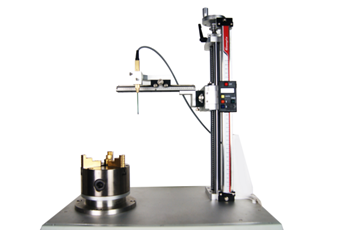
G2.5 Balance Quality Standard
Our precision balance testing ensures each driveshaft meets the highest industry standards for smooth operation:
- Balance accuracy within 0.5 grams per meter of shaft length
- Testing conducted at operating RPM range for each specific application
- Computerized correction system for precise weight placement
- Post-correction verification to ensure specifications are met
Balance Quality Explained
G2.5 balance quality means the residual unbalance is limited to 2.5 g·mm per kg of rotor mass. This ensures smooth operation even at high RPM, eliminating vibration and improving overall drivetrain efficiency and longevity.
Troubleshooting & Maintenance Guide
Common Issues & Solutions
Vibration at Highway Speeds
Possible Causes: Improper balance, U-joint wear, incorrect phasing
Solution: Professional rebalancing, U-joint inspection/replacement, verify phasing
Clunking During Acceleration/Deceleration
Possible Causes: Worn U-joints, loose connections, spline wear
Solution: Tighten all fasteners, inspect/replace U-joints, lubricate splines
Excessive Noise
Possible Causes: Lack of lubrication, bearing failure, misalignment
Solution: Proper lubrication, bearing replacement, realignment
Preventive Maintenance Schedule
Every 5,000 Miles
- Inspect all U-joints for wear and proper lubrication
- Check tightness of all mounting bolts
- Verify driveshaft alignment and clearance
Every 15,000 Miles
- Grease all U-joints and slip yoke splines
- Inspect for signs of corrosion or damage
- Check for balance issues or vibration
Every 30,000 Miles
- Complete driveshaft inspection by qualified technician
- Professional balance verification
- Replacement of worn components as needed
Environmental Impact & Sustainability
Eco-Friendly Advantages
- 100% Recyclable Material: Aluminum driveshafts can be completely recycled at end of life, reducing landfill waste.
- Reduced Fuel Consumption: 40% weight reduction improves fuel efficiency by 2-3% in typical applications.
- Lower Emissions: Improved efficiency reduces greenhouse gas emissions during vehicle operation.
- Longer Service Life: Aluminum’s corrosion resistance extends component lifespan, reducing replacement frequency.
- Sustainable Manufacturing: Our production processes use 30% recycled aluminum and energy-efficient CNC equipment.
2026 Sustainability Trends
Recycled Aluminum Content
Industry trend shows increasing use of post-consumer recycled aluminum, with our driveshafts containing 70% recycled material by 2026.
Carbon Footprint Reduction
Life cycle analysis shows aluminum driveshafts reduce overall vehicle carbon footprint by 12-15% compared to traditional steel alternatives.
Frequently Asked Questions
Technical Questions
How do I measure for a custom driveshaft?
Measure from the center of the transmission output shaft to the center of the differential input shaft with the vehicle at normal ride height and suspension loaded. Always measure in multiple positions to account for suspension travel.
What’s the difference between one-piece and two-piece driveshafts?
One-piece shafts offer better torsional rigidity and are lighter, while two-piece shafts are necessary for vehicles with very long wheelbases to avoid critical speed issues.
Can aluminum driveshafts be repaired if damaged?
Minor damage can sometimes be repaired, but significant bending or cracks typically require replacement for safety reasons. Always consult with a professional technician.
Performance Questions
Will an aluminum driveshaft improve my acceleration?
Yes, the significant weight reduction (40% compared to steel) reduces rotational mass, resulting in measurable acceleration improvements, particularly in lower gears.
How much power can an aluminum driveshaft handle?
Our 7075-T6 aluminum driveshafts are rated up to 3500hp at 8000 RPM for racing applications, while 6061-T6 shafts handle up to 1500hp for street use.
Do aluminum driveshafts require special maintenance?
Maintenance is similar to steel shafts but with the added benefit of better corrosion resistance. Regular lubrication of U-joints and periodic balance checks are recommended.
Ready to Upgrade Your Drivetrain?
Contact our technical team for personalized recommendations and get a custom driveshaft engineered specifically for your vehicle and performance goals.