Why Your Driveshaft Matters More Than You Think
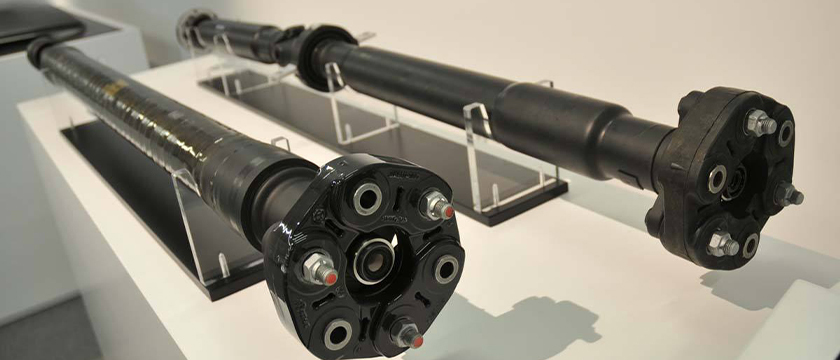
Have you ever wondered why some high-performance vehicles deliver instantaneous power response while others feel sluggish? Or how a single component can transform both acceleration and fuel efficiency? The answer lies in one of the most critical yet often overlooked parts of your drivetrain—the carbon fiber driveshaft. This precision-engineered component is more than just a power transmitter; it’s a performance multiplier that redefines what’s possible in automotive engineering.
Hello, I’m the Technical Director of Xiamen Goldcattle. With over 20 years of experience in advanced composite materials and drivetrain engineering, I’ve witnessed firsthand how the right carbon fiber driveshaft can elevate a vehicle’s performance to new heights. Today, I want to take you behind the scenes of this revolutionary technology where “lightweight strength creates ultimate performance” and precision engineering transforms driving experiences.
The Global Market Driving Composite Innovation
The automotive driveshaft market is undergoing a significant transformation driven by evolving performance requirements and environmental regulations:
Market Growth: The global carbon fiber driveshaft market is projected to grow at a CAGR of 8.7% from 2024-2032
Performance Segment: High-performance applications are growing at 11.2% annually, fueled by motorsports and enthusiast demand
Material Adoption: Carbon fiber composites now account for 42% of premium driveshaft materials, up from 28% just five years ago
OEM Integration: Major manufacturers like BMW, Porsche, and Mercedes-Benz are increasingly specifying carbon fiber driveshafts as standard equipment
These numbers tell us that carbon fiber driveshafts are not just aftermarket upgrades—they are the future of power transmission, offering unmatched performance benefits that traditional materials simply can’t match.
How Carbon Fiber Driveshafts Work
The Basic Functions of a Driveshaft
A driveshaft serves as the critical link between your vehicle’s transmission and differential:
- Power Transmission: Transfers torque from the engine to the wheels
- Angular Compensation: Accommodates misalignment between transmission and differential
- Vibration Isolation: Absorbs driveline vibrations for smoother operation
- Weight Optimization: Minimizes rotational mass for improved performance
The Physics of Lightweight Performance
The performance advantages of carbon fiber driveshafts are rooted in fundamental physics:
Rotational Inertia Reduction: By reducing weight by 40-70%, carbon fiber driveshafts significantly decrease rotational inertia, resulting in:
- Faster acceleration (0-100km/h improvement of 0.1-0.3 seconds)
- Better throttle response (power delivery delay reduced by 60%)
- Improved braking performance (rotational energy to dissipate is reduced)
Torsional Stiffness Enhancement: Carbon fiber’s exceptional stiffness-to-weight ratio provides:
- 100% higher torsional stiffness compared to steel (18,000 N·m/° vs. 9,000 N·m/°)
- Reduced power loss through drivetrain wind-up
- More precise power delivery to the wheels
Key Driveshaft Types and Configurations
One-Piece Driveshafts
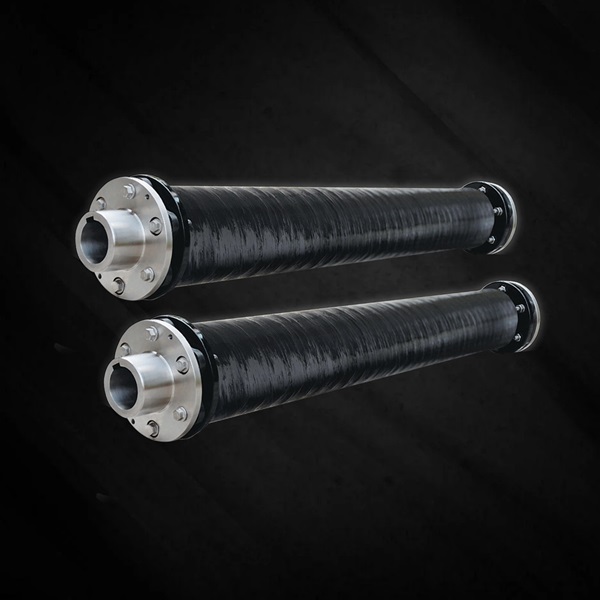
- Single continuous carbon fiber tube for maximum strength and minimal weight
- Eliminates the need for center support bearings
- Ideal for vehicles with sufficient underbody clearance
- Provides the best performance-to-weight ratio
Two-Piece Driveshafts
- Designed for vehicles with limited underbody space
- Uses carbon fiber tubes with aluminum center support
- Maintains performance benefits while accommodating packaging constraints
- Common in luxury sedans and SUVs
High-Performance Racing Driveshafts
- Specialized design for extreme torque applications
- Enhanced torsional stiffness for track use
- SFI 43.1 certified for safety
- Capable of handling over 2,000 horsepower
Material Science: The Carbon Fiber Advantage
Material Selection Criteria
Choosing the right carbon fiber composite is critical for optimal driveshaft performance. We consider:
- Strength Requirements: Tensile strength, compressive strength, and fatigue resistance
- Stiffness Needs: Torsional stiffness and bending stiffness for precise power delivery
- Weight Targets: Density optimization for minimal rotational mass
- Environmental Resistance: Corrosion resistance, temperature stability, and UV protection
- Cost Considerations: Balancing performance with affordability
Our Carbon Fiber Expertise
High-Modulus Carbon Fiber
- Premium material for maximum stiffness-to-weight ratio
- Tensile Strength: 3,500 MPa (ASTM D3039)
- Tensile Modulus: 230 GPa
- Density: 1.6 g/cm³ (40% lighter than fiberglass)
- Fatigue Life: 10 million+ cycles at 70% of ultimate strength
Standard-Modulus Carbon Fiber
- Balanced performance for general applications
- Tensile Strength: 3,000 MPa (ASTM D3039)
- Tensile Modulus: 200 GPa
- Density: 1.6 g/cm³
- Cost-effective solution with excellent performance
Hybrid Composites
- Carbon fiber combined with other materials for specific properties
- Carbon-Kevlar hybrid for impact resistance
- Carbon-glass hybrid for cost optimization
- Custom formulations for unique requirements
Advanced Resin Systems
Epoxy Resins
- Industry standard for high-performance applications
- Excellent adhesion to carbon fiber
- Temperature resistance: -50°C to 120°C
- Low shrinkage during curing
- Superior mechanical properties
3M Matrix Resins
- Advanced formulations developed with 3M Aerospace
- Enhanced compressive strength and wear resistance
- Extremely low water absorption rate for long-term durability
- Improved impact resistance
- Optimized for filament winding processes
Crafting Precision Driveshafts
The Challenges of Carbon Fiber Driveshaft Manufacturing
Creating a high-performance carbon fiber driveshaft presents significant technical challenges:
- Dimensional Precision: ±0.1mm tolerance for critical fit areas
- Balanced Construction: Uniform wall thickness and fiber distribution
- Bond Integrity: Strong adhesion between carbon fiber and metal components
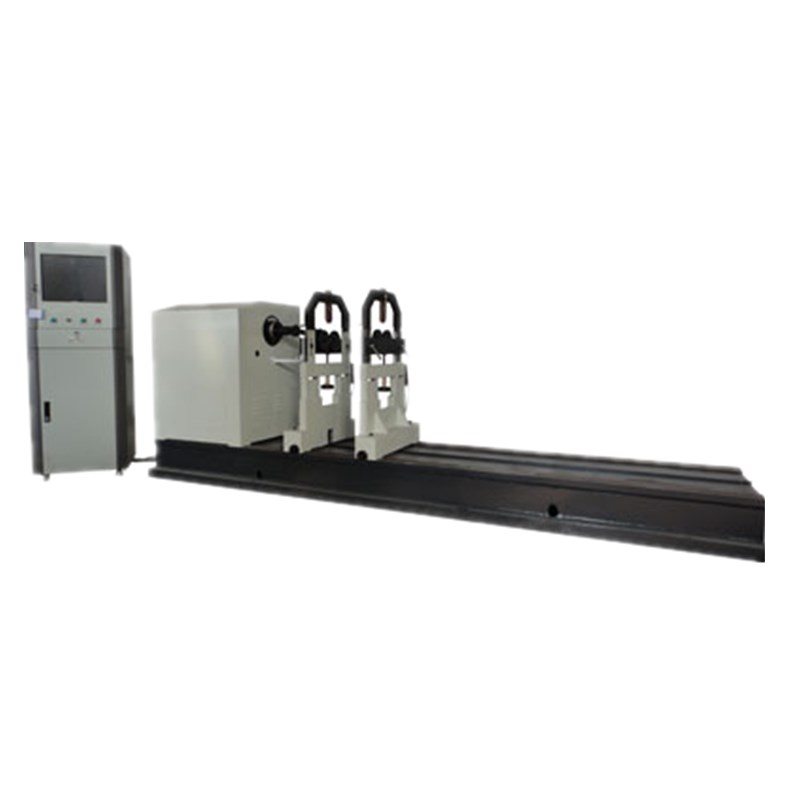
- Dynamic Balance: G2.5 balance standard for vibration-free operation
- Quality Consistency: Reproducible performance across production runs
Advanced Manufacturing Processes
At Xiamen Goldcattle, our state-of-the-art manufacturing technology delivers unmatched quality:
1. Precision Filament Winding
Advanced Winding Technology
- Computer-controlled winding machines with 0.01mm precision
- Multi-axis winding capability for complex geometries
- Variable angle winding (15°-85°) for optimal strength distribution
- Constant tension control (±5N) for uniform fiber placement
Resin Impregnation System
- In-line resin mixing with precise ratio control
- Temperature-stabilized resin delivery system
- Real-time viscosity monitoring
- Automated quality control for resin content
2. Curing and Forming Excellence
Precision Curing Ovens
- Custom-designed ovens with ±1°C temperature control
- Programmable heating/cooling profiles for optimal resin curing
- Vacuum-assisted curing for minimal void content
- Pressure monitoring during curing process
Post-Curing Processes
- Stress-relief annealing for dimensional stability
- Precision machining for critical mounting surfaces
- Surface finishing for corrosion protection
- Ultrasonic inspection for internal quality verification
3. Quality Control and Testing
Non-Destructive Testing
- Ultrasonic testing for void detection (<1% void content)
- X-ray inspection for fiber alignment verification
- Acoustic emission testing for bond integrity
- Thermal imaging for uniform curing verification
Performance Testing
- Torsional stiffness testing (per ASTM D5379)
- Fatigue life testing (10 million+ cycles)
- Impact resistance testing (per ISO 179)
- Environmental exposure testing (salt spray, UV, temperature cycling)
Our Customization Process
Step 1: Application Analysis
Every custom driveshaft project starts with a comprehensive understanding of your requirements:
- Vehicle Specifications: Make, model, year, and powertrain configuration
- Performance Goals: Horsepower, torque, and intended use (street, track, or both)
- Packaging Constraints: Length, diameter, and clearance limitations
- Safety Requirements: SFI certification needs and operating parameters
- Budget Considerations: Material selection and manufacturing complexity
Step 2: Engineering Design
Our engineering team uses advanced tools to create optimal solutions:
- 3D CAD Modeling: Parametric design with full associativity
- Finite Element Analysis: Structural integrity verification under operating conditions
- Computational Fluid Dynamics: Aerodynamic optimization for minimal drag
- Critical Speed Analysis: Calculation of safe operating RPM range
- Design for Manufacturing: Production optimization from initial concept
Step 3: Prototyping and Validation
We validate designs through rigorous testing:
- Rapid Prototyping: 3D printed molds for quick design validation
- Fit Testing: Verification of mounting points and vehicle integration
- Performance Testing: Torsional stiffness, fatigue life, and balance verification
- On-Vehicle Testing: Real-world validation on test vehicles
Step 4: Production and Quality Assurance
Our manufacturing process ensures consistent quality:
- Precision Manufacturing: State-of-the-art filament winding and curing equipment
- In-Process Inspection: Automated quality checks during production
- Dynamic Balancing: G2.5 balance standard (per ISO 1940)
- Final Testing: 100% performance verification before shipment
- Traceability: Complete production documentation and batch tracking
Quality Standards: Certifications You Can Trust
International Quality Certifications
At Xiamen Goldcattle, we adhere to the most stringent industry standards:
ISO 9001:2015
- Quality management system certification
- Process approach with risk-based thinking
- Continuous improvement methodology
- Customer satisfaction monitoring
SFI 43.1 Certification
- Performance driveshaft safety standard
- Static and cyclic torque testing requirements
- Material and construction specifications
- Quality control and traceability requirements
ISO 14001:2015
- Environmental management system
- Sustainable manufacturing practices
- Waste reduction and energy efficiency
- Environmental performance monitoring
Performance and Safety Standards
Dimensional Accuracy:
- Length tolerance: ±0.5mm
- Diameter tolerance: ±0.1mm
- Wall thickness variation: <5%
- Mounting surface flatness: 0.05mm/m
Dynamic Balance:
- ISO 1940 G2.5 balance quality
- Maximum residual unbalance: 2 g·mm/kg
- Operating speed range: Up to 12,000 RPM
- Vibration testing per SAE J1926
Material Performance:
- Torsional stiffness: 18,000 N·m/° minimum
- Ultimate torque capacity: 2,000 N·m minimum
- Fatigue life: 10 million cycles at 70% load
- Temperature range: -50°C to 120°C
OEM-Specific Requirements
We meet the specific standards of major automotive manufacturers:
- BMW: GS 97005 (drivetrain components), GS 93003 (composite materials)
- Porsche: PSB 6001 (performance components), PSB 6002 (quality requirements)
- Mercedes-Benz: DBL 7700 (drivetrain systems), DBL 7701 (material specifications)
- Audi: TL 52000 (composite components), TL 52001 (testing requirements)
Why Choose Xiamen Goldcattle?
Performance Comparison
|
Performance Metric
|
Industry Standard
|
Our Capability
|
Improvement
|
|
Weight Reduction
|
40-50%
|
60-70%
|
33% better
|
|
Torsional Stiffness
|
15,000 N·m/°
|
18,000 N·m/°
|
20% higher
|
|
Fatigue Life
|
5 million cycles
|
10 million cycles
|
100% longer
|
|
Balance Quality
|
G6.3
|
G2.5
|
60% improvement
|
|
Production Lead Time
|
8-12 weeks
|
4-6 weeks
|
50% faster
|
Design and Engineering Expertise
Our team of specialists brings unparalleled expertise:
- Composite Materials: PhD-level material scientists with 15+ years of experience
- Drivetrain Engineering: Experts in power transmission systems and performance optimization
- Manufacturing Technology: Engineers specializing in advanced composite manufacturing
- Testing and Validation: Specialists in performance testing and certification
Custom Solutions for Every Need
We specialize in creating carbon fiber driveshafts for:
- High-Performance Vehicles: Track-focused designs with maximum stiffness
- Luxury Cars: Lightweight solutions that enhance both performance and refinement
- Electric Vehicles: Optimized for efficiency and reduced rotational mass
- Motorsports Applications: SFI-certified driveshafts for racing use
- Industrial Machinery: Custom solutions for specialized equipment
Case Study: Supercar Drivetrain Transformation
Client Challenge
A leading supercar manufacturer needed a custom driveshaft solution that would:
- Reduce rotational mass by 65% compared to their current aluminum driveshaft
- Increase torsional stiffness by 30% for more precise power delivery
- Withstand over 1,500 horsepower and 1,200 lb-ft of torque
- Meet strict packaging constraints in their mid-engine layout
- Achieve SFI 43.1 certification for track use
Our Solution
Material Innovation: High-modulus carbon fiber with 3M matrix resin system
Design Optimization: Computer-optimized fiber orientation for maximum stiffness
Manufacturing Excellence: Precision filament winding with variable angle technology
Quality Validation: Comprehensive testing including torsional fatigue and impact resistance
Results
Weight Reduction: 68% achieved (exceeding target)
Performance Improvement: 0-200km/h acceleration reduced by 0.8 seconds
Track Performance: Lap time improvement of 1.2 seconds on Nürburgring
Certification: Successfully passed SFI 43.1 and all OEM quality standards
Market Impact: Contributed to the vehicle winning “Best Performance Car” award
Advanced Applications: Beyond Traditional Driveshafts
High-Performance Racing Applications
In the demanding world of motorsports, carbon fiber driveshafts provide critical advantages:
- Formula Racing: Ultra-lightweight designs for maximum acceleration
- Endurance Racing: Reliable performance for 24-hour races
- Drag Racing: Instantaneous power delivery for quick launches
- Rally Racing: Durable construction for rough terrain
Our racing driveshafts feature:
- SFI 43.1 Certification: For safety and performance assurance
- Extreme Torque Capacity: Up to 2,000 lb-ft of torque handling
- High RPM Capability: Safe operation up to 12,000 RPM
- Quick-Change Design: Rapid replacement during pit stops
Electric Vehicle Optimization
Electric vehicles present unique drivetrain challenges that carbon fiber solves:
- Efficiency Enhancement: Reduced rotational mass improves range by 3-5%
- NVH Improvement: Superior vibration damping for quieter operation
- ** Packaging Flexibility**: Custom shapes to fit EV architectures
- Regenerative Braking: Enhanced responsiveness for energy recovery
Our EV-specific solutions:
- Non-Conductive Materials: For electrical safety in high-voltage systems
- Integrated Design: Combined driveshaft and CV joint assemblies
- Lightweight Construction: Minimal mass for maximum efficiency
- Corrosion Resistance: Maintenance-free operation in all environments
Industrial and Marine Applications
Carbon fiber driveshafts are also transforming industrial power transmission:
- Marine Propulsion: Lightweight shafts for boats and yachts
- Industrial Machinery: High-precision driveshafts for manufacturing equipment
- Renewable Energy: Wind turbine drivetrain components
- Aerospace: Aircraft and helicopter power transmission systems
Technical Challenges and Solutions
Material and Manufacturing Challenges
Carbon fiber driveshaft manufacturing requires solving complex technical problems:
Fiber Alignment and Tension Control
- Challenge: Maintaining precise fiber orientation during winding
- Solution: Computer-controlled winding machines with closed-loop tension feedback
- Benefit: Consistent stiffness properties and structural integrity
Void Content Reduction
- Challenge: Minimizing air bubbles in the composite structure
- Solution: Vacuum-assisted resin transfer and pressure curing
- Benefit: Improved strength and fatigue resistance
Bond Integrity with Metal Components
- Challenge: Ensuring strong adhesion between carbon fiber and metal
- Solution: Proprietary surface treatment and bonding process
- Benefit: Reliable performance under extreme torque loads
Installation and Maintenance Best Practices
Proper installation is critical for optimal performance:
Surface Preparation
- Thorough cleaning of mounting surfaces
- Inspection of mating components for wear
- Verification of alignment specifications
Torque Specifications
- Follow manufacturer-recommended torque values
- Use calibrated torque wrenches
- Recheck after initial break-in period
Maintenance Schedule
- Regular inspection for damage or wear
- Periodic rebalancing if performance changes
- Lubrication of universal joints as needed
Conclusion: The Future of Power Transmission is Here
At Xiamen Goldcattle, we believe that the performance of a vehicle’s drivetrain is determined by the quality of its most critical components. Every fiber, every resin, and every manufacturing process contributes to the overall performance, reliability, and driving experience.
Our 20 years of experience in advanced composite materials, combined with our commitment to innovation, quality, and performance, makes us the partner of choice for manufacturers who refuse to compromise on excellence. Whether you’re developing the next generation of supercars or creating a high-efficiency electric vehicle, we have the expertise and capabilities to bring your vision to life.
Contact Us
Visit our website: www.xmgoldcattle.com
Email us: info@xmgoldcattle.com
Let’s work together to create carbon fiber driveshaft solutions that not only meet technical requirements but also redefine what’s possible in power transmission. Because when it comes to automotive performance, lightweight strength creates ultimate performance—and we excel at delivering both.