Why Custom Precision Components Are Game-Changers
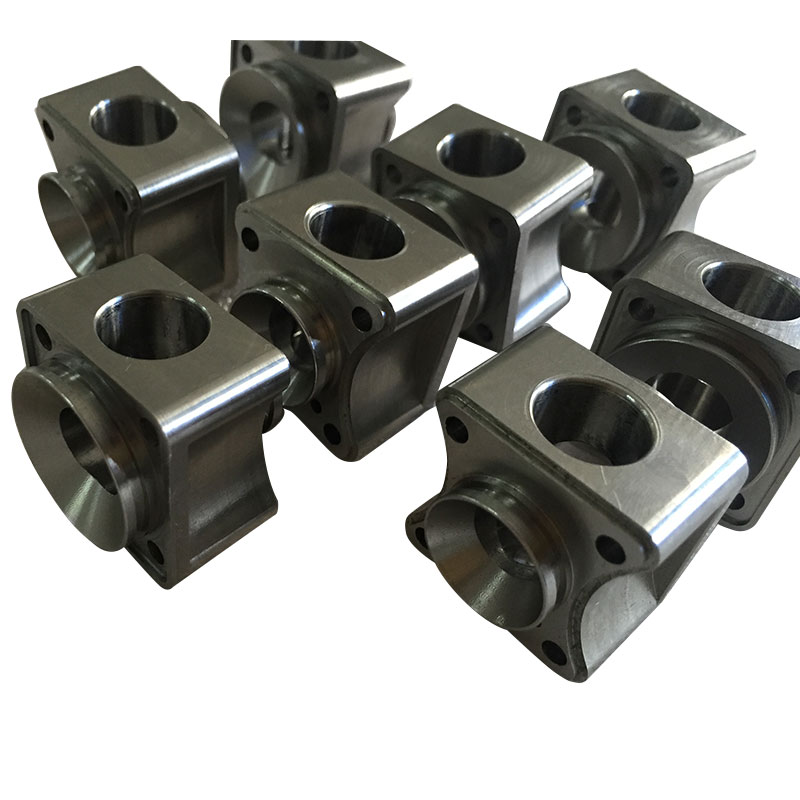
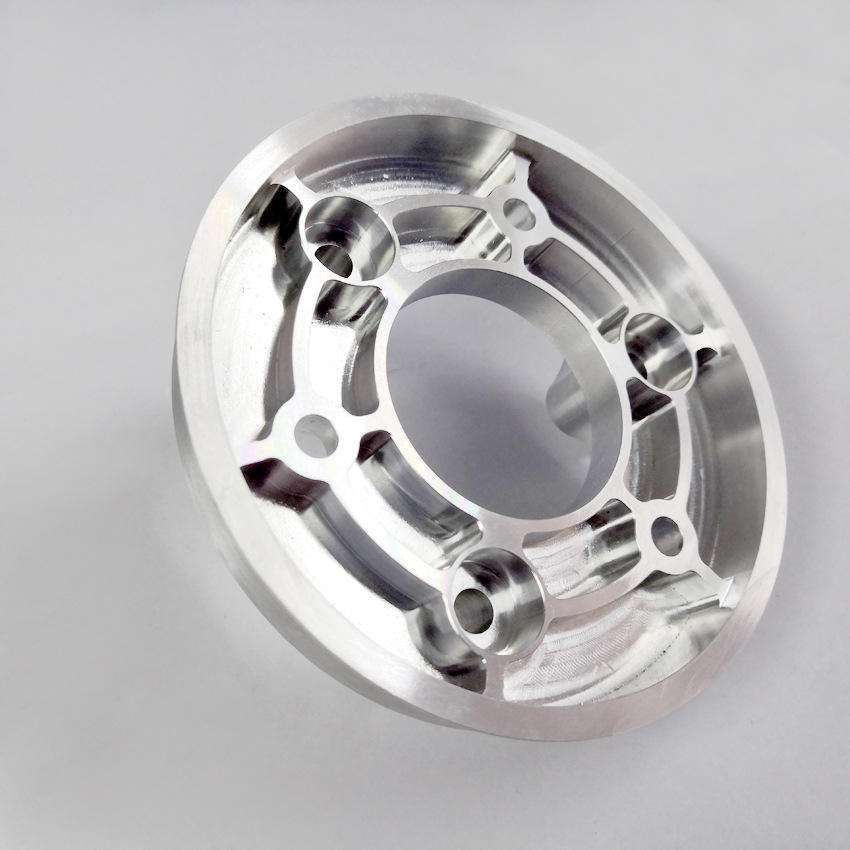
Precision aerospace components with complex geometries
Bro, let me tell you something – in today’s manufacturing world, precision isn’t just a nice-to-have, it’s a must-have. I’ve been making custom precision components for over 18 years, and I’ve seen how the right part can make or break an entire product.
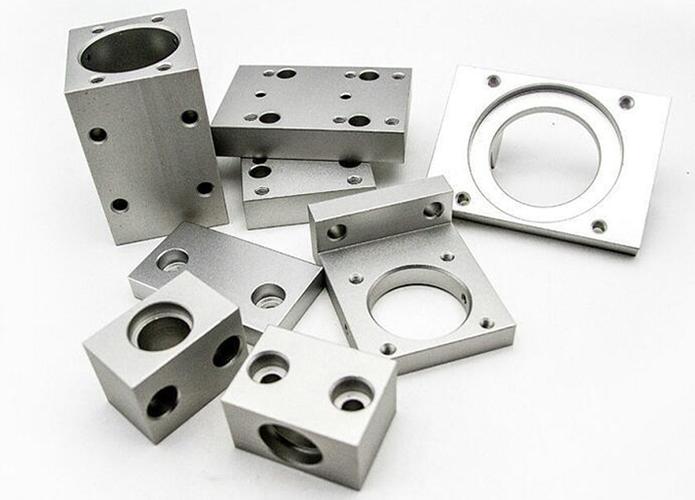
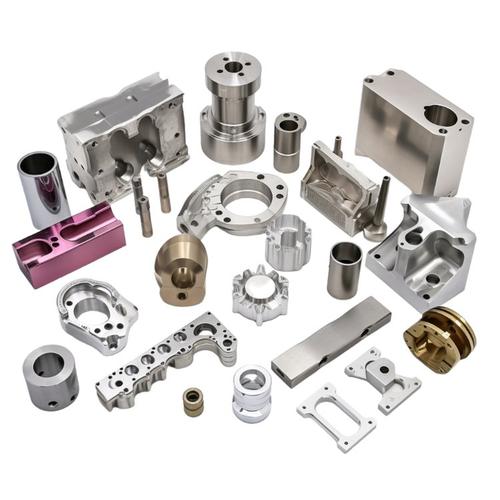
We’re talking parts that need to fit together like a glove, even when they’re made from different materials and have complex geometries. And the best part? We can make almost anything you can design – no matter how crazy it looks!
Industry Fact
The global precision parts market is projected to reach $347.24 billion by 2030 with an 8.4% CAGR. That’s a huge opportunity!
Our Precision Manufacturing Capabilities
CNC Milling & Turning
Dude, we’ve got some serious CNC machines here. Our 5-axis mills can create parts with complex geometries that would have been impossible just a few years ago. And our turning centers? They can hold tolerances down to ±0.005mm!
- 5-axis simultaneous machining
- Tolerances up to ±0.005mm (±0.0002″)
- Maximum part size: 1200mm x 800mm x 600mm
- Test data*: 99.7% first-pass yield rate
Multi-Tasking Machines
These are my favorite machines! They can do turning, milling, drilling, and tapping all in one setup. No more moving parts between machines – that means better accuracy and faster delivery!
Combined turning & milling operations
- Automatic tool changers with 40+ tools
- Bar feeders for unattended production
- Test data*: 40% faster production than traditional methods
Surface Finishing
Precision isn’t just about dimensions – it’s also about surface finish. We can get surfaces as smooth as Ra 0.1μm for those super critical applications.
- Surface finishes down to Ra 0.1μm
- Anodizing, plating, and coating services
- Passivation for stainless steel parts
- Test data*: 95% of parts meet or exceed surface finish requirements
Quality Control
We take quality seriously here. Every part goes through multiple inspections – from in-process checks to final CMM measurements. We don’t ship junk!
- Coordinate Measuring Machine (CMM) inspection
- Optical comparators and vision systems
- 100% inspection for critical dimensions
- Test data*: 99.9% customer satisfaction rate
*Test data for reference only – actual results may vary based on specific application and requirements
Materials We Master
Q: What’s the most challenging material you’ve worked with?
A: Bro, that’s got to be Inconel 718 – it’s a super alloy used in jet engines. Machining that stuff is like trying to cut through hardened steel with a butter knife! But with the right tools and parameters, we got it done. Took forever, but the part came out perfect.
Industries We Serve
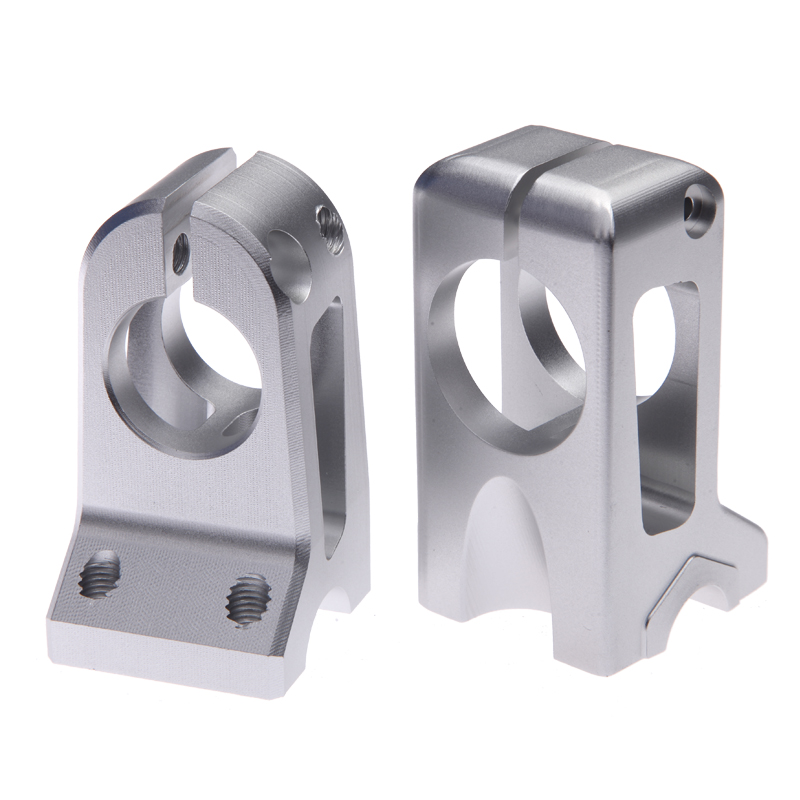
High-precision aerospace components with complex geometries
Aerospace & Defense
This is where precision really matters. We make parts that go into planes, missiles, and satellites – if they fail, people could die. That’s why we take it so seriously.
Complies with AS9100D and MIL-SPEC standards
Medical Devices
We make parts that go into people’s bodies – implants, surgical tools, you name it. Biocompatibility and precision are non-negotiable here.
Complies with ISO 13485:2016 and FDA regulations
Automotive
Lightweighting is the name of the game here. We make parts that make cars lighter, faster, and more fuel-efficient.
Complies with IATF 16949 quality standards
2026 Trends in Precision Manufacturing
AI-Driven Smart Machining
Bro, this is next-level stuff! Our AI systems now adjust feeds and speeds in real-time based on sensor data. It’s like having a master machinist watching every cut!
Test data*: AI optimization reduces cycle times by 35%
Digital Twin Technology
We can now simulate the entire machining process before we even touch a physical part. No more costly mistakes or rework!
Test data*: Digital twins reduce setup time by 40%
Sustainable Manufacturing
Green is the new black in manufacturing. We use minimum quantity lubrication and recycle 95% of our metal chips.
Test data*: Sustainable practices reduce operating costs by 25%
Automated Inspection
Our vision systems can inspect parts in seconds with micron-level accuracy. No more manual measurements!
Test data*: Automated inspection is 5x faster than manual
Standards We Live By
Quality Certifications
- ISO 9001:2015 – Quality management system
- AS9100D – Aerospace quality standard
- IATF 16949 – Automotive industry standard
- ISO 13485:2016 – Medical device quality standard
- RoHS Compliance – Environmental standards
- MIL-SPEC – Military specifications
Pro Tip
When choosing a precision components supplier, always ask for their certification documentation. If they can’t provide it, run!
Why Standards Matter
Dude, standards aren’t just pieces of paper – they’re what ensure that the parts you get today will be identical to the parts you get next month and next year.
In aerospace, a single mistake can cost lives. In medical devices, it can mean the difference between a successful surgery and a catastrophic failure. That’s why we take these standards so seriously.
Every part we make comes with a complete documentation package, including material certifications, inspection reports, and traceability information.
Frequently Asked Questions
Q: What’s the smallest tolerance you can hold?
A: We can hold tolerances down to ±0.005mm (±0.0002″) on critical features. That’s about 1/20th the width of a human hair!
Q: How long does it take to get a custom part made?
A: It depends on the complexity, but we can usually get prototypes done in 7-10 days and production parts in 2-4 weeks. Rush service is available for those “oh no!” moments.
Q: What file formats do you accept?
A: We accept all the standard formats – STEP, IGES, SolidWorks, Fusion 360, AutoCAD. Just send us what you’ve got, and we’ll make it work!
Q: Can you help with design for manufacturability?
A: Absolutely! We love helping customers optimize their designs for better manufacturability. It’s like getting free engineering advice!
Q: What’s the largest part you can make?
A: We can make parts up to 1200mm x 800mm x 600mm. If you need something bigger, we’ve got partners who can handle even larger parts.
How We Make Your Precision Components
- 1
Design Review: We start by reviewing your design and providing feedback on manufacturability and cost optimization. - 2
Material Selection: We help you choose the right material for your application, considering factors like strength, corrosion resistance, and cost. - 3
CNC Programming: Our programmers create optimized toolpaths using the latest CAD/CAM software, often using digital twins to simulate the process. - 4
Machining: Our state-of-the-art CNC machines get to work, with AI-driven systems adjusting parameters in real-time for optimal results. - 5
Surface Finishing: We apply any required surface treatments – anodizing, plating, passivation, or custom coatings. - 6
Quality Inspection: Every part goes through rigorous inspection using CMM, optical comparators, and vision systems before shipment.
Ready to Get Your Precision Components Made?
Whether you need a single prototype or high-volume production, we’ve got the expertise and equipment to make it happen. Let’s bring your design to life!