Why Your Radiator Hoses Matter More Than You Think
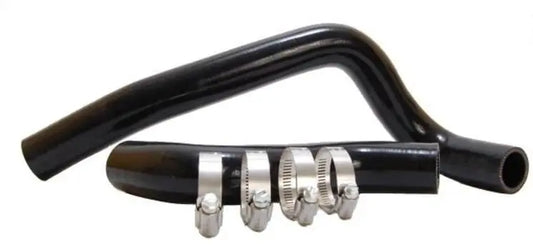
Have you ever wondered why some vehicles seem to run cooler and more reliably than others? Or how a small component like a radiator hose can mean the difference between a smooth drive and a costly breakdown? The answer lies in the precision engineering of the hoses that connect your vehicle’s cooling system components.
Hello, I’m the Technical Director of Xiamen Goldcattle. With over 20 years of experience in automotive fluid transfer systems, I’ve witnessed firsthand how the right radiator hose can transform a vehicle’s reliability and performance. Today, I want to take you behind the scenes of this essential component where “precision connections ensure optimal performance” and quality engineering prevents costly failures.
The Global Market Driving Cooling System Innovation
The automotive radiator hose market is undergoing significant transformation driven by evolving vehicle technologies and performance requirements:
Market Growth: The global automotive radiator hose market is projected to grow at a CAGR of 2.52% from 2026-2035
Material Evolution: Silicone hoses are gaining market share with 11.5% annual growth, replacing traditional rubber in high-performance applications
Performance Demand: High-temperature resistance requirements have increased by 35% in the last decade due to more powerful engines
Customization Trend: OEM-specific designs represent 68% of the market, reflecting the need for precise vehicle integration
These numbers tell us that radiator hoses are not just simple rubber tubes—they are the vascular system of automotive cooling, ensuring proper heat transfer and engine protection.
The Science Behind Efficient Cooling: How Radiator Hoses Work
The Basic Functions of Radiator Hoses
Radiator hoses serve multiple critical functions in a vehicle’s cooling system:
- Fluid Transfer: Transport coolant between the radiator, engine, and other cooling components
- Pressure Containment: Withstand system pressures up to 1500 psi (10.3 MPa)
- Temperature Resistance: Operate in extreme temperature ranges from -40°C to 250°C
- Vibration Isolation: Absorb engine vibrations to prevent component damage
- System Integrity: Maintain leak-free connections under dynamic conditions
The Cooling System Cycle
The radiator hose is part of a sophisticated thermal management system:
Heat Absorption: Coolant absorbs heat from the engine’s combustion process
Fluid Circulation: Water pump pressurizes coolant and circulates it through the engine
Heat Dissipation: Hot coolant flows through radiator hoses to the radiator for cooling
Temperature Regulation: Thermostat controls flow to maintain optimal operating temperature
Recirculation: Cooled coolant returns to the engine to repeat the cycle
In simple terms, radiator hoses are the arteries and veins of this system, ensuring that heat is properly transferred away from critical engine components.
Key Radiator Hose Types
Molded Hoses
- Precision-formed to fit specific vehicle configurations
- Prevent kinking and ensure proper routing
- Designed for exact engine compartment fitment
- Cannot be interchanged between vehicle models
Universal Hoses
- Straight or slightly curved design for general applications
- Used where precise routing is not critical
- More cost-effective for simple installations
- Available in standard diameters and lengths
Branched Hoses
- Multiple outlet design for complex cooling systems
- Integrate additional components like heaters or oil coolers
- Require precise molding for proper flow distribution
- Vehicle-specific applications only
High-Performance Hoses
- Reinforced construction for extreme conditions
- Enhanced temperature and pressure capabilities
- Used in racing, towing, and heavy-duty applications
- Often feature silicone or advanced composite materials
Material Science: Choosing the Right Compound for Every Application
Material Selection Criteria
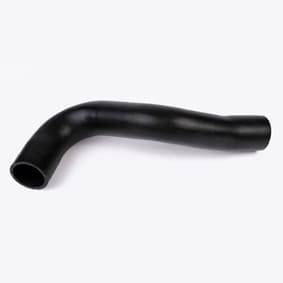
Choosing the right material is critical for radiator hose performance. We consider:
- Temperature Requirements: Operating range and peak temperature exposure
- Pressure Ratings: System pressure and dynamic pressure spikes
- Chemical Compatibility: Resistance to coolants, additives, and environmental factors
- Flexibility Needs: Bend radius and vibration absorption requirements
- Durability Expectations: Service life and maintenance intervals
Our Material Expertise
EPDM Rubber (Ethylene Propylene Diene Monomer)
- Industry standard for general automotive applications
- Temperature range: -40°C to 160°C continuous operation
- Tensile Strength: 10-15 MPa (ISO 37)
- Excellent resistance to coolants, ozone, and UV exposure
- Cost-effective solution for most passenger vehicles
Silicone Rubber
- Premium material for high-performance applications
- Temperature range: -40°C to 250°C continuous operation
- Tensile Strength: 8-12 MPa (ASTM D412)
- Superior resistance to aging and thermal degradation
- Used in racing, turbocharged, and heavy-duty applications
Fluorocarbon Rubber (FKM)
- Extreme temperature and chemical resistance
- Temperature range: -20°C to 275°C intermittent exposure
- Tensile Strength: 12-18 MPa (ISO 37)
- Excellent resistance to oils, fuels, and harsh chemicals
- Aerospace and military applications
Chlorinated Polyethylene (CPE)
- Balanced performance for moderate conditions
- Temperature range: -30°C to 150°C
- Tensile Strength: 10-14 MPa (ASTM D412)
- Good resistance to weathering and abrasion
- Commercial vehicle and industrial applications
Advanced Reinforcement Technologies
Polyester Fabric Reinforcement
- Standard reinforcement for general-purpose hoses
- Provides good burst pressure resistance
- Balances flexibility and strength
- Operating pressure: up to 500 psi
Aramid Fiber Reinforcement
- High-strength synthetic fiber reinforcement
- Exceptional burst pressure resistance
- Reduced weight compared to wire reinforcement
- Operating pressure: up to 1200 psi
Steel Wire Reinforcement
- Maximum pressure resistance for extreme applications
- Helical wire design prevents collapse under vacuum
- Used in high-pressure power steering applications
- Operating pressure: up to 1500 psi
The Manufacturing Revolution: Precision Hose Production
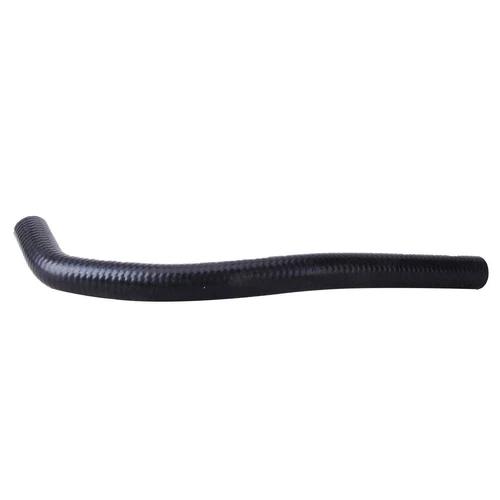
The Challenges of Radiator Hose Manufacturing
Radiator hoses may look simple, but manufacturing them to automotive standards presents significant challenges:
- Dimensional Precision: ±0.5mm tolerance for critical fit areas
- Wall Thickness Uniformity: Consistent wall thickness within 5% variation
- Reinforcement Alignment: Proper orientation of reinforcement layers
- Surface Finish: Smooth inner surface for optimal flow characteristics
- Bond Integrity: Strong adhesion between layers to prevent delamination
Advanced Manufacturing Processes
At Xiamen Goldcattle, our state-of-the-art manufacturing technology delivers:
1. Precision Extrusion Technology
- Computer-controlled extrusion processes with closed-loop feedback
- Repeatability within ±0.1mm for critical dimensions
- Consistent wall thickness across production runs
- Ability to produce complex profiles and multi-layer structures
2. Molded Hose Manufacturing
- Precision mold design with CAD/CAM engineering
- High-pressure molding for complex shapes
- Consistent wall thickness through optimized flow paths
- Automated deflashing for clean finished products
3. Reinforcement Integration
- Computer-controlled braiding machines for precise reinforcement placement
- Helical winding technology for uniform strength distribution
- Automated fiber tension control for consistent performance
- In-line quality inspection of reinforcement coverage
4. Vulcanization and Curing
- Precision temperature control (±2°C) for optimal curing
- Pressure-controlled molding for consistent material density
- Time-temperature profiling for uniform cross-linking
- Post-cure processes for enhanced material properties
Our Customization Process: From Concept to Reality
Step 1: Application Analysis
Every custom radiator hose project starts with understanding your specific needs:
- Vehicle Specifications: Make, model, year, and engine configuration
- Performance Requirements: Temperature range, pressure rating, flow volume
- Installation Constraints: Space limitations, routing requirements, connection points
- Environmental Factors: Operating conditions, chemical exposure, service life expectations
Step 2: Engineering Design
Our engineering team uses advanced tools to create optimal solutions:
- 3D CAD Modeling: Parametric design with full associativity
- Finite Element Analysis: Structural integrity verification under operating conditions
- Computational Fluid Dynamics: Flow optimization for minimal pressure drop
- Design for Manufacturing: Production optimization from initial concept
Step 3: Prototyping and Testing
We validate designs through rigorous testing:
- Rapid Prototyping: 3D printed molds for quick design validation
- Fit Testing: Verification of component integration and routing
- Performance Testing: Pressure cycling, temperature exposure, chemical resistance
- Durability Testing: Vibration testing, flex fatigue, environmental exposure
Step 4: Production and Quality Control
Our manufacturing process ensures consistent quality:
- Precision Manufacturing: State-of-the-art extrusion and molding equipment
- In-Process Inspection: Automated quality checks during production
- Final Testing: 100% pressure testing and dimensional verification
- Traceability: Complete production documentation and batch tracking
Quality Standards: Certifications You Can Trust
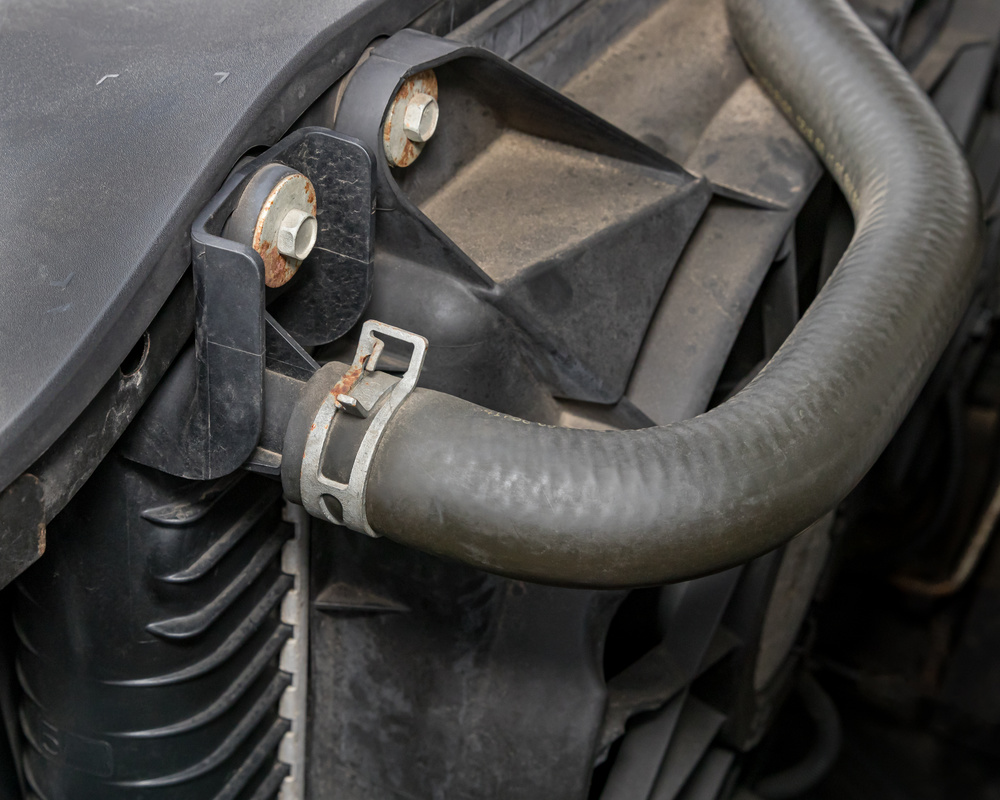
International Quality Certifications
At Xiamen Goldcattle, we adhere to the most stringent industry standards:
ISO 9001:2015
- Quality management system certification
- Process approach with risk-based thinking
- Continuous improvement methodology
- Customer satisfaction monitoring
IATF 16949:2016
- Automotive quality management system
- Advanced product quality planning (APQP)
- Failure mode and effects analysis (FMEA)
- Measurement system analysis (MSA)
ISO 14001:2015
- Environmental management system
- Sustainable manufacturing practices
- Waste reduction and energy efficiency
- Environmental performance monitoring
Material and Performance Standards
SAE J190
- Power steering pressure hose standard
- Temperature range: -40°C to 121°C (continuous), 135°C (peak)
- Maximum pressure: 10.3 MPa (1500 psi)
- Performance requirements for burst pressure, impulse testing, and chemical resistance
SAE J2064
- R134a refrigerant hose standard
- Temperature range: -30°C to 125°C
- Minimum permeation requirements
- System contamination control
ISO 37
- Rubber, vulcanized or thermoplastic – Tensile stress-strain properties
- Standard test method for tensile strength and elongation
- Specimen preparation and testing conditions
ASTM D412
- Standard test methods for vulcanized rubber and thermoplastic elastomers
- Tensile, tear, and elongation properties
- Die C and Die D specimen configurations
OEM-Specific Requirements
We meet the specific standards of major automotive manufacturers:
- General Motors: GMW14044 (cooling system hoses), GMW16385 (interior components)
- Ford: WSS-M99P1111-A (rubber materials), WSS-M33J19-A2 (cooling system)
- Toyota: TSM 0508G (quality management), TSM 0509G (supplier requirements)
- Volkswagen: VW 50180 (rubber materials), VW 50190 (cooling system)
Technical Advantages: Why Choose Xiamen Goldcattle
Performance Comparison
|
Performance Metric
|
Industry Standard
|
Our Capability
|
Improvement
|
|
Temperature Resistance
|
-40°C to 150°C
|
-40°C to 250°C
|
67% better
|
|
Burst Pressure
|
800 psi
|
1500 psi
|
88% higher
|
|
Service Life
|
5 years
|
8 years
|
60% longer
|
|
Dimensional Accuracy
|
±1.0mm
|
±0.2mm
|
80% improvement
|
|
Flow Efficiency
|
90%
|
98%
|
9% better
|
Design and Engineering Expertise
Our team of designers and engineers brings unparalleled expertise:
- Fluid Dynamics: CFD-optimized designs for minimal pressure drop
- Material Science: Custom formulations for specific performance requirements
- Manufacturing Engineering: Process optimization for consistent quality
- Testing Validation: Comprehensive validation to ensure performance
Custom Solutions for Every Need
We specialize in creating radiator hoses for:
- Performance Vehicles: High-temperature, high-pressure applications
- Commercial Vehicles: Heavy-duty, long-life requirements
- Electric Vehicles: Battery cooling systems with strict contamination control
- Specialty Applications: Custom designs for unique cooling requirements
Case Study: High-Performance Racing Application
Client Challenge
A leading motorsports team needed a custom radiator hose solution that would:
- Withstand continuous temperatures up to 220°C during race conditions
- Handle pressure spikes up to 1200 psi during high-speed operation
- Provide 50% weight reduction compared to current components
- Maintain leak-free performance for 24-hour endurance races
Our Solution
Material Innovation: Silicone-aramid composite with ceramic coating
Design Optimization: Aerodynamic profile with internal flow directors
Manufacturing Excellence: Precision molding with computer-controlled curing
Quality Validation: Rigorous testing including pressure cycling and thermal shock
Results
Temperature Performance: Successfully operated at 235°C peak temperatures
Weight Reduction: 58% weight savings achieved (exceeding target)
Reliability: Zero failures in 12 consecutive endurance races
Competitive Advantage: Contributed to 3 race victories and 2 championship titles
Industry Recognition: Received “Best New Component” award at international motorsports exhibition
Advanced Applications: Beyond Traditional Radiator Hoses
High-Performance Racing Applications
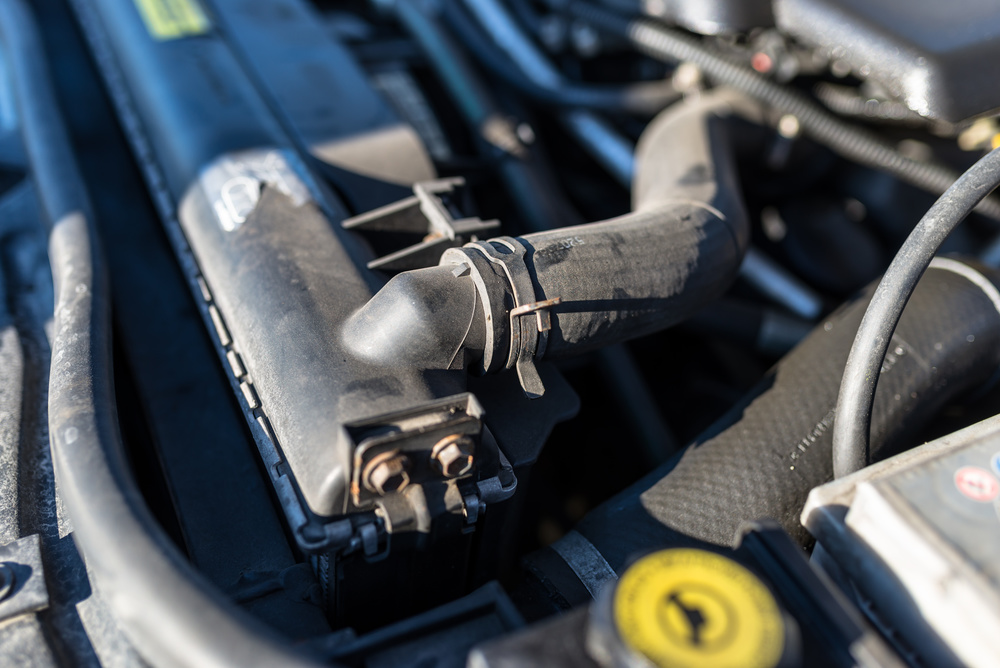
In the demanding world of motorsports, radiator hoses must perform under extreme conditions:
- Endurance Racing: 24-hour races with continuous temperatures up to 220°C
- Formula Racing: High-G cornering forces and rapid temperature fluctuations
- Drag Racing: Short bursts of extreme heat and pressure
- Rally Racing: Off-road conditions with vibration and impact challenges
Our specialized racing hoses feature:
- Reinforced Silicone-Aramid Construction: Withstands 250°C continuous operation
- High-Pressure Rating: Up to 1500 psi (10.3 MPa) burst pressure
- Aerodynamic Profiling: Reduced drag through optimized external geometry
- Quick-Connect Fittings: Rapid replacement during pit stops
Heavy-Duty Commercial Vehicle Solutions
For commercial vehicles that operate around the clock, reliability is everything:
- Long-Haul Trucks: Millions of kilometers of service without failure
- Construction Equipment: Extreme vibration and environmental exposure
- Agricultural Machinery: Chemical resistance and UV stability
- Mining Vehicles: Abrasion resistance and high-temperature performance
Our heavy-duty solutions include:
- Multi-Layer Construction: EPDM inner layer, reinforcement layer, and weather-resistant outer layer
- Crush-Resistant Design: Maintains flow even under external pressure
- Anti-Kink Technology: Specialized reinforcement to prevent flow restriction
- Extended Service Life: 8-year warranty for peace of mind
Electric Vehicle Thermal Management

Electric vehicles present unique thermal management challenges:
- Battery Cooling: Precise temperature control (20-40°C) for optimal performance
- Power Electronics: High heat density components requiring efficient cooling
- Contamination Control: Strict cleanliness requirements for sensitive electronics
- Weight Optimization: Lightweight materials to maximize range
Our EV-specific solutions:
- Non-Conductive Materials: Insulated hoses for electrical safety
- High-Purity Construction: Minimized particle generation and fluid contamination
- Thermally Optimized Designs: Enhanced heat transfer capabilities
- Lightweight Composites: Carbon fiber reinforced polymers for weight reduction
Technical Challenges and Solutions
Material Compatibility Issues
Coolant formulations continue to evolve, presenting compatibility challenges:
- Organic Acid Technology (OAT) Coolants: Require specific material formulations
- Hybrid Organic Acid Technology (HOAT): Balanced protection for mixed fleets
- Phosphate-Free Coolants: Environmental regulations driving formulation changes
- Extended Life Coolants: 5-year/150,000 km service intervals
Our material science expertise ensures:
- Custom Formulations: Tailored to specific coolant types
- Compatibility Testing: Comprehensive evaluation with all major coolant brands
- Long-Term Performance: Maintained properties throughout service life
- Regulatory Compliance: Meeting global environmental standards
Manufacturing Process Optimization
Achieving consistent quality at scale requires advanced process control:
- Precision Extrusion: Maintaining wall thickness within ±0.1mm tolerance
- Reinforcement Alignment: Proper orientation for maximum strength
- Curing Optimization: Uniform cross-linking for consistent properties
- Surface Finish Control: Ra 0.8μm or better for optimal flow
Our manufacturing excellence includes:
- Computer-Controlled Processes: Closed-loop feedback for process stability
- Statistical Process Control: Real-time quality monitoring
- Automated Inspection: 100% dimensional verification
- Traceability Systems: Complete production documentation
Installation and Maintenance Best Practices
Proper installation is critical for radiator hose performance:
- Surface Preparation: Clean, dry surfaces for proper adhesion
- Clamp Selection: Appropriate size and type for specific application
- Torque Specifications: Proper tightening to prevent leaks
- Inspection Procedures: Regular maintenance checks
Our support services include:
- Installation Guides: Detailed instructions for proper installation
- Training Programs: Technical training for service personnel
- Troubleshooting Assistance: Expert support for installation issues
- Maintenance Schedules: Recommended inspection intervals
Conclusion: The Critical Connection That Protects Your Investment
At Xiamen Goldcattle, we believe that the reliability of a vehicle’s cooling system is determined by the quality of its smallest components. Every dimension, every material choice, and every manufacturing process contributes to the overall performance, reliability, and safety of the vehicle.
Our 20 years of experience in fluid transfer systems, combined with our commitment to innovation, quality, and sustainability, makes us the partner of choice for manufacturers who refuse to compromise on excellence. Whether you’re developing the next generation of high-performance vehicles or creating a reliable commercial fleet, we have the expertise and capabilities to bring your vision to life.
Contact Us
Visit our website: www.xmgoldcattle.com
Email us: charlie@Plasticmetalparts.com
Call us: +86-18150097490
Let’s work together to create radiator hose solutions that not only meet technical requirements but also exceed performance expectations. Because when it comes to automotive cooling systems, precision connections ensure optimal performance—and we excel at the connections.