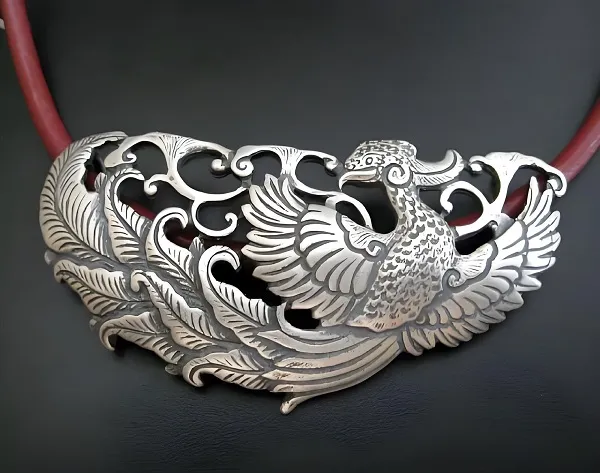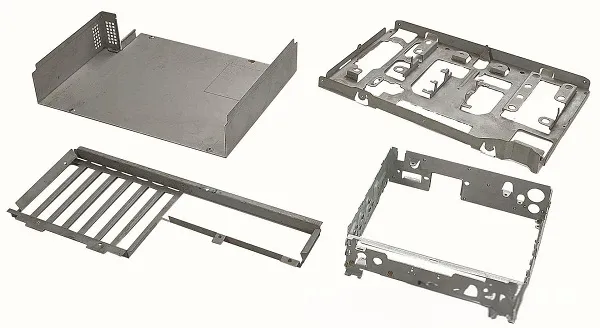
Technical Advantages: Precision Replication Capabilities Based on ISO/ASTM Standards
According to ISO/ASTM 52900:2021 “Additive Manufacturing – General Principles – Fundamentals and Vocabulary” and GB/T 26701-2011 “General Technical Requirements for Model Products”, the core advantage of 3D printed figurines lies in the ability to perfectly replicate complex shapes, accurately restoring microscopic features such as hair details (minimum 0.03mm), facial expressions, and skin textures. Compared with traditional manual production, 3D printing technology can achieve:
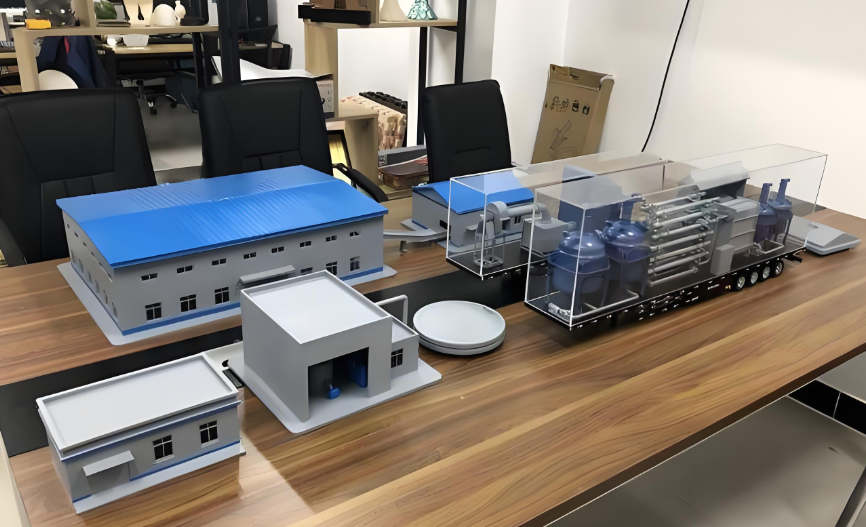
- Micron-level detail reproduction: According to T/CPPC “3D Printing Material Photocuring Resin Standard”, surface roughness can be controlled at Ra≤0.4μm, far exceeding the surface quality requirements of traditional processes
- Precise dimensional control: According to SLA photocuring printing standards, X/Y plane accuracy can reach ±0.05mm, Z-axis accuracy can reach ±0.1mm, ensuring that the figurine proportions perfectly meet design requirements
- Complex structure integrated molding: Capable of achieving hollow structures, fine decorations, and movable joint designs that are difficult to produce with traditional processes
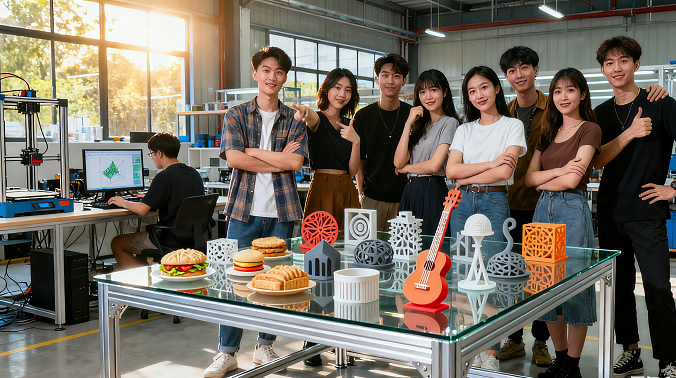
Professional Team: Engineering Team with Over 10 Years of Industry Experience
Xiamen Goldcattle has a technical team composed of 15 professional engineers, 8 of whom have over 10 years of 3D printing processing experience, all holding ISO/ASTM 52926 “Additive Manufacturing Operator Qualification Certification”. Core team members include:
- Chief Engineer Zhang Ming: 12 years of 3D printing industry experience, has led the development of multiple large IP figurine projects, proficient in various 3D printing technologies such as SLA/DLP/SLS
- Senior Designer Li Qiang: Focused on figurine modeling for 8 years, specializing in character design and detail optimization, with works having won multiple design awards
- Process Engineer Wang Fang: 10 years of post-processing experience, proficient in various surface treatment processes to ensure the final presentation effect of figurines
Based on the figurine concept drawings and 3D model files (STL/STEP format) provided by customers, senior engineers will follow up throughout the process to provide professional Design for Manufacturability (DFM) analysis, including:
- Structural optimization suggestions: According to ASTM F3572 “Additive Manufacturing – Part Classifications Standard”, conduct strength analysis and optimization of the model
- Material selection guidance: According to T/CPPC “3D Printing Material Photocuring Resin Standard”, recommend the most suitable printing materials
- Process parameter setting: According to ISO/ASTM 52941 “Additive Manufacturing System Performance Standard”, determine the optimal printing parameters

Authoritative Standards: Strictly Following International Quality Standard Systems
Xiamen Goldcattle strictly follows multiple international and national standards to ensure that each 3D printed figurine meets collectible quality:
1. Dimensional Accuracy Standards
According to ISO/ASTM 52941 “Additive Manufacturing System Performance and Reliability Standard”, we control the dimensional error of figurines within:
- X/Y plane accuracy: ±0.05mm (meeting SLA photocuring printing standard resolution requirements)
- Z-axis accuracy: ±0.1mm (meeting the accuracy requirements for the height direction of figurines)
- Overall proportion error: ≤0.5% (complying with GB/T 26701-2011 “General Technical Requirements for Model Products”)
2. Material Safety Standards
All printing materials comply with the following safety standards:
- T/CPPC “3D Printing Material Photocuring Resin Standard”: Ensuring resin materials are non-toxic and odorless
- GB 6675 “Toy Safety Standard”: Heavy metal content meets national toy safety requirements
- ISO/ASTM 52933 “Additive Manufacturing Environment, Health and Safety Standard”: Ensuring environmentally friendly and safe production processes
3. Surface Quality Standards
- Surface roughness: Ra≤0.4μm (meeting T/CPPC standard requirements)
- Coating adhesion: ≥4B grade (according to GB/T 9286 “Paints and Varnishes – Cross-Cut Test”)
- Color reproduction accuracy: ΔE≤2.0 (complying with CIE LAB color space standards)
Process Flow: Standardized Five-Step Manufacturing Process
Step 1: Design Analysis and Optimization (DFM)
The senior engineering team conducts manufacturability analysis, optimizing the model according to ASTM F3572 “Additive Manufacturing – Part Classifications Standard”:
- Wall thickness optimization: Ensuring minimum wall thickness ≥0.8mm (based on SLA printing material characteristics)
- Support structure design: Avoiding support damage to details
- Printing direction determination: Optimizing surface quality and strength distribution
Step 2: Material Selection and Equipment Debugging
Select the most suitable printing materials according to figurine type and requirements:
- Standard resin: Suitable for most figurines, with smooth surface and high detail reproduction
- Tough resin: Suitable for movable joint figurines, with excellent impact resistance
- Transparent resin: Suitable for figurine parts requiring transparent effects
Equipment debugging is strictly carried out according to ISO/ASTM 52941 standards to ensure printing accuracy and stability.
Step 3: High-Precision 3D Printing
Using industrial-grade SLA photocuring printers, printing parameters are strictly controlled:
- Layer thickness: 0.025-0.1mm (selected according to detail requirements)
- Laser power: 80-150mW (ensuring sufficient curing of resin)
- Scanning speed: 500-1500mm/s (balancing speed and quality)
Step 4: Post-Processing and Surface Refinement
Post-processing is carried out according to T/CPPC “3D Printing Material Photocuring Resin Standard”:
- Support removal: Manually and carefully removing supports to avoid damaging details
- Surface sanding: Gradually sanding with 200-1500 grit sandpaper to ensure smooth surface
- Post-curing treatment: Secondary curing in UV curing chamber to enhance material performance
Step 5: Coloring and Final Quality Inspection
- Base coloring: Using environmentally friendly water-based paints to ensure color reproduction accuracy
- Detail refinement: Using 000-sized fine brushes for detail painting
- Final quality inspection: Conducting comprehensive quality inspection according to GB/T 26701-2011 standards
Quality Assurance: Comprehensive Quality Control System
Xiamen Goldcattle has established a comprehensive quality control system to ensure that each figurine meets collectible quality:
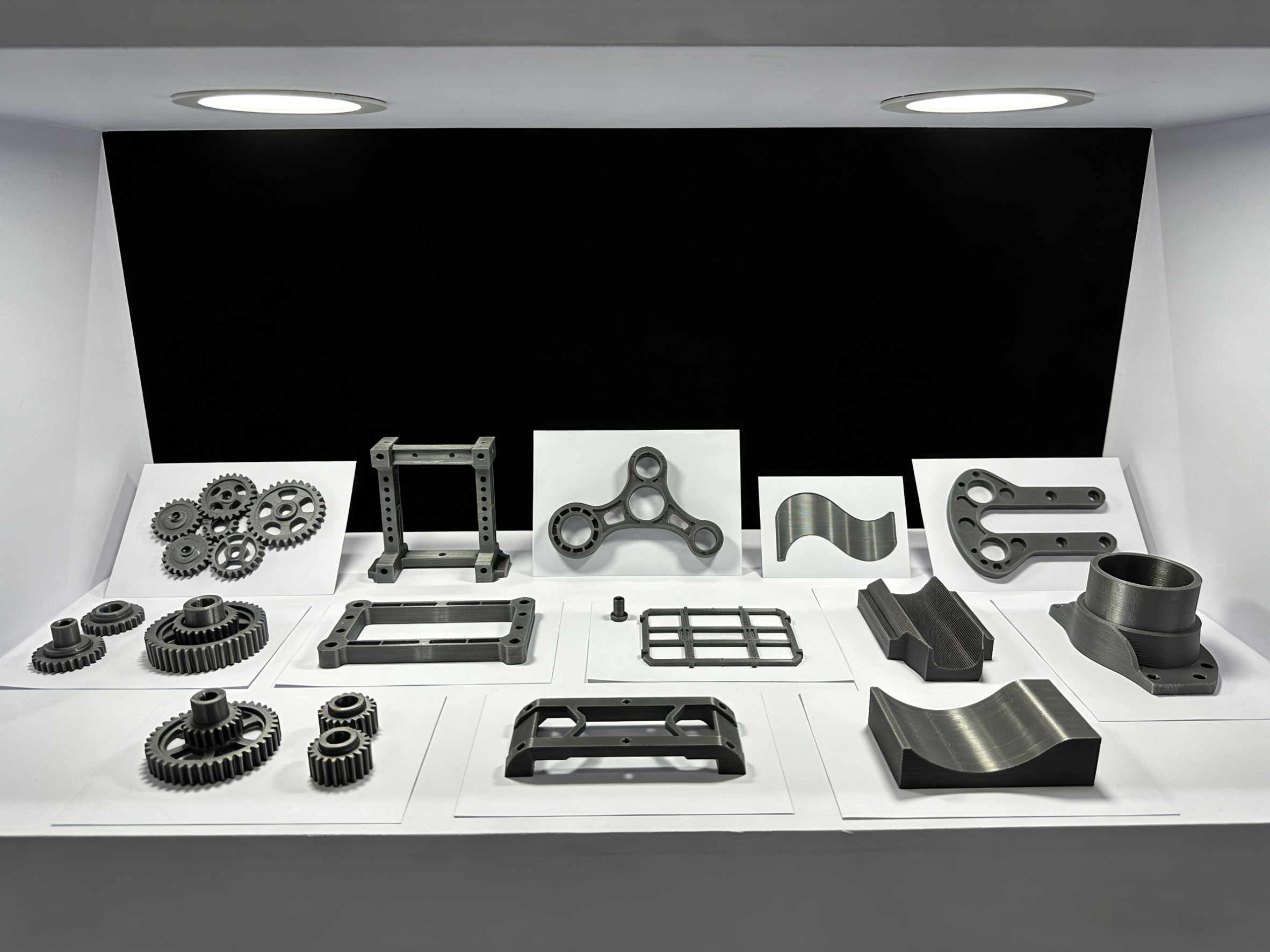
1. Raw Material Inspection
All printing materials undergo strict inspection, including:
- Viscosity test: According to GB/T 2794 “Determination of Viscosity of Adhesives”
- Density test: According to GB/T 15223 “Determination of Density of Plastic Liquid Resins”
- Curing performance test: Conducting critical exposure dose testing according to T/CPPC standards
2. In-Process Quality Control
- First article inspection: Conducting first article inspection before each batch printing to ensure correct parameters
- Patrol inspection system: Conducting quality checks every 2 hours during printing
- Parameter monitoring: Real-time monitoring of critical parameters such as printing temperature and humidity
3. Finished Product Quality Inspection
Comprehensive inspection according to GB/T 26701-2011 “General Technical Requirements for Model Products”:
- Dimensional accuracy inspection: Using coordinate measuring machines for 3D dimensional testing
- Appearance quality inspection: Conducting appearance inspection under standard light sources
- Performance testing: Including drop testing, coating adhesion testing, etc.
Application Cases: Successfully Serving Multiple Well-Known IP Projects
With professional technology and strict quality control, Xiamen Goldcattle has successfully provided 3D printed figurine customization services for multiple well-known IPs:
Case 1: Limited Edition Figurine for a Well-Known Anime IP
- Project scale: 500 limited edition figurines
- Technical challenges: Complex clothing details and movable joint design
- Solution: Using tough resin materials and optimizing joint structure design
- Quality indicators: Dimensional accuracy ±0.08mm, surface roughness Ra≤0.6μm
Case 2: Game Character Collectible Figurine
- Project characteristics: Need to highly restore character details from the game
- Technical highlights: Using high-precision SLA printing with 0.025mm layer thickness
- Final effect: Successfully restored fine details such as character hair and equipment
Case 3: Original Design Figurine Development
- Service content: Full-process service from concept design to final product
- Technical support: Providing DFM analysis and design optimization suggestions
- Project outcome: Helping customers successfully launch original figurine brands
Service Commitment: Professional, Efficient, and Reliable
Xiamen Goldcattle commits to providing professional, efficient, and reliable 3D printed figurine customization services for every customer:
1. Technical Support Commitment
- Providing free DFM analysis services
- 7×24 hour technical consultation support
- Professional design optimization suggestions
2. Quality Assurance Commitment
- All products comply with relevant international and national standards
- Providing quality inspection reports
- 1-year quality guarantee period
3. Delivery Time Commitment
- Prototype production: 7-10 working days
- Small-batch production: 15-30 working days
- Large-batch production: Negotiable according to specific quantity
4. After-Sales Service Commitment
- Providing product usage and maintenance guidance
- Supporting product repair and renovation services
- Establishing customer files and providing long-term technical support
Contact Us: Start Your Figurine Customization Journey
If you have customization needs for 3D printed figurines, welcome to contact our professional team:
Xiamen Goldcattle Precision Manufacturing Co., Ltd.
- Address: Xiamen City, Fujian Province
- Email: charlie@plasticmetalparts.com
- Website: www.xmgoldcattle.com
Our professional engineering team will provide you with free technical consultation and solution design to help you realize your figurine collection dreams.
Company Qualification Certifications:
- ISO 9001:2015 Quality Management System Certification
- ISO/ASTM 52926 Additive Manufacturing Operator Qualification Certification
- GB/T 26701-2011 Model Product Production Qualification
- T/CPPC 3D Printing Material Photocuring Resin Standard Certification
Technical Standards Followed:
- ISO/ASTM 52900:2021 Additive Manufacturing – General Terminology
- ISO/ASTM 52941:2020 Additive Manufacturing System Performance Standard
- GB/T 26701-2011 General Technical Requirements for Model Products
- T/CPPC 3D Printing Material Photocuring Resin Standard
- ASTM F3572-22 Additive Manufacturing – Part Classifications Standard