Product Overview
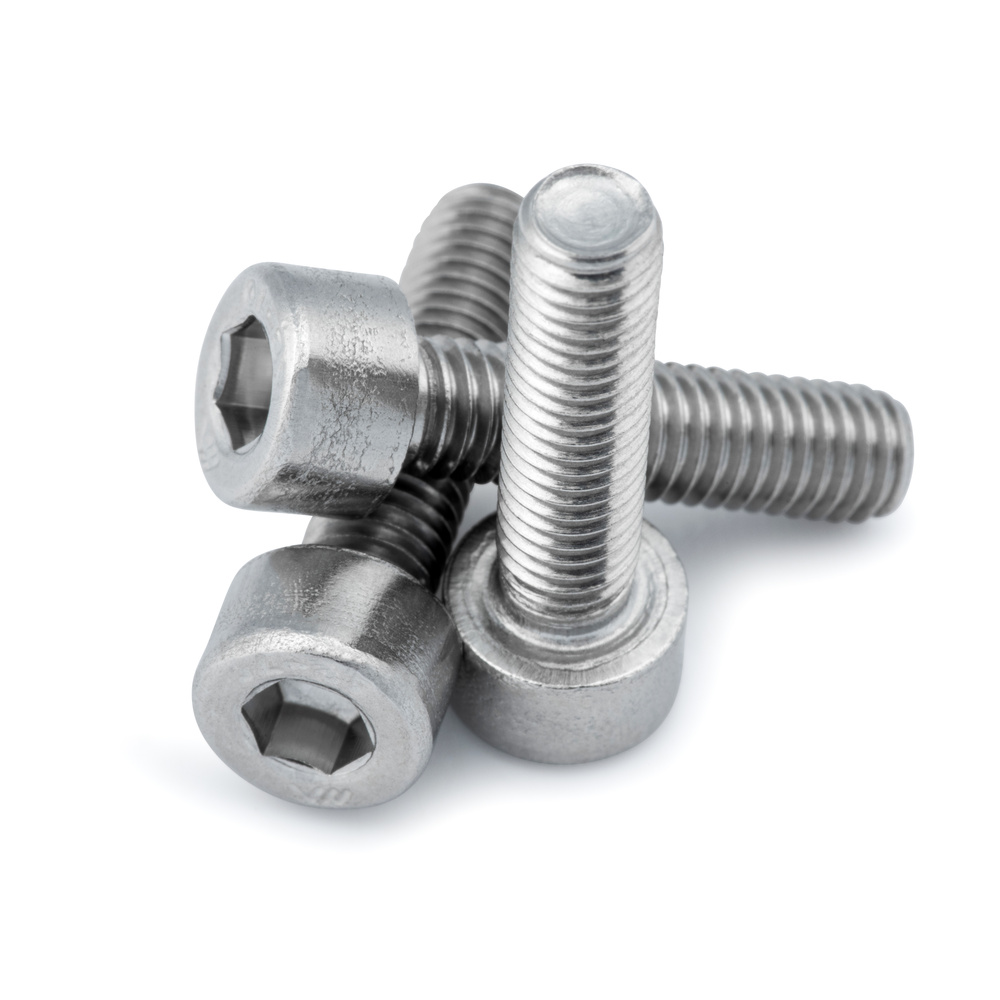
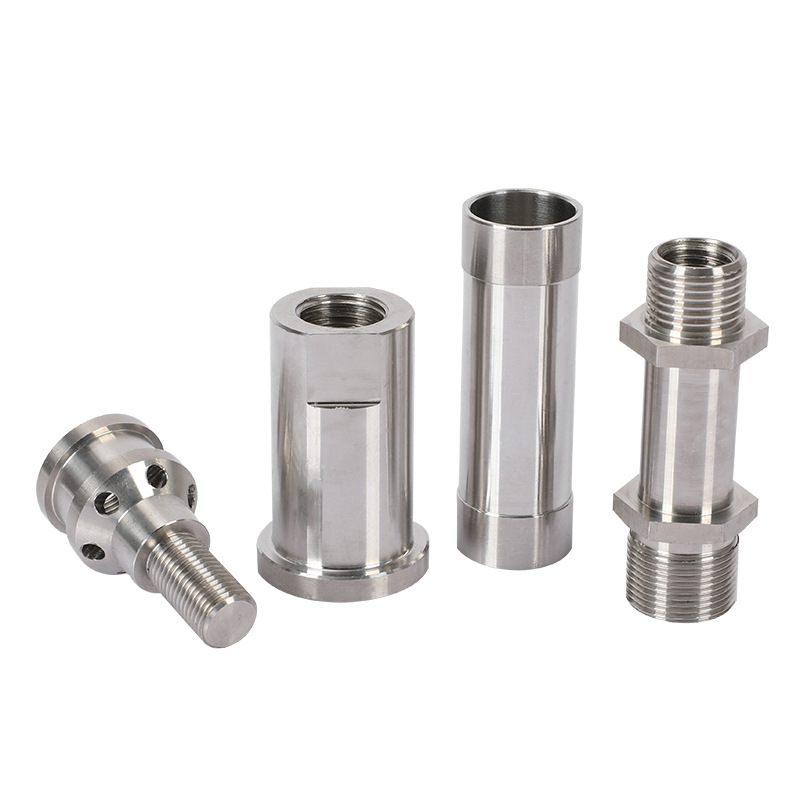
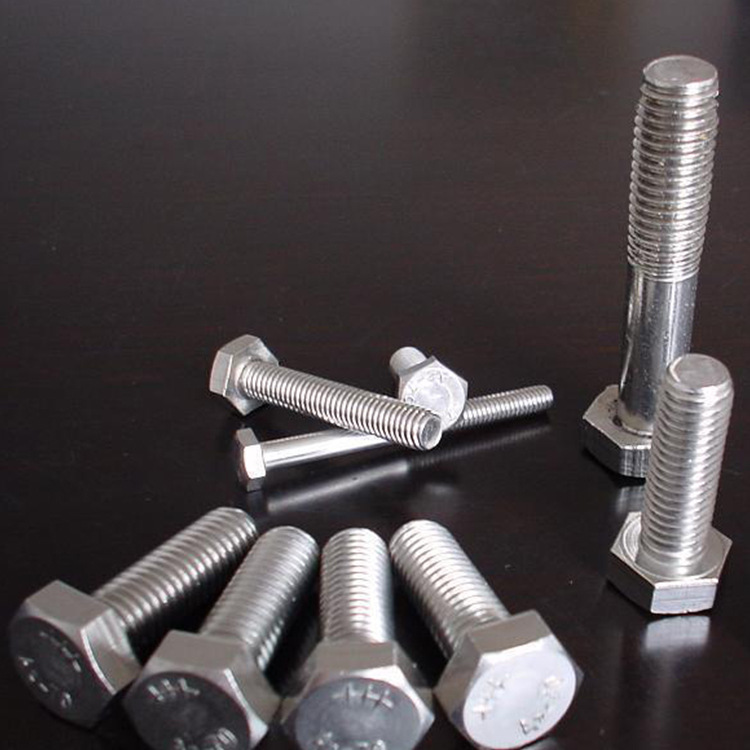
Hexagon socket head cap screws, also known as Allen head screws, are fasteners with a hexagonal hole in the head. Their unique design allows tightening and loosening with a hex wrench or socket, providing an efficient and secure fastening solution.
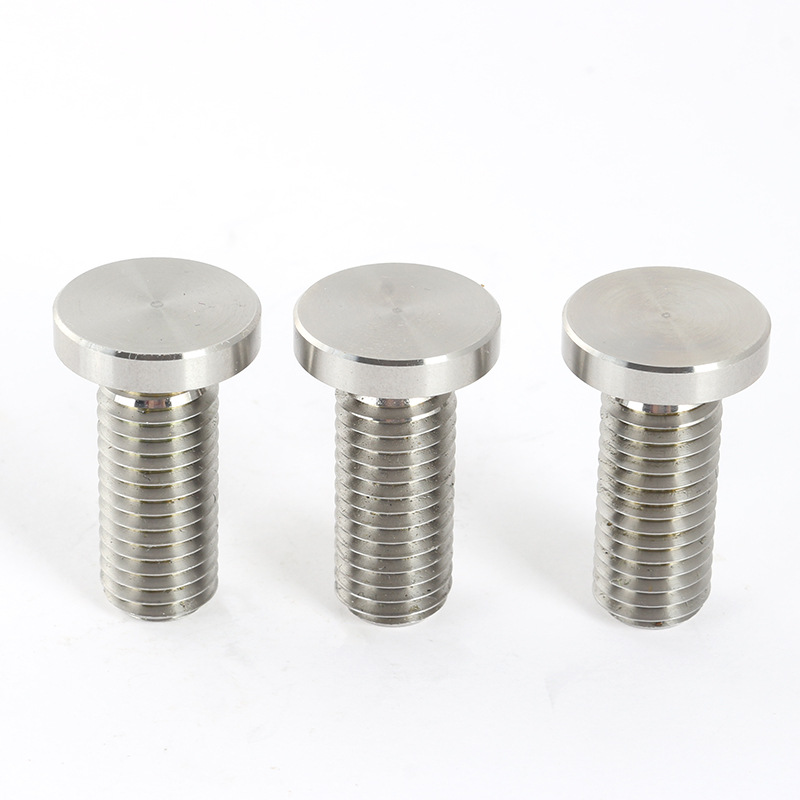
These screws are widely used in mechanical design, manufacturing, and maintenance due to their compactness, ease of handling, and high tightening force. Through CNC machining technology, high-precision customized production can be achieved to meet various special requirements.
Core Features
High Tightening Force
The hexagonal design provides a larger contact area between the screw and the tool, improving torque transfer efficiency during tightening, thus generating greater tightening force.
Easy Operation
Can be easily tightened and loosened with a hex wrench or socket without worrying about tool slippage or damage to the screw head.
Good Corrosion Resistance
The surface of hexagon socket head cap screws is usually treated with zinc plating, chrome plating, or other anti-corrosion treatments to improve corrosion resistance and extend service life.
High Strength
Hexagon socket head cap screws are mostly made of high-quality steel, with high tensile strength and hardness, suitable for various heavy loads and harsh environments.
Manufacturing Process Details
Cold Heading Forming Process
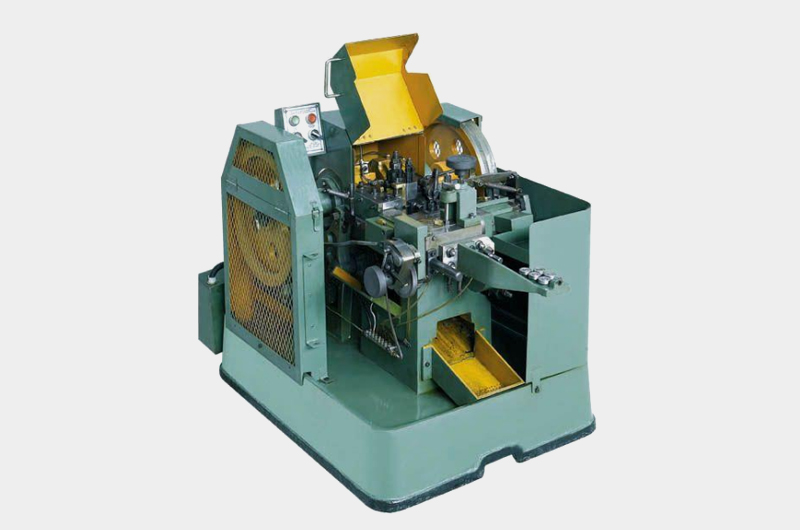
Cold heading is the process of extruding metal at room temperature using dies to create plastic deformation and form the desired shape.
- Wire annealing: Reduce material hardness for easier forming
- Pickling treatment: Remove surface oxide layer and improve lubricity
- Cold heading forming: One-step forming of screw head and hexagon hole
- Thread rolling: Form precise thread structure
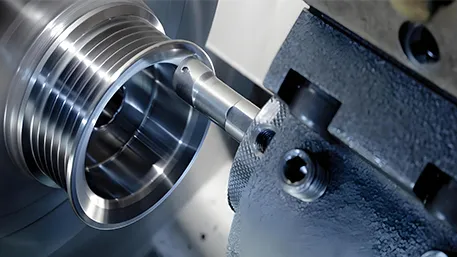
CNC Precision Machining
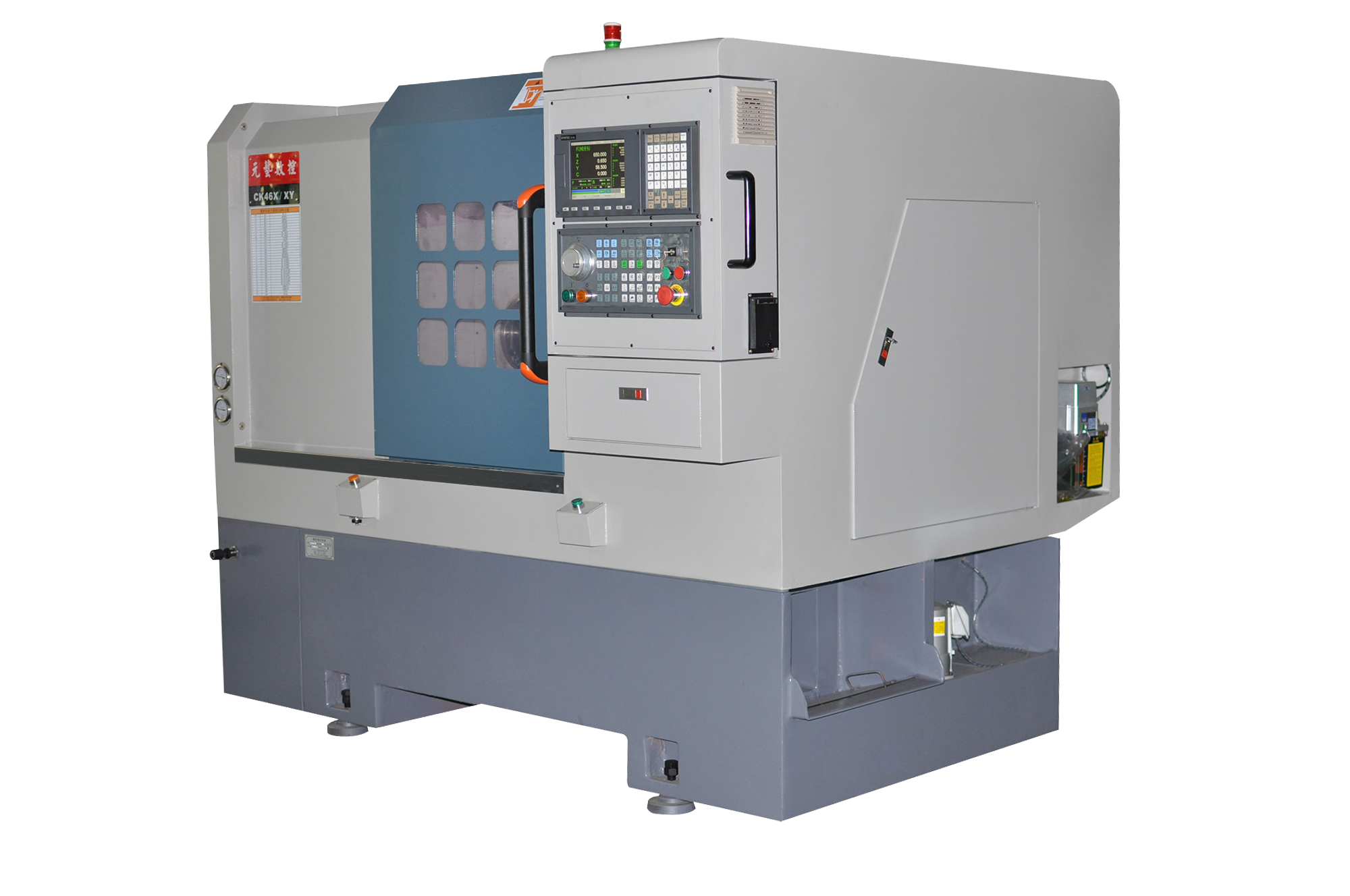
CNC machining technology can precisely control the size and shape of screws, improving machining accuracy and surface quality.
- Turning: Finish machining of threads and heads to ensure dimensional accuracy
- Milling: Form complex head shapes and hexagon holes
- Drilling: Precisely control the depth and size of hexagon holes
- Surface treatment: Improve corrosion resistance and aesthetics
Material Selection Guide
Stainless Steel Material Comparison
| Material Type | Tensile Strength (MPa) | Hardness (HBW) | Corrosion Resistance | Application Scenarios |
|---|---|---|---|---|
| 304 Stainless Steel | 515-690 | 180-200 | Good | Food processing, architectural decoration |
| 316 Stainless Steel | 485-620 | 180-200 | Excellent | Marine engineering, chemical equipment |
| Carbon Steel | 400-800 | 120-180 | General | General mechanical connections |
| Alloy Steel | 800-1220 | 28-32HRC | Good | Aerospace, automotive manufacturing |
Material Selection Recommendations
Selecting the right material requires considering environmental conditions, load requirements, cost budget, and other factors. For highly corrosive environments, 316 stainless steel is recommended; for general environments, 304 stainless steel or carbon steel are good choices.
Surface Treatment Processes
Zinc Plating
Form a zinc layer on the screw surface through hot-dip galvanizing or electro-galvanizing to improve corrosion resistance.
Salt Spray Test: 72-200 hours
Dacromet Treatment
Using zinc powder, aluminum powder, and chromic acid to form a composite protective film with excellent corrosion resistance.
Salt Spray Test: 1200-2000 hours
Chrome Plating
Form a chromium layer on the screw surface through electrical current to improve hardness and wear resistance.
Hardness: 800-1000HV
Surface Treatment Performance Comparison
Hot-dip Galvanizing
Electro-galvanizing
Phosphating
Black Oxide
Phosphating
Hot-dip Galvanizing
Dacromet
Black Oxide
Phosphating
Electro-galvanizing
Hot-dip Galvanizing
Dacromet
Technical Parameters and Performance Indicators
Strength Grade Standards
| Strength Grade | Tensile Strength (MPa) | Hardness (HRC) | Application Scenarios |
|---|---|---|---|
| Class 4.8 | ≥400 | – | General connections |
| Class 8.8 | ≥800 | 22-32 | General machinery |
| Class 10.9 | ≥1040 | 33-39 | Heavy-duty equipment |
| Class 12.9 | ≥1220 | 39-44 | Aerospace |
Experimental Data and Test Results
Salt Spray Corrosion Test
* Experimental data is for reference only, actual results may vary depending on test conditions
Application Fields Introduction
Aerospace
Used for connecting critical components such as aircraft engines, fuselage structures, and navigation equipment, requiring high strength and reliability.
Automotive Manufacturing
Applied in engines, transmissions, chassis systems, etc., needing to withstand vibration and impact loads.
Mechanical Manufacturing
Widely used in the assembly of various mechanical equipment, providing reliable connection solutions.
Electronic Equipment
Used for internal connections in precision electronic devices, requiring small size and high precision.
Customization Service Process
Requirements Analysis
Detailed understanding of customer’s specific requirements, including dimensions, materials, surface treatment, quantity, etc.
Design and Development
3D modeling and engineering drawing design based on requirements, determining the optimal processing plan.
Process Planning
Formulating a reasonable processing technology route, including cold heading, CNC machining, heat treatment and other processes.
Production and Manufacturing
Production according to process requirements, ensuring product quality and production efficiency.
Quality Inspection
Strict dimensional inspection and performance testing to ensure products meet customer requirements.
Delivery and Service
Timely delivery of products, providing technical support and after-sales service.
Frequently Asked Questions
How to customize CNC hexagon socket head cap screws?
Customizing CNC hexagon socket head cap screws requires providing detailed specifications, including dimensions, materials, surface treatment, quantity, etc. Cooperate with professional CNC machining manufacturers to design and produce according to requirements.
How does CNC machining affect the quality of hexagon socket head cap screws?
CNC machining can precisely control the size and shape of screws, improving machining accuracy and surface quality. At the same time, CNC machining can also realize the processing of complex shapes and structures to meet special needs. Therefore, CNC machining has an important impact on the quality of hexagon socket head cap screws.
How long does it take to customize CNC hexagon socket head cap screws?
The time to customize CNC hexagon socket head cap screws depends on several factors, including the complexity of the specifications, the production batch, and the availability of materials. Generally, the production lead time can be determined after specific communication with the manufacturer.
How is the price of custom CNC hexagon socket head cap screws determined?
The price of custom CNC hexagon socket head cap screws is affected by several factors, including material cost, processing difficulty, production batch, etc. After detailed communication with the manufacturer, the price can be quoted according to specific needs.
Blog Conclusion
As indispensable fasteners in modern industry, CNC hexagon socket head cap screws’ precision manufacturing processes and material selection directly affect product performance and reliability. Through the detailed introduction in this article, we hope to help readers better understand this important industrial product and provide valuable references for practical applications.
When selecting and using CNC hexagon socket head cap screws, it is recommended to comprehensively consider material performance, processing technology, surface treatment and other factors according to specific application scenarios and requirements, and choose the most suitable product solution.
Customized CNC Hexagon Socket Head Cap Screws – Technical Guide
Precision Manufacturing Processes and Material Selection Guide

Li Ming
Precision Mechanical Engineer | 15 Years of Industry Experience
Published on January 12, 2025