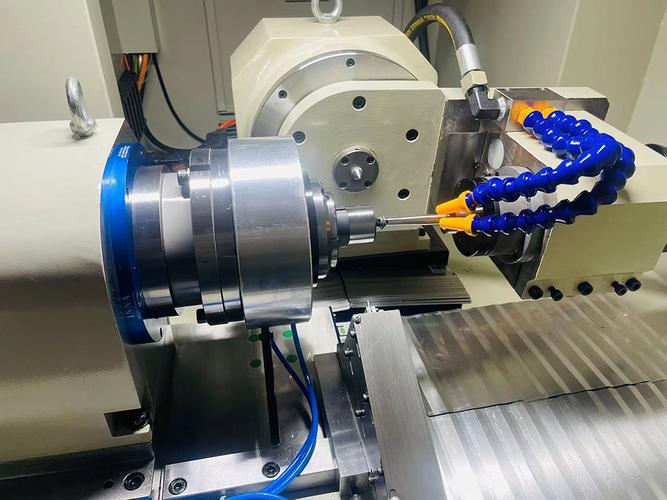
Making a plastic injection mold isn’t a quick job—but the timeline doesn’t have to be a mystery. We’ve made over 1,200 injection molds in the last 5 years, and we know exactly what slows down production and what keeps it on track.
This page breaks down every step of the mold making process, from initial design to final testing, with real numbers and practical tips. No fluff, just the facts you need to plan your project.
Core Mold Making Process & Timeline Breakdown
1. Design & Engineering
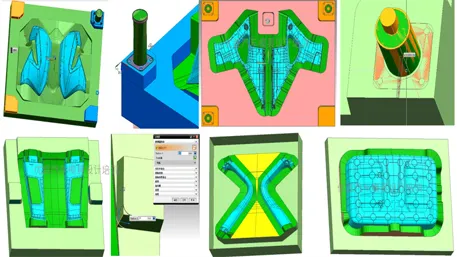
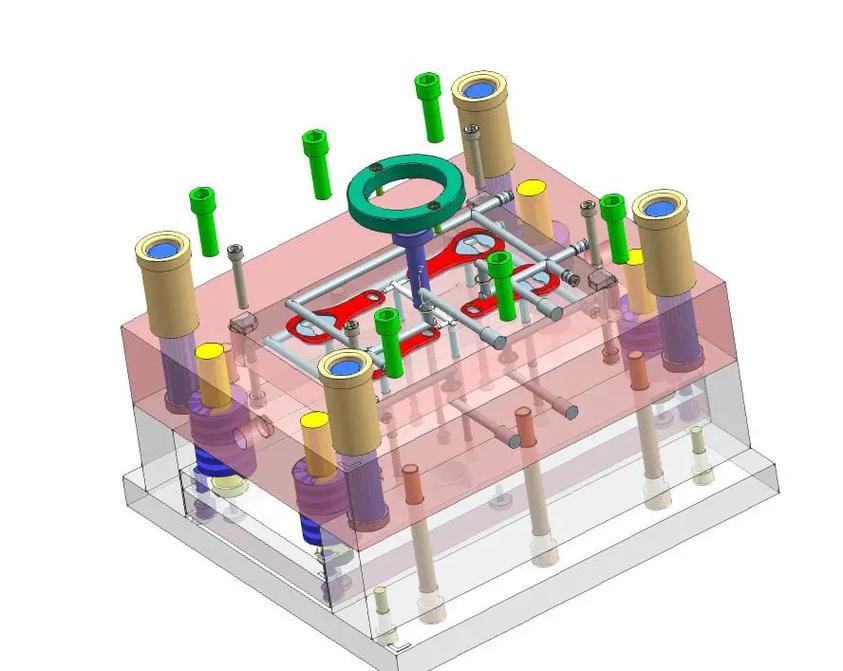
We start with your part design and turn it into a mold design. This includes adding draft angles, ejector pins, cooling channels, and gate locations.
Typical timeline: 5–15 days (5 days for simple single-cavity molds, 15+ days for complex multi-cavity molds with side actions).
Pro tip: Providing a 3D STEP file cuts design time by 2–3 days compared to starting from a 2D drawing.
2. CNC Machining
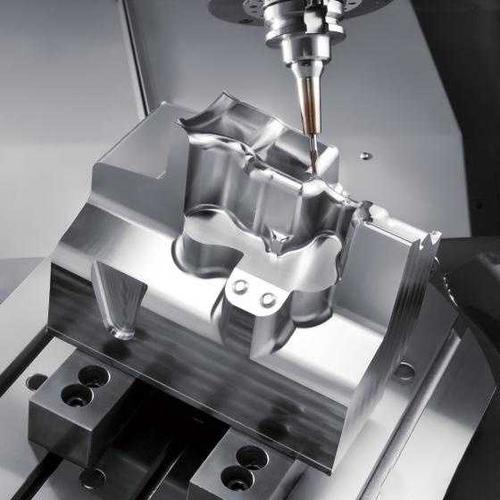
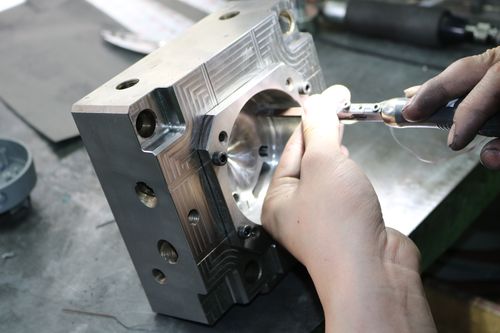
We use 3-axis and 5-axis CNC machines to cut the mold core and cavity from steel or aluminum blocks. This is the longest step for most molds.
Typical timeline: 10–25 days (10 days for small aluminum molds, 25+ days for large steel molds with deep cavities).
We use high-speed CNC machines to cut faster, but hard steels like H13 take longer to machine than aluminum.
3. EDM (Electrical Discharge Machining)
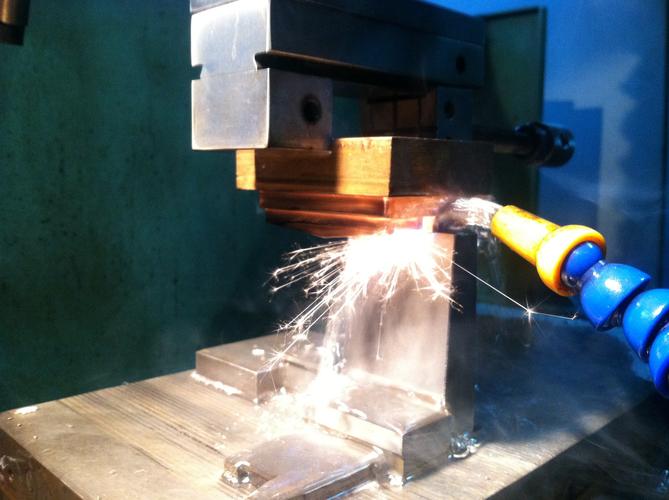
For small or complex features that CNC can’t reach (like thin ribs or deep holes), we use EDM. This uses electrical sparks to erode the steel.
Typical timeline: 3–10 days (3 days for simple features, 10+ days for complex multi-cavity molds with many small features).
EDM is slower than CNC, but it’s the only way to get precise small features in hard steel.
4. Polishing & Surface Treatment
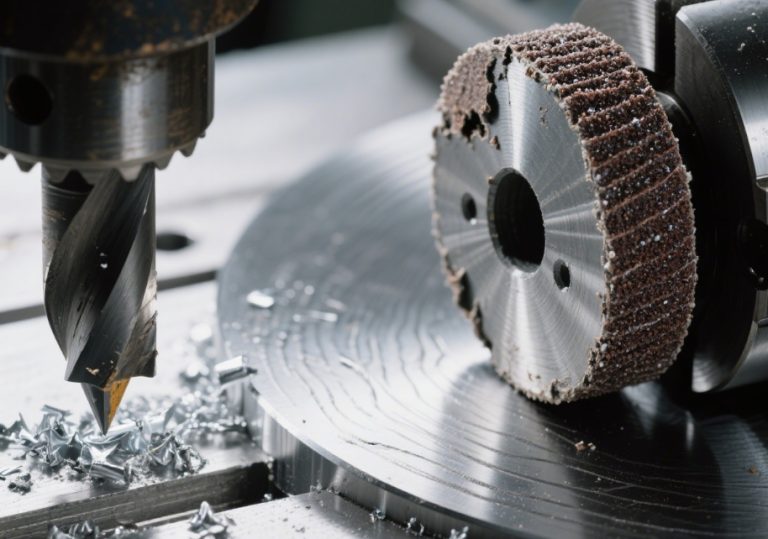
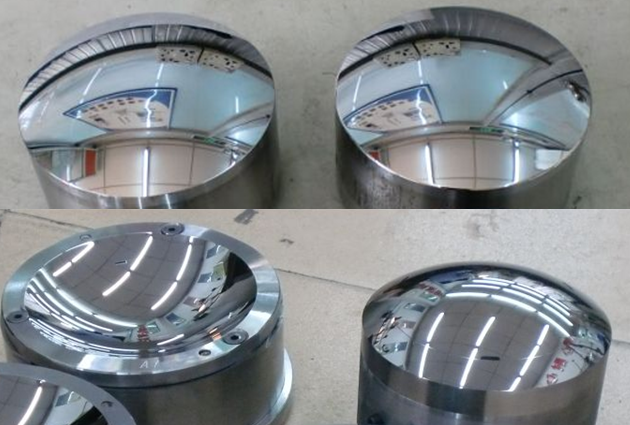
We polish the mold core and cavity to get the right surface finish for your part—from matte to mirror polish. We also add coatings like TiN for wear resistance.
Typical timeline: 2–7 days (2 days for matte finish, 7+ days for mirror polish or hard coatings).
Mirror polish takes longer because we have to use finer and finer grits of polishing compound.
5. Assembly & Testing
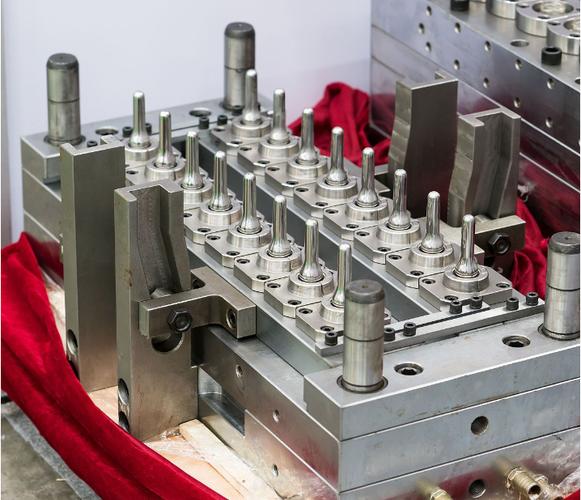
We assemble the mold with ejector pins, cooling lines, and guide pins. Then we test it on an injection molding machine to make sure parts come out right.
Typical timeline: 2–5 days (2 days for simple molds, 5+ days for complex molds that need adjustments).
Most molds need 1–2 adjustments after the first test run to fix issues like flash or short shots.
Mold Type & Timeline Comparison
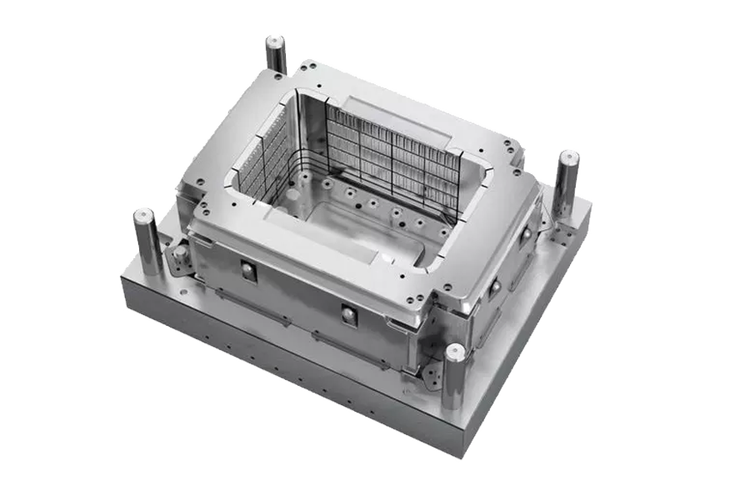
Standard Single-Cavity Mold
Simple mold for low to medium production runs (10,000–100,000 parts).
Average timeline: 20–30 days
Made from P20 steel or aluminum, no complex features.
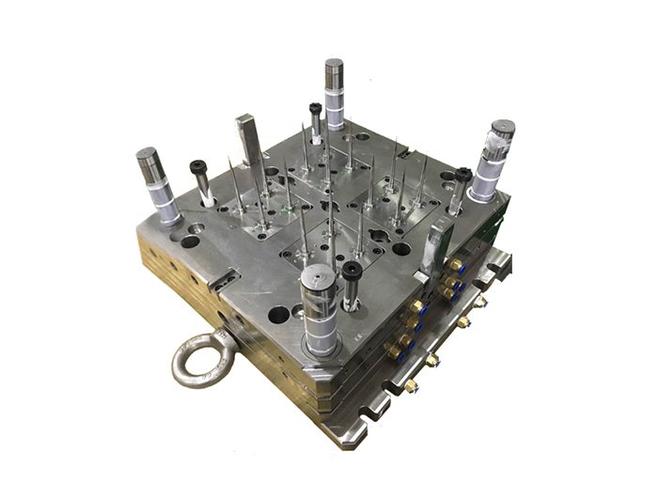
Complex Multi-Cavity Mold
Multi-cavity mold with side actions or unscrewing features for high production runs.
Average timeline: 40–60 days
Made from H13 or S136 steel, requires extensive EDM and polishing.
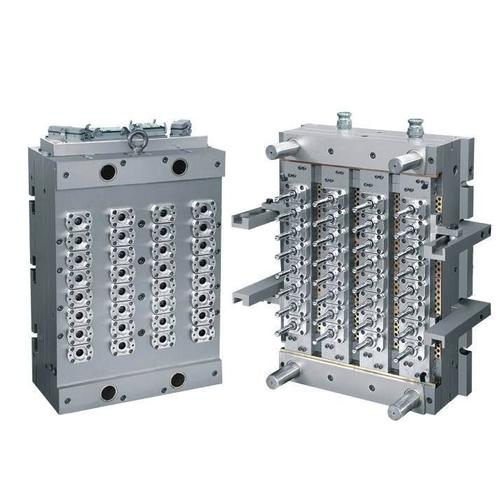
Precision Medical/Aerospace Mold
Ultra-precise mold for medical devices or aerospace parts with tight tolerances.
Average timeline: 50–80 days
Made from stainless steel, requires ISO 13485 or NADCAP certification.
Key Factors That Affect Mold Making Time
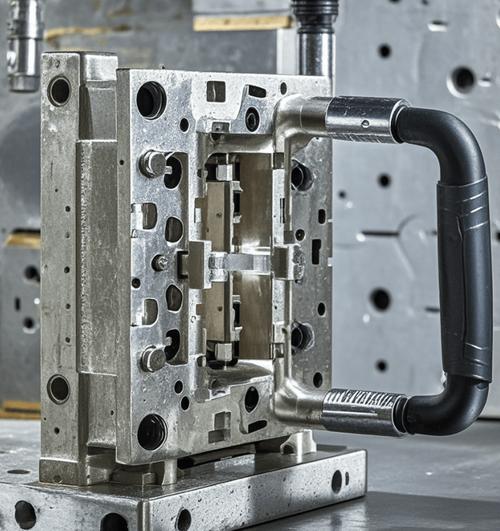
- Mold Complexity: Every side action, unscrewing feature, or multi-cavity design adds 5–15 days to the timeline.
- Material Choice: Aluminum molds take 30% less time to machine than hard steel molds (H13 or S136).
- Surface Finish: Mirror polish adds 3–7 days, while hard coatings like TiN add 2–5 days.
- Tolerance Requirements: Tolerances tighter than ±0.01mm require extra inspection and adjustment, adding 2–5 days.
- Certification Needs: ISO 13485 (medical) or NADCAP (aerospace) certification adds 5–10 days for extra testing.
- Design Changes: Last-minute design changes add 3–10 days, depending on how much of the mold needs to be reworked.
The biggest delay we see is last-minute design changes—always finalize your part design before starting mold making.
Key Injection Mold Standards & How They Affect Timeline
- ISO 9001:2015: Quality management standard that requires documented processes. Adds 1–2 days for documentation and audit checks.
- ASTM D3641: Standard for plastic injection mold design. Ensures molds are designed for consistent part quality. Adds 2–3 days for design review.
- ISO 13485:2016: Medical device standard that requires traceability and cleanroom production. Adds 5–10 days for extra testing and documentation.
- NADCAP: Aerospace standard that audits special processes like heat treating. Adds 7–12 days for third-party inspection.
- ISO 1043-1: Standard for plastic materials. Ensures the mold is compatible with the plastic being used. Adds 1–2 days for material testing.
Following these standards adds a little time, but it ensures your mold will produce consistent parts for years.
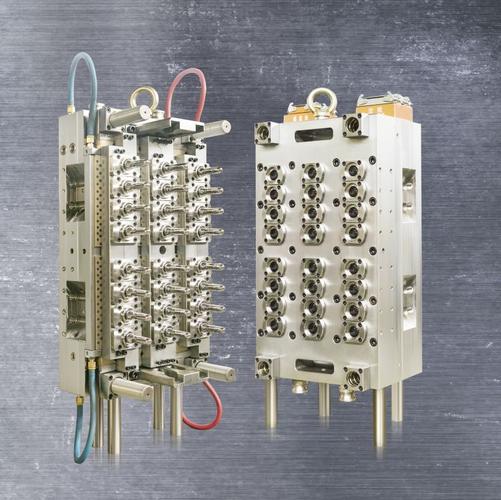
Mold Making Test Data (For Reference Only)
Test Details
Tested on 205 molds (Jan–Jul 2025) | Equipment: Haas 5-axis CNC, Charmilles EDM, Arburg Injection Molding Machine | Data for reference only—actual timeline may vary based on design changes and material availability.
- First test success rate = percentage of molds that produced acceptable parts on the first test run.
- Production time includes design, machining, polishing, assembly, and testing.
- Medical molds have a higher success rate because of more rigorous design reviews.
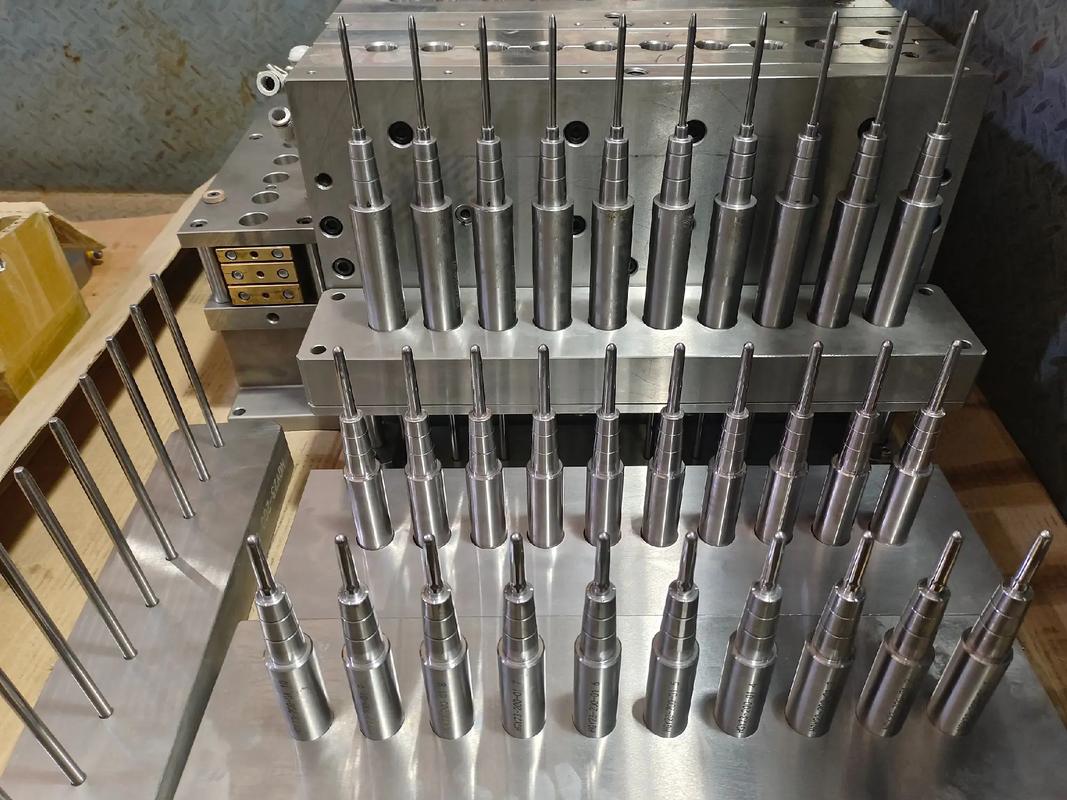
Practical Tips to Shorten Mold Making Time
Finalize Your Part Design First
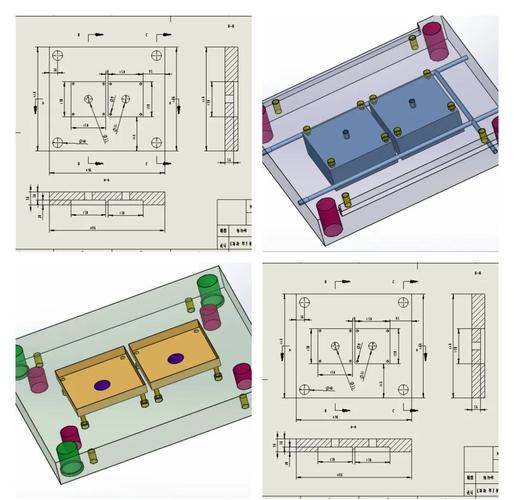
Last-minute design changes are the biggest cause of delays. Spend extra time finalizing your part design before starting mold making—this can save 3–10 days.
Choose Aluminum for Prototypes
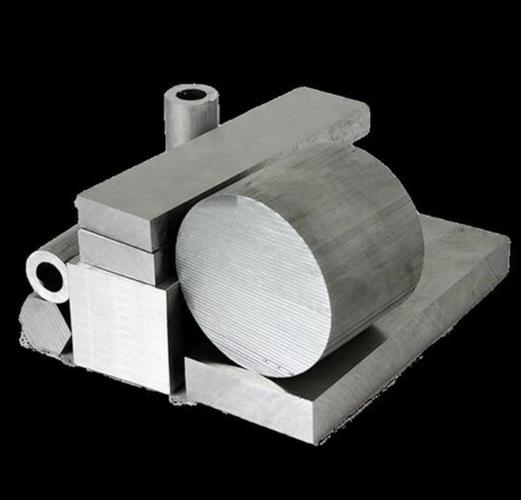
Aluminum molds are 30% faster to machine than steel molds. Use aluminum for prototypes or small production runs to save 5–10 days.
Use Parallel Processing
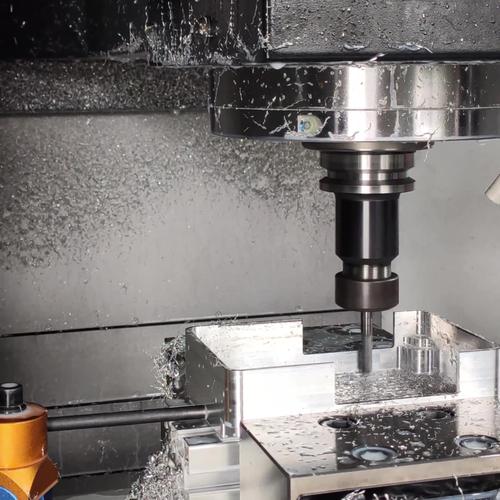
We can machine the core and cavity at the same time on different CNC machines, which saves 5–8 days for complex molds.
Common Myths & FAQs About Mold Making Time
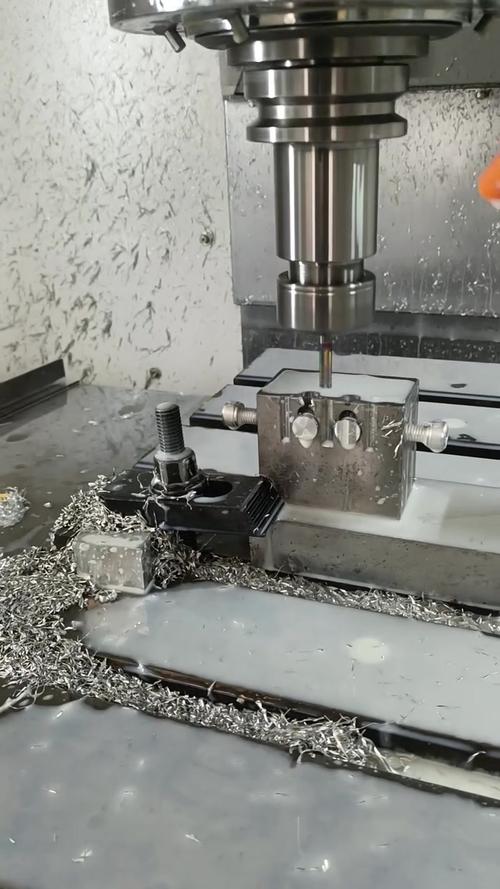
- Myth: You can make a quality mold in 3 days.Fact: Only for very simple, small aluminum molds—and you’ll sacrifice quality. Most quality molds take at least 20 days.
- Myth: All molds take the same amount of time.Fact: A simple prototype mold takes 7–15 days, while a complex aerospace mold takes 50–80 days.
- Question: Can I speed up mold making by skipping testing?Answer: No—skipping testing leads to mold failure and more delays later. Testing is critical to ensure the mold works.
- Question: How much time does a design change add?Answer: A small design change adds 3–5 days, while a major change adds 10–15 days.