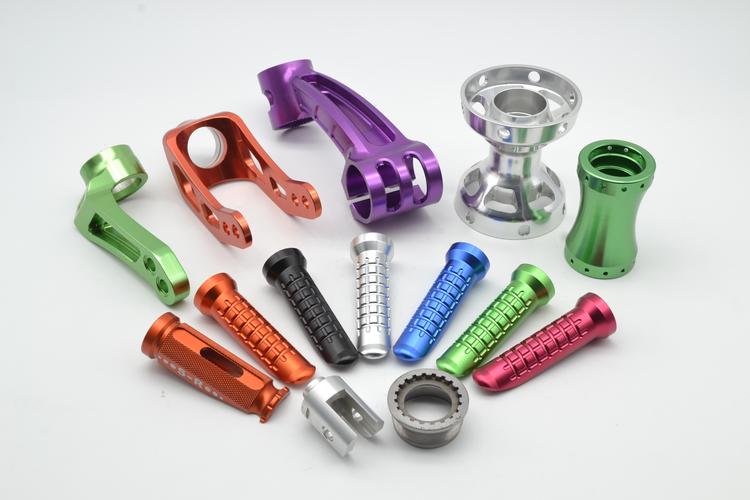
What does CNC stand for in manufacturing?
Author: Zhang Gong, CNC Expert with 18+ years experience | Last Updated: January 21, 2026 | Alright folks, let’s cut

Author: Zhang Gong, CNC Expert with 18+ years experience | Last Updated: January 21, 2026 | Alright folks, let’s cut
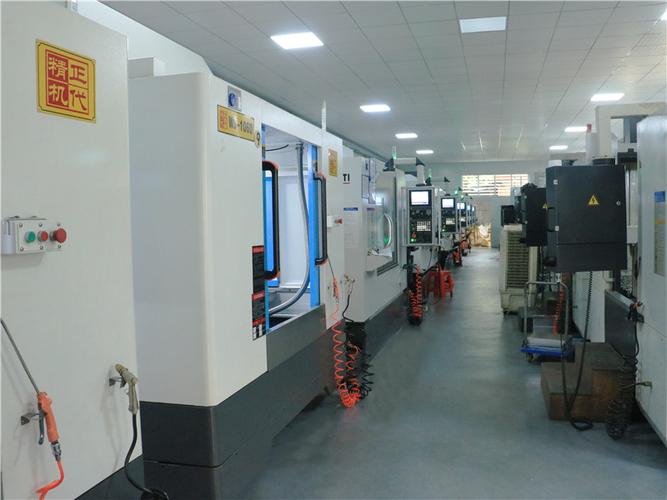
Author: Wang Gong, Goldcattle CNC Selection Specialist, 15+ Years Experience | Last Updated: January 19, 2026 Selecting the right CNC
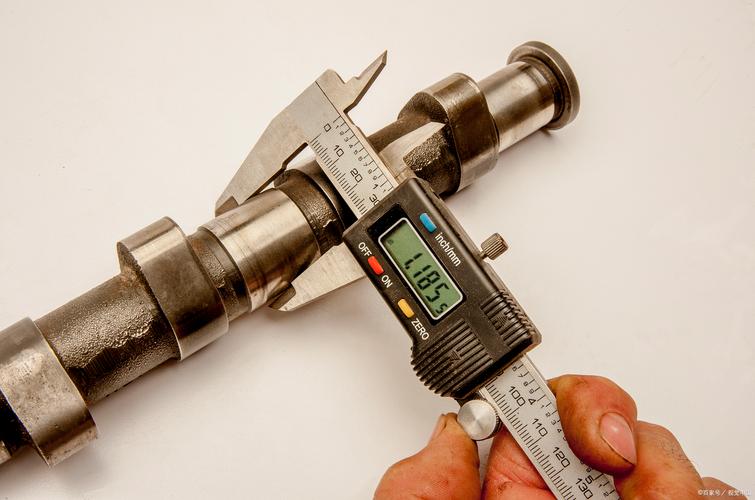
Author: Zhang Gong, CNC Inspection Specialist, 15+ Years Experience | Last Updated: January 19, 2026 | Based on Goldcattle 2025
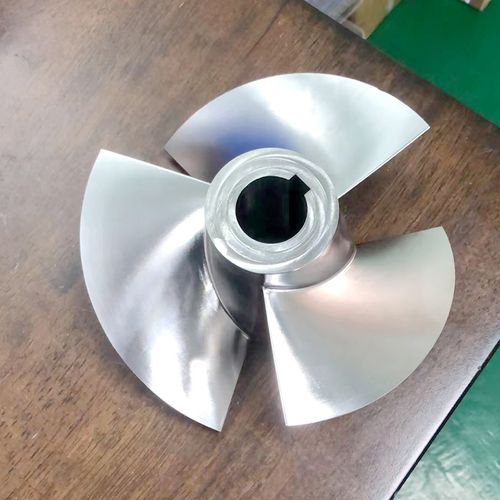
Improving CNC part precision involves optimizing equipment accuracy, refining machining processes, controlling material stability, and enhancing inspection. Key measures include
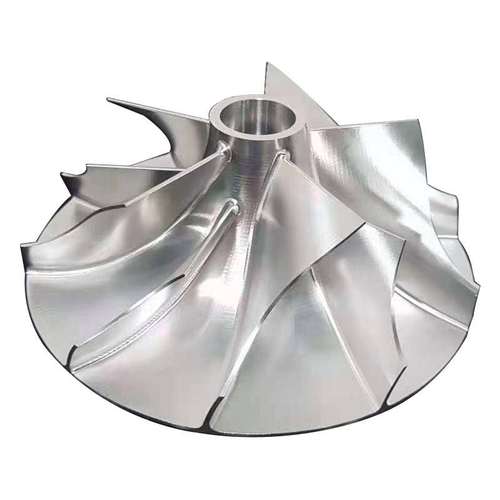
CNC machining of turbine blades relies on 5-axis synchronization to shape complex aerodynamic profiles, thin walls, and twisted geometries. Using
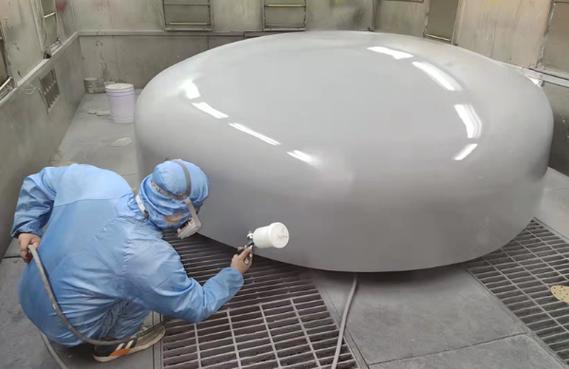
Powder coating for CNC parts is a dry finishing process where electrostatically charged powder (a mixture of resins, pigments, and
Sandblasting CNC parts is a process that propels abrasive materials at high speed onto the part surface using compressed air.

Deburring CNC parts is a process that removes excess burrs generated after machining using mechanical, chemical, thermal, or other means.
Anodizing CNC parts is an electrochemical process that forms a protective oxide layer on metal surfaces (primarily aluminum and its
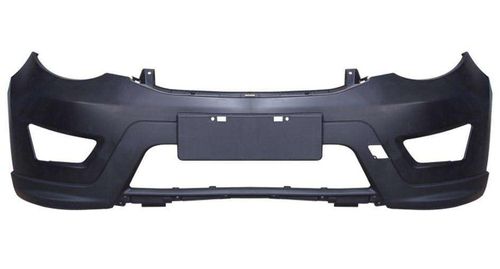
Enhancing the toughness of automotive plastic bumpers involves selecting flexible base resins, adding impact modifiers, optimizing processing to reduce internal
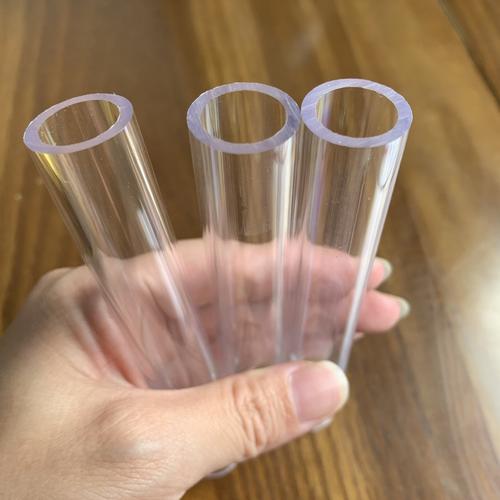
Improving the hardness of plastic parts involves selecting rigid base resins, adding reinforcing fillers, optimizing processing to enhance molecular packing,
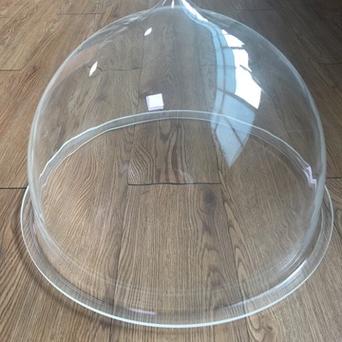
Improving the transparency of plastic parts primarily involves selecting high-purity transparent resins, optimizing processing parameters to minimize defects, controlling impurities,