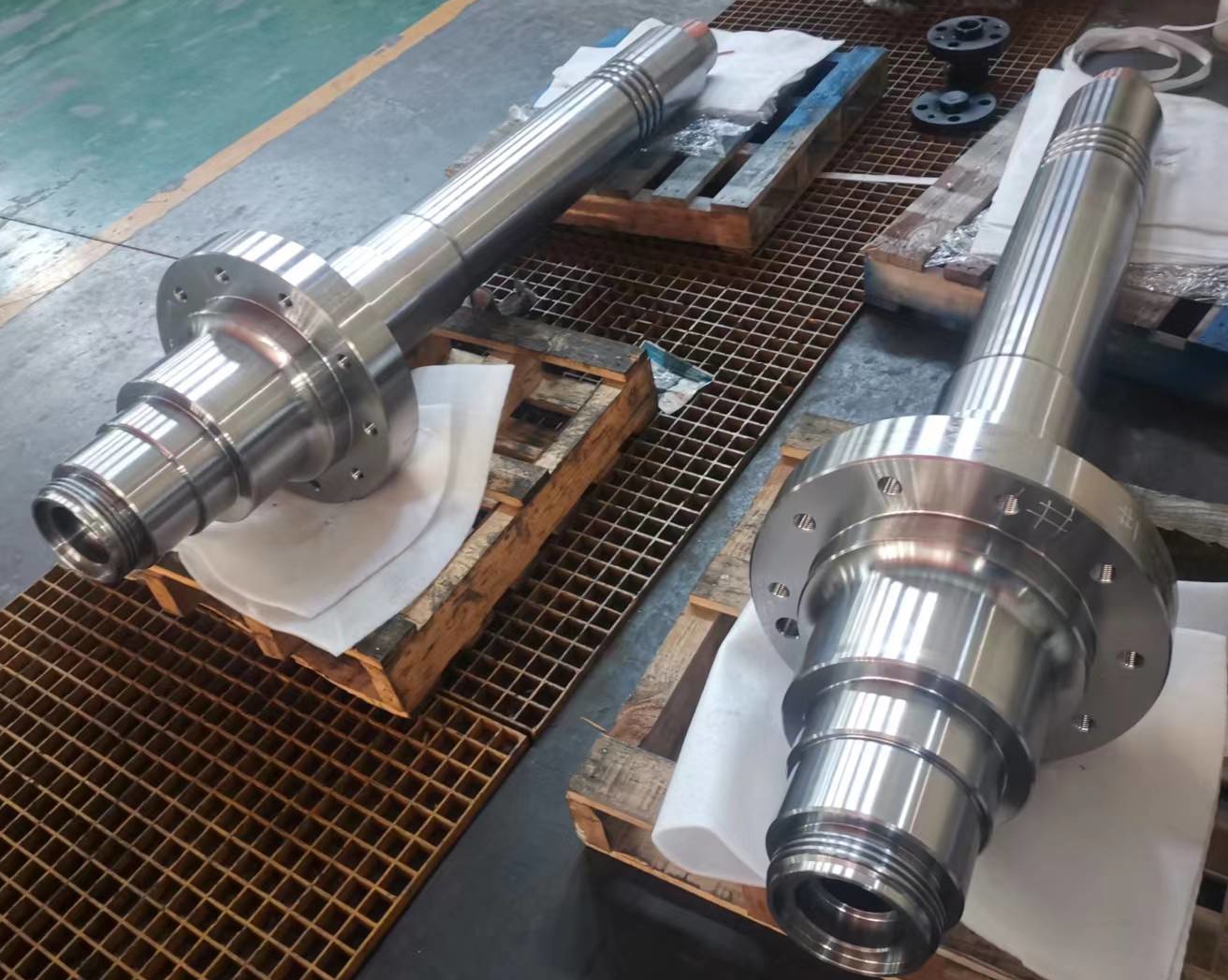
Tight Tolerance Injection Molding Services for High-Precision Plastic Components
We manufacture high-precision injection molded plastic parts with strict dimensional control for medical, electronics, automotive, industrial automation, and critical tolerance OEM applications.
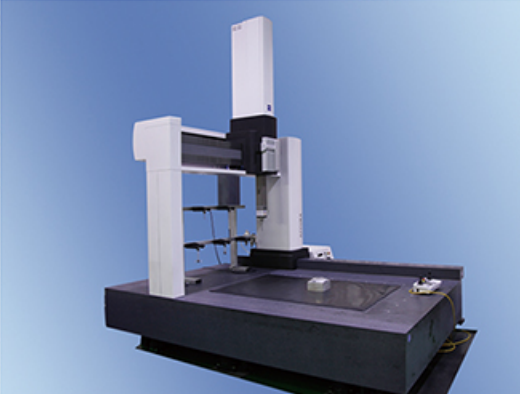
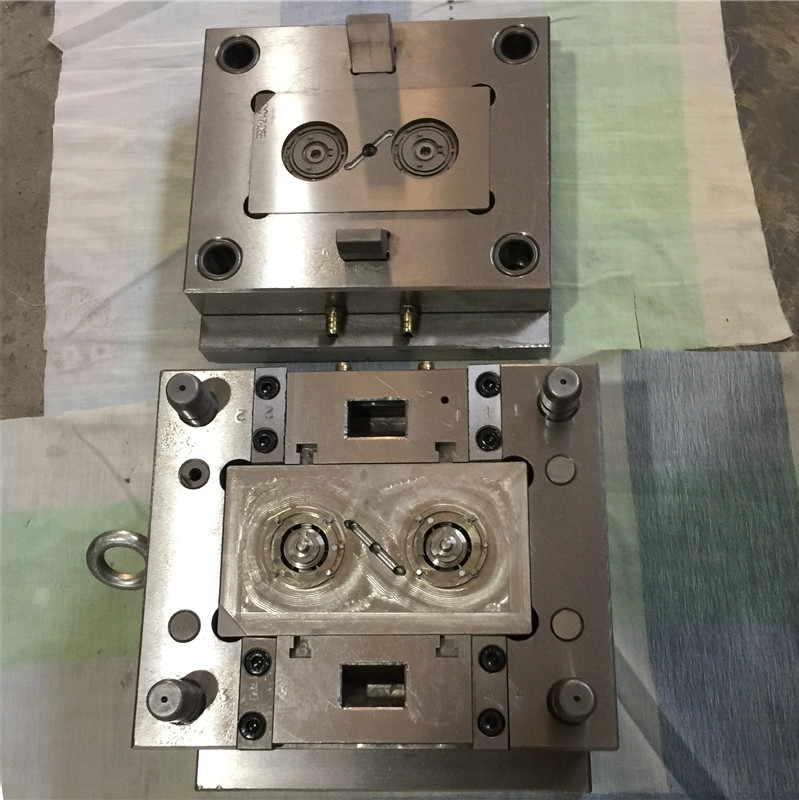
Common Tight Tolerance Injection Molding Challenges We Solve
Shrinkage Variation Control
Optimized mold design and scientific molding minimize inconsistent shrinkage between production batches.
Warpage and Deformation
Balanced cooling and gate design reduce part distortion in thin-wall and complex geometry components.
Flash in Precision Features
Precision shut-off and mold fitment eliminate flash on micro-features and sealing surfaces.
Dimensional Drift Over Production Runs
Stable process monitoring ensures repeatable tolerances across high-volume production.
Mold Wear Affecting Accuracy
Premium tool steel and preventive maintenance preserve long-term dimensional consistency.
Our Tight Tolerance Molding Capabilities
Engineering Factors That Determine Tight Tolerance Injection Molding Success
Material Shrink Rate Compensation
Each resin has unique shrinkage characteristics that must be compensated during mold design. Our engineering team calculates precise shrink factors based on material properties and part geometry to ensure final dimensions meet your specs.
Mold Temperature Stability
Temperature fluctuation directly affects dimensional consistency in precision molded parts. We use closed-loop temperature control systems to maintain ±0.5°C mold temperature stability throughout production runs.
Gate Position Optimization
Improper gate location can create uneven fill and dimensional distortion. We use mold flow simulation to optimize gate placement, ensuring balanced fill pressure and minimal residual stress in critical tolerance areas.
Uniform Cooling Channel Layout
Balanced cooling improves repeatability and prevents warpage. We design conformal cooling channels for complex parts to ensure uniform cooling across the entire part, eliminating hot spots that cause dimensional variation.
Scientific Process Validation
Process windows are established through DOE and molding trials to lock critical dimensions. We validate each production process to ensure consistent, repeatable results that maintain tight tolerances over millions of shots.
Best Materials for Tight Tolerance Plastic Parts
Industries Requiring Tight Tolerance Injection Molding
Medical Devices
Diagnostic Components, Surgical Tools
Automotive
Sensor Housings, Precision Connectors
Electronics
Connector Bodies, Micro Components
Industrial Automation
Automation Parts, Precision Gears
Aerospace
Aircraft Components, Lightweight Parts
Optical Equipment
Optical Housings, Alignment Brackets
Recent Precision Injection Molding Projects
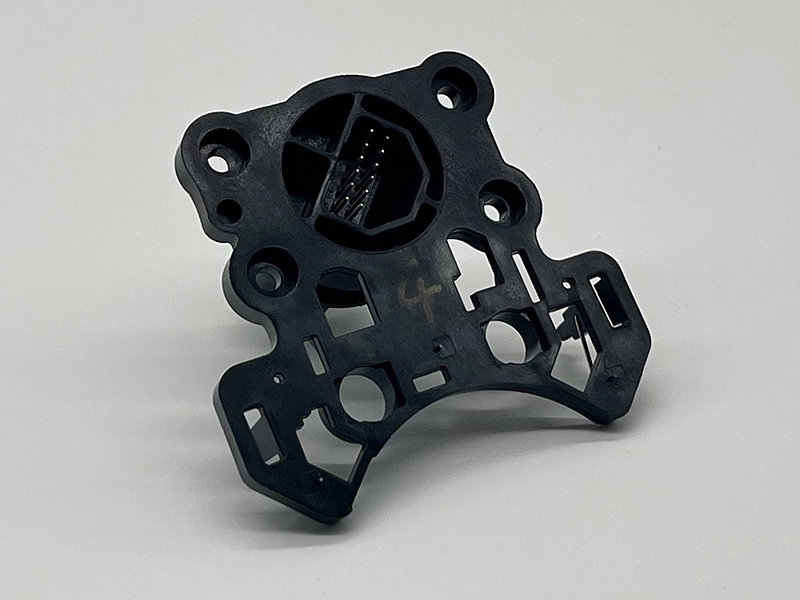
Quality Control for Tight Tolerance Molding
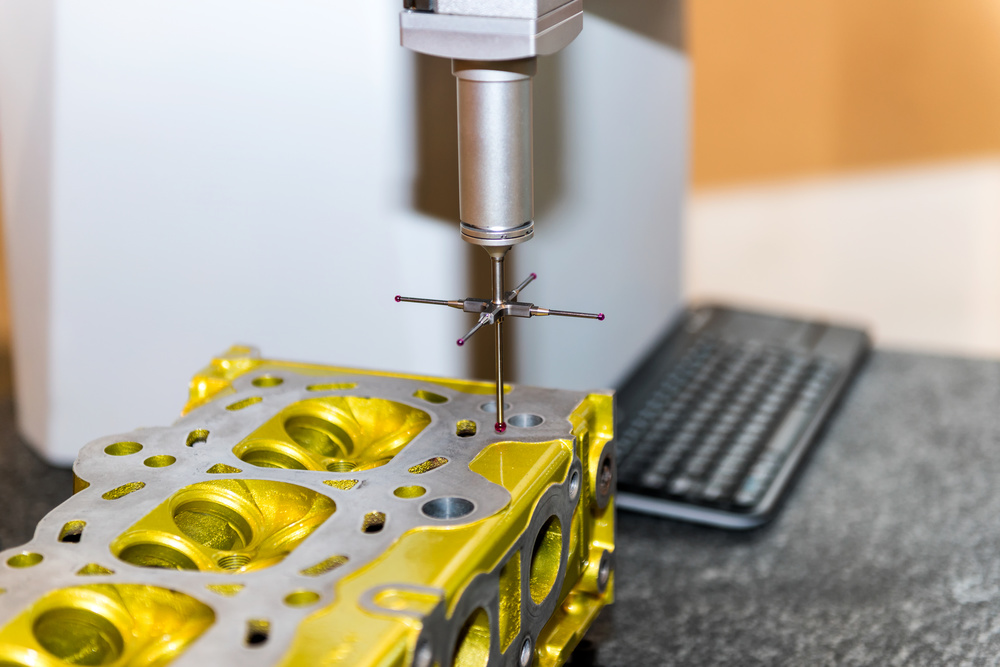
CMM Inspection
3D coordinate measurement for full dimensional verification
FAI Reports
First Article Inspection for new production runs
Scientific Molding Validation
Process validation to lock critical parameters
In-Process SPC Monitoring
Statistical process control for production stability
CpK Analysis Support
Process capability analysis for critical dimensions
Gauge R&R Verification
Measurement system validation for accuracy
Frequently Asked Questions
What tolerance can injection molding achieve?
Our standard injection molding can achieve ±0.05mm tolerance, while our tight tolerance injection molding process can reach as tight as ±0.01mm for critical dimensions, depending on part size and material requirements.
How do you maintain tight tolerances in plastic molding?
We maintain tight tolerances through precision mold design, scientific molding process, closed-loop temperature and pressure control, material shrinkage compensation, and strict in-process quality monitoring with CMM inspection.
Which materials are best for precision molding?
Materials with low shrinkage and high dimensional stability are ideal, including POM, ABS, PC, PBT, and PEEK. These materials have consistent shrink characteristics that allow us to achieve and maintain tight tolerances.
Can you provide CPK/FAI reports?
Yes, we provide full FAI (First Article Inspection) reports, CpK process capability analysis, and full dimensional inspection reports with CMM data for all tight tolerance projects to ensure compliance with your specifications.
Do you support low-volume precision molding?
Absolutely. We support low-volume precision molding for prototype and low-volume production, with flexible MOQ to meet your development and small-batch production needs, while still maintaining the same tight tolerance control.
How do you prevent warpage in tight tolerance parts?
We prevent warpage through optimized cooling channel design, balanced gate placement, material-specific process tuning, and scientific molding validation to minimize residual stress and ensure uniform cooling across the part.
Ready to Start Your Precision Molding Project?
Upload your drawing now to get an instant quote and free precision DFM review within 24 hours.
Precision Quality
CMM / SPC / FAI Full Inspection
Lead Time
Prototype: 7-10 Days | Tooling:15-25 Days | Mass Production: 15-30 Days
Confidentiality
Strict NDA Protection for All Precision Projects