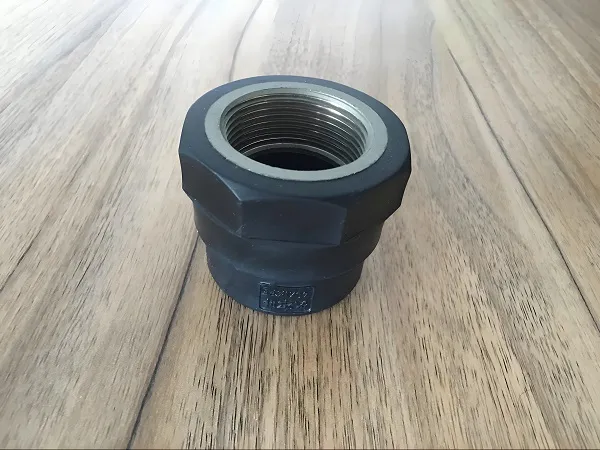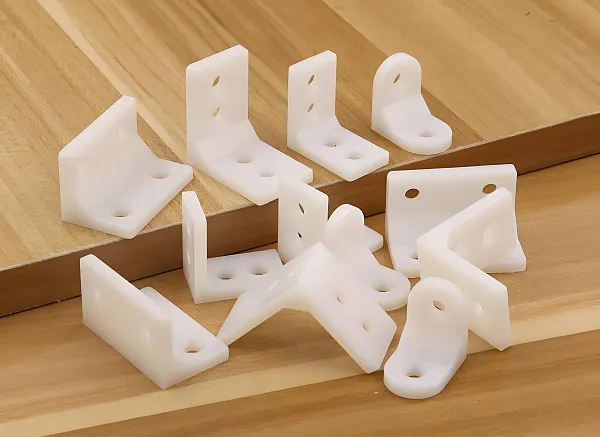
Plastic molded parts are components or products manufactured through plastic molding processes. As a crucial part of modern manufacturing, plastic molding technology has become an indispensable core technology in multiple industries including automotive, electronics, home appliances, packaging, and medical sectors due to its unique advantages.
Global Market Size
According to the latest data from Grand View Research, the global plastic molded products market reached (587.2 billion** in 2023 and is projected to grow at a Compound Annual Growth Rate (CAGR) of **4.6%** from 2024 to 2029, potentially exceeding **)730 billion by 2029.
Regional Distribution Pattern
- Asia-Pacific Region: Accounts for approximately 48% of global production capacity, with China, India, and Southeast Asian countries contributing the main growth
- China: Produced about 128 million tons of plastic molded products in 2023, accounting for over 35% of global total production
- North American Market: Reached approximately $98 billion in 2023, representing 16.7% of global market share
- European Market: Valued at around €86 billion in 2023, with Germany, Italy, and France as major production bases
Core Advantages
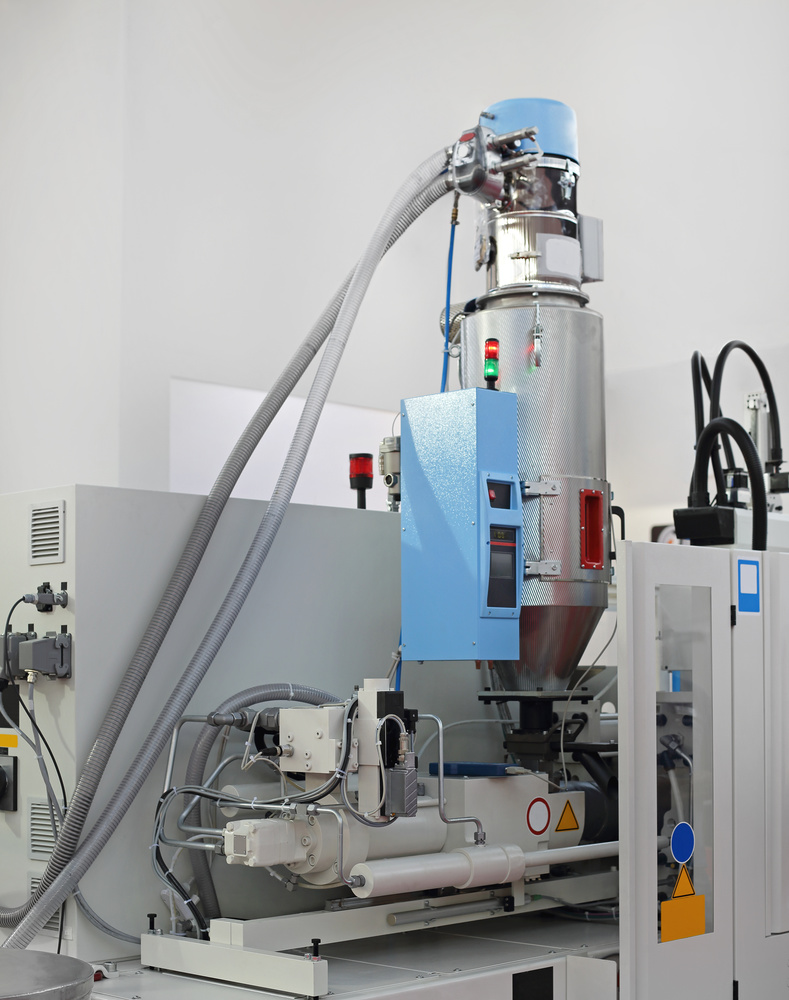
Plastic molded parts offer the following significant advantages:
- Lightweight: Density is only 1/4-1/8 of metal, significantly reducing product weight
- Cost-effective: Low raw material costs, high molding efficiency, suitable for mass production
- Corrosion-resistant: Excellent chemical stability, resistant to various chemical substances
- Easy processing: Mature molding processes, capable of manufacturing complex shapes and precision structures
- High design freedom: Enables complex geometries and multi-functional integrated designs
Technical Principles of Plastic Molding
Basic Principles
The core principle of plastic molding technology is utilizing the softening and flowing characteristics of plastics at high temperatures. Through the constraint effect of molds, plastics fill, cool, and solidify in the mold cavity, resulting in molded parts with the desired shape and dimensions.
Technical Characteristics
Different molding processes vary in heating methods, plastic flow patterns, mold structures, etc., but share similar basic principles:
- Material Melting: Plastic pellets are melted into a viscous flow state in the heating system
- Pressure Injection: Molten plastic is injected into the mold cavity under high pressure
- Cooling and Solidification: The melt cools and solidifies into a solid state in the mold
- Demolding and Part Removal: The mold opens and the molded part is removed
Detailed Molding Processes
Injection Molding
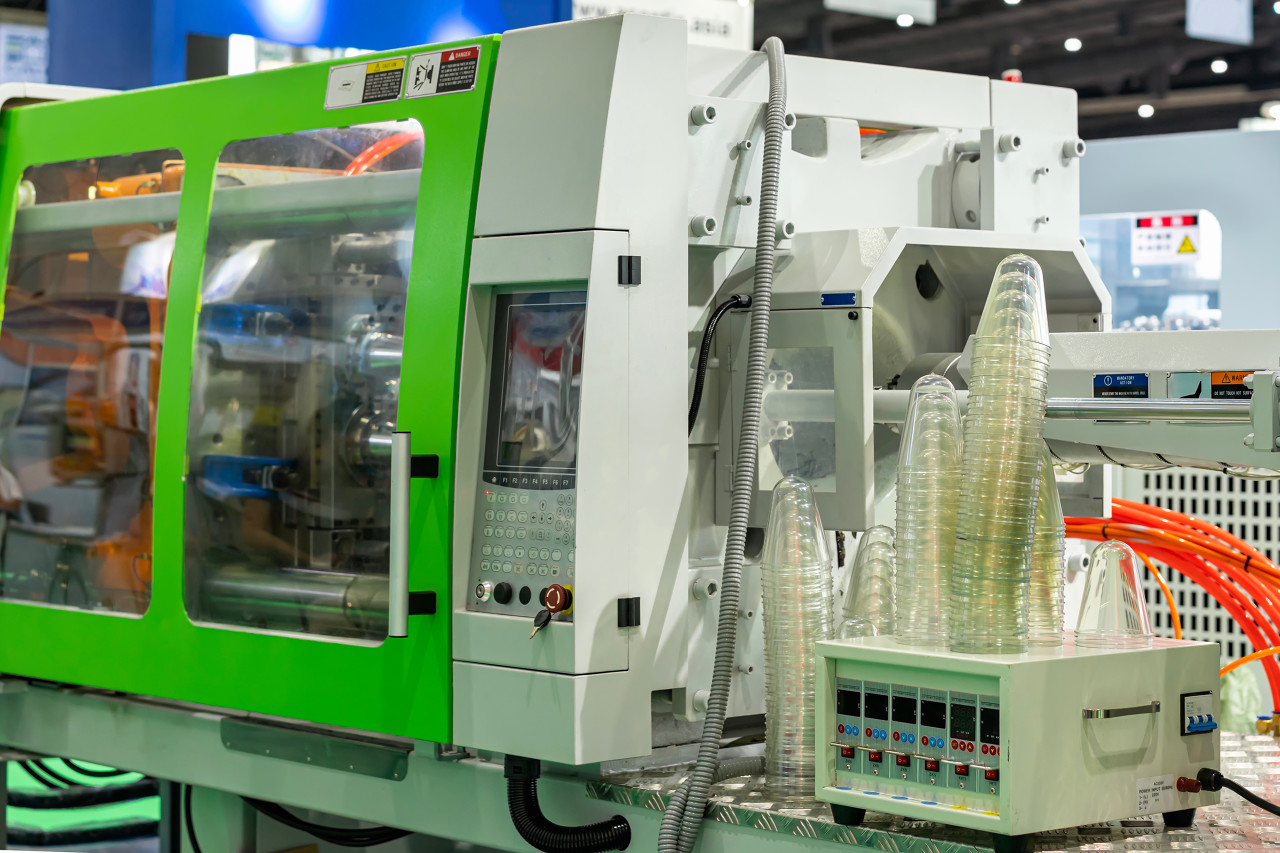
Injection molding is the most common plastic molding method, where molten plastic is injected into the mold cavity under high pressure and cooled to solidify before demolding.
Technical Parameters
- Injection Pressure: 50-150MPa
- Injection Speed: 50-200mm/s
- Barrel Temperature: 150-300°C (varies by material)
- Cycle Time: 30 seconds – 5 minutes
Application Scope
- Precision Components: Electronic connectors, medical device parts
- Large Structural Parts: Automotive bumpers, instrument panels
- Thin-wall Products: Mobile phone cases, home appliance components
Extrusion Molding
Extrusion molding involves feeding plastic raw materials into an extruder barrel, moving forward under screw propulsion while being heated and melted, forming continuous profiles through specifically shaped dies.
Process Characteristics
- Continuous Production: 24-hour continuous production capability with extremely high efficiency
- Diverse Profiles: Can manufacture pipes, sheets, rods, films, etc.
- Low Equipment Investment: Relatively lower investment cost compared to injection molding equipment
Application Fields
- Construction Sector: Plastic window/door profiles, water supply pipes
- Packaging Sector: Plastic films, strapping bands
- Electronics Sector: Wire/cable insulation, heat shrink tubes
Blow Molding
Blow molding places a molten plastic parison into a mold cavity, then introduces compressed air into the parison, causing it to inflate and conform to the mold cavity walls under gas pressure.
Main Types
- Extrusion Blow Molding: Used for manufacturing hollow products like bottles and containers
- Injection Blow Molding: Used for manufacturing high-precision hollow products
- Stretch Blow Molding: Used for manufacturing high-strength transparent bottles
Technical Advantages
- Specialized for Hollow Products: The only process capable of manufacturing hollow plastic products
- Excellent Integrity: Seamless products with high strength
- Cost-effective: Suitable for mass production with low unit cost
Compression Molding
Compression molding places plastic raw materials into a mold cavity, heats and pressurizes to melt and fill the cavity, then cools before demolding.
Suitable Materials
- Thermosetting Plastics: Phenolic resins, epoxy resins, etc.
- High-viscosity Thermoplastics: Some engineering plastics
Application Characteristics
- Suitable for Thick-walled Products: Can manufacture large thick-walled structural parts
- Fiber-reinforced Materials: Suitable for glass fiber-reinforced plastics
- Low-cost Molds: Relatively simple mold structure with lower cost
Material Selection and Performance Analysis
Comparison of Common Materials
Below is a performance comparison of three most commonly used plastic materials:
|
Performance Indicator
|
PP Polypropylene
|
ABS Acrylonitrile Butadiene Styrene
|
PC Polycarbonate
|
|
Density
|
0.9g/cm³
|
1.05g/cm³
|
1.2g/cm³
|
|
Melting Point
|
160°C
|
105-110°C
|
220-230°C
|
|
Heat Resistance
|
100-150°C
|
70-80°C
|
130°C
|
|
Impact Strength
|
Low (requires modification)
|
High (8-30kJ/m²)
|
Very High (60-80kJ/m²)
|
|
Transparency
|
Semi-transparent
|
Opaque
|
Highly transparent (>90%)
|
|
Cost
|
Low ($1,200-1,500/ton)
|
Medium ($1,800-2,200/ton)
|
High ($3,000-4,500/ton)
|
|
Processing Difficulty
|
Easy (low-temperature injection)
|
Easy molding (good flowability)
|
High (requires high temperature/pressure)
|
|
Environmental Friendliness
|
Food-grade (non-toxic)
|
Contains styrene (requires treatment)
|
Recyclable (needs sorting)
|
Material Selection Guide
PP Polypropylene
Advantageous Application Scenarios:
- High-temperature Resistance: Smart sockets, lamp structural components (150°C resistance)
- Food Contact: Food packaging containers, medical device housings
- Low-cost Mass Production: Daily necessities, packaging materials
ABS Plastic
Advantageous Application Scenarios:
- High Appearance Requirements: Appliance housings, automotive interior components
- High Dimensional Stability Requirements: Instrument panel frames, center console panels
- Cost-performance Priority: Smart switches, remote control housings
PC Polycarbonate
Advantageous Application Scenarios:
- High Transparency Requirements: Smart panels, camera housings (>90% light transmission)
- High Strength Requirements: Safety protection equipment, helmet visors
- Optical Applications: Optical lenses, VR glasses
Product Customization and Quality Control
Customization Process
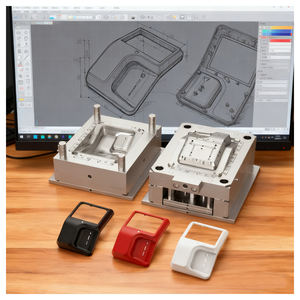
Plastic molded parts support highly customized services with a complete customization process including:
- Requirements Analysis
-
- In-depth communication to clarify product shape, dimensions, and performance requirements
-
- Analysis of usage environment and functional needs
-
- Development of technical specifications and acceptance criteria
- Mold Design
-
- Mold structure design based on customer requirements
-
- Optimization of mold cooling and venting systems
-
- Ensuring reasonable mold structure and ease of processing
- Mold Manufacturing
-
- CNC machining centers for mold manufacturing
-
- Precision machining to ensure mold accuracy and durability
-
- Mold testing and adjustments
- Molding Production
-
- Raw material preprocessing (drying, color matching, etc.)
-
- Process parameter optimization and setting
-
- Mass production and process monitoring
- Quality Inspection
-
- Dimensional accuracy testing (coordinate measuring machine)
-
- Appearance quality inspection
-
- Performance testing and certification
Quality Control System
ISO9001 Quality Management System
Implementing ISO9001:2015 standard to establish a comprehensive quality management system, ensuring stable and reliable product quality.
Key Quality Indicators
- Defect Rate: ≤2% (industry average 3-8%)
- Customer Complaint Rate: ≤1 complaint/month
- Process Parameter Compliance Rate: ≥98%
- Mold Maintenance Plan Completion Rate: 100%
Testing Equipment
- Coordinate Measuring Machine: Dimensional accuracy testing (±0.01mm)
- Colorimeter: Color consistency testing
- Impact Testing Machine: Mechanical performance testing
- Heat Deflection Temperature Tester: Heat resistance performance testing
Application Fields and Market Prospects
Automotive Industry Applications
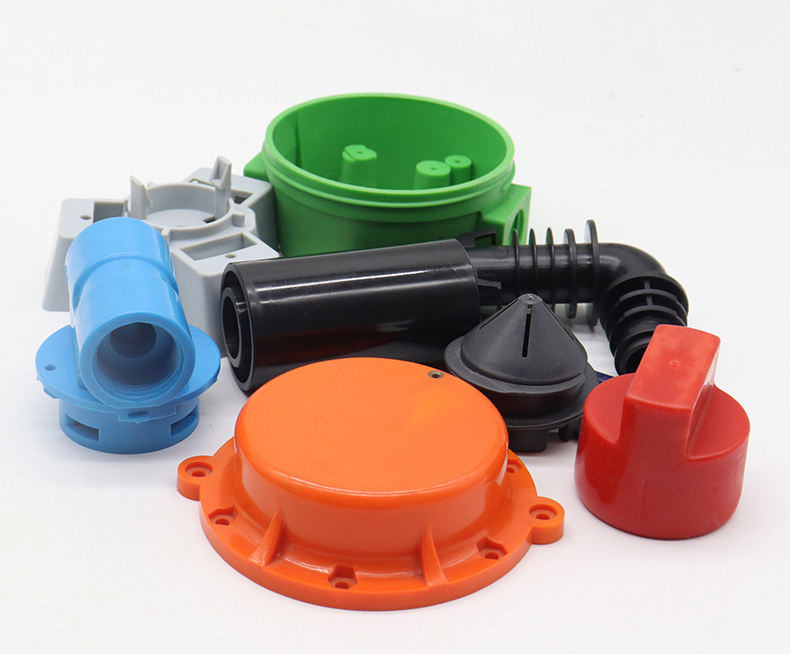
The automotive industry is the largest application field for plastic molded parts, with a market size of $111.6 billion in 2023, accounting for 19% of overall applications.
Main Applications
- Body Structural Components: Bumpers, door panels, instrument panels
- Interior Components: Seats, center consoles, steering wheels
- Functional Components: Intake manifolds, fuel tanks, electronic module housings
Technical Requirements
- Lightweighting: New energy vehicles use up to 186kg of engineering plastics per vehicle
- Heat Resistance: Components around the engine need to withstand temperatures above 120°C
- Impact Resistance: Bumper cantilever beam impact strength needs to be ≥20kJ/m²
Electronics Industry Applications
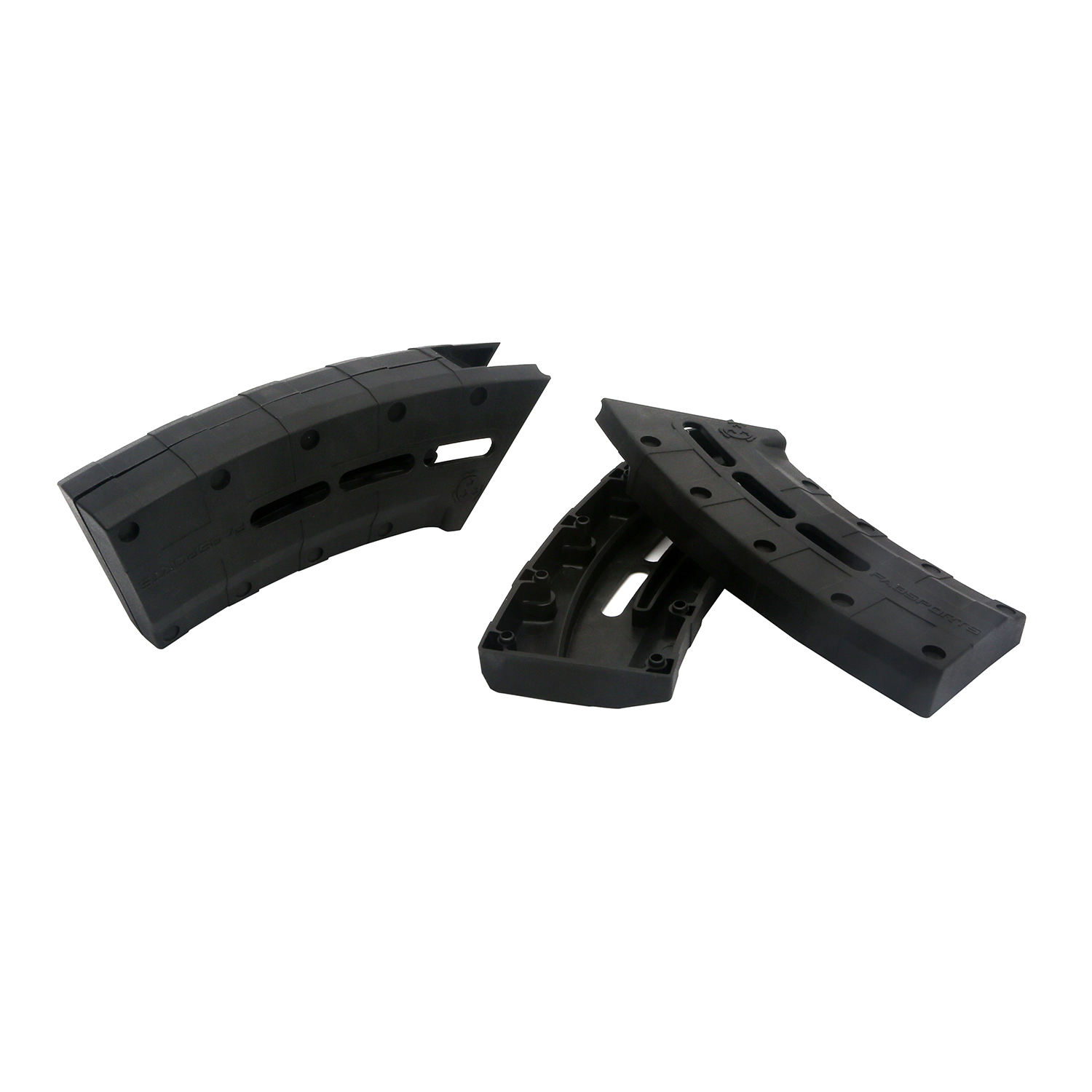
The electronics industry has extremely high requirements for precision and appearance of plastic molded parts.
Precision Electronic Housings
- Mobile Phone Cases: Thickness 0.3-0.8mm, precision ±0.05mm
- Smart Watches: Complex curved surface design, high-gloss surface
- Connectors: Miniaturized design, multi-cavity mold molding
Technical Challenges
- Miniaturization: Wearable devices demand micron-level precision
- Thin-wall Technology: 0.3mm ultra-thin structural parts with ±0.01mm tolerance control
- High Gloss: Surface roughness Ra ≤0.2μm
Medical Industry Applications
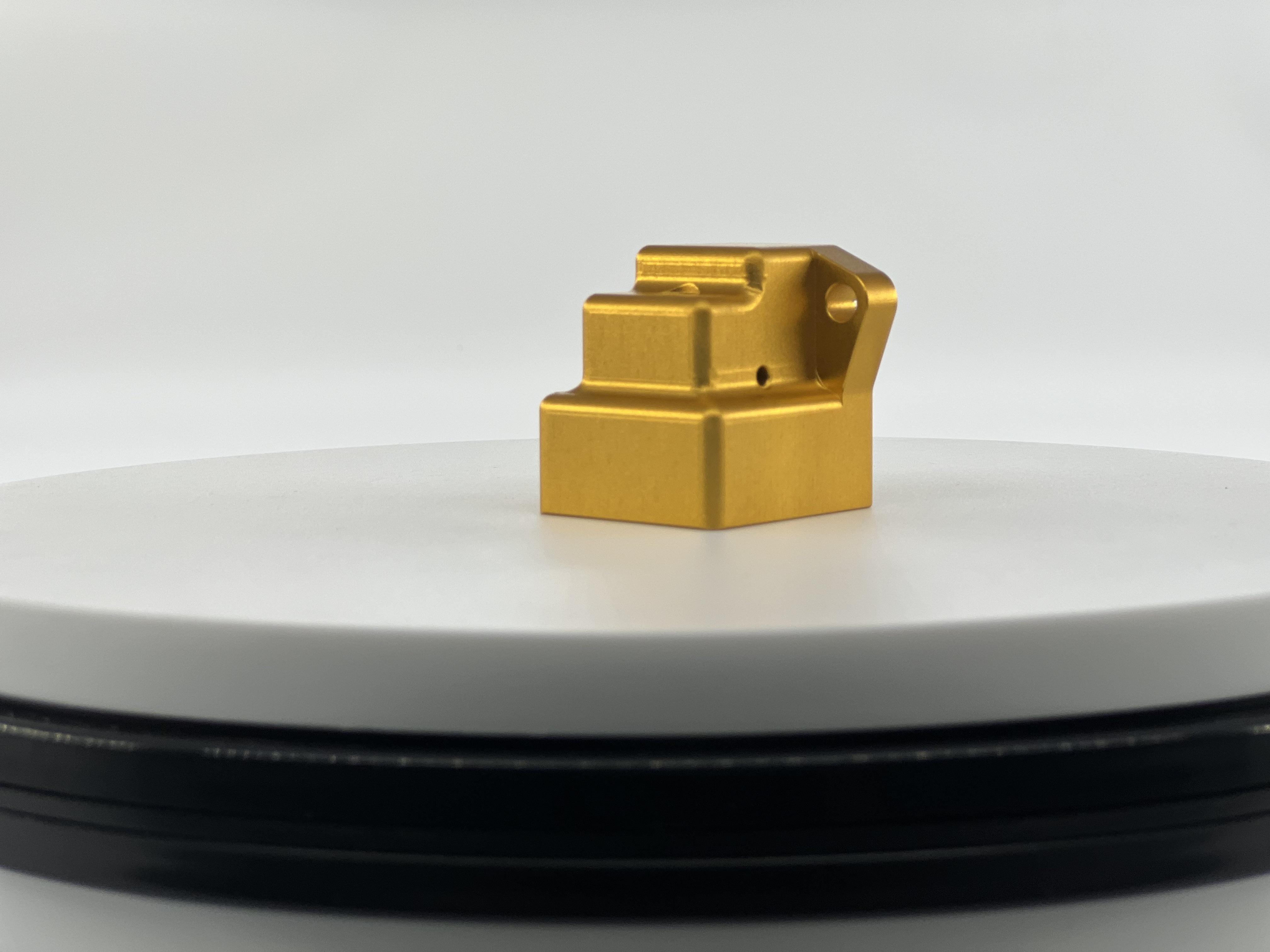
The medical industry has the highest requirements for biocompatibility and precision of plastic molded parts.
Medical-grade Material Requirements
- Biocompatibility: Compliant with ISO10993 standards
- Cleanliness: Class 7 cleanroom production
- Traceability: Complete production records and batch management
Typical Applications
- Syringe Components: High-precision fit, leak-proof
- Surgical Instruments: High strength, sterilization-resistant
- Diagnostic Equipment: Optical-grade transparent parts, high precision
Packaging Industry Applications
The packaging industry is a traditional application field for plastic molded parts, accounting for approximately 38%.
Sustainable Development Trends
- Recycled Plastics: Approximately 22% of global plastic molded products used recycled materials in 2023
- Bio-based Materials: Growing applications of biodegradable materials like PLA and PHA
- Lightweight Design: Reducing material usage, lowering costs and environmental impact
Technology Development Trends
Intelligent Production
- AI-optimized Processes: AI algorithms optimize injection parameters and predict defect risks
- IoT Monitoring: Real-time equipment status monitoring and predictive maintenance
- Digital Twin: Establishing digital models of production processes to optimize efficiency
Green Manufacturing
- Servo Energy-saving Injection Molding Machines: Account for 78% of market, reducing energy consumption by 30%
- Closed-loop Waste Recycling: 100% recycling of production waste
- Chemical Recycling Technology: Establishing commercial channels for high-end recycled materials
Material Innovation
- Bio-based Plastics: Corn starch-based PP reduces carbon footprint by 30%
- Nanocomposites: 50% increase in surface hardness, replacing some metals
- Paint-free Technology: Reducing VOC emissions and lowering costs
Process Innovation
- 3D Printing Molds: Rapid prototyping, shortening development cycles
- Multi-material Injection: Achieving integrated molding of different materials
- Micro-injection Technology: Manufacturing micron-level precision components
Frequently Asked Questions
Q1: What are the main advantages of plastic molded parts?
A: Plastic molded parts offer advantages such as lightweight construction, cost-effectiveness, corrosion resistance, and ease of processing. They provide high design freedom, enabling complex shapes and precision structures, and are widely used across various industries.
Q2: How to select the appropriate plastic material?
A: Selecting the right plastic material requires considering:
- Product functional requirements (strength, heat resistance, transparency, etc.)
- Operating environment conditions (temperature, chemical exposure, mechanical stress, etc.)
- Cost budget and production volume
- Processing technology requirements
Q3: How to ensure dimensional accuracy of plastic molded parts?
A: Dimensional accuracy is ensured through:
- Precision mold design and manufacturing (±0.01mm accuracy)
- Strict process parameter control (temperature, pressure, time)
- Advanced testing equipment (coordinate measuring machine)
- Continuous process monitoring and adjustments
Q4: What is the typical tolerance range for plastic molded parts?
A: Tolerance ranges for different precision levels:
- Standard precision: ±0.1mm
- Medium precision: ±0.05mm
- High precision: ±0.02mm
- Ultra-high precision: ±0.01mm
Q5: What are the environmental requirements and development trends in plastic molding?
A: Environmental requirements are becoming increasingly strict:
- EU imposes high tariffs on plastic packaging with recycled content below 30%
- California SB 54 mandates 65% packaging recycling rate by 2032
- China’s “14th Five-Year Plan” plastic pollution control action completely bans non-degradable single-use products
Development trends:
- Recycled plastic penetration rate increasing from 22% in 2023 to over 35% by 2028
- Rapid growth in bio-based and biodegradable plastic applications
- Establishment of circular economy models
Conclusion
As one of the core technologies in modern manufacturing, plastic molding technology is rapidly developing towards intelligent, green, and high-precision directions. With the continuous growth of new energy vehicles, consumer electronics, medical health, and other industries, market demand for plastic molded parts will maintain steady growth.
Choosing a professional plastic molding partner not only ensures high-quality products but also provides comprehensive technical support and customized services, offering strong guarantees for your product innovation and market competitiveness.