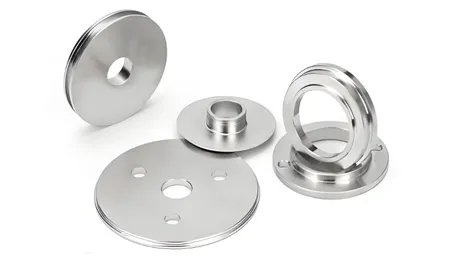
Customers often ask: Is milling the same as grinding? The answer is a resounding no – they differ significantly in principles, tools, precision, and applications.
At Goldcattle workshop, for 26 years we’ve been using CNC milling machines for roughing complex mold parts and precision grinders for finishing hard shafts. Milling excels at rapid material removal and shaping, while grinding is the ultimate process for achieving extreme surface quality and tight tolerances. Choosing the wrong process can double costs or result in part failure.

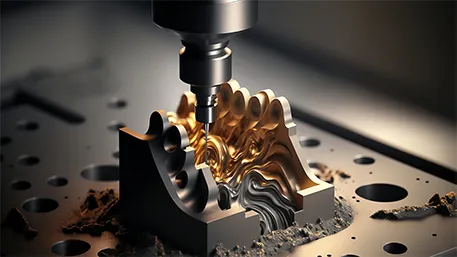
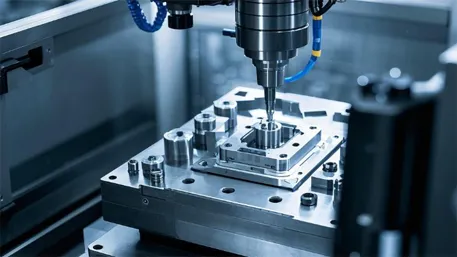
CNC Milling Machine in Operation – Precision machining of complex components
Deep Dive into Process Principles
Milling Process Principles
Milling is a machining process that removes material using a rotating multi-tooth cutter with relative motion to the workpiece. Its core principles are based on shear mechanics and material removal theory:
- Cutting Mechanism: Each cutter tooth creates a shear deformation zone when entering the workpiece. Material undergoes plastic deformation under shear stress and eventually fractures to form chips.
- Tool Geometry Parameters: Rake angle, clearance angle, and helix angle directly affect cutting forces, surface quality, and tool life.
- Cutting Force Analysis: Milling generates three directional cutting forces: main cutting force, radial force, and axial force.
Grinding Process Principles
Grinding is a material removal process using abrasive grains on a rotating grinding wheel. Its principles are more complex, involving multiple physical processes:
- Abrasive Grain Cutting Process: Single abrasive grain cutting occurs in three stages: sliding, plowing, and cutting.
- Grinding Wheel Characteristics: Abrasive type, grain size, hardness, bonding agent, and structure all influence grinding performance.
- Thermal Damage Mechanisms: Grinding zone temperatures can exceed 1000°C, potentially causing surface burns and residual stresses.
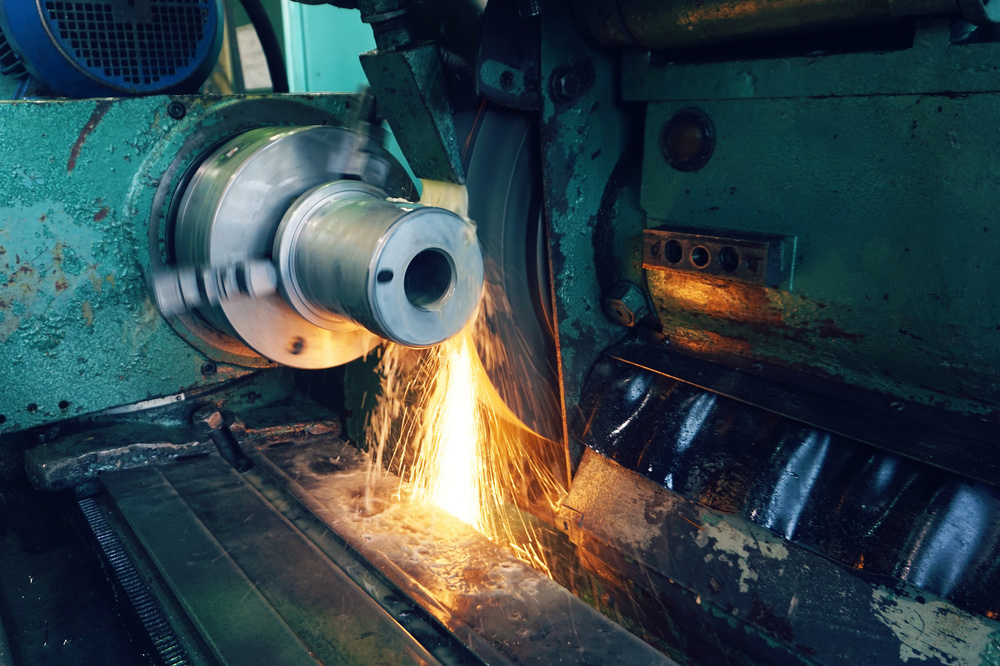
Precision Grinding Process – Final finishing with sparks and coolant application
Technical Parameter Comparison
Material Processing Characteristics
Metal Materials
- Aluminum Alloys: Excellent milling performance
- Steels: Low carbon for milling, high carbon for grinding
- Titanium Alloys: Difficult-to-machine materials
- Superalloys: Grinding is primary method
Non-Metal Materials
- Engineering Plastics: Milling is the main process. Pay attention to thermal deformation.
- Ceramic Materials: Grinding only processing
- Composite Materials: Special tools required
- Stone Materials: Grinding for finishing
Hardness Impact
- HRC < 30: Suitable for milling
- HRC 30–50: Both processes applicable
- HRC > 50: Grinding required
- Ceramics: 1500–2000 HV hardness
Goldcattle Material Experience: We’ve processed over 100 materials. For HRC 50+ materials, milling tool wear is rapid and costly, while grinding is more economical and efficient.

Surface Roughness Measurement – Digital gauge for Ra value inspection
Practical Application Case Studies
Material: Titanium Alloy Ti-6Al-4V
Process Route:
- 5-axis CNC milling roughing (70% material removal)
- Semi-finishing (0.5mm stock left)
- Hot isostatic pressing
- Precision grinding finishing
- Polishing treatment
Technical Requirements:
- Dimensional accuracy: ±0.02mm
- Surface roughness: Ra 0.4μm
- Geometric tolerance: 0.05mm/m
Material: Cobalt-Chromium-Molybdenum Alloy
Technical Requirements:
- Surface roughness: Ra 0.05μm
- Dimensional accuracy: ±0.005mm
- Biocompatibility requirements
Material: 20CrMnTi Carburized Steel
Technical Requirements:
- Gear accuracy: ISO Grade 5
- Surface roughness: Ra 0.2μm
- Contact pattern: ≥80%
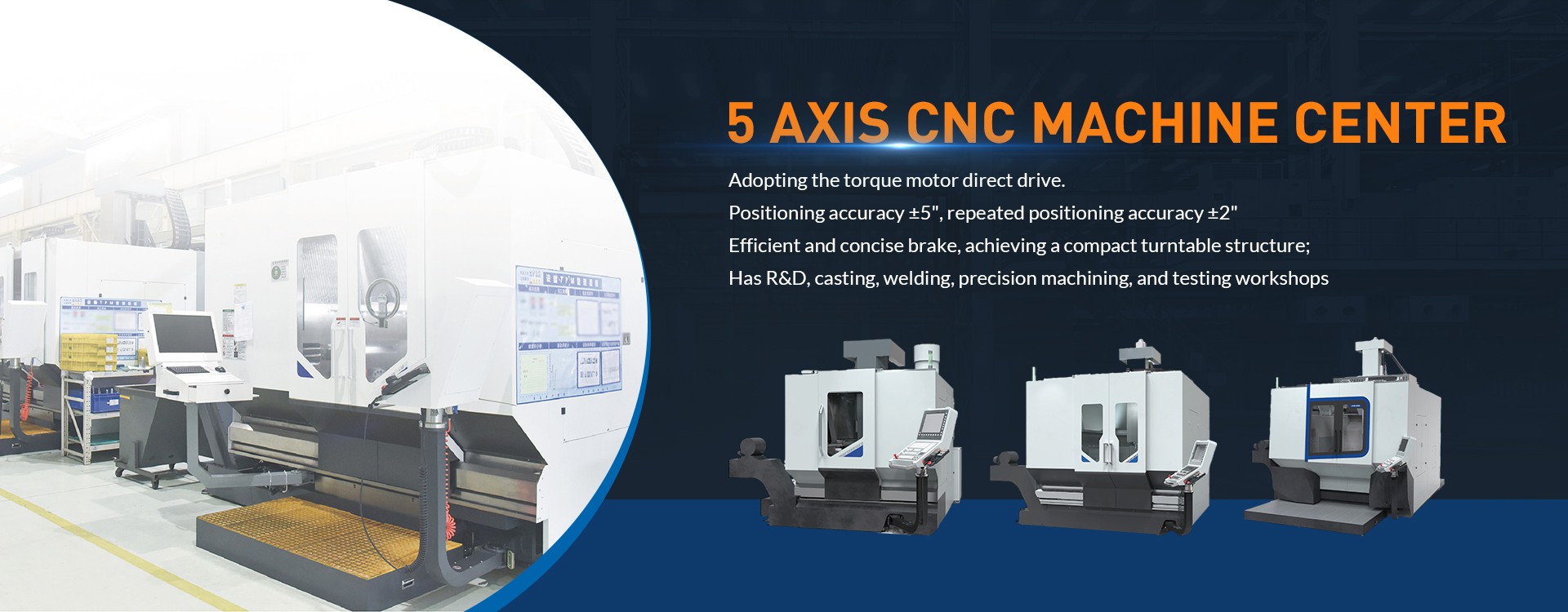
5-Axis CNC Machining Center – Capable of producing highly complex components
Process Selection Decision Guide
Selection Based on Technical Requirements
- Dimensional Accuracy: ±0.1mm+ (milling), ±0.01–0.1mm (both), ±0.01mm- (grinding)
- Surface Quality: Ra > 1.6μm (milling), Ra 0.4–1.6μm (both), Ra < 0.4μm (grinding)
- Material Hardness: HRC < 30 (milling), HRC 30–50 (both), HRC > 50 (grinding)
Common Technical Misconceptions
While grinding achieves higher accuracy, it has low material removal rate and high cost. For significant material removal, milling followed by grinding is most economical. Direct grinding costs 10-15 times more than combined process.
Milled surfaces cause issues in demanding applications: high friction, stress concentration, poor sealing, and assembly difficulties.
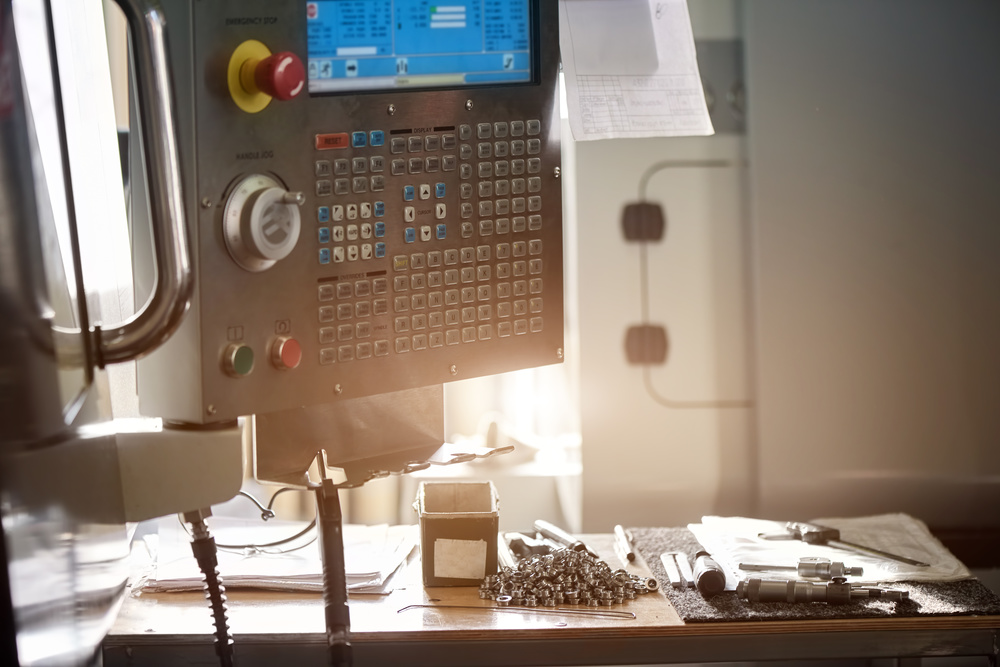
Modern CNC Machine Controls – Advanced equipment in precision workshop
Summary and Recommendations
Milling and grinding are indispensable processes in precision manufacturing, each with unique advantages and complementary roles. For most precision parts, the combined process of “milling for shaping + grinding for finishing” is optimal.
Need Precision CNC Machining Services?
Goldcattle provides professional milling and grinding services with 26 years of industry experience guaranteeing quality
Upload your drawings for free DFM analysis and detailed quotation within 24 hours
By Goldcattle CNC Engineering Team – Specializing in Precision Machining for 26 Years
Technical Support: CNC Machining Centers, Precision Grinders, Coordinate Measuring Machines
Service Scope: Aerospace, Automotive, Medical, Mold and other industries