What Are Resin Silicone Molds Anyway?
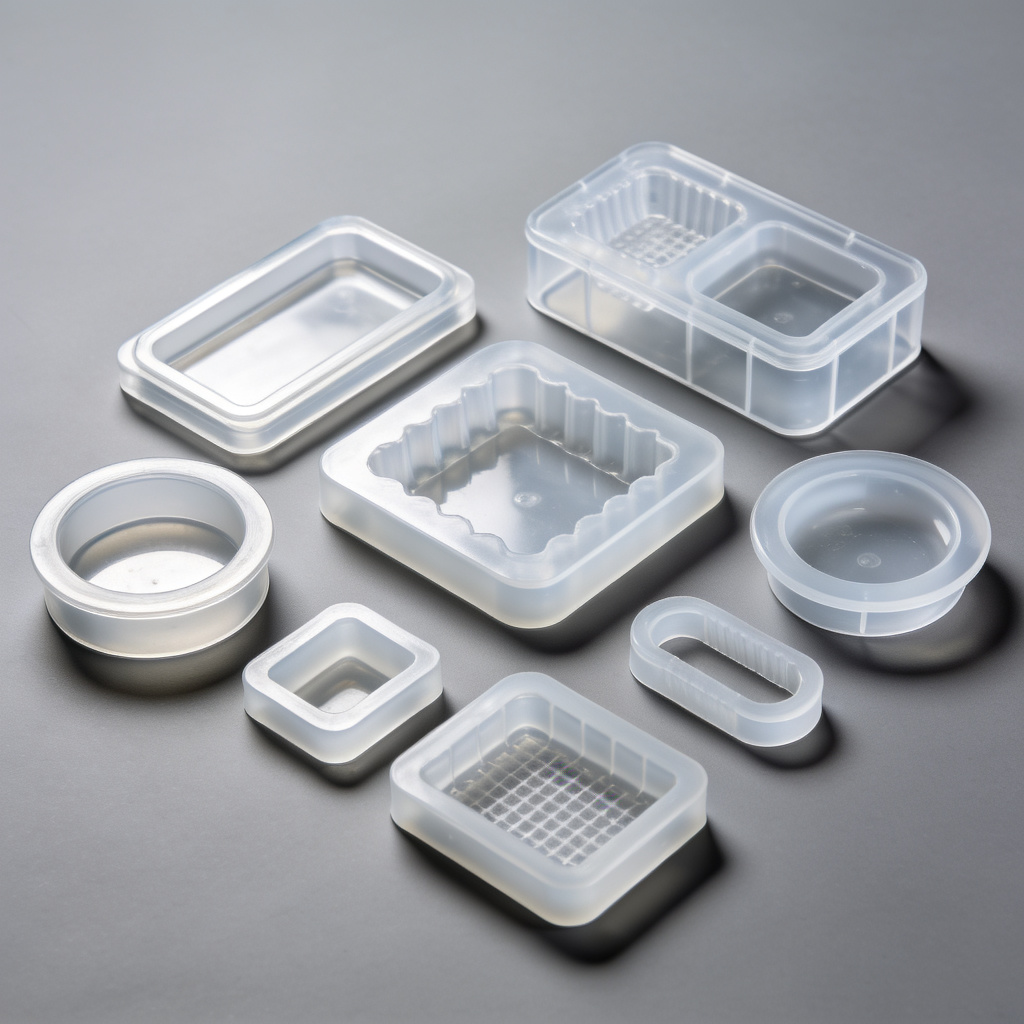
Let me tell you, these things are absolute game-changers for crafters and manufacturers alike! Resin silicone molds are flexible, reusable containers made from high-quality silicone that let you shape liquid resin into pretty much any form you can imagine as it cures.
Bro, I’ve used these myself and the detail you can get is insane—from tiny intricate jewelry pieces to large decorative artworks, they capture every little nuance perfectly. And the best part? They’re super easy to work with, even for beginners!
What Do These Molds Actually Do?
- Capture intricate details with perfect precision (we’re talking micron-level accuracy here!)
- Allow for consistent replication of complex shapes
- Enable mass production of identical parts at a fraction of the cost
- Work with various materials beyond just resin—epoxy, polyurethane, wax, gypsum, even low-temperature metals!
- Provide easy release without sticking (no more ruined projects, thank goodness!)
The Magic Behind the Process
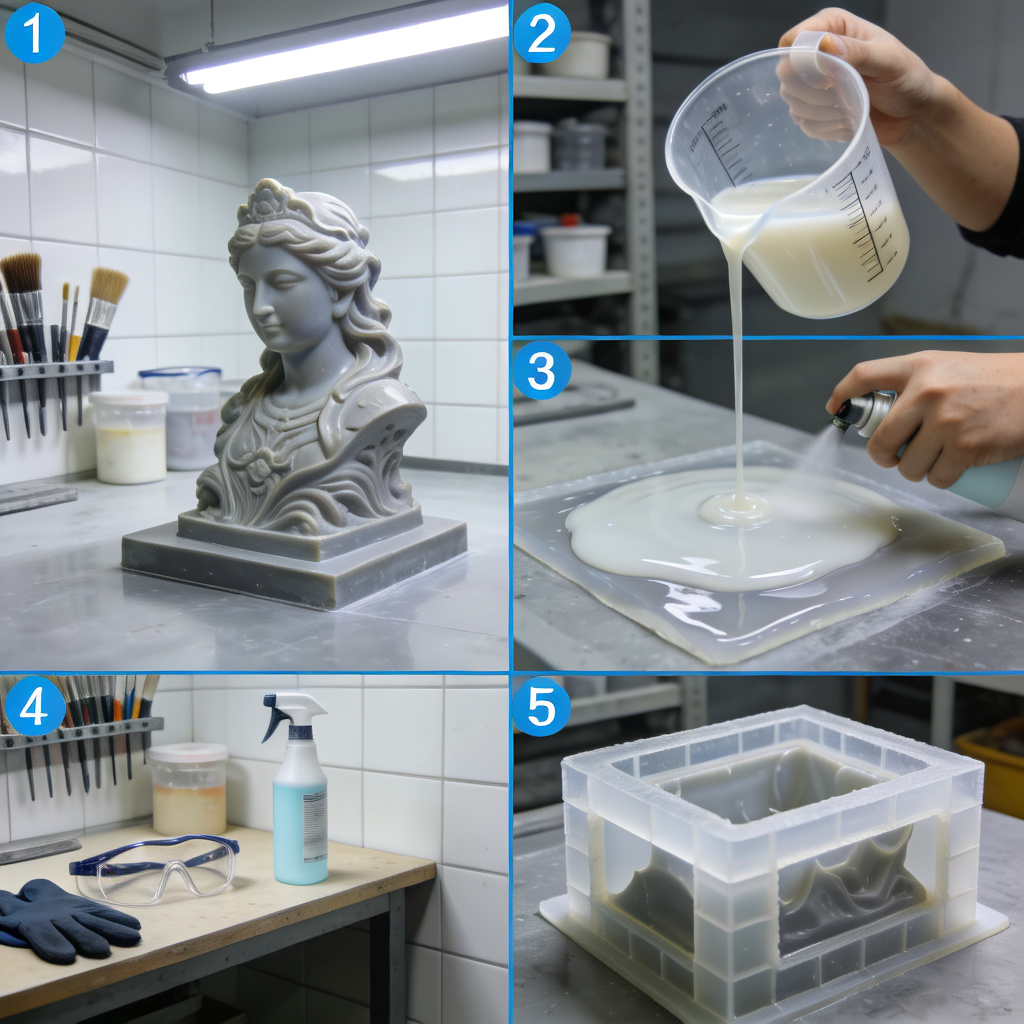
Alright, let’s get into the nitty-gritty. The process starts with creating a master model—this can be 3D printed, hand-carved, or even an existing object you want to replicate.
Then you mix up the silicone rubber (usually a two-part system) and pour it over the master model. Pro tip: Use a vacuum chamber to remove air bubbles—trust me, this makes a huge difference in the final quality!
Once it cures (usually 4-24 hours depending on the type), you carefully cut it open to remove the master, and boom—you’ve got a perfect mold ready to use!
Custom Mold Ordering Process
- Design Consultation: You send us your design files or sketches—we’ll help refine them for moldability
- Material Selection: Choose from platinum-cured (best quality) or condensation-cured (more affordable) silicone
- Prototype Approval: We create a sample mold for you to test and approve before full production
- Mold Production: Once you give the green light, we mass produce your custom molds
- Quality Inspection: Every mold goes through strict quality control to ensure perfection
- Delivery: Your custom molds arrive at your door ready to use!
Step-by-Step Manufacturing Process
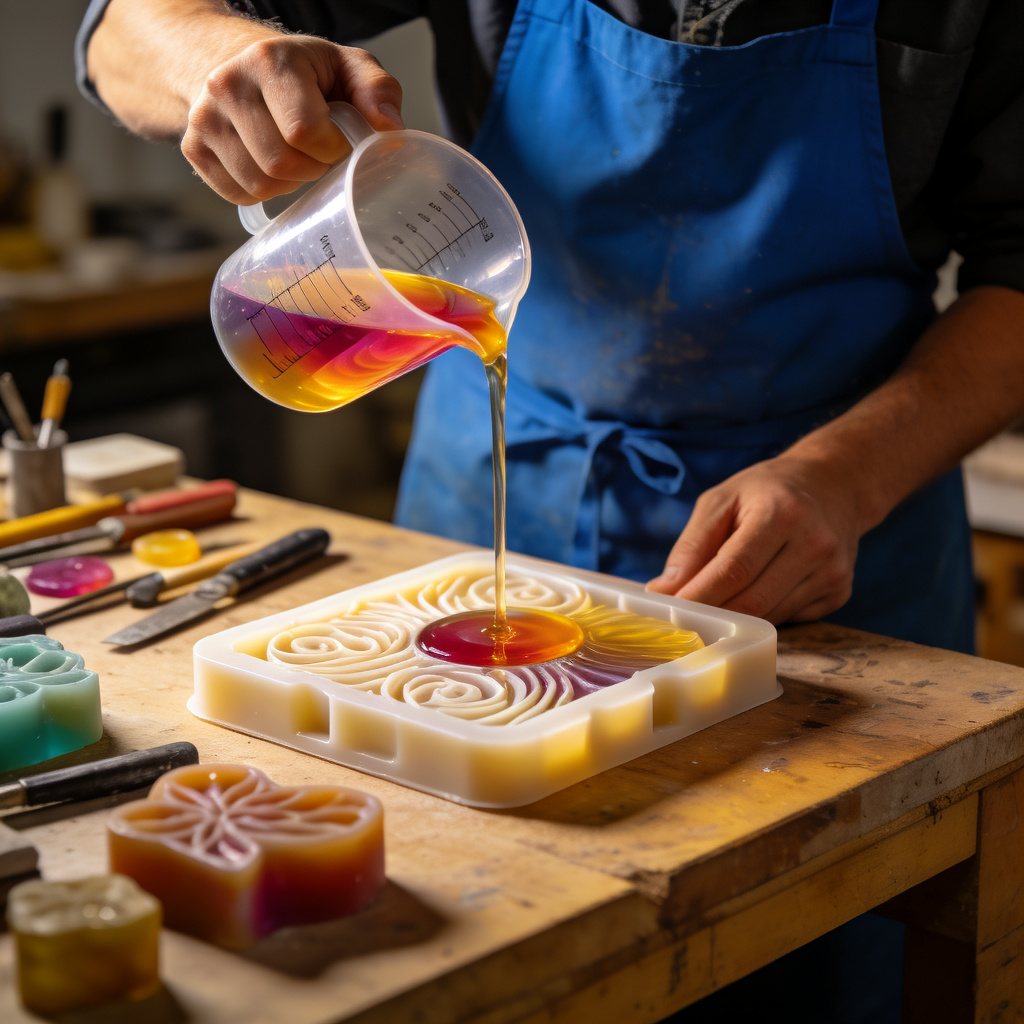
Master Model Preparation
The master model is carefully prepared with release agent to ensure easy demolding. Any imperfections are sanded smooth for perfect results.
Silicone Mixing
Two-part silicone is mixed in precise ratios (usually 1:1 or 10:1) depending on the type. We mix thoroughly but gently to minimize air bubbles.
Vacuum Degassing
The mixed silicone is placed in a vacuum chamber to remove trapped air bubbles—this is crucial for achieving bubble-free molds.
Pouring & Curing
Silicone is poured slowly over the master model, starting from one corner to let it flow naturally. It then cures at room temperature or with heat acceleration.
Demolding & Finishing
Once fully cured, the mold is carefully cut open to remove the master. The mold is then trimmed and prepared for use.
Quality Testing
Each mold undergoes testing with actual resin to ensure proper release, detail retention, and durability before being shipped.
Materials Used in Silicone Molds
Platinum-Cured Silicone
This is the Rolls-Royce of silicone molds, my friends! It offers:
- Superior tear strength (≥8 MPa)
- High temperature resistance (up to 200°C)
- FDA food-grade certification available
- Excellent detail reproduction
- Longer lifespan (can be used hundreds of times)
Price range: $20-$50 per kg (basic grades) up to $200 per kg (medical/food grade)
Condensation-Cured Silicone
The more budget-friendly option that still gets the job done:
- Good tear strength (≥5 MPa)
- Moderate temperature resistance (up to 150°C)
- Economical for short-term projects
- Suitable for most general-purpose applications
- Shorter lifespan (50-100 uses typically)
Price range: $10-$30 per kg
What Can You Use These Molds For?
Crafts & Jewelry
- Keychains & pendants
- Earrings & bracelets
- Coasters & trays
- Resin art pieces
Industrial Use
- Prototyping & testing
- Small part production
- Gaskets & seals
- Medical device components
Home & Decor
- Candle holders
- Soap molds
- Decorative figurines
- Wall art & sculptures
How to Use Resin Silicone Molds Like a Pro
Step-by-Step Usage Guide
- Prepare your workspace: Make sure it’s clean, well-ventilated, and free of dust
- Apply release agent (optional): For extra easy release, though good quality silicone usually doesn’t need it
- Mix your resin: Follow the manufacturer’s instructions carefully—usually 1:1 ratio by volume or weight
- Pour slowly: Pour from one corner to let resin flow naturally, avoiding air bubbles
- Remove bubbles: Use a heat gun or torch to pop any surface bubbles (hold it 6-12 inches away!)
- Let cure: Allow resin to fully cure according to the product instructions (usually 12-24 hours)
- Demold carefully: Flex the mold gently to release your finished piece—don’t force it!
How to Take Care of Your Molds
Listen, if you want your molds to last for hundreds of uses, you gotta take care of them! Here’s what you need to do:
- Clean molds immediately after use with warm soapy water
- Use a soft brush to remove any stubborn resin residue
- Store molds flat or in their original packaging to prevent warping
- Avoid using sharp tools that could scratch the mold surface
- Keep molds away from direct sunlight and extreme temperatures
- For long-term storage, dust with a small amount of talcum powder
Important Things to Watch Out For
- Never use silicone molds with solvents that could degrade the material
- Don’t pour resin that’s too hot—this can damage the mold
- Avoid contact with sulfur-containing materials (they can “poison” platinum silicone)
- Always wear proper safety gear: gloves, goggles, and a respirator when working with resin
- Don’t use food-grade molds for non-food applications and vice versa
- Keep molds out of reach of children and pets
Industry Standards & Certifications
Food Contact Standards
- FDA 21 CFR 177.2600 (US): Standard for food-contact silicone materials
- LFGB (Germany/EU): Stricter than FDA, no chemical migration allowed
- EU 10/2011: European regulation for plastic materials and articles intended to come into contact with food
Medical & Industrial Standards
- USP Class VI: Highest level of certification for medical materials
- ISO 10993: Biological evaluation of medical devices
- ASTM D624: Standard test method for rubber tear strength
- ISO 37:2017: Determination of tensile stress-strain properties
Testing & Quality Control
What We Test For (Data for Reference Only)
| Test Item | Standard | Passing Value | Our Typical Result |
|---|---|---|---|
| Tensile Strength | ISO 37:2017 | ≥8 MPa | 9.2 MPa |
| Tear Strength | ASTM D624 | ≥25 kN/m | 32 kN/m |
| Hardness | Shore A | 10-80 Shore A | 20-40 Shore A |
| Temperature Resistance | Thermal Cycling | -40°C to 200°C | -50°C to 220°C |
| Compression Set | ASTM D395 | ≤20% | 15% |
* All test data is for reference only and may vary depending on specific material formulations and testing conditions.
Value for Money Comparison
3D Printing
Best for: 1-10 pieces
Cost per piece: $15-$50
Lead time: 1-3 days
Silicone Molding
Best for: 10-200 pieces
Cost per piece: $2-$15
Lead time: 5-10 days
BEST VALUE!
Injection Molding
Best for: 200+ pieces
Cost per piece: $0.5-$5
Lead time: 20-40 days
Breakdown of Costs
What Affects the Price?
Material Costs
- Basic silicone: $20-$50 per kg
- Food/medical grade silicone: $50-$200 per kg
- Platinum-cured vs condensation-cured
- Hardness level (10-80 Shore A)
Production Costs
- Master model creation: $50-$500+
- Mold making labor: $30-$100 per hour
- Quality control testing: $20-$100 per mold
- Shipping and handling: $10-$50
Size & Complexity
- Small simple molds: $50-$200 each
- Medium complex molds: $200-$800 each
- Large intricate molds: $800-$2000+ each
- Multi-part molds cost more than single-piece
Order Quantity
- 1-5 molds: Full price
- 5-20 molds: 10-15% discount
- 20+ molds: 15-25% discount
- Bulk pricing available for large orders
Ready to Get Started?
Custom resin silicone molds are an incredible tool for anyone looking to create high-quality, consistent parts or crafts.
Whether you’re a hobbyist making jewelry or a manufacturer prototyping new products, the right silicone mold can save you time, money, and frustration.
Trust me, once you start using custom silicone molds, you’ll wonder how you ever worked without them!