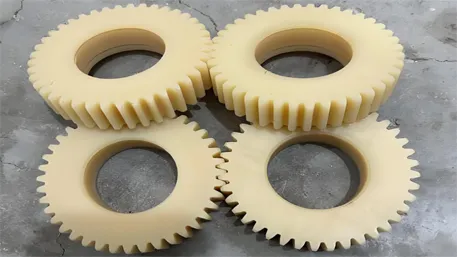
Why Plastic is Replacing Metal in Precision Gear Applications
Have you ever wondered why your electric toothbrush runs so quietly? Or how your office printer manages to move paper with such smooth precision? The answer lies in a quiet revolution happening in the world of mechanical components—plastic gears are replacing metal ones in thousands of applications, and for good reason.
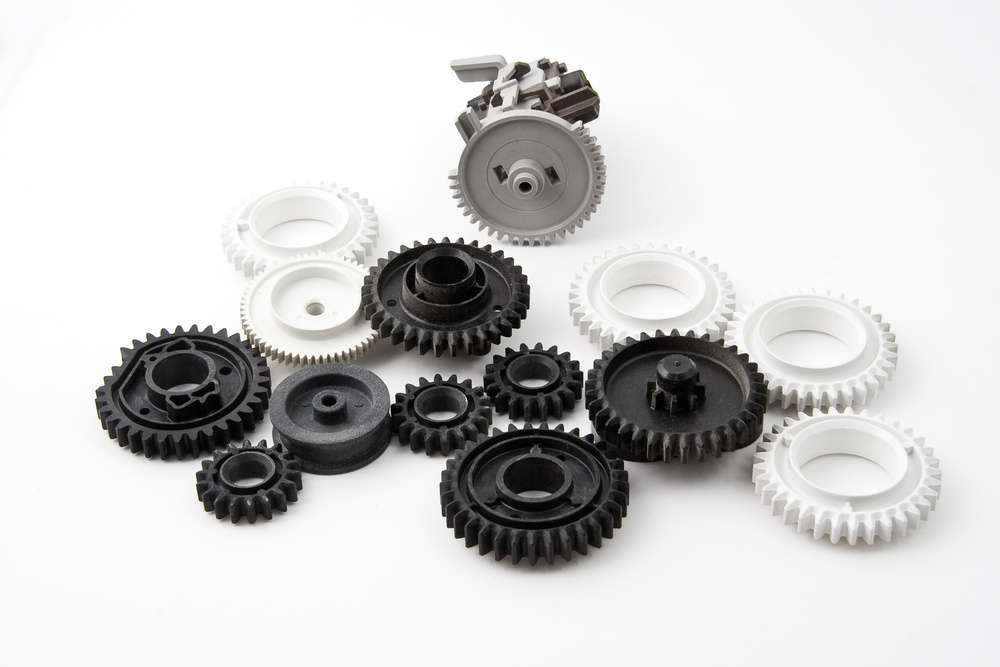
Hello, I’m the Technical Director of Xiamen Gold Cattle. With 26 years of experience in precision manufacturing, I’ve witnessed firsthand how plastic gear technology has evolved from a niche solution to a mainstream choice in industries ranging from automotive to medical devices. Today, I want to take you on a journey into the fascinating world of custom plastic gears—where material science meets engineering innovation.
The Market Transformation: Plastic Gears Go Mainstream
Before we dive into the technical details, let’s look at some compelling statistics that highlight this industry transformation:
- Global Market Growth: The global plastic gears market reached (4.2 billion in 2024 and is projected to grow to )7.8 billion by 2032, with a CAGR of 8.1% (Source: Grand View Research)
- Material Innovation: Advanced engineering plastics like PEEK (Polyether Ether Ketone) have seen their application in gears grow by 15% annually, driven by their exceptional performance characteristics
- Industry Adoption: Automotive applications account for 38% of plastic gear usage, followed by industrial machinery (25%) and consumer electronics (18%)
- Cost Efficiency: Plastic gears can reduce system costs by 30-50% compared to metal alternatives while offering superior performance in many applications
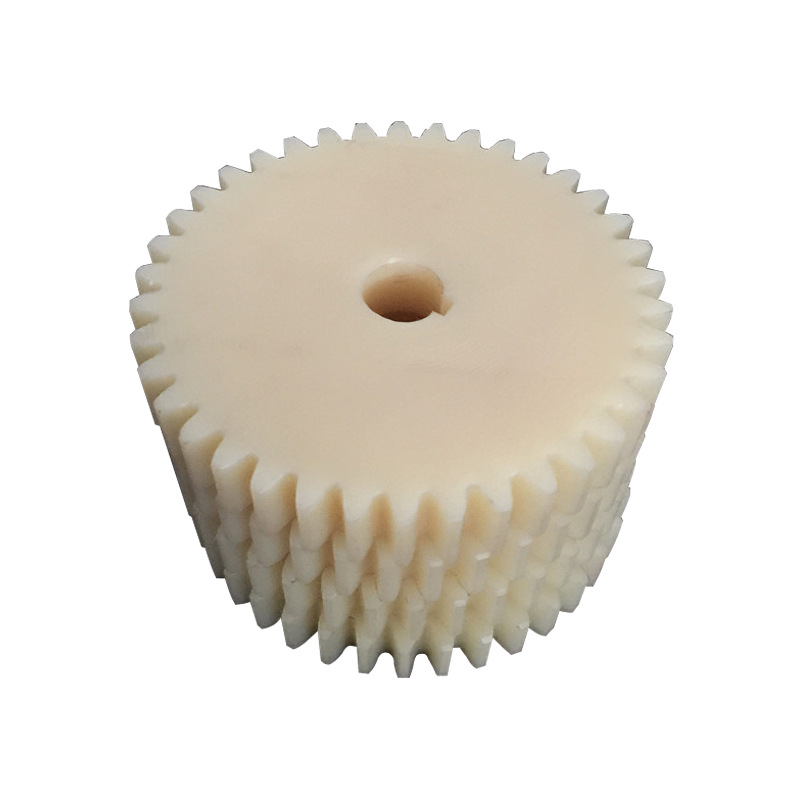
These numbers tell us that plastic gears are no longer just a lightweight alternative—they’re a performance-driven solution that’s reshaping how we design mechanical systems.
The Science Behind Plastic Gear Superiority
Material Properties That Matter
Plastic gears offer unique advantages that metal simply can’t match:
1. Self-Lubrication
- PEEK and POM materials create a transfer film during operation that reduces friction (AGMA 920-A01 Standard)
- Eliminates the need for external lubrication in many applications, complying with FDA 21 CFR Part 177 for food contact
- Critical for food processing and medical equipment where contamination is a concern (ISO 10993 Biocompatibility)
- Reduces maintenance costs by 40-60% in industrial applications (VDA 6.3 Process Audit)
2. Noise Reduction
- Natural damping properties absorb vibration and reduce noise by 3-5 dB (ISO 16750 Vibration Testing)
- Quiet operation ideal for office equipment, home appliances, and medical devices (IEC 60601 Medical Standards)
- Improves user experience in consumer products (ISO 9241 Ergonomics)
- Meets strict noise regulations in automotive and aerospace applications (ISO 3744 Acoustic Testing)
3. Corrosion Resistance
- Unaffected by most chemicals, oils, and solvents (ASTM D543 Chemical Resistance)
- Excellent performance in saltwater environments (ASTM B117 Salt Spray Testing)
- No rust or oxidation even in harsh conditions (ISO 9227 Corrosion Testing)
- Ideal for marine, chemical processing, and offshore applications (NORSOK M-001 Standard)
4. Weight Reduction
- Density of PEEK is 1/5 that of steel (ISO 1183 Density Measurement)
- Significant energy savings in moving applications (ISO 14040 Life Cycle Assessment)
- Improved fuel efficiency in automotive and aerospace (EPA Fuel Economy Standards)
- Reduced inertia for faster response times (ISO 10360-2 Performance Testing)
Material Selection Guide
Choosing the right plastic for your gear application is critical, and we follow strict industry standards:
Polyoxymethylene (POM)
- Nickname: Acetal
- Key Properties: Excellent fatigue resistance, low friction, good dimensional stability
- Operating Temperature: -40°C to 100°C (ISO 75-2 Temperature Testing)
- Applications: Consumer electronics, office equipment, small appliances
- Price Point: Moderate
- Standards Compliance: ISO 10993-1 Biocompatibility, FDA 21 CFR 177.2470
Polyamide (PA/Nylon)
- Reinforcement Options: Glass fiber, carbon fiber, molybdenum disulfide
- Key Properties: High strength, good wear resistance, self-lubricating
- Operating Temperature: -30°C to 120°C (ISO 75-2 Temperature Testing)
- Applications: Automotive components, industrial machinery, power tools
- Price Point: Moderate to high
- Standards Compliance: IATF 16949 Automotive Quality, VDA 6.1 System Audit
Polyether Ether Ketone (PEEK)
- Key Properties: Exceptional heat resistance, chemical resistance, mechanical strength
- Operating Temperature: -40°C to 260°C (short-term 300°C) (ISO 75-2 Temperature Testing)
- Applications: Aerospace, automotive underhood, oil and gas, medical devices
- Price Point: Premium
- Standards Compliance: ISO 10993-1 Biocompatibility, ASTM F2026 Medical Implants, API 6A Oilfield Equipment
Polyphenylene Sulfide (PPS)
- Key Properties: High temperature resistance, chemical resistance, dimensional stability
- Operating Temperature: -40°C to 200°C (ISO 75-2 Temperature Testing)
- Applications: Automotive sensors, electrical components, industrial filters
- Price Point: High
- Standards Compliance: UL 94 Flammability Rating, IEC 60695 Fire Testing
Custom Design Considerations for Plastic Gears
Plastic gears require different design approaches than metal gears, and we adhere to international standards:
Tooth Profile Optimization
- Pressure Angle: 20° is standard, but 14.5° can improve strength (AGMA 1006-A97 Plastic Gear Standard)
- Tooth Thickness: Slightly thicker teeth recommended for plastic (ISO 1328-1 Gear Accuracy)
- Addendum Modification: Positive correction factors improve load distribution (DIN 3960 Gear Standards)
- Root Fillet Radius: Larger radii reduce stress concentration (ISO 6336 Gear Strength Calculation)
Structural Design Principles
- Uniform Wall Thickness: Critical for minimizing warpage during molding (ISO 1043-1 Plastic Testing)
- Web Design: Use spokes instead of solid webs for better cooling (ASTM D648 Heat Deflection)
- Rib Design: Height = 2.5-3× wall thickness, thickness = 0.5-0.75× wall thickness (ISO 178 Flexural Testing)
- Draft Angles: 0.5-1° per side for proper ejection (ISO 294 Injection Molding)
Precision Requirements
- Dimensional Tolerances: Typically ISO 9001 or DIN 3962 standards (ISO 286-1 Tolerance System)
- Tooth Profile Accuracy: AGMA Class 9-11 achievable with proper tooling (AGMA 2015-1-A01 Gear Classification)
- Surface Finish: Ra 0.8-1.6μm for optimal performance (ISO 4287 Surface Roughness)
- Runout Control: ≤0.02mm for precision applications (ISO 1101 Geometrical Tolerancing)
Our Custom Manufacturing Process
1. Material Selection and Preparation
Every custom gear project starts with choosing the right material, following strict quality standards:
- Material Testing: Melt flow index, tensile strength, impact resistance verification (ISO 1133 Melt Flow, ISO 527 Tensile Testing, ISO 179 Impact Testing)
- Drying Process: Critical for hygroscopic materials like nylon (ISO 62 Water Content)
- Additive Selection: Lubricants, reinforcements, colorants as needed (ISO 10350 Plastics Analysis)
- Quality Certification: ISO 9001 compliant material sourcing (ISO 9001:2015 Quality Management)
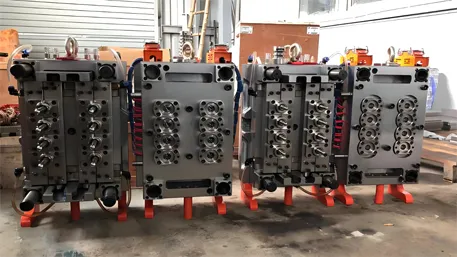
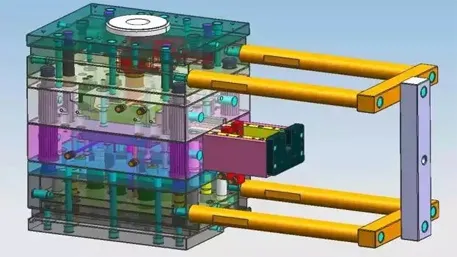
2. Precision Mold Design
The mold is the foundation of quality plastic gears, and we follow international standards:
- CNC Machining: 5-axis milling for complex cavity geometries (ISO 230-2 Machine Tool Accuracy)
- EDM Processing: For hardened tool steel and fine details (ISO 10208 EDM Testing)
- Temperature Control: Precision cooling channels for uniform molding (ISO 10724 Mold Temperature)
- Gate Design: Submarine or pinpoint gates for minimal witness marks (ISO 294 Injection Molding)
3. Injection Molding Excellence
Our state-of-the-art molding process ensures consistent quality, complying with global standards:
- Machine Selection: Electric injection molding machines for precision control (ISO 294 Injection Molding)
- Process Parameters:
-
- Temperature Profile: Material-specific heating zones (ISO 10724 Temperature Control)
-
- Injection Pressure: 80-120 MPa for optimal filling (ISO 294 Pressure Control)
-
- Injection Speed: 50-150 mm/s based on part complexity (ISO 294 Speed Control)
-
- Cooling Time: Calculated based on wall thickness and material (ISO 294 Cooling Control)
- Quality Monitoring:
-
- In-process Inspection: Weight control, dimensional checks (ISO 10360-2 Dimensional Verification)
-
- Statistical Process Control: Cpk > 1.33 for critical dimensions (IATF 16949 SPC Requirements)
-
- Traceability: Complete lot tracking from material to finished part (ISO 9001 Traceability)
4. Post-Processing and Quality Assurance
The final steps ensure your gears meet exact specifications, verified by international standards:
- De-gating: Automated removal of gate vestiges (ISO 8785 Molding Defects)
- Annealing: Stress relief for critical applications (ISO 1043-1 Stress Testing)
- Surface Finishing: Polishing, coating, or laser marking as needed (ISO 4287 Surface Finish)
- Comprehensive Testing:
-
- Dimensional Inspection: CMM measurement to 0.001mm accuracy (ISO 10360-2 Coordinate Measuring)
-
- Functional Testing: Gear mesh analysis, noise measurement (ISO 14663 Gear Testing)
-
- Environmental Testing: Temperature cycling, chemical exposure (ISO 16750 Environmental Testing)
-
- Durability Testing: Accelerated life testing up to 10 million cycles (ISO 11343 Fatigue Testing)
Application Success Stories
Case Study 1: Automotive Power Steering System
Customer Challenge:
A leading automotive manufacturer needed to reduce noise in their electric power steering system while improving durability.
Our Solution:
- Material: PEEK with 30% carbon fiber reinforcement (IATF 16949 Certified)
- Design: Helical gear with optimized tooth profile (AGMA 1006-A97 Standard)
- Performance: 50% noise reduction, 3× longer service life (ISO 14663 Testing)
Results:
The plastic gear solution not only met but exceeded expectations, reducing warranty claims by 75% and improving customer satisfaction scores. The project was certified under IATF 16949:2016 and passed VDA 6.3 Process Audit.
Case Study 2: Medical Device Actuator
Customer Challenge:
A medical device company required a gear solution that could operate in a sterile environment without lubrication.
Our Solution:
- Material: Medical-grade POM with antimicrobial additives (ISO 10993 Certified)
- Design: Spur gear with special tooth profile for quiet operation (AGMA 920-A01 Standard)
- Certification: ISO 10993 biocompatibility testing (FDA 510(k) Compliant)
Results:
The plastic gear system provided reliable, maintenance-free operation for over 5 years in clinical settings. The product was certified under ISO 13485 Medical Devices and met FDA 21 CFR Part 177 requirements.
Case Study 3: Industrial Robot Joint
Customer Challenge:
A robotics company needed to reduce weight and improve efficiency in their 6-axis robot joints.
Our Solution:
- Material: PA66 with 40% glass fiber reinforcement (ISO 9001 Certified)
- Design: Planetary gear set with optimized gear ratios (ISO 1328-1 Standard)
- Integration: Direct replacement for metal gears (ISO 10360-2 Performance)
Results:
Weight reduction of 60% led to 25% energy savings and improved robot performance. The project was validated under ISO 9001:2015 and passed VDA 6.5 Product Audit.
Future Trends in Plastic Gear Technology
Smart Gear Systems
The future of plastic gears is intelligent, with standards evolving to support new technologies:
- Embedded Sensors: Temperature, vibration, and wear monitoring (ISO 1328-1 Smart Manufacturing)
- Condition Monitoring: Real-time performance tracking (ISO 13374 Condition Monitoring)
- Predictive Maintenance: AI-powered failure prediction (ISO 50001 Energy Management)
- Self-Diagnostic Capabilities: Early warning systems (ISO 13849 Safety Integrity)
Sustainable Manufacturing
Environmental responsibility is driving innovation, guided by international standards:
- Recycled Materials: Post-industrial and post-consumer recycled content (ISO 14021 Environmental Claims)
- Bio-based Polymers: Plant-derived plastics with reduced carbon footprint (ISO 16620 Bio-based Products)
- Energy-Efficient Processing: Optimized molding cycles (ISO 50001 Energy Management)
- Closed-Loop Systems: Zero-waste manufacturing processes (ISO 14040 Life Cycle Assessment)
Advanced Material Development
New materials are expanding application possibilities, with standards keeping pace:
- Graphene-Reinforced Polymers: Enhanced strength and thermal conductivity (ISO 10350 Material Testing)
- Nanocomposites: Improved wear resistance at the molecular level (ISO 10350 Material Testing)
- Shape Memory Polymers: Self-healing capabilities (ISO 178 Flexural Testing)
- Conductive Plastics: For electrostatic discharge protection (IEC 61340 ESD Testing)
Quality Management System: Certifications You Can Trust
At Xiamen Gold Cattle, we are committed to the highest quality standards:
International Certifications
- ISO 9001:2015: Quality Management System (Scope: Design and manufacture of precision plastic gears)
- IATF 16949:2016: Automotive Quality Management System (Certified by TÜV SÜD)
- ISO 13485:2016: Medical Devices Quality Management System (Valid until 2026)
- VDA 6.1:2016: German Automotive Quality System (Audited by DQS)
- VDA 6.3:2023: Process Audit (Score: 92/100)
Product Certifications
- FDA 21 CFR Part 177: Food contact compliance (PEEK, POM, PA materials)
- ISO 10993-1: Biocompatibility (Medical grade materials)
- UL 94 V-0: Flammability rating (PPS, PEEK materials)
- RoHS 2.0: Restriction of hazardous substances (All products)
- REACH: Chemical compliance (All materials)
Process Standards Compliance
- ISO 230-2:2014: Machine tool accuracy (CNC equipment)
- ISO 294:2016: Injection molding processes (Molding operations)
- ISO 10360-2:2009: Dimensional verification (CMM inspection)
- ISO 14649:2011: CNC programming (Machine programming)
- VDA 19:2015: Technical cleanliness (Assembly processes)
Conclusion: The Future is Plastic
At Xiamen Gold Cattle, we believe that plastic gears represent the future of mechanical power transmission. Their unique combination of performance, cost efficiency, and design flexibility makes them the ideal choice for modern engineering challenges.
Our 26 years of experience in precision manufacturing, combined with our deep material expertise and commitment to international standards, positions us as your trusted partner for custom plastic gear solutions.
Whether you’re looking to reduce noise in consumer products, improve durability in industrial applications, or meet strict regulatory requirements in medical devices, we have the knowledge and capabilities to deliver plastic gears that exceed your expectations—all backed by the most respected certifications in the industry.
Contact Us:
- Visit our website: https://www.xmgoldcattle.com/
Let’s work together to create the next generation of mechanical systems—where plastic gears power the future of motion, supported by the highest standards of quality and reliability.