Materials and Their Characteristics
Steel Alloys
- High-strength steel: Used for chassis and structural components (80% of vehicle weight)
- Stainless steel: Corrosion-resistant material for exhaust systems
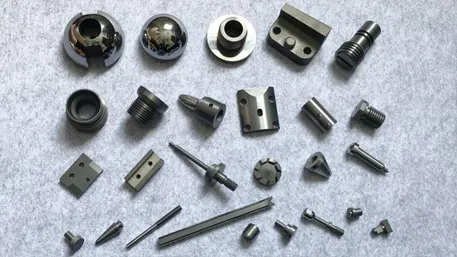
- Alloy steel: Enhanced strength and durability for engine components
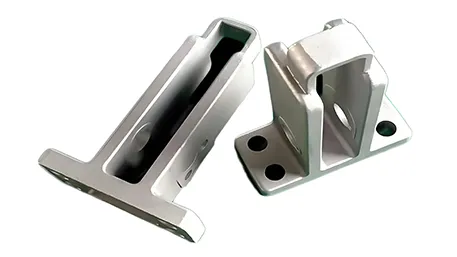
Aluminum Alloys
- Lightweight yet strong: 30% lighter than steel with good corrosion resistance
- Heat conductivity: Excellent for engine blocks and radiators
- Cost-effective: Balances performance and affordability
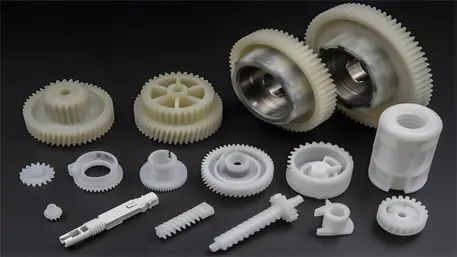
Engineering Plastics
- Polypropylene (PP): Lightweight, durable material for interior components
- ABS (Acrylonitrile Butadiene Styrene): Impact-resistant plastic for exterior trim
- Polyamide (PA): High-temperature resistance for under-hood applications
Rubber Components
- Natural rubber: High elasticity for tires and seals
- Synthetic rubber: Enhanced durability for belts and hoses
- EPDM: Weather-resistant material for gaskets and seals
Manufacturing Processes and Precision Requirements
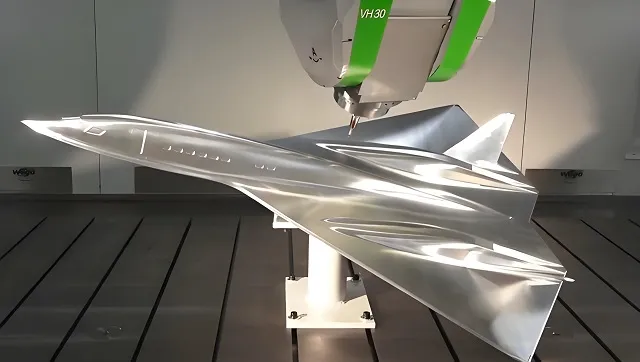
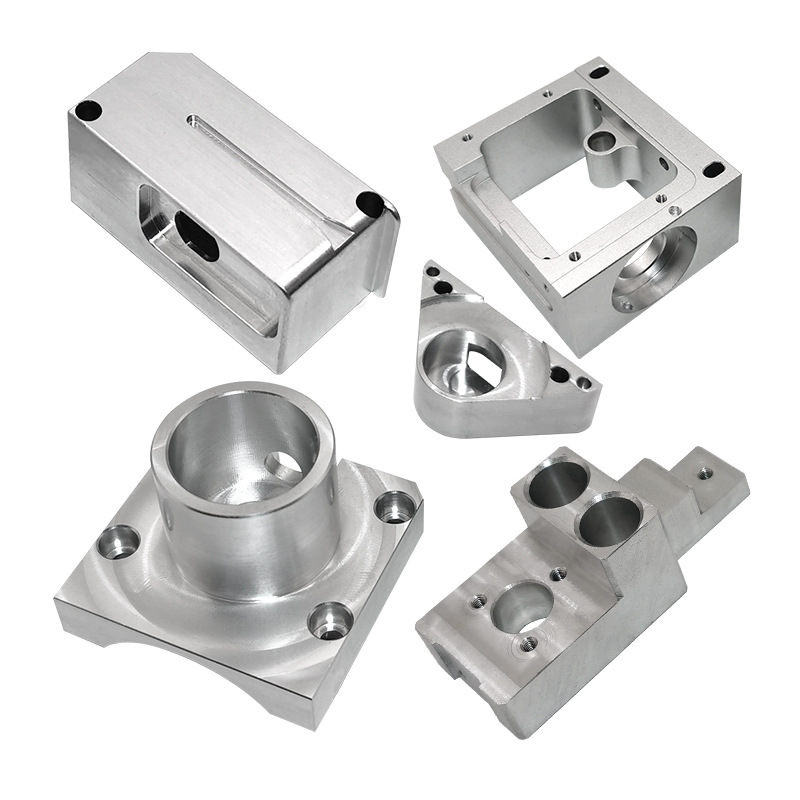
CNC Machining
Computer Numerical Control machining delivers exceptional precision:
- Tolerance levels: ±0.005mm for critical components
- Multi-axis capabilities: Complex geometries and intricate details
- Material versatility: Works with metals, plastics, and composites
Precision Casting
- Investment casting: Intricate shapes with minimal post-processing
- Sand casting: Cost-effective for larger components
- Die casting: High-volume production with tight tolerances
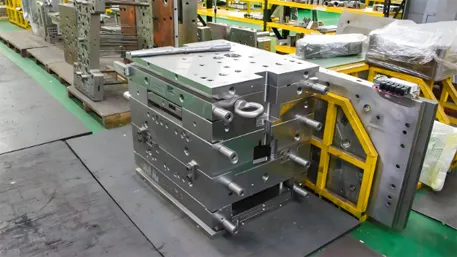
Injection Molding
- High precision: Dimensional accuracy for plastic components
- Surface finish: Smooth surfaces with minimal defects
- Production efficiency: Rapid cycle times for mass production
Stamping and Forming
- Sheet metal stamping: High-strength components with excellent surface finish
- Forging: Grain flow optimization for enhanced strength
- Extrusion: Complex profiles for structural components