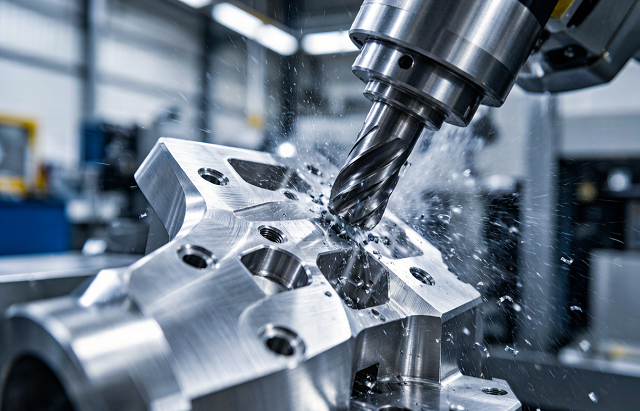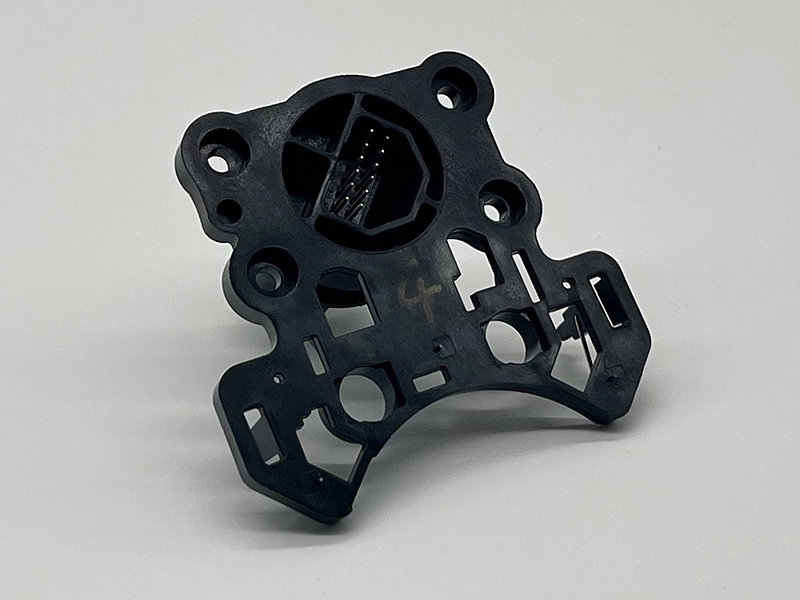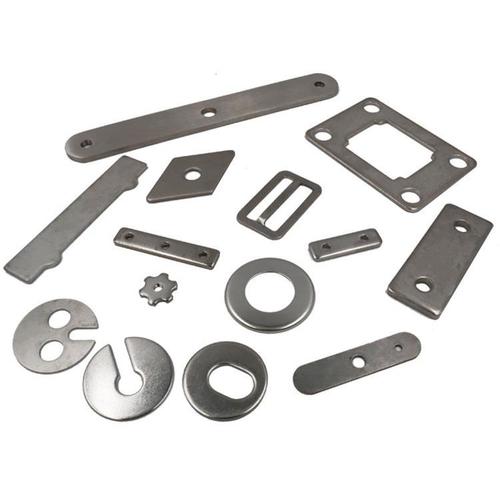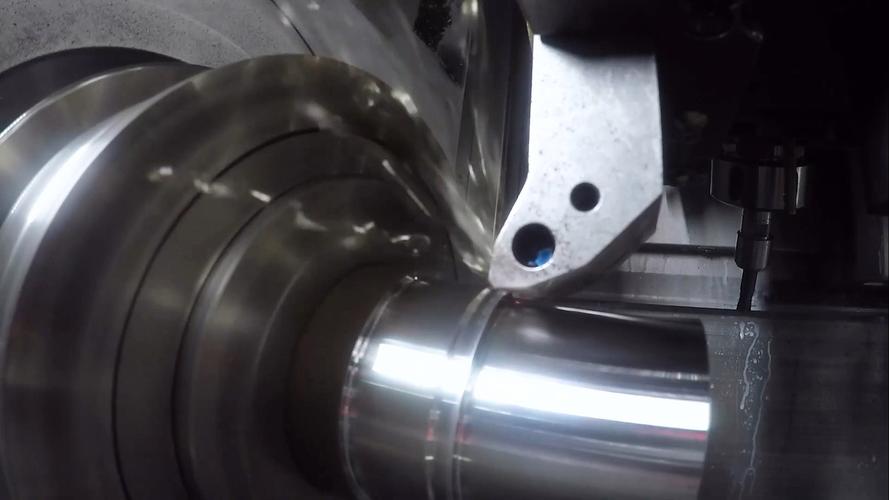
Precision CNC machining of plastic parts requires strict control of deformation, thermal expansion, and machining strategy. With 20 years of manufacturing experience, we provide comprehensive solutions to achieve stable tolerances and high-quality results for your custom plastic components. This guide covers everything you need to know for successful precision plastic machining.
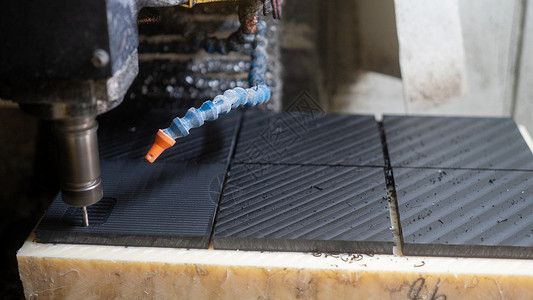
What Problems We Solve
- Plastic deformation during machining process
- Dimensional instability due to temperature fluctuation
- Poor surface finish and burr issues
- Difficulty maintaining tight tolerances for long run production
- Moisture-induced expansion in hygroscopic materials
CNC Plastic Machining Tolerance
Based on our 20 years of production data, we can achieve industry-leading precision for plastic components:
Standard Precision
±0.05mm
For general functional parts, meets most industry requirements
High Precision
±0.01–0.02mm
For critical medical, aerospace and automation components
Test Data (For Reference Only): Our internal test shows that with optimized process, the dimensional stability of precision parts can reach 99.7% within tolerance range after 30 days of storage.
Material Selection Guide
Choosing the right material is critical for your project. Below are the most common engineering plastics for precision CNC machining, with detailed processing parameters:
POM (Polyoxymethylene)
Key Feature: Excellent dimensional stability, low moisture absorption, high wear resistance
Ideal for: Gears, bearings, precision mechanical parts, automotive components
Processing Parameters: Spindle speed 12,000–16,000 RPM, Feed rate 1,500–2,000 mm/min, Cutting depth 1–3mm
Typical Tolerance: Can maintain ±0.01mm precision for long-term production
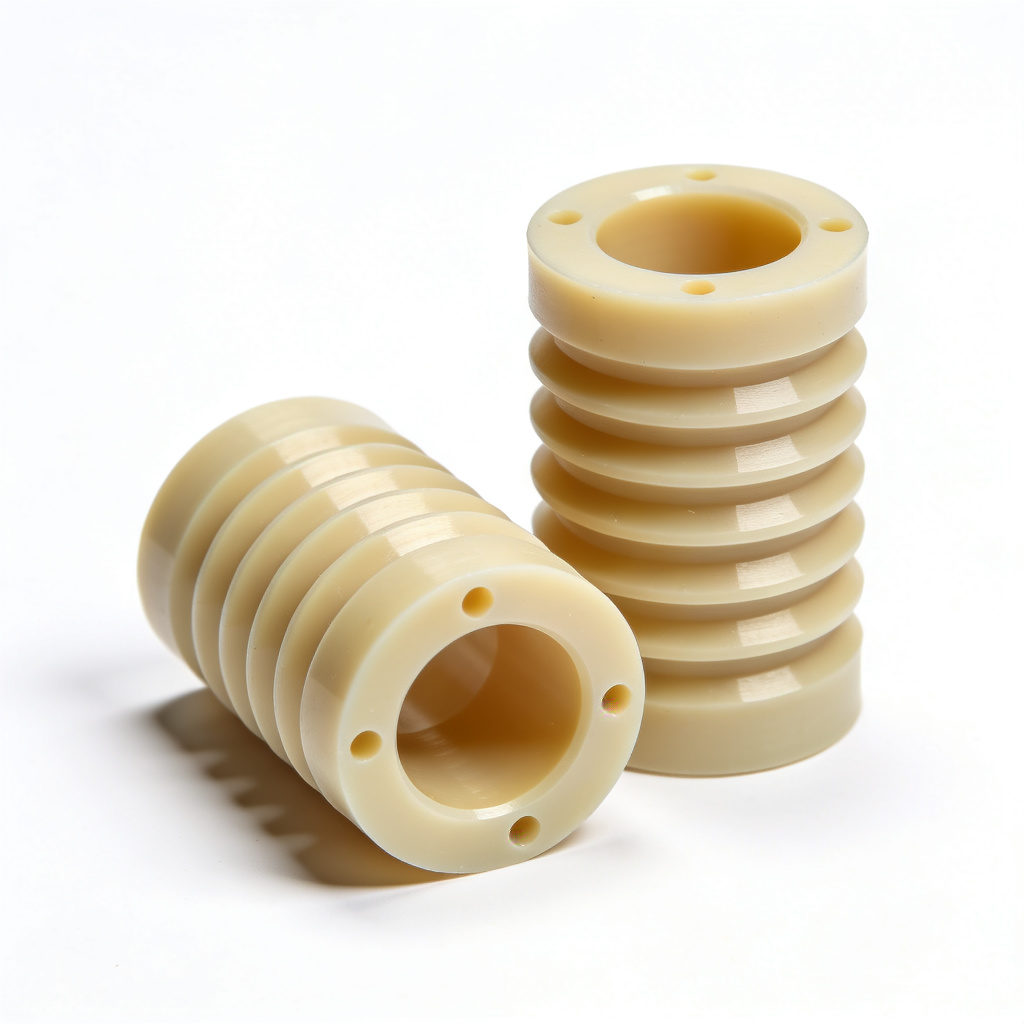
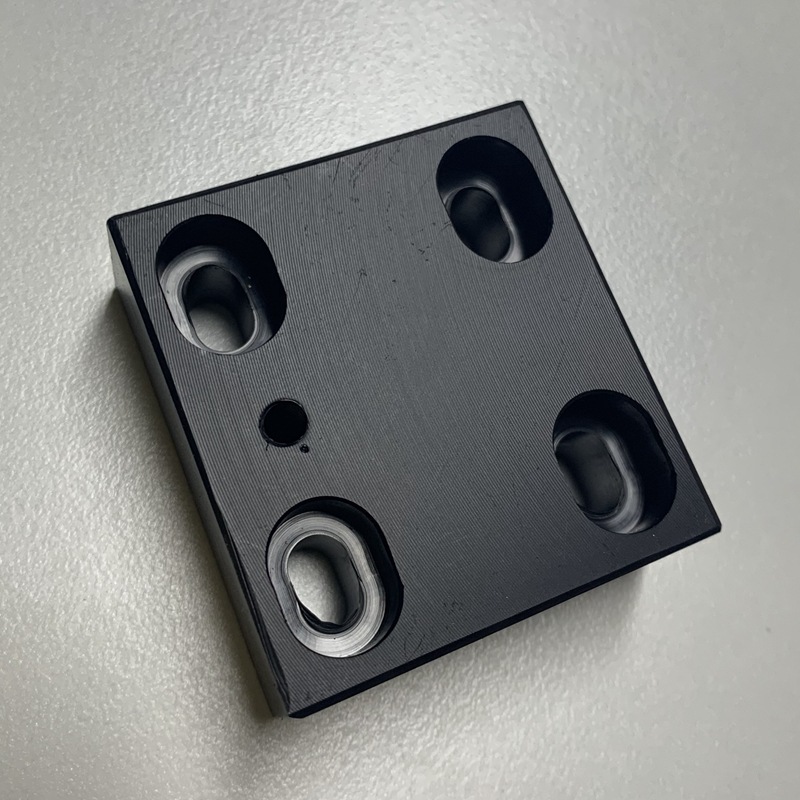
Nylon (PA6/PA66)
Key Feature: High toughness, good impact resistance, but prone to moisture expansion
Ideal for: Structural parts, gears, custom fixtures, automotive underhood parts
Processing Parameters: Pre-conditioning at 80℃ for 4h before machining, Spindle speed 10,000–14,000 RPM
Note: We perform moisture pre-treatment to avoid post-machining expansion of 0.12-0.18mm (test data for reference only)
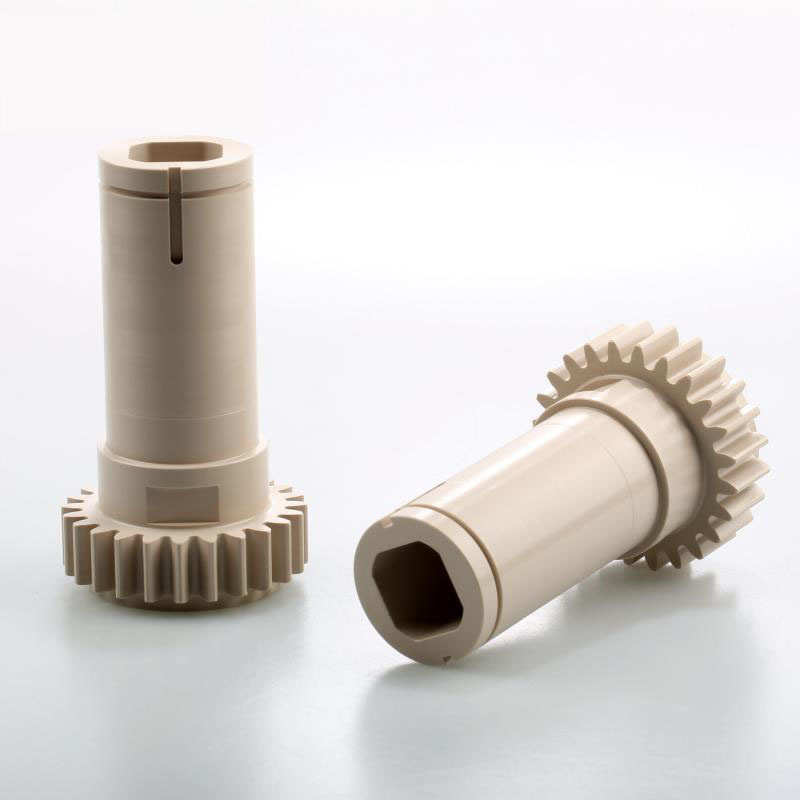
PEEK (Polyetheretherketone)
Key Feature: High temperature resistance (up to 260℃), excellent chemical resistance, biocompatibility
Ideal for: Medical implants, aerospace components, high-temperature industrial parts
Processing Parameters: Spindle speed 8,000–12,000 RPM, Feed rate 800–1200 mm/min, Sharp carbide tools required
Typical Tolerance: Can achieve ±0.01mm precision with temperature-controlled workshop
Why Plastic Parts Lose Accuracy
Plastic parts can deform by 0.05–0.2mm during machining if temperature and cutting forces are not properly controlled. The main factors are:
1. Thermal Expansion
Plastics have 10x higher thermal expansion coefficient than metals. Cutting heat can cause temporary dimensional shift during processing.
2. Internal Stress Release
Raw plastic materials have residual stress. Machining removes surface material, leading to stress redistribution and part deformation.
3. Moisture Absorption
Hygroscopic materials like Nylon absorb moisture from air, leading to gradual expansion after machining if not pre-treated.
4. Machining Force
Plastics have lower rigidity than metals. Excessive cutting force can cause part deflection during machining, leading to dimensional errors.
Our Precision Control Solutions
With 20 years of experience, we have developed a complete set of solutions to eliminate these accuracy issues:
- Optimize cutting parameters: High spindle speed with low feed rate to reduce cutting heat and force
- Use ultra-sharp tools: Specialized carbide tools for plastics to avoid material melting and burrs
- Temperature controlled workshop: 25℃ constant temperature workshop to eliminate thermal expansion error
- Pre-condition materials: Moisture and stress relief treatment before machining for hygroscopic materials
- Proper fixturing: Vacuum fixture and custom low-pressure clamps to avoid part deformation during clamping
- Step machining process: Rough machining + stress relief + finish machining to ensure long-term stability
Quality Control Process
We implement a full traceable quality control process to ensure every part meets your requirements:
Incoming Material Inspection
Precision Machining
In-process Inspection
Final CMM Inspection
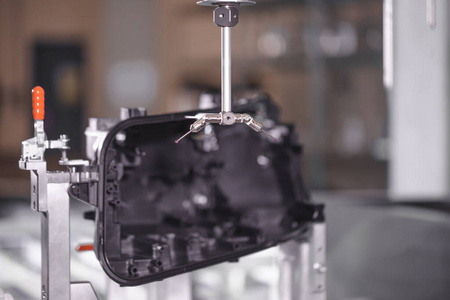
Our CMM (Coordinate Measuring Machine) ensures inspection accuracy up to ±0.001mm, combined with SPC (Statistical Process Control) to maintain stable production quality.
Cost vs Precision Trade-off
Higher precision significantly increases machining cost due to tighter process control, specialized tools, and extended inspection requirements. For example:
- Standard tolerance (±0.05mm): Cost-effective for most general parts
- High precision (±0.01mm): 30-50% higher cost, required for critical functional components
- Ultra-precision (±0.005mm): 100%+ higher cost, only for special medical/aerospace applications
Our engineers will help you choose the most cost-effective tolerance solution based on your actual application requirements.
Success Case Study
PEEK Medical Precision Part Project
Customer Challenge
The customer needed a PEEK medical part with ±0.01mm tolerance, but initial trial had 0.08mm deformation due to thermal expansion and internal stress.
Our Solution
We implemented temperature-controlled workshop, pre-stress relief treatment, and custom vacuum fixture, plus step machining process.
Final Result
We successfully achieved ±0.01mm tolerance, passed all medical industry inspection standards, and delivered 1000 parts with 100% pass rate.
Relevant Industry Standards
- ISO 2768-mk: General tolerances for linear and angular dimensions without individual tolerance indications
- ASTM D638: Standard test method for tensile properties of plastics
- ISO 10993: Biological evaluation of medical devices (for medical plastic parts)
- Our Internal Standard: ±0.001mm inspection accuracy for critical dimensions, full traceable quality system
Frequently Asked Questions
Q: What tolerance can plastic CNC machining achieve?
Standard plastic CNC machining can achieve ±0.05mm tolerance, while precision processing can reach ±0.01-0.02mm for most engineering plastics, depending on material and part geometry.
Q: Which plastic is best for precision machining?
POM is the best choice for general precision parts due to its excellent dimensional stability. PEEK is ideal for high-temperature and medical applications, while Nylon is good for high-toughness structural parts.
Q: How to prevent plastic deformation during CNC machining?
We prevent deformation by using temperature-controlled processing, pre-material conditioning, optimized cutting parameters, proper fixturing, and step machining process to release internal stress properly.
Q: Is plastic machining cheaper than metal?
For standard parts, plastic machining is generally cheaper than metal. However, high-precision plastic machining can have similar or even higher cost than metal due to the strict process control requirements.
Get Your Custom CNC Plastic Machining Quote
Our 20-year experienced engineering team can help you optimize your design and get the best cost-effective solution for your project.
Contact us today to discuss your custom precision plastic parts requirements!
* All test data mentioned in this page is for reference only, actual results may vary based on specific part geometry and application environment.