Accelerate your product launch with a full-service injection molding partner supporting prototype tooling, DFM validation, bridge production, and mass manufacturing.
Prototype to production injection molding is a manufacturing approach that supports product development from early design validation through scalable mass production.
What We Help You Achieve
We help OEMs and product developers solve the most common pain points in product development:
- Long prototype-to-production transition delays that slow your time to market
- Prototype design failures that lead to costly rework before tooling
- Unstable production quality during scaling that damages your brand reputation
- Supplier switching between development stages that causes miscommunication and delays
- Cost overruns during manufacturing ramp-up that break your development budget
Our streamlined prototype to production workflow eliminates bottlenecks and ensures a smooth transition from design validation to full-scale manufacturing.
Our Prototype to Production Workflow
Design Review & DFM Analysis
Prototype Tooling / Rapid Tooling
T1 / T2 Mold Trials
Bridge Production / Pilot Runs
Production Tool Optimization
Full Mass Manufacturing
Prototype Tooling vs Production Tooling
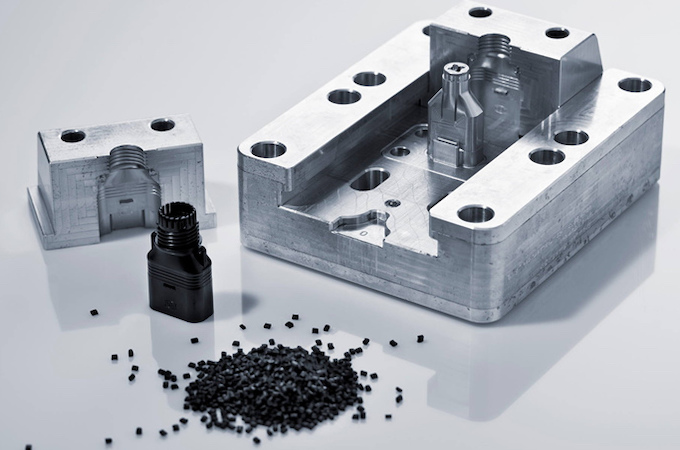
Aluminum prototype tooling (left) and steel production tooling (right)
| Prototype Tooling | Production Tooling |
|---|---|
| Lower Cost (50-70% less than production tooling) | Higher Initial Investment but lower per-part cost at scale |
| Fast Turnaround (1-2 weeks) | Longer Lead Time (4-8 weeks) |
| Small Volume Runs (up to 1,000 parts) | High Volume Production (100,000+ parts lifetime) |
| Aluminum or Soft Steel Molds | Hardened Steel Molds |
| Limited Material Options | Full Range of Thermoplastic and Engineering Materials |
| Functional Validation Parts | Precision, Production-Grade Parts |
Successful transition from prototype to production requires design optimization, tooling validation, and process control to prevent launch issues.
Engineering Support & DFM Analysis
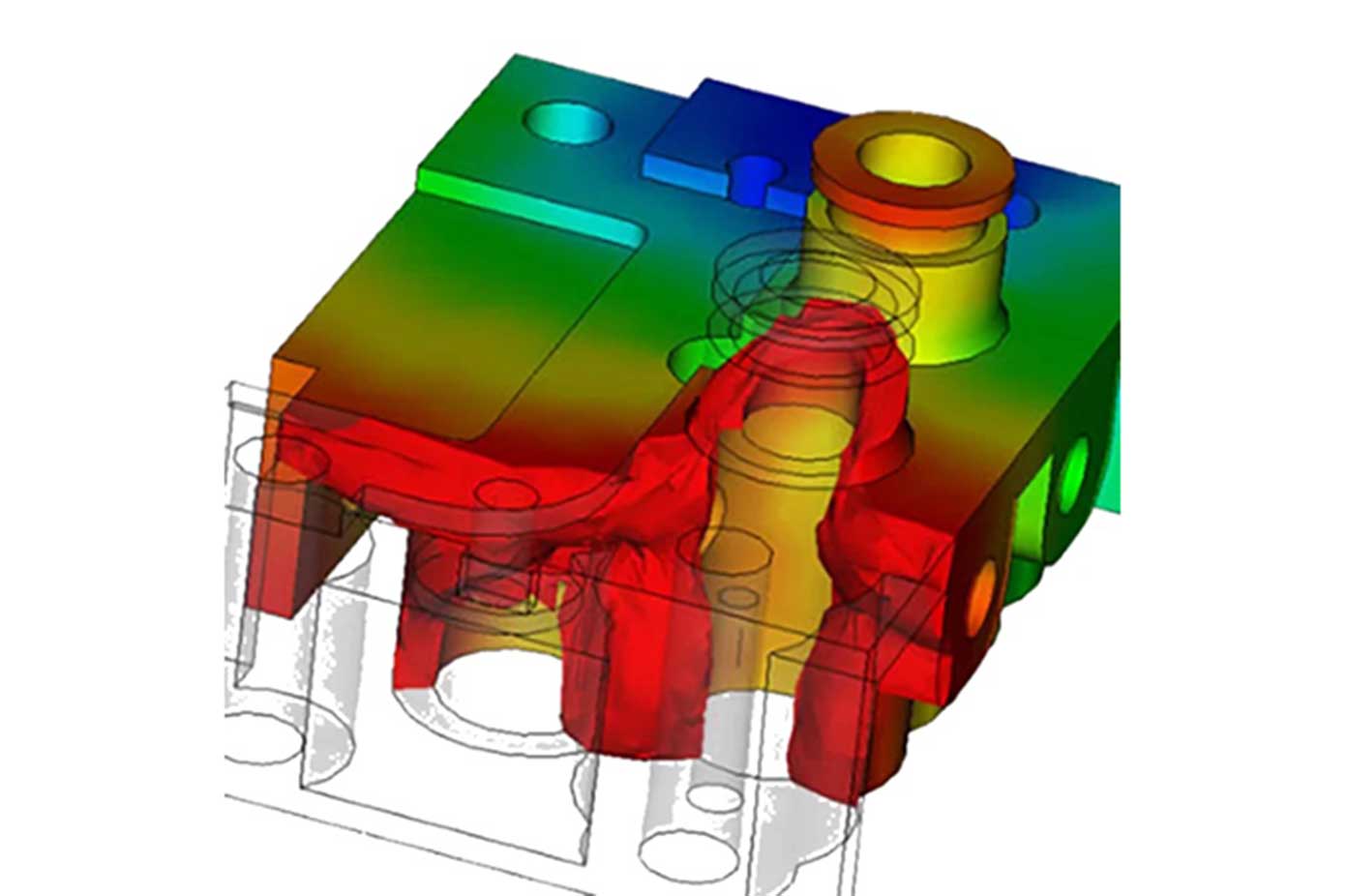
Mold flow analysis to optimize fill time and prevent defects
Our experienced engineering team conducts comprehensive design for manufacturing (DFM) analysis to optimize your part before tooling, preventing costly rework later. We support:
- Draft angle optimization to ensure smooth part ejection
- Wall thickness balancing to prevent sink marks and warpage
- Gate and runner design optimization for efficient filling
- Sink and warp prevention through material and process validation
- Advanced mold flow analysis to simulate filling, cooling, and part quality
Common Prototype-to-Production Risks & Our Solutions
With 20 years of experience in injection molding transition, we’ve identified and solved the most common risks that derail product launches:
Scaling from prototype to mass production requires careful planning to maintain quality, reduce costs, and meet growing market demand.
Scaling to Mass Production
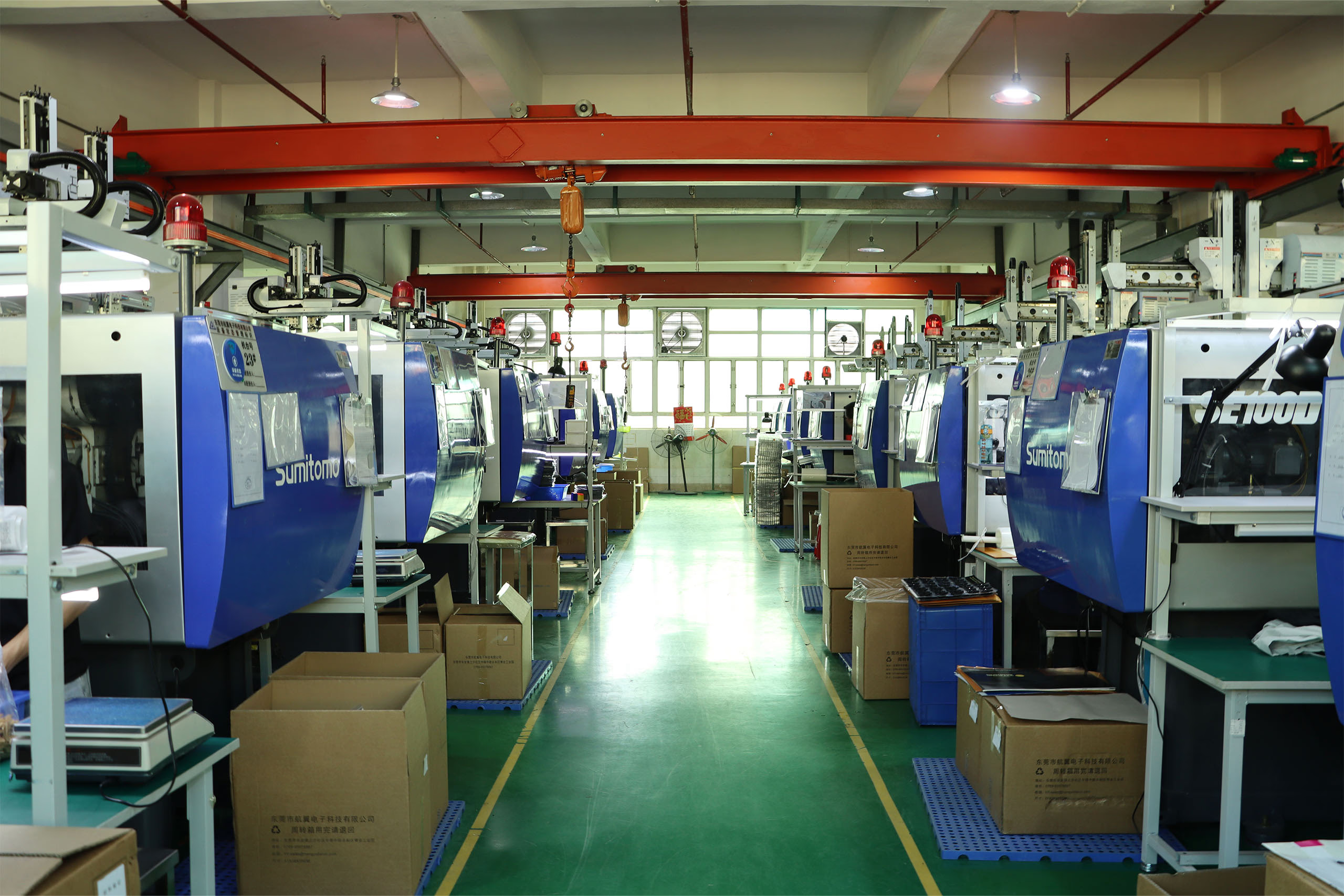
Our mass production injection molding facility
We ensure a smooth, risk-free transition to full-scale manufacturing by:
- Using prototype testing feedback to optimize production tooling before launch
- Validating full process windows to ensure consistent quality at scale
- Implementing SPC (Statistical Process Control) monitoring for continuous quality tracking
- Standardizing production SOPs to ensure repeatability across every production run
- Scaling our capacity to match your growing demand, from 1,000 to 1,000,000+ parts
Quality Control Systems
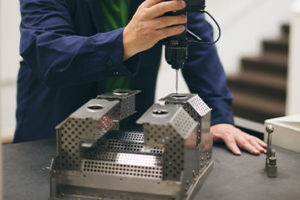
CMM inspection to validate part dimensional accuracy
We maintain strict quality control systems to ensure your parts meet the highest standards, from prototype to production:
- FAI (First Article Inspection) / PPAP / CPK process validation
- CMM (Coordinate Measuring Machine) inspection for dimensional accuracy
- Comprehensive mold validation reports to confirm tooling performance
- Full process traceability for every production run and material batch
- ISO 9001 and ISO 13485 certified quality management systems
Material Options
We support a full range of thermoplastic and engineering materials to meet your specific application requirements, from standard consumer plastics to high-performance industrial materials:
ABS (Acrylonitrile Butadiene Styrene)
A versatile, cost-effective material with excellent impact resistance and surface finish. Ideal for consumer electronics housings, automotive interior parts, and industrial components.
PC (Polycarbonate)
High-strength, transparent material with outstanding impact resistance and heat tolerance. Perfect for medical devices, safety equipment, and optical components.
Nylon (Polyamide)
Strong, wear-resistant material with good chemical resistance. Used for gears, bearings, automotive underhood parts, and functional mechanical components.
POM (Acetal)
Low-friction, high-stiffness material with excellent dimensional stability. Ideal for precision parts, fasteners, and moving mechanical components.
PP (Polypropylene)
Lightweight, chemical-resistant material with low cost. Common for packaging, automotive parts, and consumer goods, with excellent fatigue resistance.
PEEK (Polyether Ether Ketone)
High-performance engineering plastic with exceptional heat, chemical, and wear resistance. Used for medical implants, aerospace components, and high-temperature industrial parts.
Applications & Industries
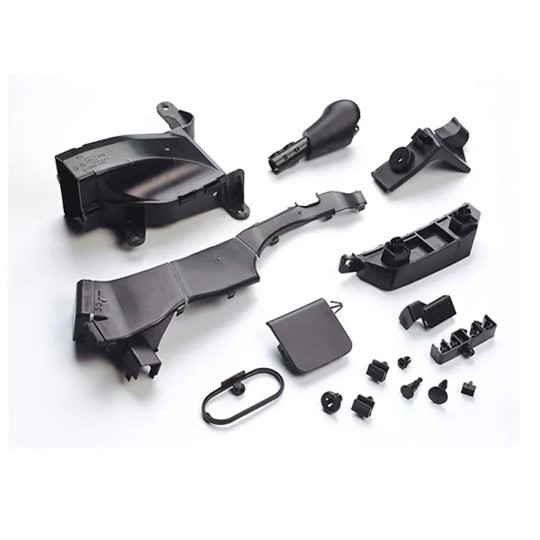
Our prototype to production injection molding services support a wide range of industries, delivering custom parts that meet the strictest industry standards:
Consumer Electronics
Housings, connectors, and internal components for smartphones, wearables, and home appliances.
Medical Devices
Surgical instruments, diagnostic equipment parts, and implantable components, meeting ISO 13485 standards.
Automotive
Interior, exterior, and underhood parts, supporting both OEM and aftermarket applications with full PPAP documentation.
Industrial Equipment
Machinery components, valve parts, and custom enclosures for industrial automation and manufacturing equipment.
Why Partner With Us As Your Single-Source Supplier
Reduce Time to Market
Eliminate supplier switching delays to cut weeks off your launch timeline, getting your product to market faster.
Lower Development Risk
Validate your design and process early to avoid costly rework and production launch failures.
Ensure Production Scalability
Scale seamlessly from prototype to mass production, with capacity to grow with your business demand.
Reduce Communication Overhead
Work with a single engineering team and point of contact, eliminating miscommunication and administrative costs.
Frequently Asked Questions
What is prototype to production injection molding?
Prototype to production injection molding is an end-to-end manufacturing service that supports your product from early design validation and prototyping all the way through to full-scale mass production. Unlike traditional manufacturing models that require you to work with separate vendors for prototyping and production, this approach uses a single partner to manage every stage, ensuring a smooth transition and eliminating common launch risks.
How long does prototype tooling take?
Prototype tooling typically takes 1-2 weeks to complete, allowing you to get functional parts for validation in as little as 7 days. This is significantly faster than production tooling, which usually takes 4-8 weeks.
What is bridge production?
Bridge production, also known as pilot runs, is a transitional solution that allows you to launch low-volume production (typically 1,000-10,000 parts) while your final production tooling is being built. This lets you start generating revenue, test market demand, and validate your part design in real-world use before committing to full-scale production, reducing your launch risk.
When should I move to hardened steel tooling?
Hardened steel tooling is recommended when you need to produce 100,000+ parts over the lifetime of your product. It offers exceptional durability, allowing for millions of cycles, and can handle high-temperature engineering materials. For lower volumes or validation stages, aluminum or soft steel prototype tooling is a more cost-effective option.
Can one mold be used for both prototype and production?
In many cases, yes. We can design scalable prototype tooling that can be modified and upgraded for production use, eliminating the need to build an entirely new mold. This reduces your upfront costs and shortens your transition time between stages.
Ready to Launch Your Product?
Get a free project evaluation and DFM analysis from our 20-year experienced engineering team. Upload your CAD files today to start your prototype to production journey.