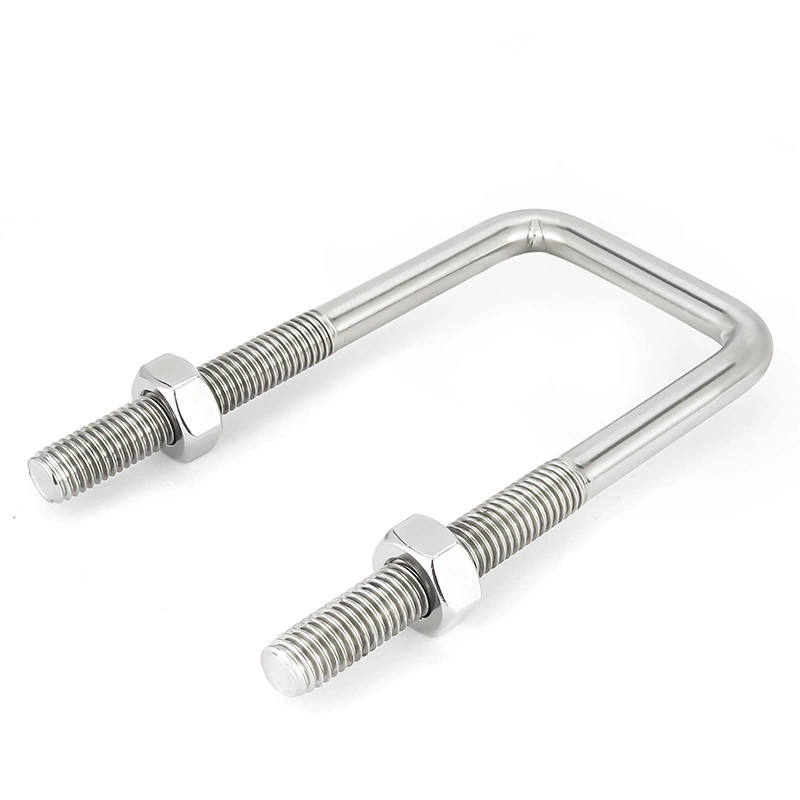
PEM Nuts, Rivnuts, Studs, Screws & How to Choose the Right One
Choosing the right fastener for sheet metal affects strength, assembly speed, serviceability, and total production cost. This guide explains the most common sheet metal fasteners, where each works best, and how buyers choose the right option for enclosures, brackets, cabinets, and OEM assemblies.
What Are Sheet Metal Fasteners?
Sheet metal fasteners are specialized hardware components used to join, mount, or add reliable threads to thin metal parts where standard tapped holes may be too weak or impractical to machine directly.
Unlike standard bolts and nuts that require thick material for sufficient thread engagement, these fasteners are designed to work with thin sheets, often as thin as 0.8mm, creating strong, reusable connection points that won’t strip or pull out under load.
They are commonly used across industries for electronic enclosures, server cabinets, control panels, medical device housings, automotive brackets, and general OEM assemblies where thin sheet metal is the primary material.
Most Common Types of Sheet Metal Fasteners
| Fastener Type | Best For | Typical Applications |
|---|---|---|
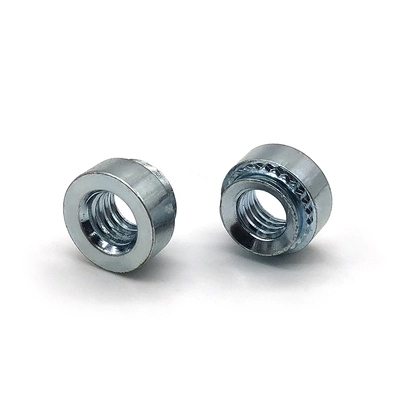
| Self-Clinching Nuts (PEM) | Thin sheet with strong reusable threads | Enclosures, chassis, control panels |
| Rivnuts / Nutserts | One-side access installation | Tubes, blind install panels, retrofit |
| Self-Clinching Studs | Permanent external mounting points | Brackets, heat sinks, component mounts |
| Standoffs | Spacing between components | PCB mounting, board stacks, panel spacing |
| Captive Screws | Reusable, no-lost hardware | Service panels, maintenance doors, covers |
| Sheet Metal Screws | Low-cost quick assembly | Light duty parts, non-critical joints |
What Is a PEM Fastener?
PEM® is the most well-known brand of self-clinching fasteners, though the term is often used generically to describe this type of hardware. These components are designed to be pressed into a properly sized hole in your sheet metal part.
During installation, the fastener is pressed into the sheet with force, causing the surrounding sheet metal to cold-flow into the undercut groove on the fastener. This creates a permanent, non-rotating mounting point that won’t loosen over time, even under vibration or repeated use.
The most common types of self-clinching hardware include:
- Self-clinching nuts: Add internal threads to your sheet
- Self-clinching studs: Add external threaded posts
- Self-clinching standoffs: Create fixed spacing between panels
- Captive screw assemblies: Keep screws attached to panels
PEM Nuts vs Rivnuts: What’s the Difference?
This is one of the most common questions engineers and buyers ask when designing sheet metal assemblies. The right choice depends on your access, production volume, and application requirements.
| Feature | PEM Nut | Rivnut |
|---|---|---|
| Installation Access | Two-side press access | One-side access only |
| Strength in Thin Sheet | High | Good |
| Production Speed | High | Moderate |
| Field Repair Friendly | Lower | Higher |
| Common Use Case | OEM production enclosures | Retrofit, blind installs, tubes |
Self-clinching hardware is the standard choice for high-volume OEM sheet metal assemblies, while rivnuts are often selected where only one side of the panel is accessible during installation.
Best Fastener by Application
Not sure which fastener to choose? Here’s a quick reference based on what you need to achieve with your sheet metal part:
| If You Need… | Recommended Option |
|---|---|
| Strong reusable threads in thin sheet metal | Self-clinching (PEM) nut |
| Mount PCB with fixed spacing to the enclosure | Self-clinching standoff |
| External mounting point for brackets or components | Self-clinching stud |
| Install hardware where you can only reach one side | Rivnut / Nutsert |
| Service panels that need frequent removal | Captive screw assembly |
| Lowest cost simple non-critical joint | Sheet metal screw |
Minimum Thickness & Material Matter
Can Any Fastener Fit Any Sheet Metal?
No. Fastener selection always depends on your specific sheet properties and application requirements. The wrong combination can lead to loose hardware, stripped threads, or pull-out failure.
Key factors that determine which fastener will work for your part include:
Fastener manufacturers publish specific minimum sheet thickness and hardness ranges for each part number to ensure proper installation and performance.
Common Buyer Mistakes That Cause Fastener Failure
❌ Choosing PEM for overly hard sheet
Self-clinching fasteners require the sheet metal to cold-flow during installation. If your sheet is too hard, the material won’t flow properly, leading to loose fasteners that can spin or pull out.
❌ Hole size out of tolerance
Too small and you can’t install the fastener. Too large and the sheet metal can’t grip the fastener properly. Precision hole sizing is critical for reliable clinching.
❌ Installing after powder coating
Coating can fill in the undercut or change hole dimensions. Most hardware is installed before finishing, though some designs require post-coating installation.
❌ Using rivnut for high torque loads
Rivnuts work great for moderate loads, but they can deform or spin if you apply too much torque during assembly, especially in very thin sheets.
❌ No edge distance allowance
Installing a fastener too close to the edge of the sheet can cause the edge to bulge or tear during installation, ruining your part.
❌ Wrong material for corrosion environment
Using zinc-plated fasteners in outdoor or corrosive environments leads to rust. Matching fastener material to your sheet and environment is critical.
How Buyers Reduce Assembly Cost
Many OEM buyers don’t realize how much they can save by optimizing their fastener and assembly process.
The most effective way to reduce assembly labor cost is to purchase sheet metal parts with fasteners pre-installed, rather than sourcing loose hardware and assembling everything separately at your facility.
This approach offers multiple benefits:
- Eliminates manual hardware installation labor at your facility
- Improves consistency across all your parts
- Shortens your final assembly time significantly
- Reduces the risk of missing or incorrect hardware
- Simplifies your supply chain by working with one vendor
Why Work With XMGoldcattle
XMGoldcattle supports OEM buyers with complete sheet metal fabrication and hardware insertion services. With 26+ years of manufacturing experience, we handle everything from prototype to mass production for your enclosure and cabinet projects.
Full Fabrication
Laser cutting + bending + welding
PEM Installation
Nuts, studs, and standoffs insertion
Rivnut Services
Blind installation hardware support
Surface Finishing
Powder coating, anodizing, plating
Flexible Volume
Prototype to mass production runs
Export Packaging
Global shipping ready assemblies
Frequently Asked Questions
What is the strongest fastener for thin sheet metal?
Often self-clinching nuts are preferred when properly specified, as they create a permanent, non-rotating thread that can handle high torque and pull-out loads. The final choice always depends on your specific material, thickness, and load case requirements.
Are PEM nuts better than rivnuts?
PEM nuts are common for production thin sheet assemblies where you have access to both sides, offering higher strength and faster installation. Rivnuts are useful where only one side is accessible, such as tubes or retrofit applications. The right choice depends on your specific project needs.
Can I tap threads directly in thin sheet metal?
Sometimes, but thread engagement will be very limited in very thin gauges. This often leads to stripped threads after a few uses, especially if you need to disassemble and reassemble the part regularly. Fasteners like PEM nuts provide much stronger, reusable threads.
Do suppliers install hardware before coating?
Usually, most hardware is installed before surface coating to ensure proper adhesion and finish. However, the exact sequence depends on your part design, finish requirements, and hardware type. We can work with you to determine the best process for your specific project.
Ready to Start Your Sheet Metal Project?
Get a free quote for your custom sheet metal parts with pre-installed hardware. Upload your CAD drawing and our engineering team will provide DFM feedback and a detailed quote within 24 hours.